New Paradigms in the Diagnosis and Treatment of Patients with Demyelinating Diseases
The Department of Nervous Diseases of Asfendiyarov Kazakh National Medical University continues its series of educational events for practical healthcare professionals dedicated to the 95th anniversary of our university.
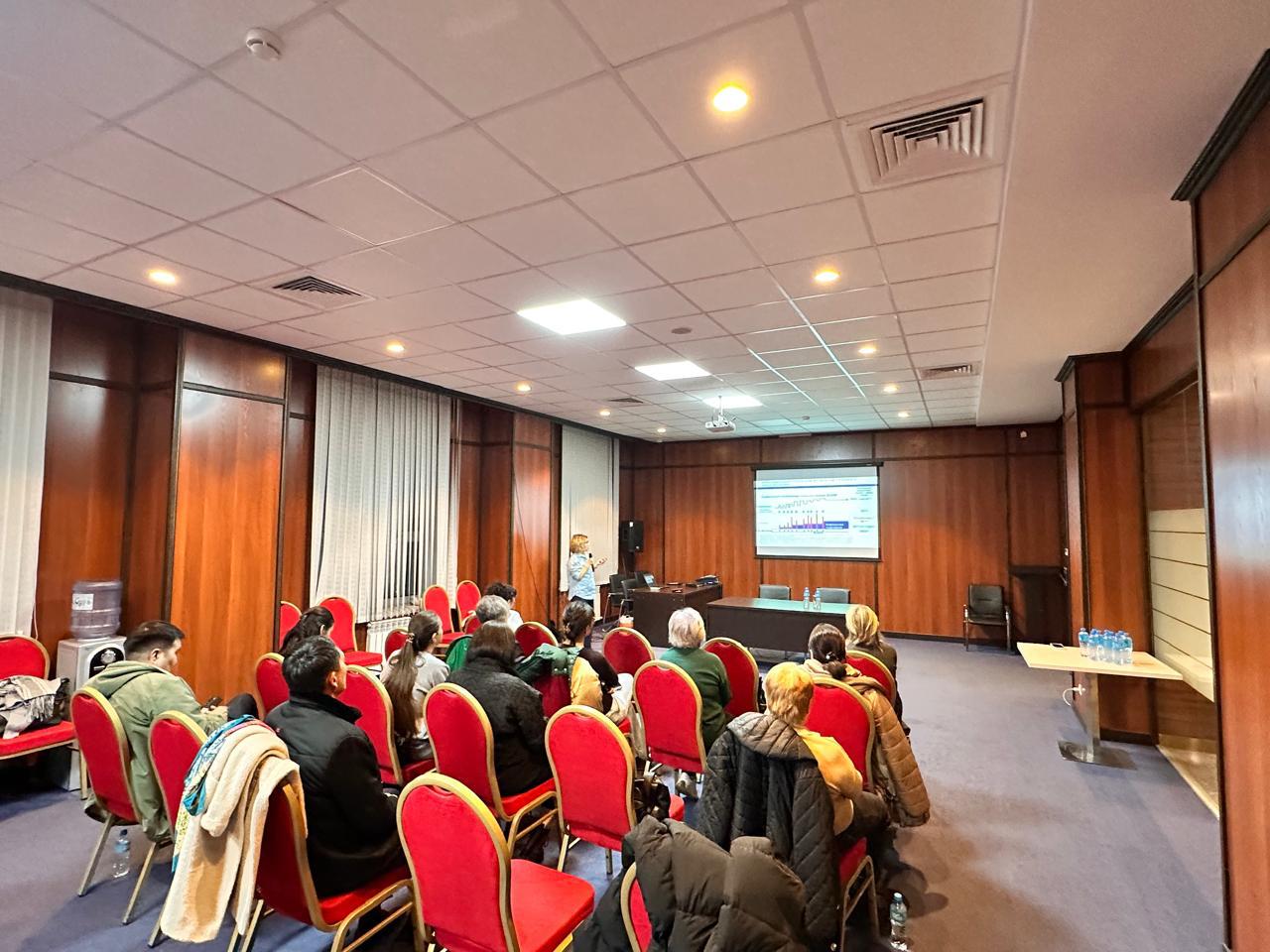
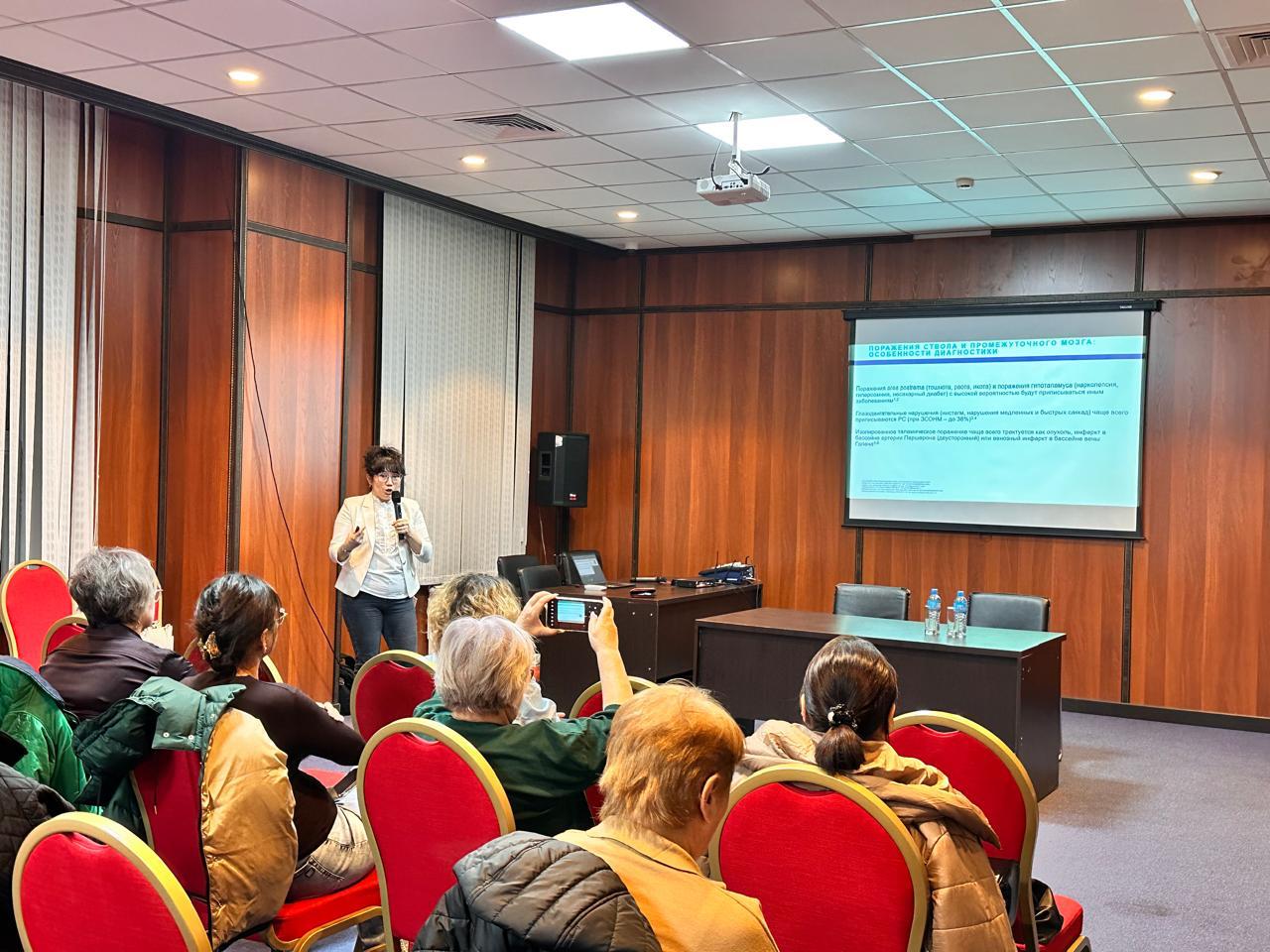
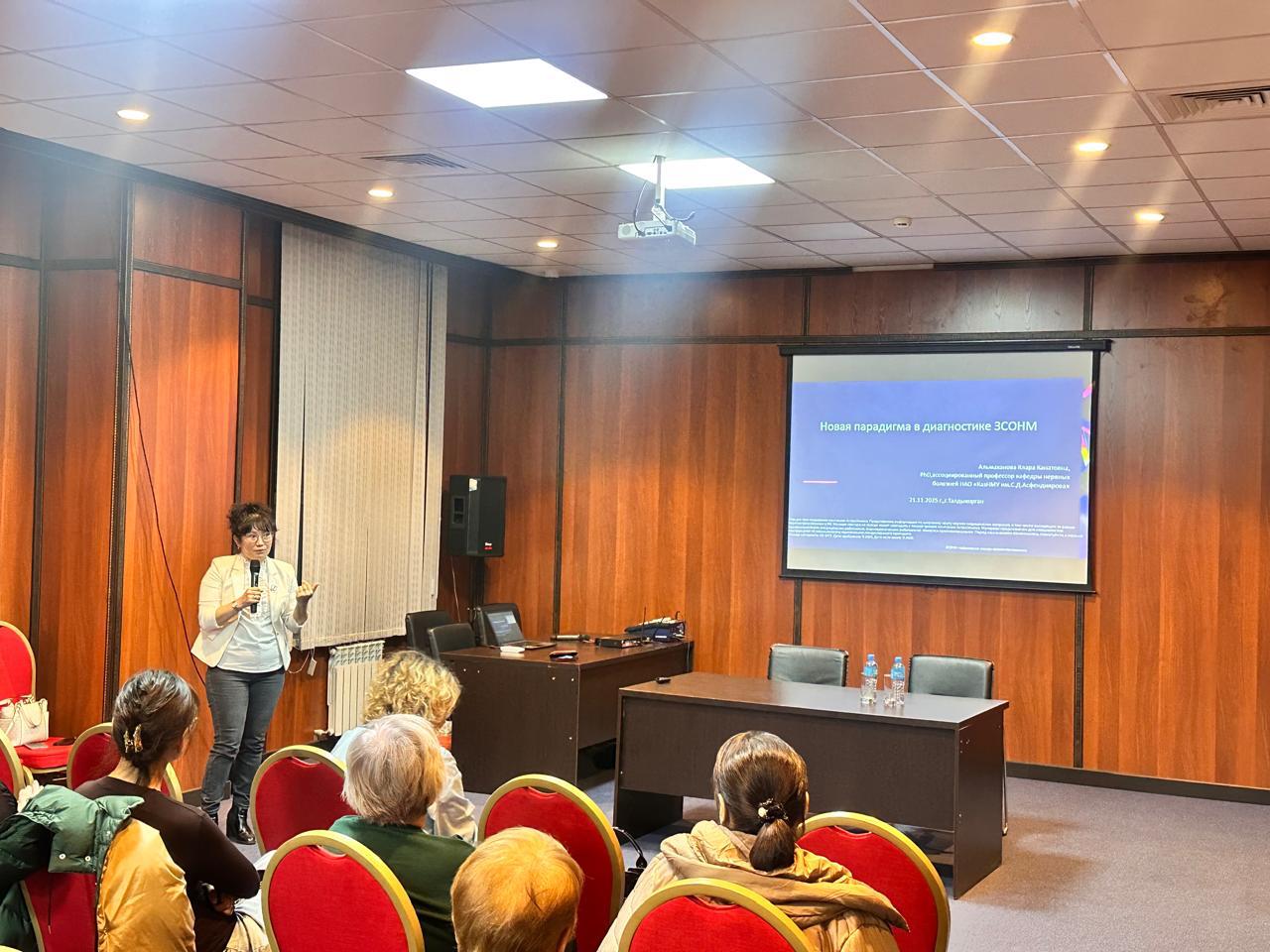
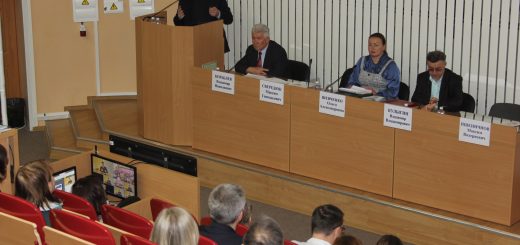
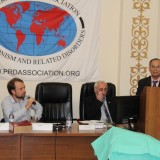
On November 21, an educational round table was held in Taldykorgan as part of the implementation of the cascade training method for practical healthcare specialists, in accordance with the Roadmap for Improving Neurological Care for the Adult Population of the Ministry of Health of the Republic of Kazakhstan for 2025–2027 (No. 03324 dated January 23, 2025). The event was organized with the support of the “Association of Neurologists” of the Republic of Kazakhstan and the Health Department of Zhetysu Region. The coordinator of the event was the Chief Freelance Neurologist of the Zhetysu Regional Health Department, Zhakyupbayeva I.T.
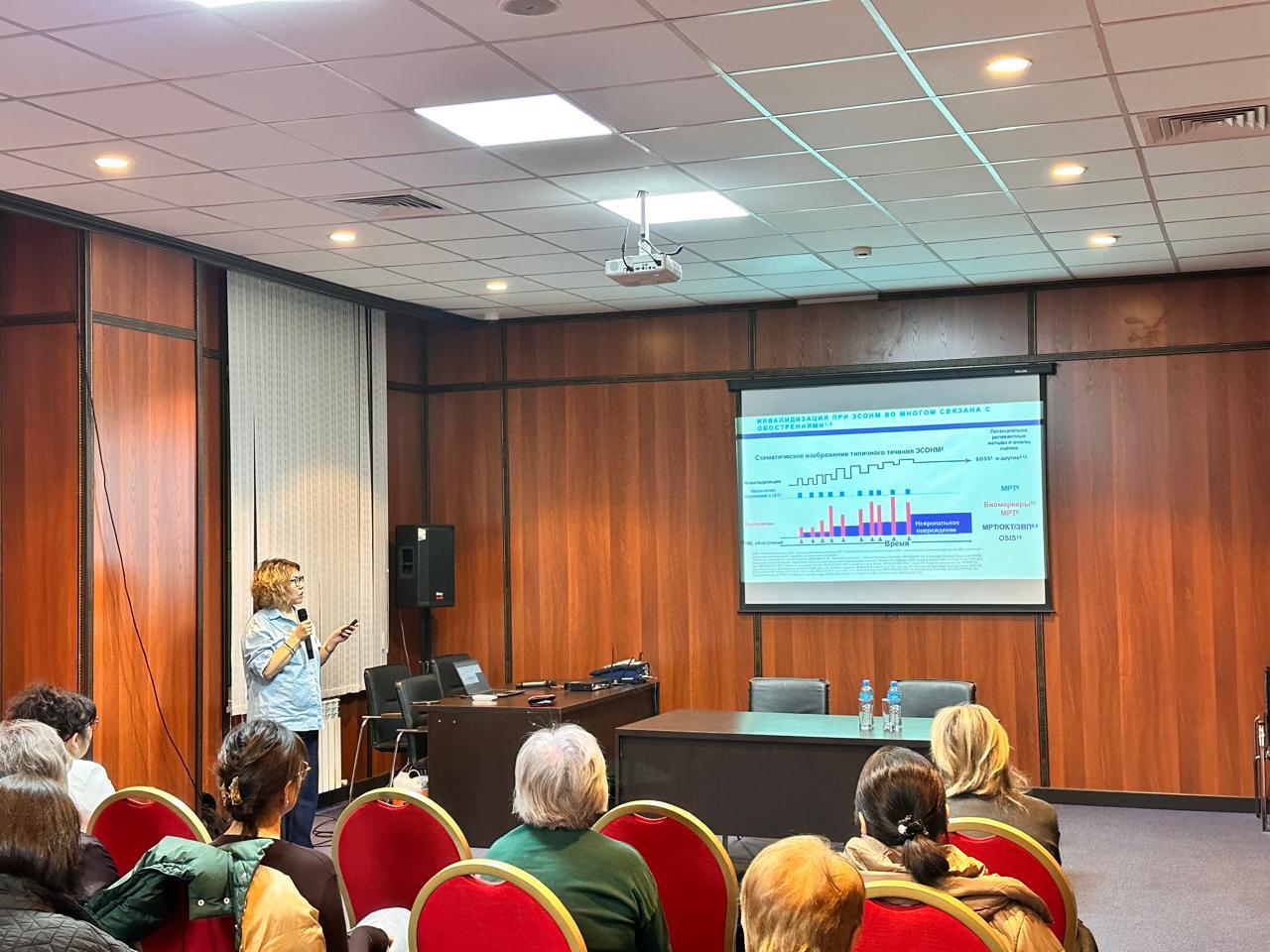
The round table was dedicated to current issues in the diagnosis, management, and treatment of orphan diseases of the nervous system, including neuromyelitis optica spectrum disorders (NMOSD). The event brought together specialists in neurology, ophthalmology, and radiology.
The main goal of the meeting was to discuss modern approaches to early detection and effective treatment of neuromyelitis optica spectrum disorders — a rare but severe autoimmune disease that requires high clinical vigilance and a multidisciplinary approach.
Participants of the round table included:
Assistant Professor of the Department of Nervous Diseases of Asfendiyarov KazNMU, PhD Almahanova K.K., and the Chief Freelance Neurologist of Zhetysu Region, Zhakyupbayeva I.T., who presented reports on new paradigms in the diagnosis and treatment of patients with demyelinating diseases, particularly neuromyelitis optica spectrum disorders. They emphasized the importance of timely diagnosis and interdisciplinary collaboration.
The participants highlighted the need to expand regional training programs for primary care physicians, improve the availability of specialized diagnostic services, and develop a clear referral pathway for patients with suspected demyelinating diseases.
Following the results of the round table, a shared commitment was expressed to strengthen cooperation between regional medical organizations with the aim of improving the quality of care for patients with organic diseases of the nervous system and neuromyelitis optica spectrum disorders.