International Speaker Training on Myasthenia Gravis for the Countries of the Eurasian Region
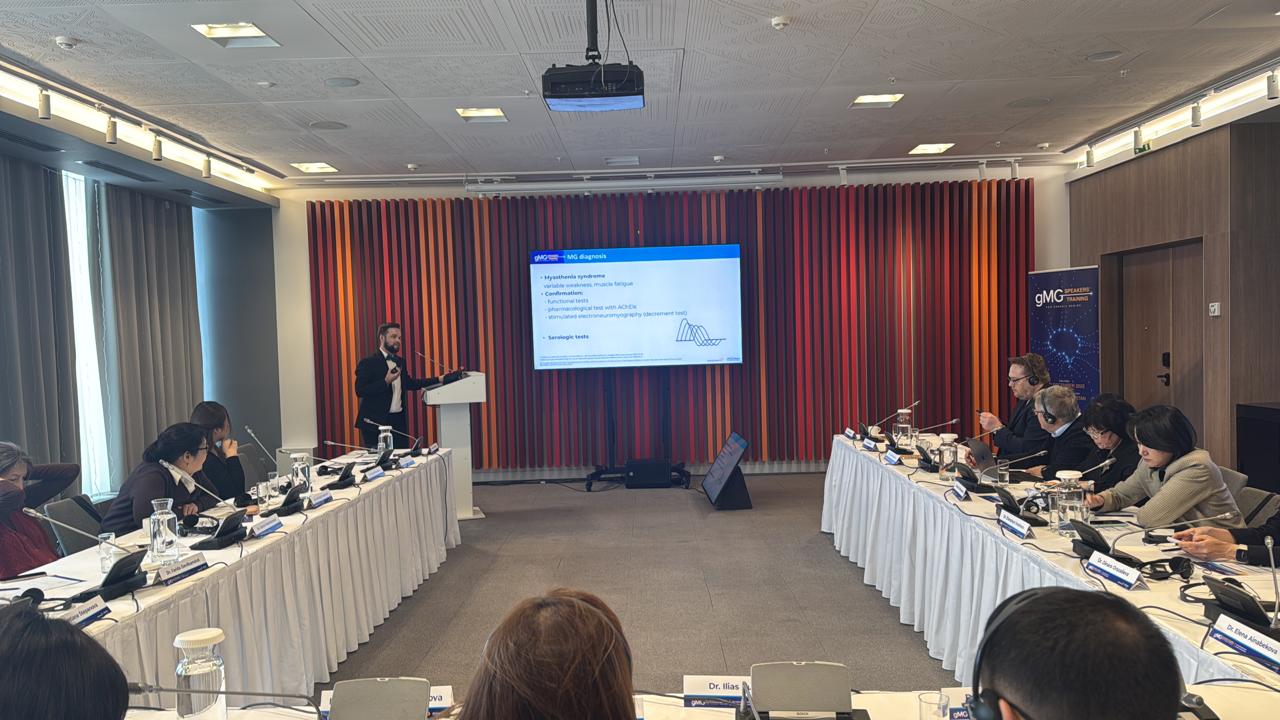
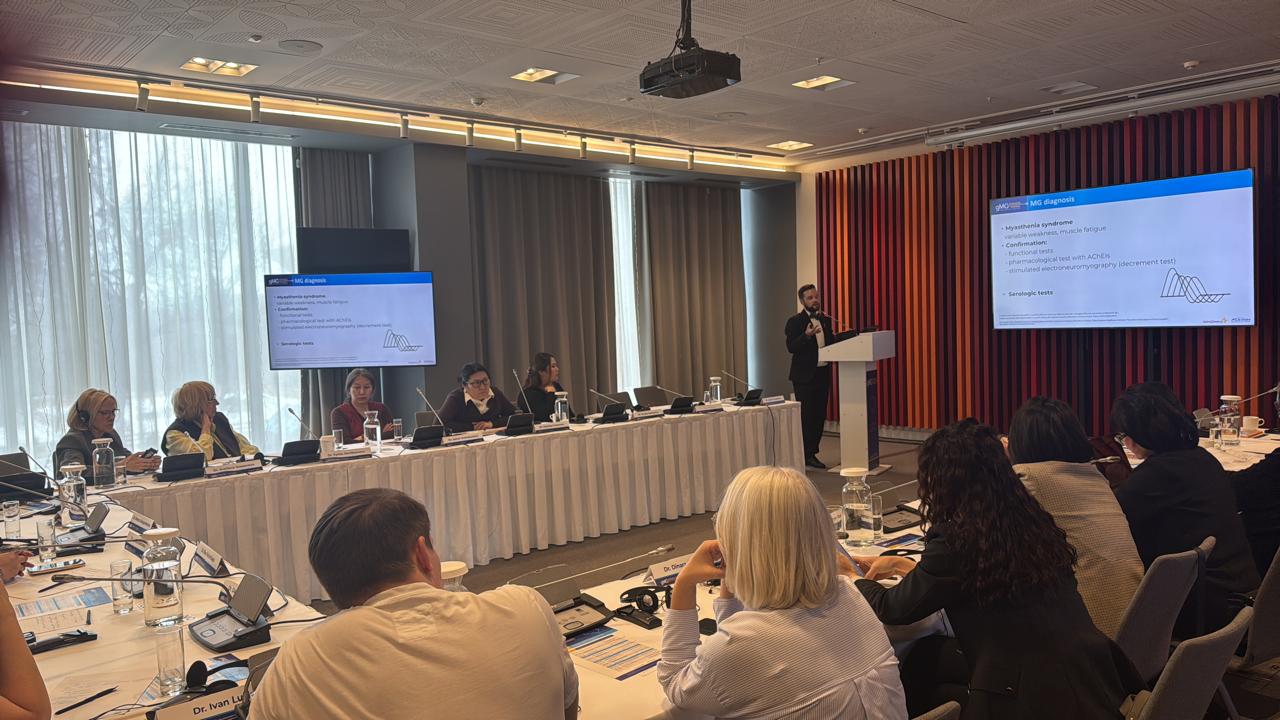
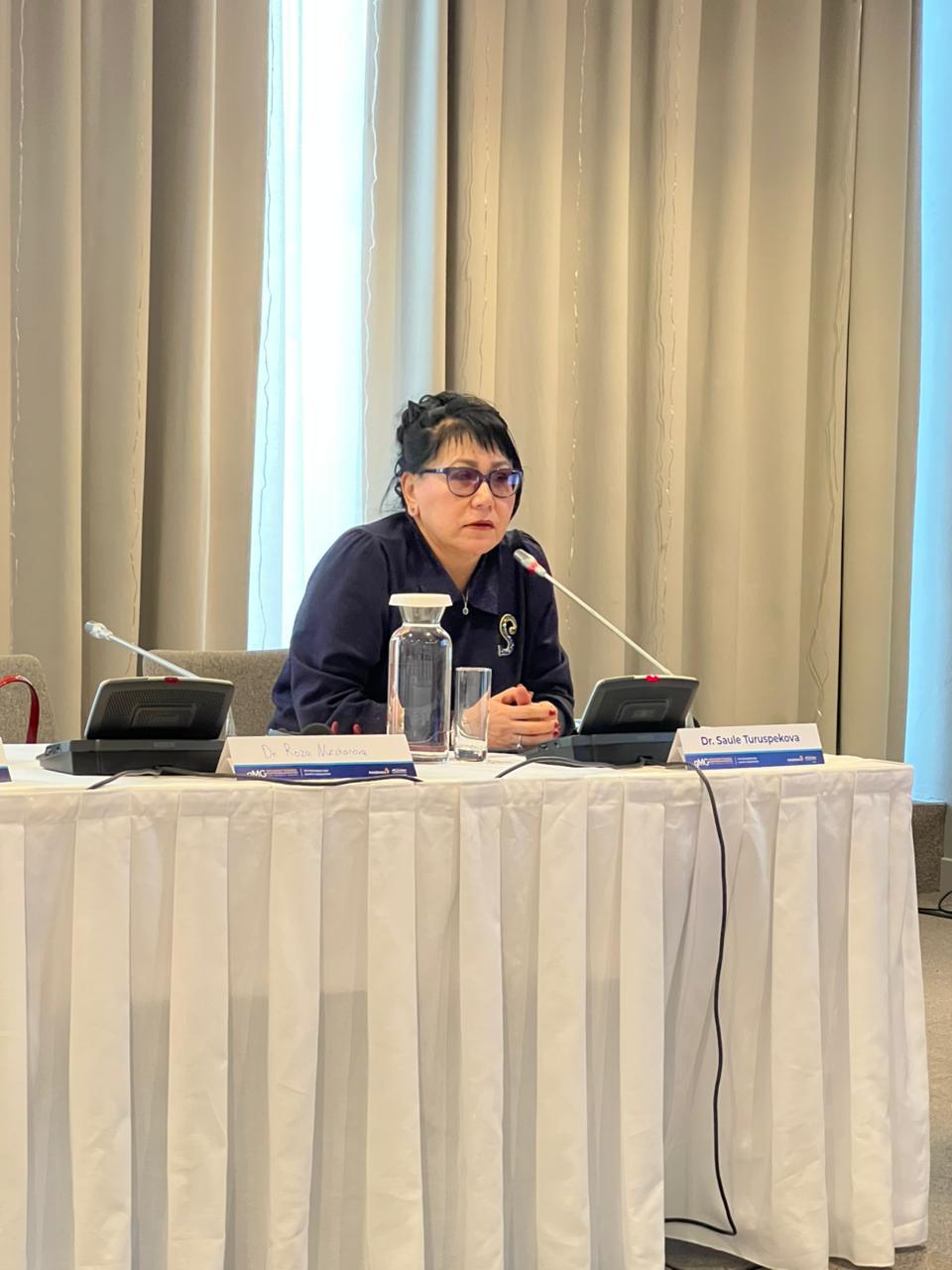
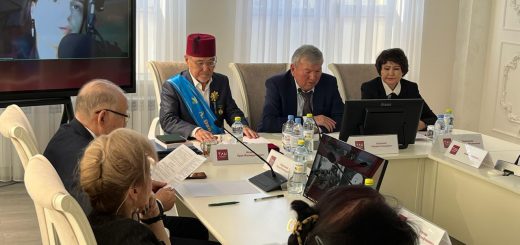
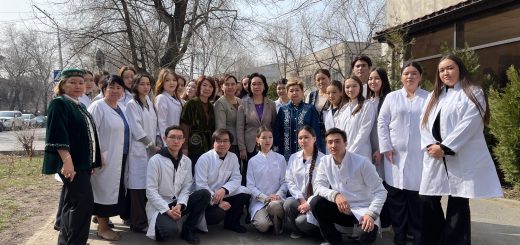
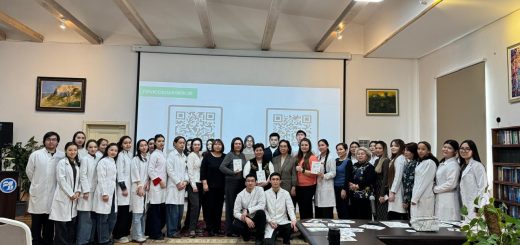
On December 13, Almaty and Kazakh National Medical University named after S.D. Asfendiyarov (KazNMU) became a center of professional attraction for neurologists from the Eurasian region. An international speaker training was held here, dedicated to one of the most complex and multifaceted problems of modern neurology — myasthenia gravis.
Experts from Germany, Russia, and Kazakhstan came together to discuss key issues:
— how to recognize the disease at early stages,
— how to avoid diagnostic pitfalls,
— how to choose optimal therapy,
— how to effectively manage patients in acute and crisis situations.
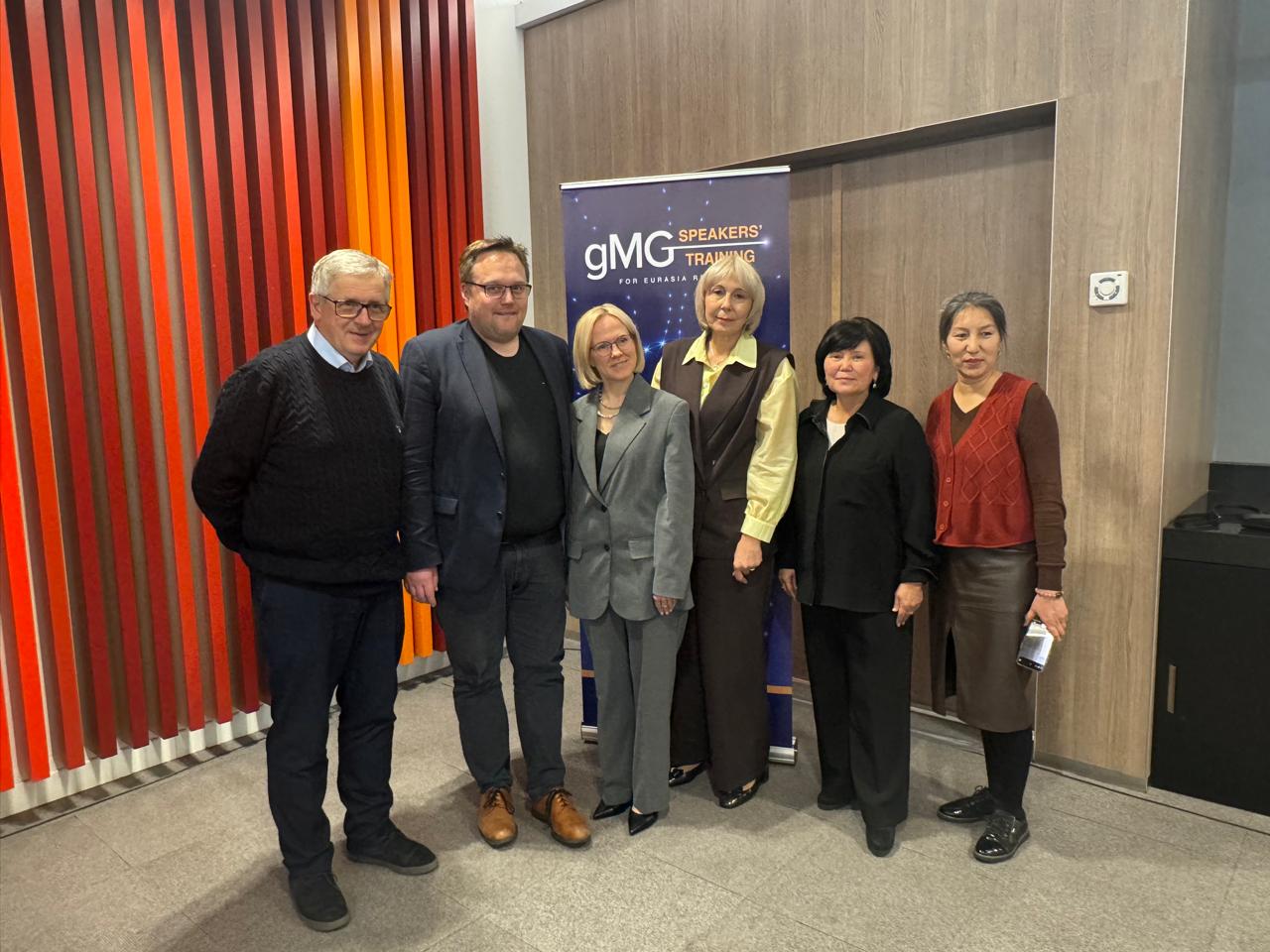
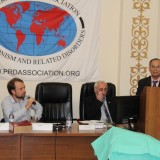
The training was moderated by Turuspekova S.T., Head of the Department of Nervous Diseases at Kazakh National Medical University named after S.D. Asfendiyarov, and Rudenko D.I., Professor of the Department of Neurology at the First Pavlov Saint Petersburg State Medical University.
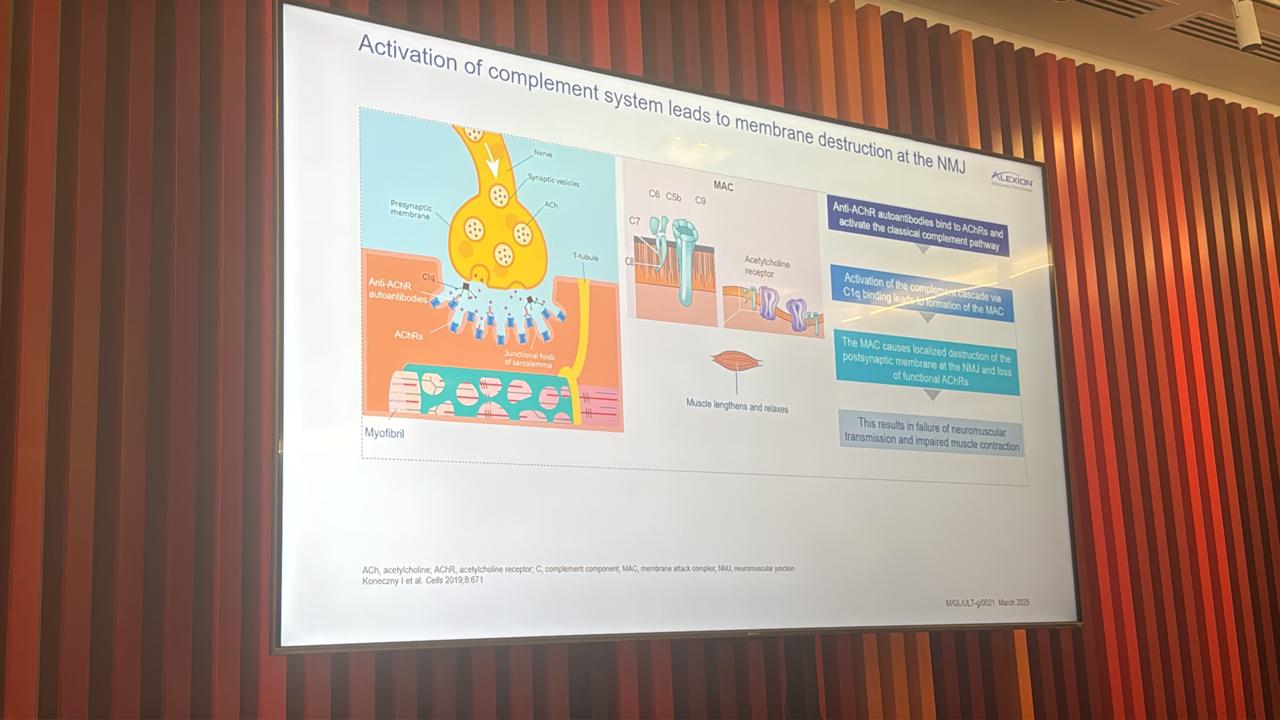
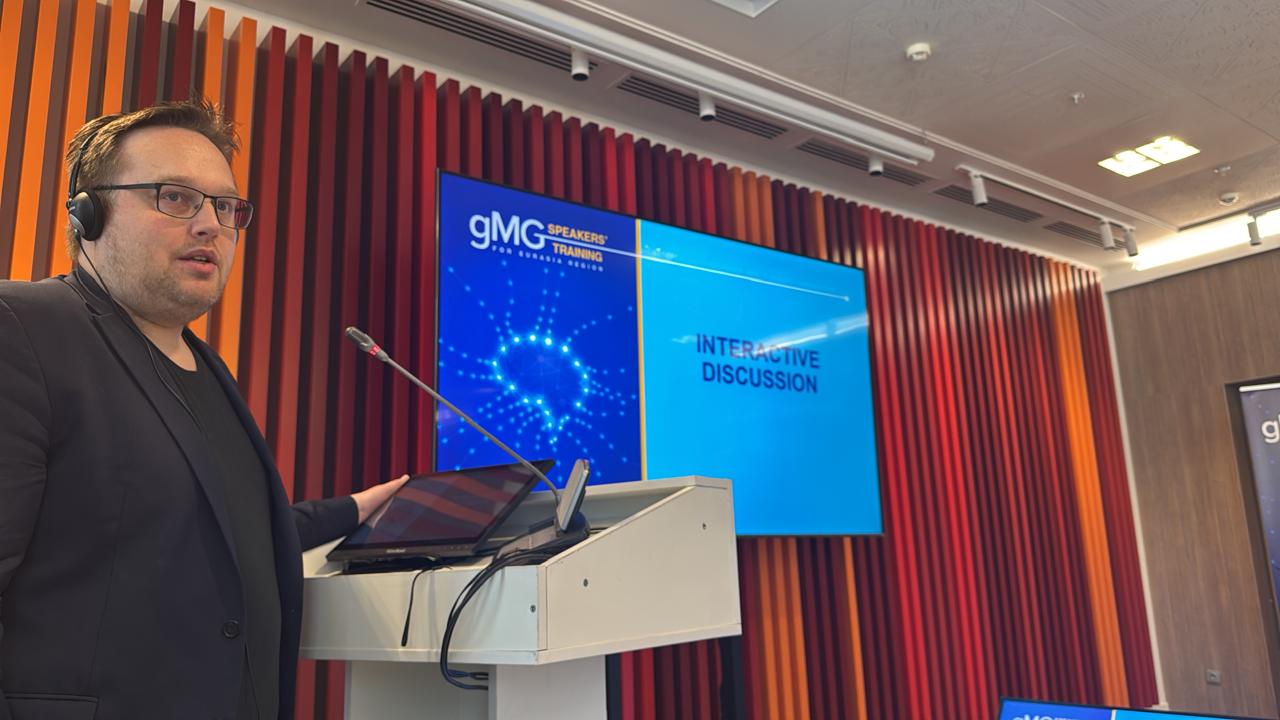
The keynote lecture was delivered by Dr. Nico Melzer, Chief Consultant Neurologist at Heinrich Heine University (Düsseldorf, Germany). He highlighted the pathogenetic mechanisms, clinical manifestations, and diagnostic pitfalls of myasthenia gravis, and also presented current German recommendations along with his own clinical experience in patient management.
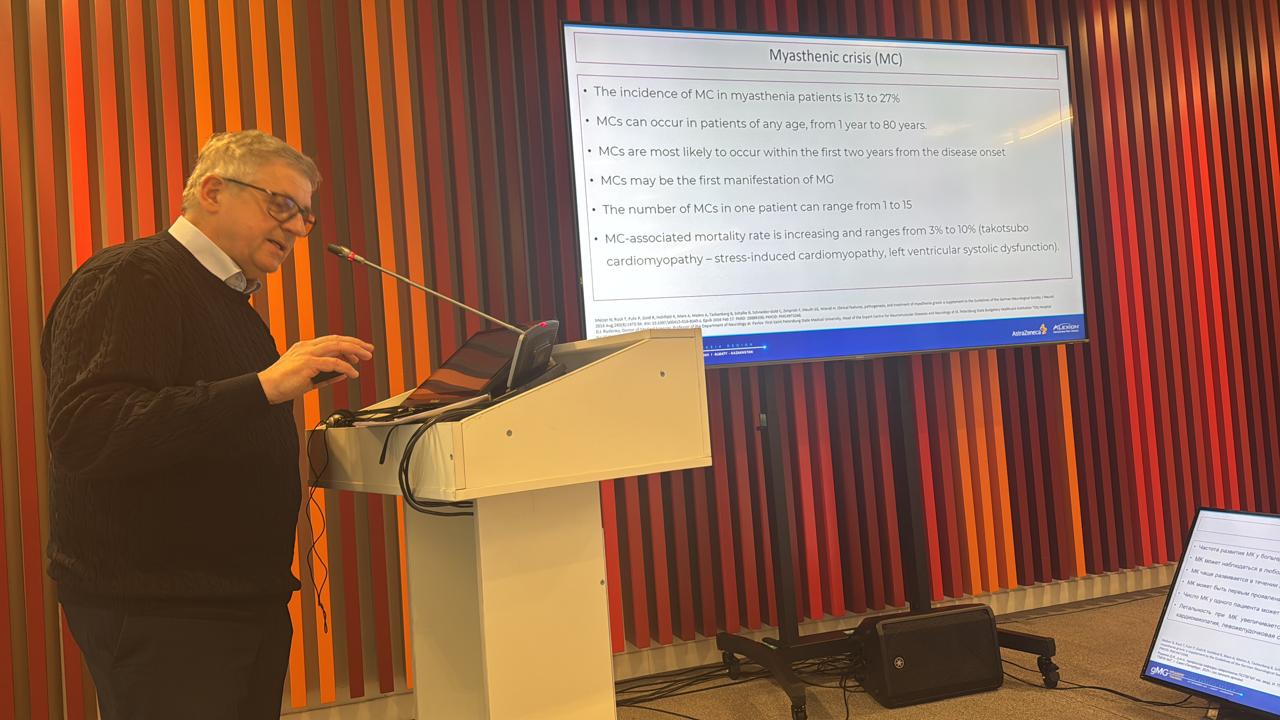
Professor Rudenko D.I. presented a report devoted to myasthenic crises and strategies for the treatment of acute conditions.
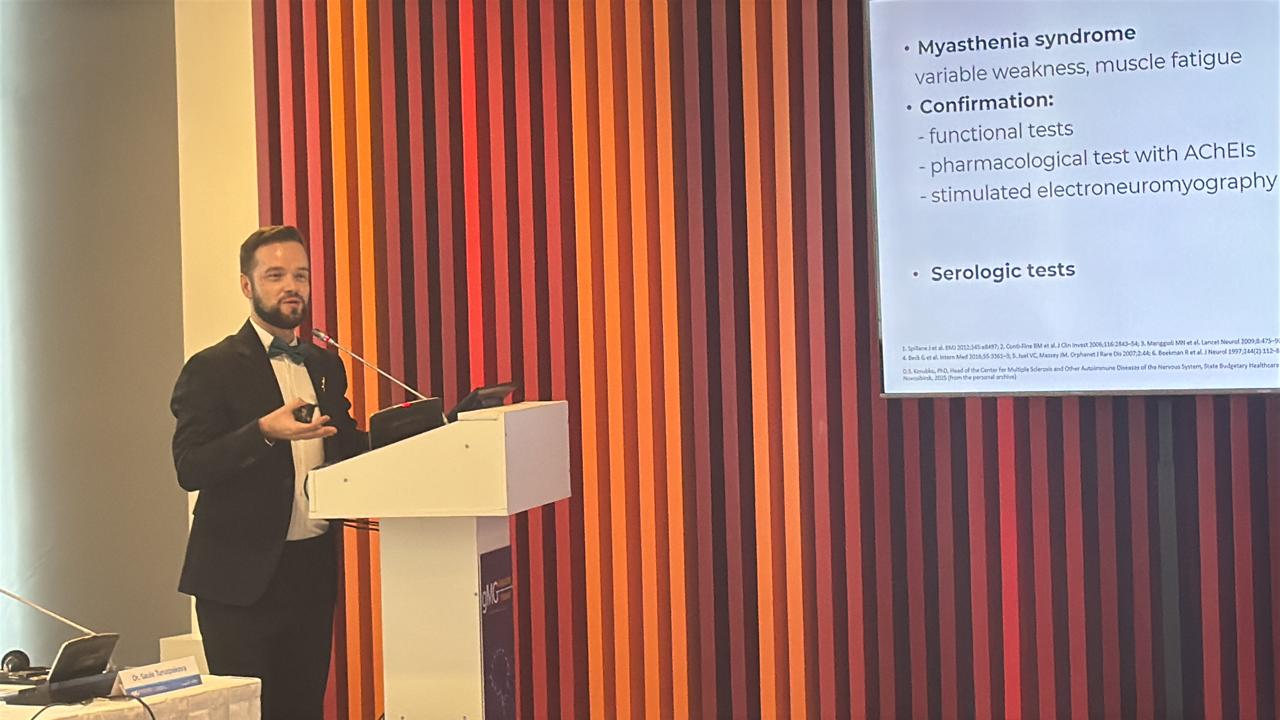
Denis Korobko, Head of the Multiple Sclerosis Center and Assistant at the Department of Neurology, Novosibirsk State Medical University (Novosibirsk), outlined the patient pathway from the first symptoms of the disease to the establishment of the diagnosis.
Associate Professor Svetlana Stepanova of the Department of Nervous Diseases at South Ural State Medical University (Chelyabinsk) presented a report on complement inhibitor therapy as a strategy that allows reduction of glucocorticosteroid doses in myasthenia gravis.
An important part of the program was the discussion of clinical cases reflecting the challenges of diagnosis and treatment strategy selection in real clinical practice. The clinical cases were presented by:
• Zhanylsyn Urasheva — Assistant at the Department of Neurology, M. Ospanov West Kazakhstan Medical University (Aktobe), Chief Freelance Neurologist of Aktobe Region;
• Nazira Zharkinbekova — Head of the Department of Neurology, Neurosurgery, and Neurorehabilitation, South Kazakhstan Medical Academy (Shymkent), Chief Freelance Neurologist of Turkestan Region.
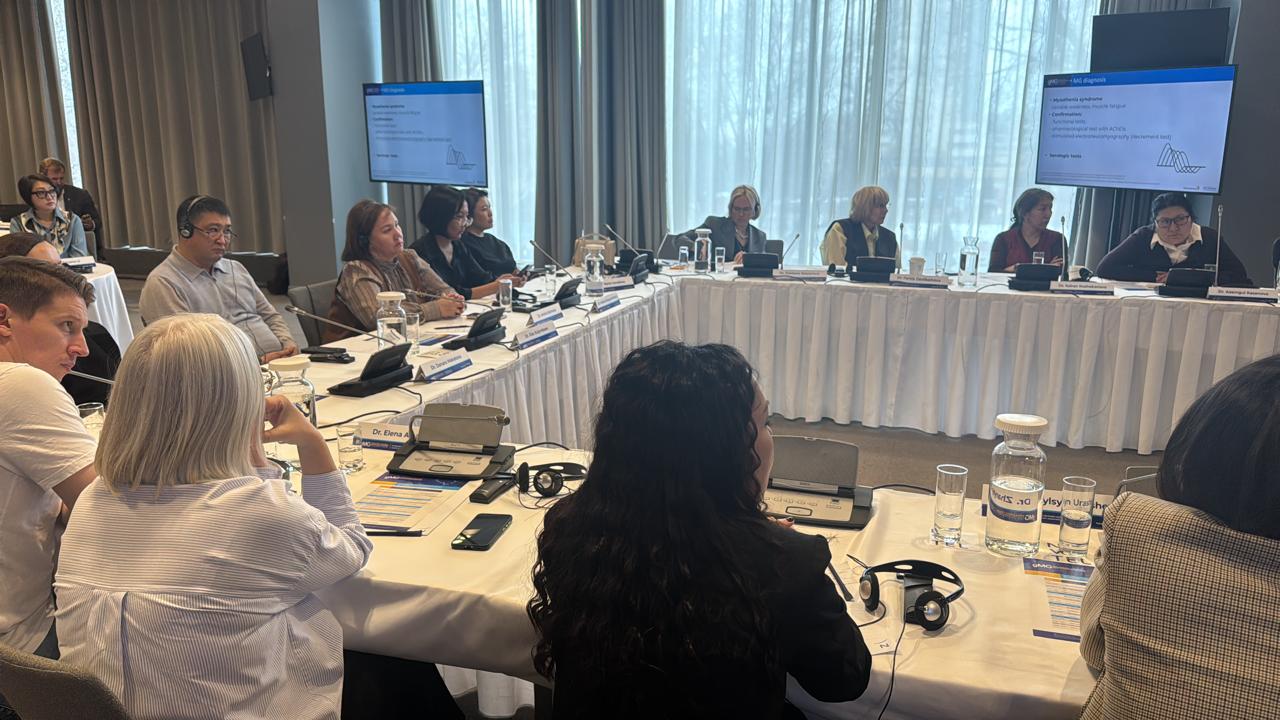
Lively discussions, real clinical cases, international guidelines, and practical algorithms made the training truly valuable for practicing physicians.
Special attention was paid not only to clinical knowledge but also to professional development: participants completed training in public speaking and preparation of clinical cases for professional presentation and scientific publication. The training was conducted by coach Tatyana Li.
During the discussions, participants addressed issues of early diagnosis of myasthenia gravis, differential diagnosis, individualization of therapy, interdisciplinary collaboration, and patient routing.
This day marked another step toward improving the quality of diagnosis and treatment of patients with myasthenia gravis in the countries of the Eurasian region and confirmed the importance of educational initiatives that unite science, clinical practice, and international experience.
Kazakh National Medical University named after S.D. Asfendiyarov — a space for knowledge, dialogue, and professional development.
The international training was held with informational support from the Representative Office of AstraZeneca UK Limited in the Republic of Kazakhstan.