Modern Standards of Safety and Quality in the Practice of a General Practitioner
In accordance with the goals and objectives of the educational programs in “General Medicine” and “Medicine,” one of the university’s priority missions is to train competent, competitive, and professionally oriented graduates capable of effectively carrying out their professional duties within a dynamically developing healthcare system.
Modern medical science is characterized by continuous development and improvement, which necessitates constant updating of knowledge, the implementation of innovative approaches to organizing medical care, and strict adherence to international standards of quality and patient safety. In the context of healthcare system reforms, issues of quality, patient-centeredness, and professional responsibility of medical workers are of particular importance.
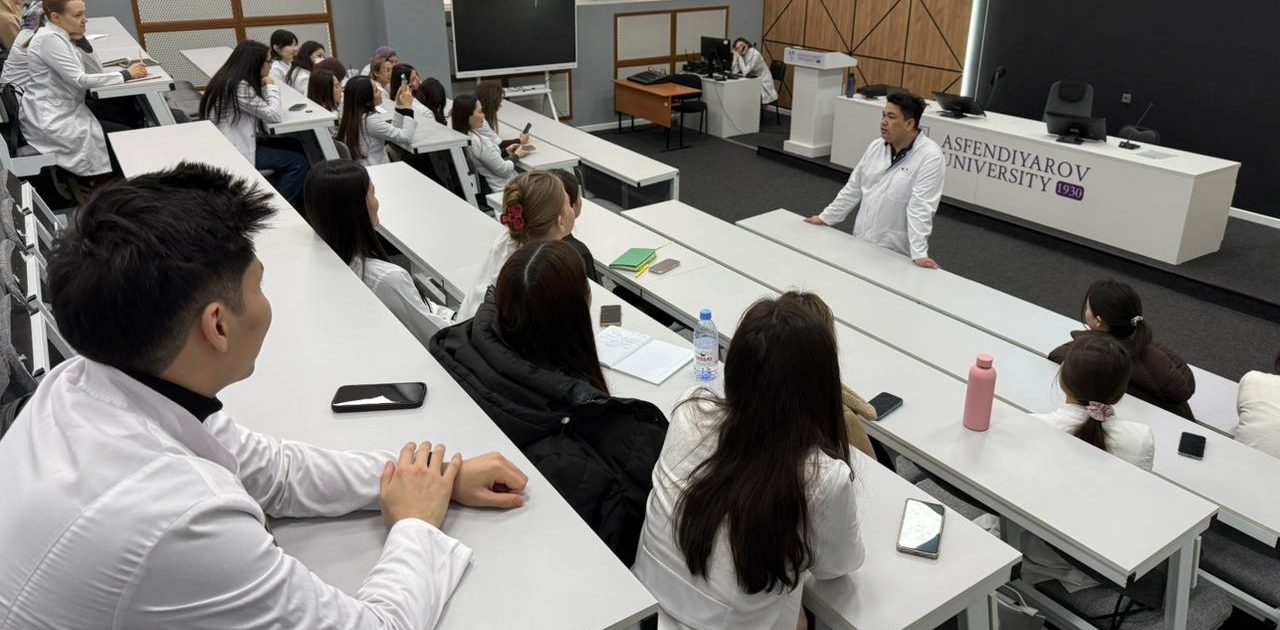
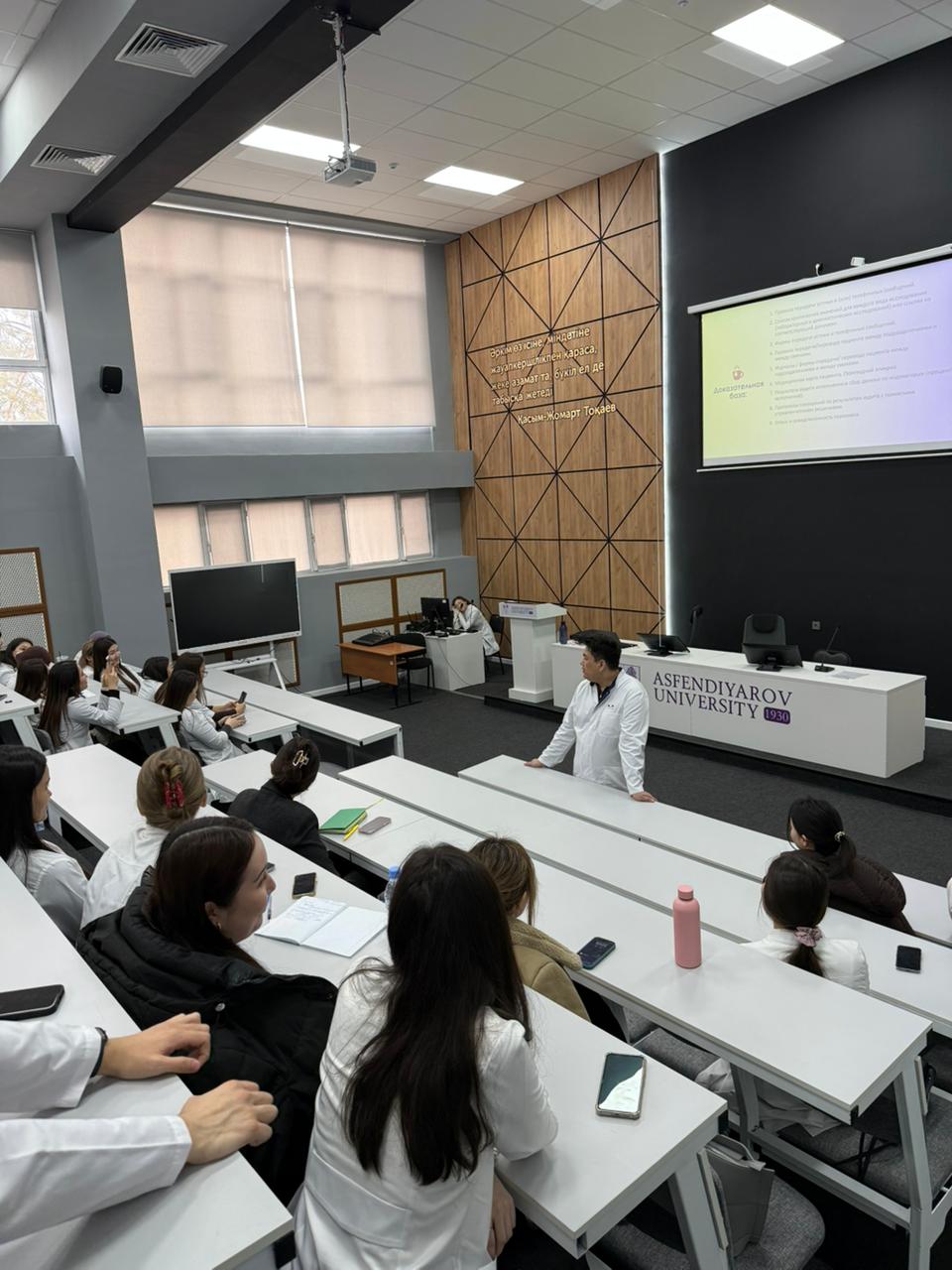
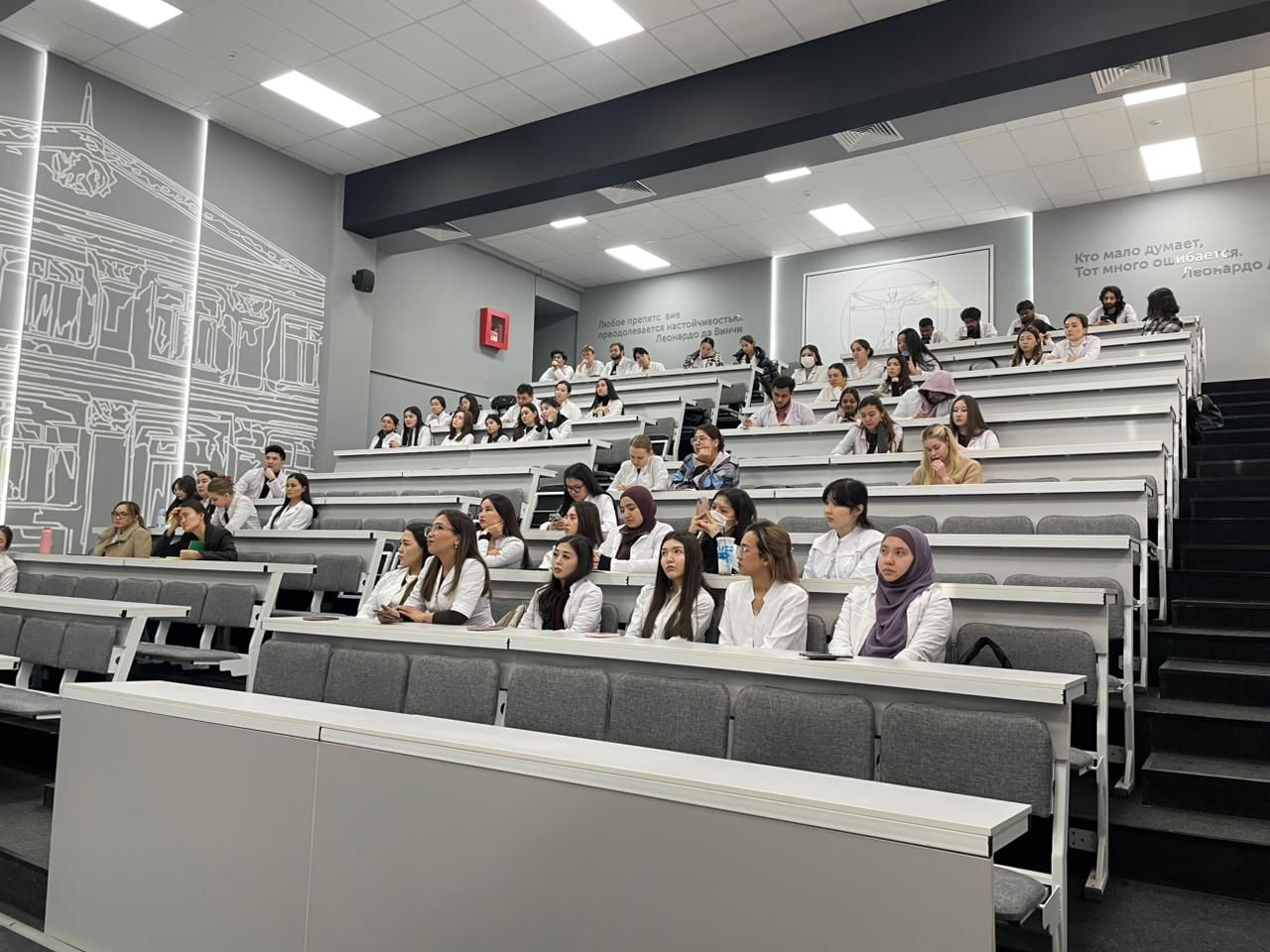
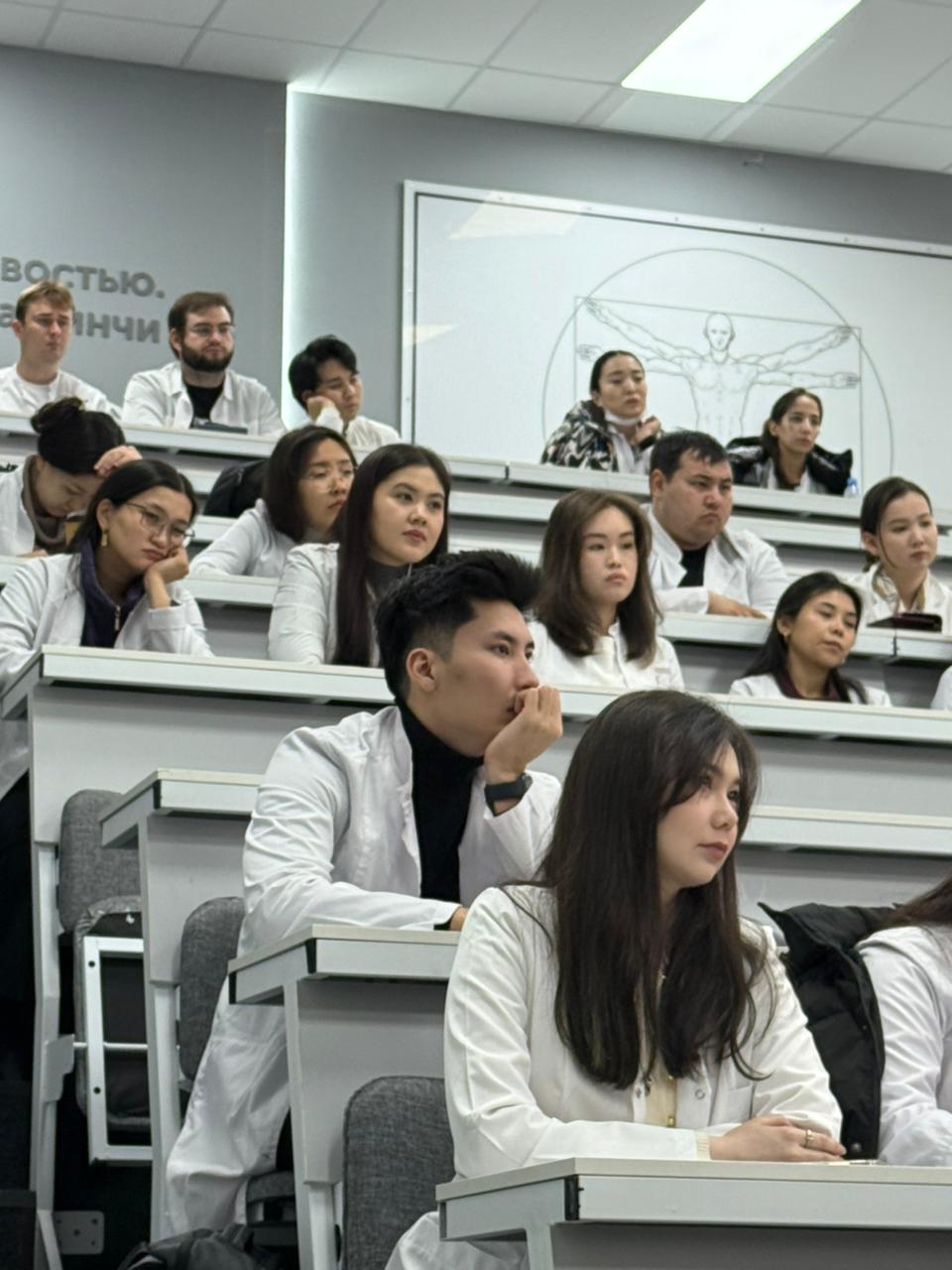
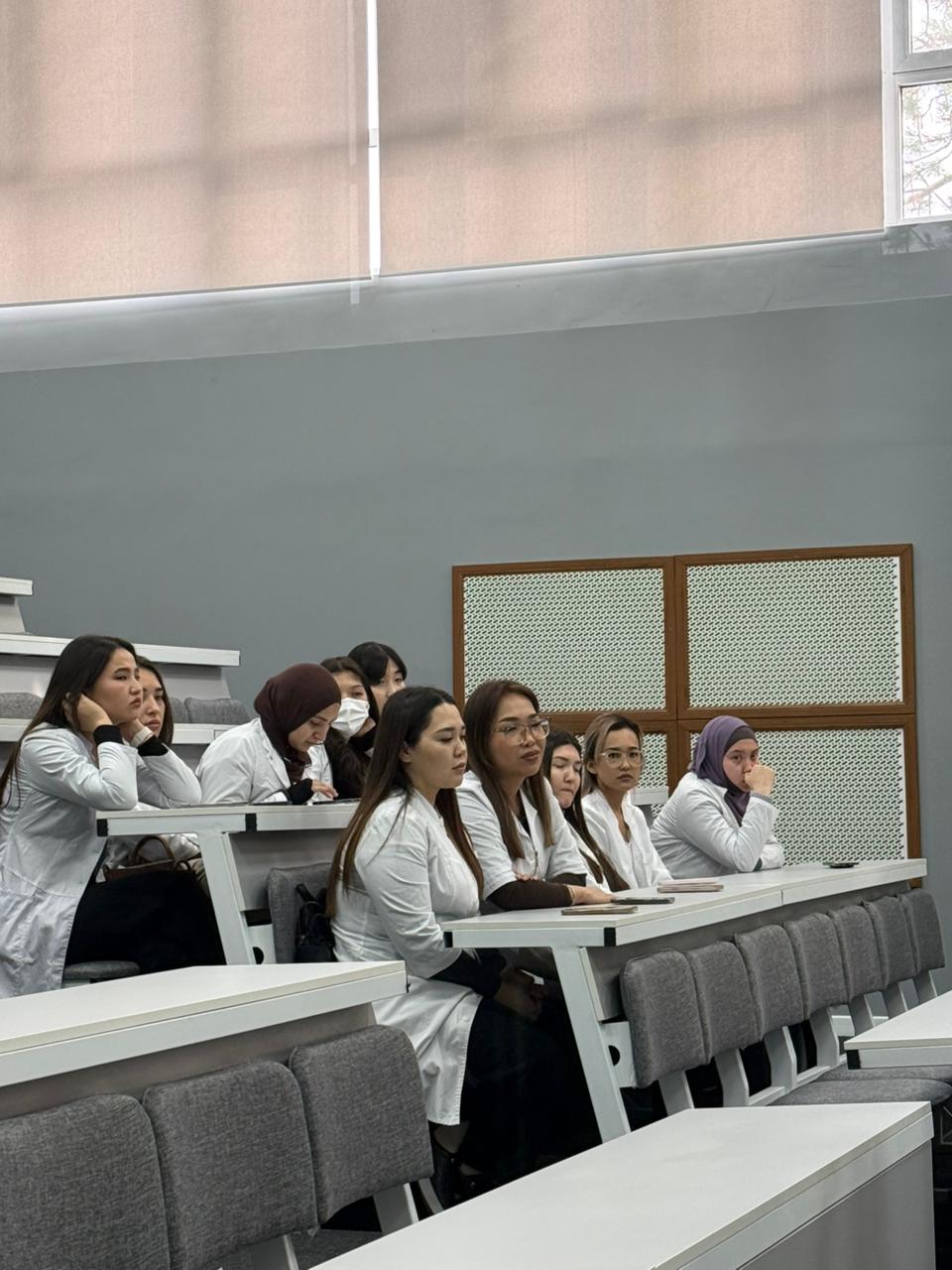
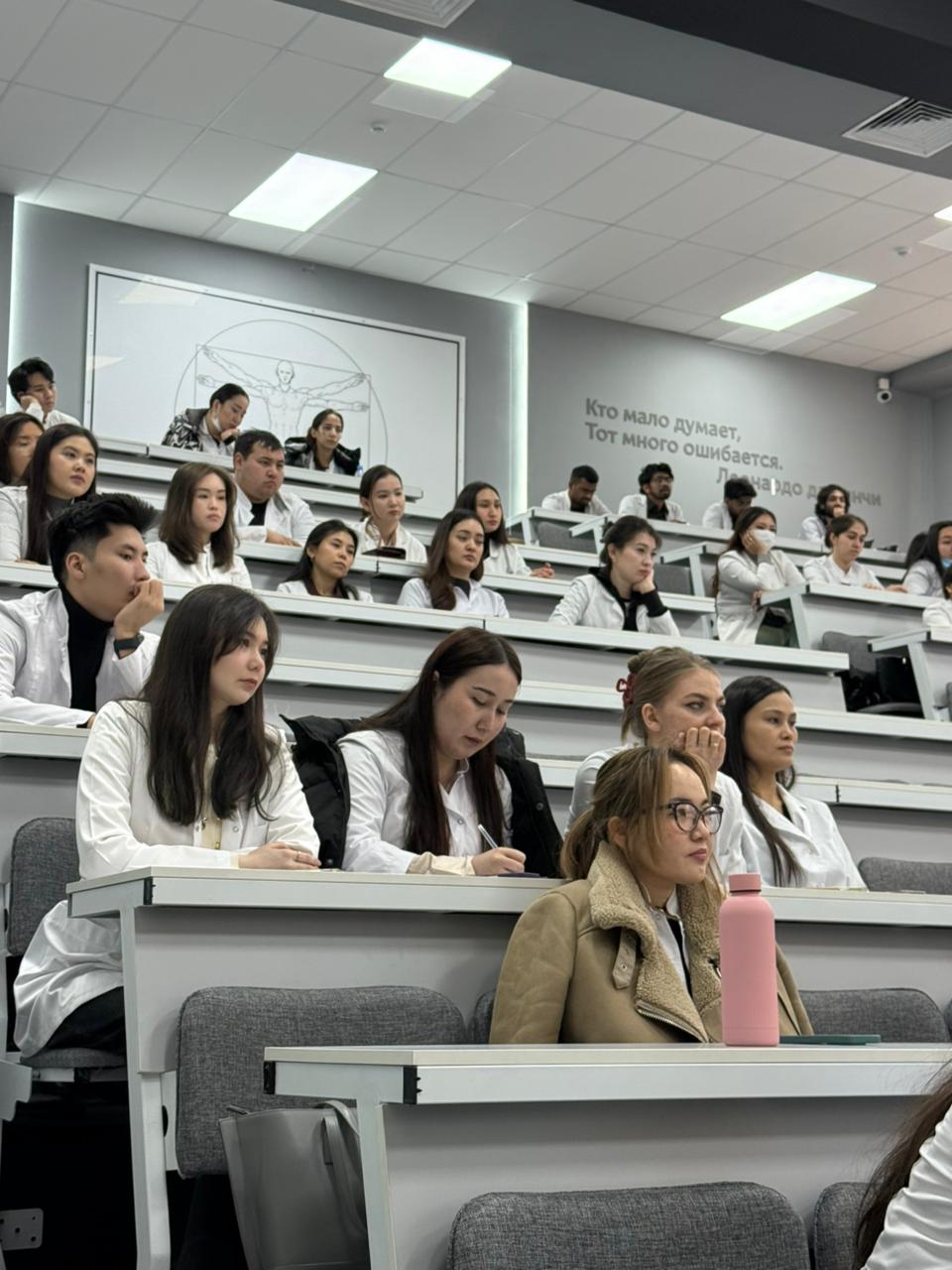
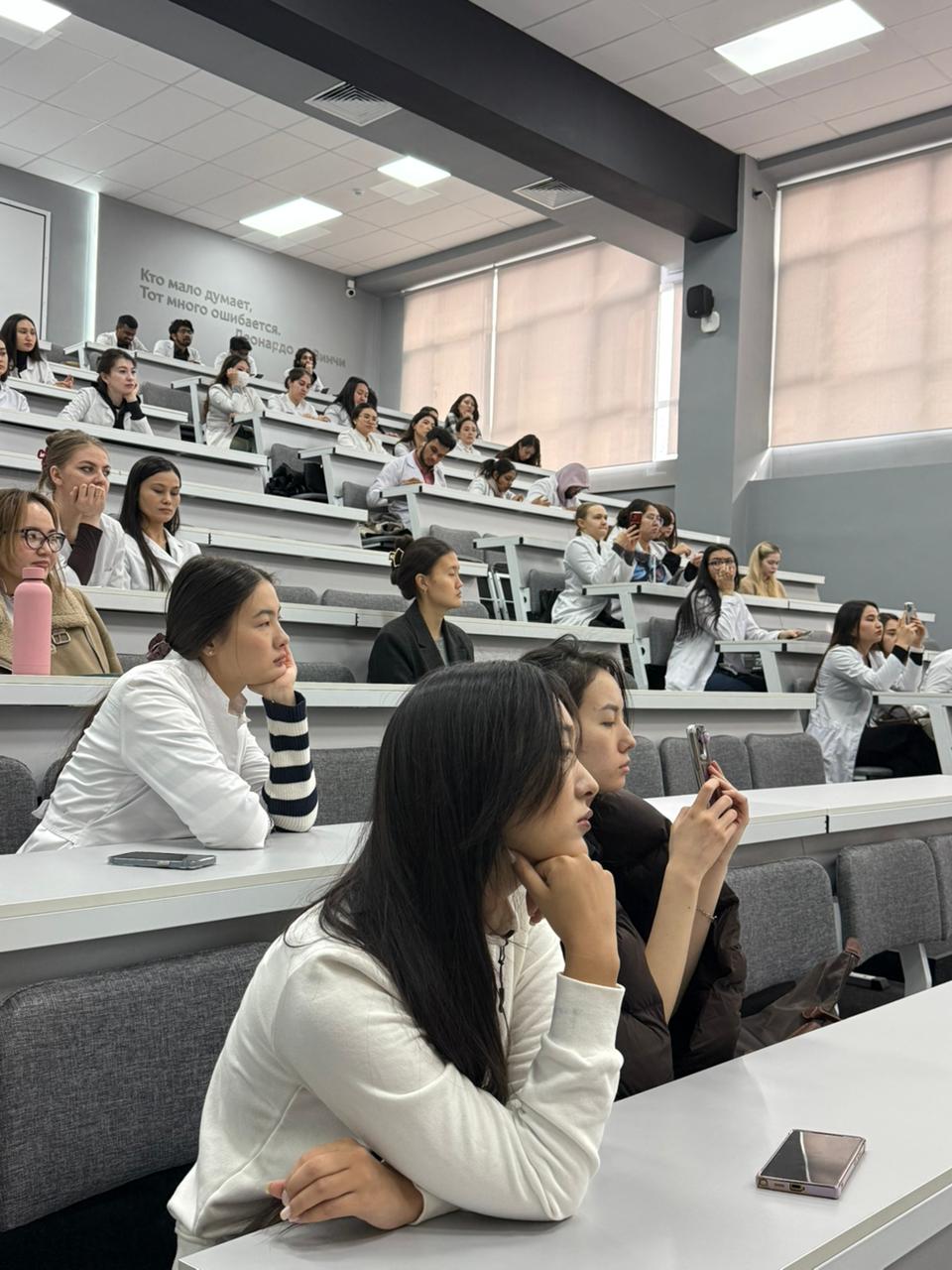
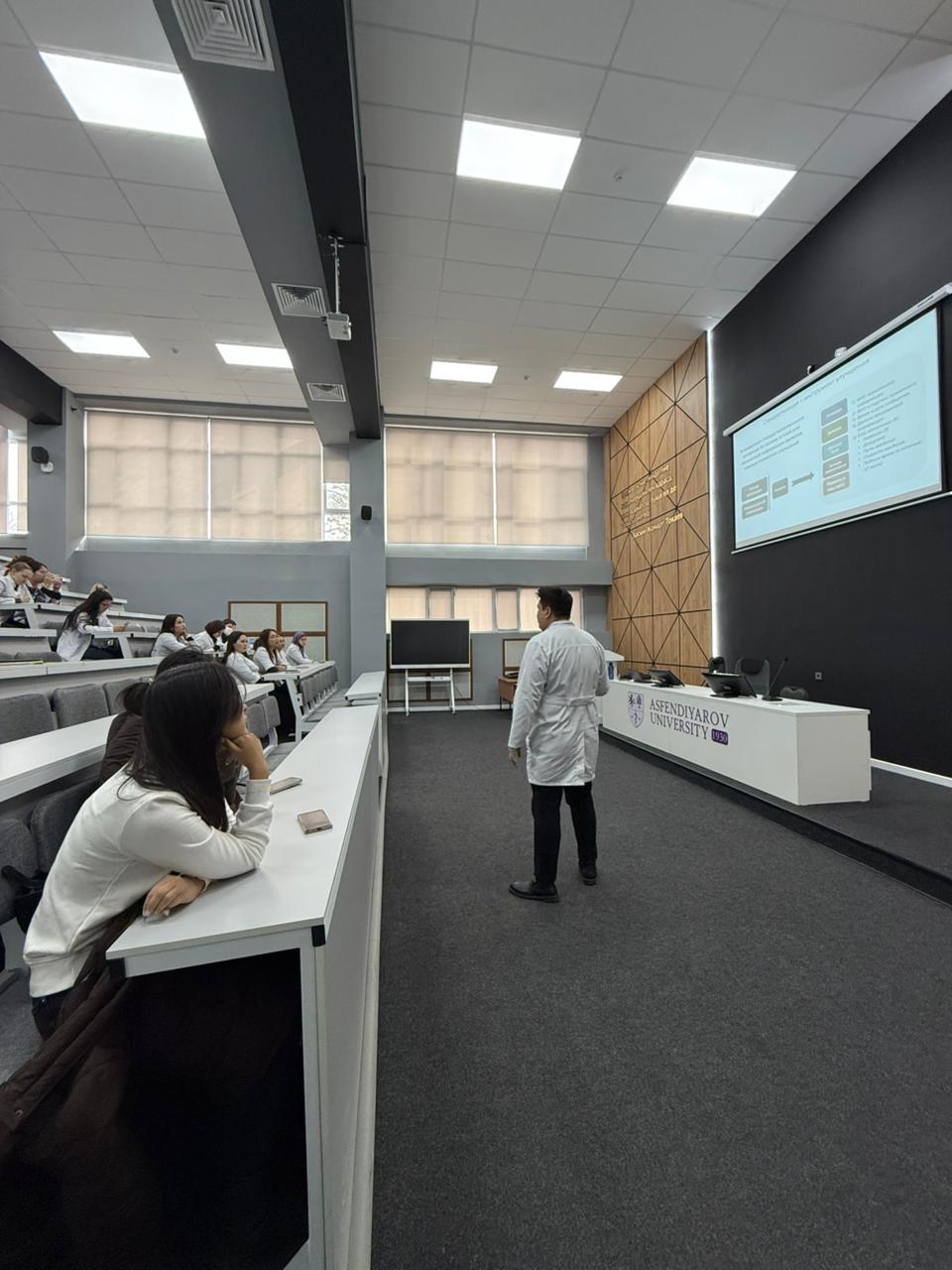
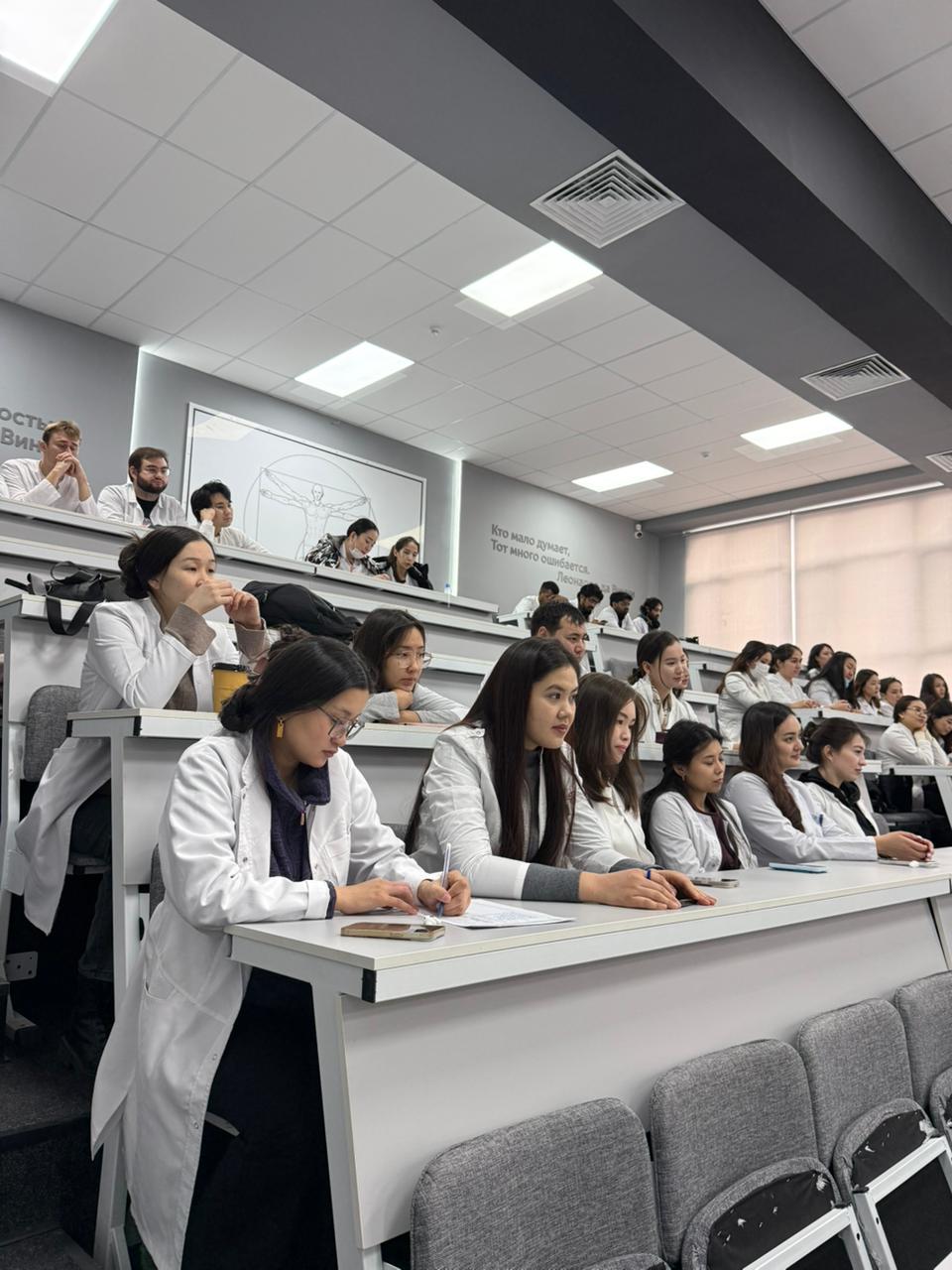
To implement these objectives, the Department of Anesthesiology and Resuscitation No. 1 organized a lecture series for second-year interns in the specialty “General Medical Practice,” held from February 10, 2026 to February 16, 2026. The series was aimed at developing in future physicians a systematic understanding of patient safety principles, healthcare quality standards, and modern approaches to organizing the work of a general practitioner.
The following topics were covered within the lecture series:
- “Safety and Quality in Medical Practice. Healthcare Quality Standards: From Theory to Practice”;
- “Patient-Centeredness and the Culture of Professional Interaction as the Foundation of Effective and Accessible Medical Care.”
Special attention was given to international approaches to ensuring patient safety.
The six International Patient Safety Goals were discussed in detail:
- correct patient identification;
- ensuring effective communication of verbal information;
- safe handling of high-risk medications;
- preoperative verification and implementation of the “time-out” procedure;
- adherence to hand hygiene;
- prevention of patient falls.
The interns were provided with explanations on the practical implementation of these goals in the daily clinical practice of a general practitioner. Particular emphasis was placed on fostering a culture of safety in which the prevention of medical errors becomes a systemic responsibility of the entire healthcare team.
The lectures also addressed issues of informed voluntary consent for medical intervention, the legal and ethical aspects of refusal of treatment, and professional barriers in a physician’s work—communicative, organizational, and psychological. A separate section was devoted to developing a culture of interaction between healthcare professionals and patients, principles of teamwork, and interdisciplinary collaboration.
Considerable attention was paid to the organization of integrated medical care, ensuring continuity across different levels of healthcare delivery, and the implementation of a triage system as an effective tool for patient prioritization and rational resource allocation.
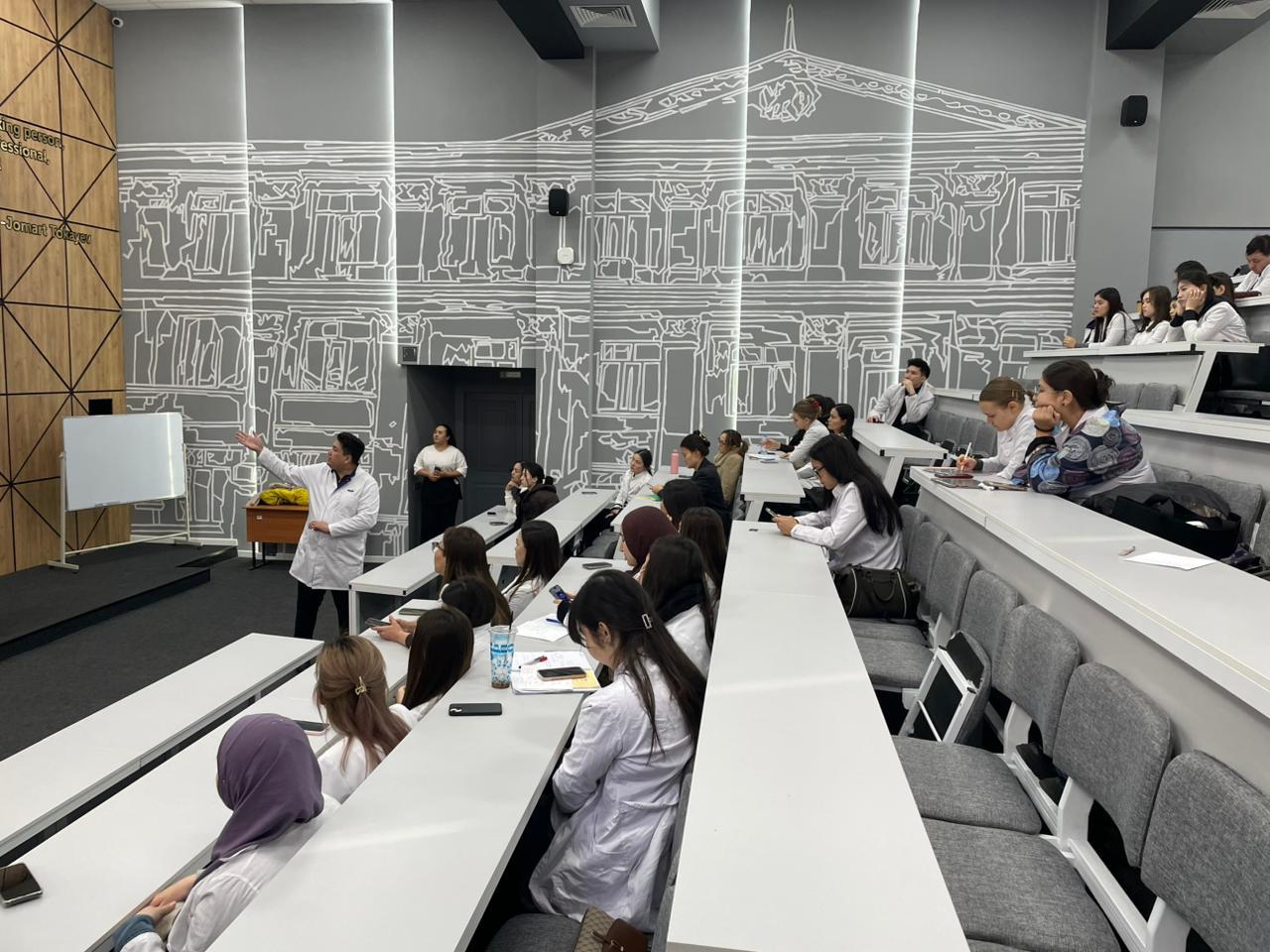
The lectures were delivered by Ermekaibay Aibek Amanzholuly, Assistant of the Department of Anesthesiology and Resuscitation No. 1 and an expert in National Accreditation. During the sessions, he repeatedly emphasized the practical significance of the discussed issues, provided real clinical examples, analyzed typical errors, and demonstrated algorithms for their prevention. He highlighted that the formation of a culture of safety and responsibility is the foundation of high-quality healthcare.
The sessions generated strong interest among the interns. During discussions, the participants actively engaged in dialogue, asked questions, analyzed clinical cases, and proposed their own solutions. This interactive format contributed not only to deepening theoretical knowledge but also to developing clinical thinking, communication skills, and professional responsibility.