CHF 360°: integration of clinical guidelines, practice and the educational process
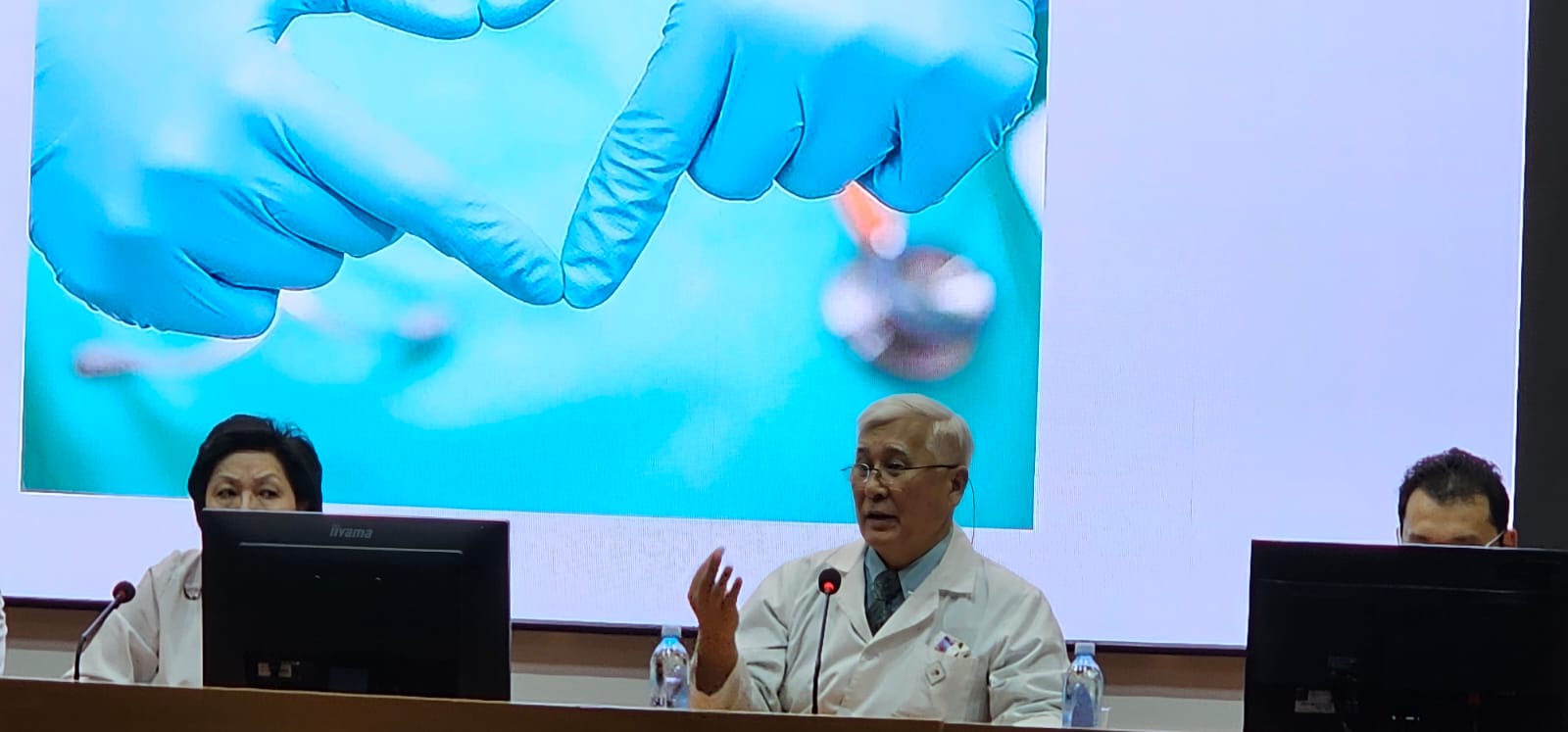
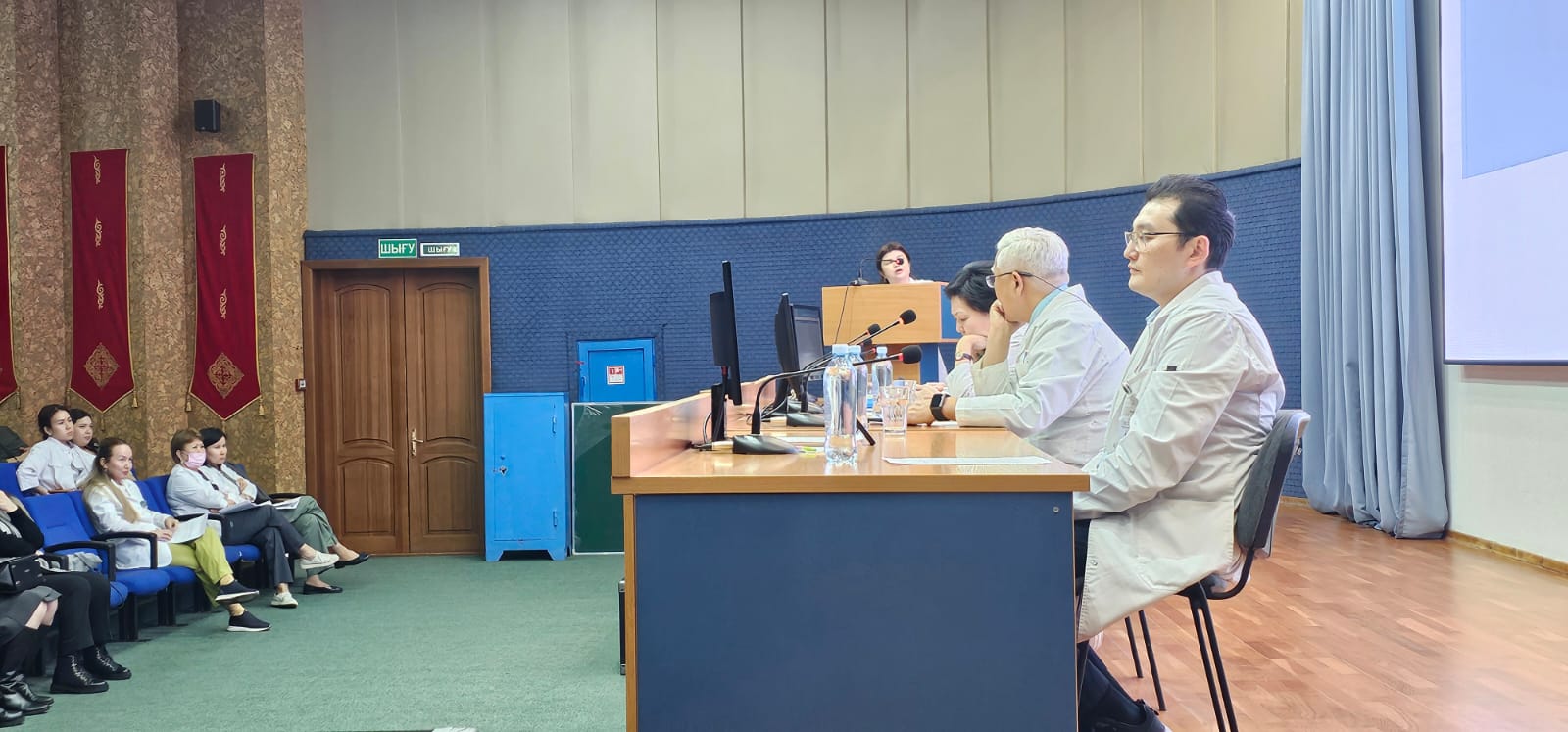
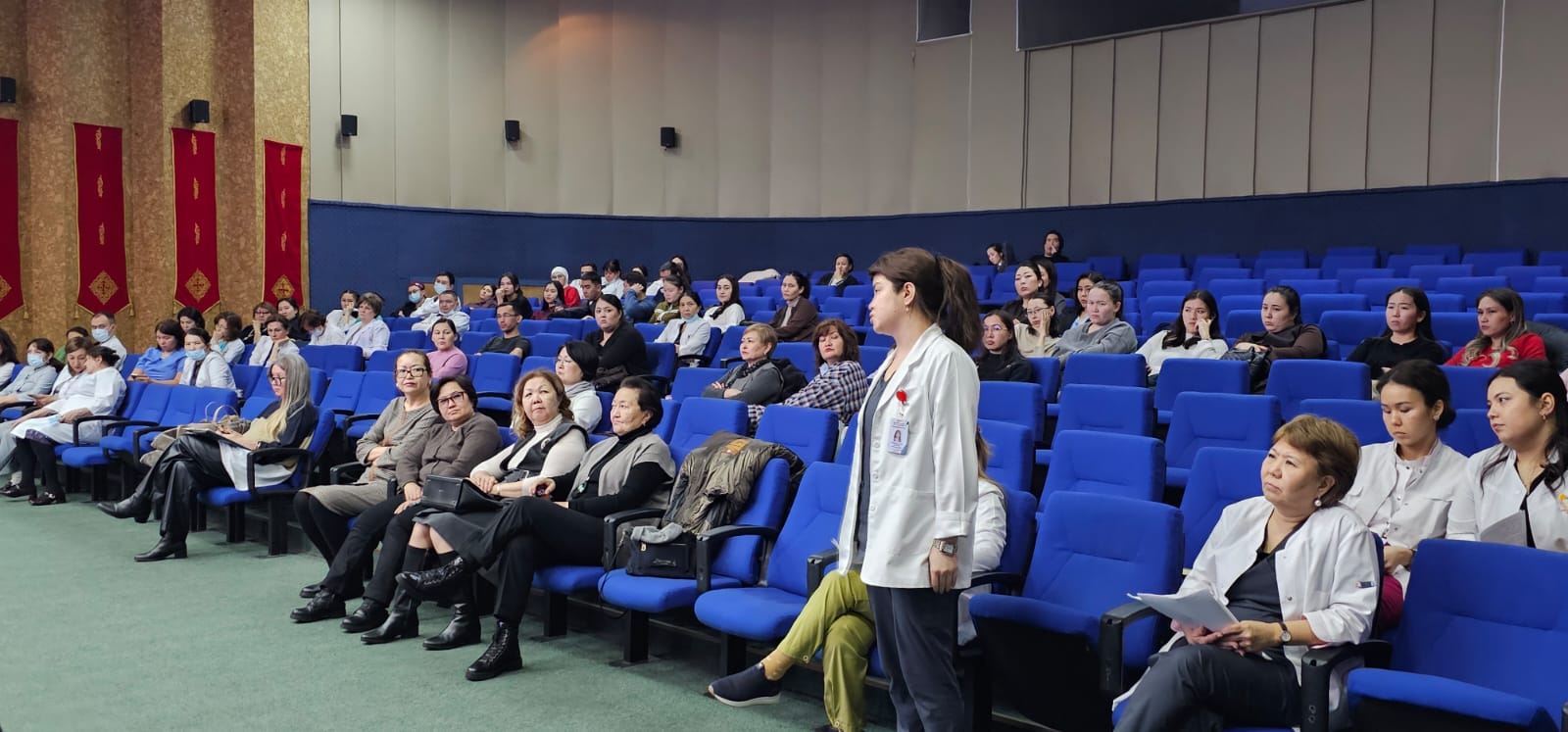
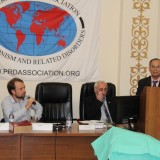
On February 26, 2026, a tutorial on chronic heart failure was held at the National Hospital of the Medical Center of the Presidential Administration of the Republic of Kazakhstan.
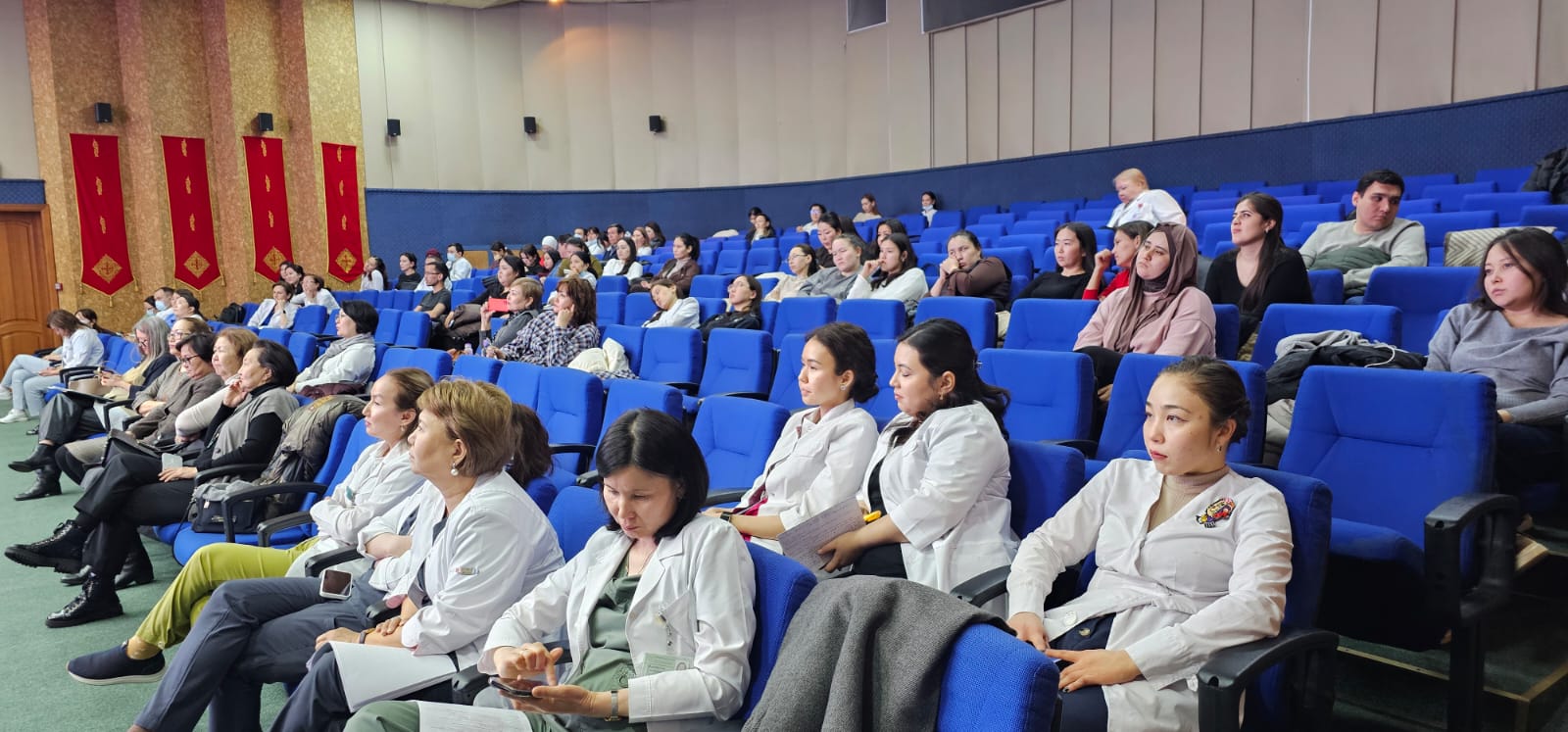
Practicing physicians, staff, and residents of the Department of Internal Medicine participated in the tutorial.
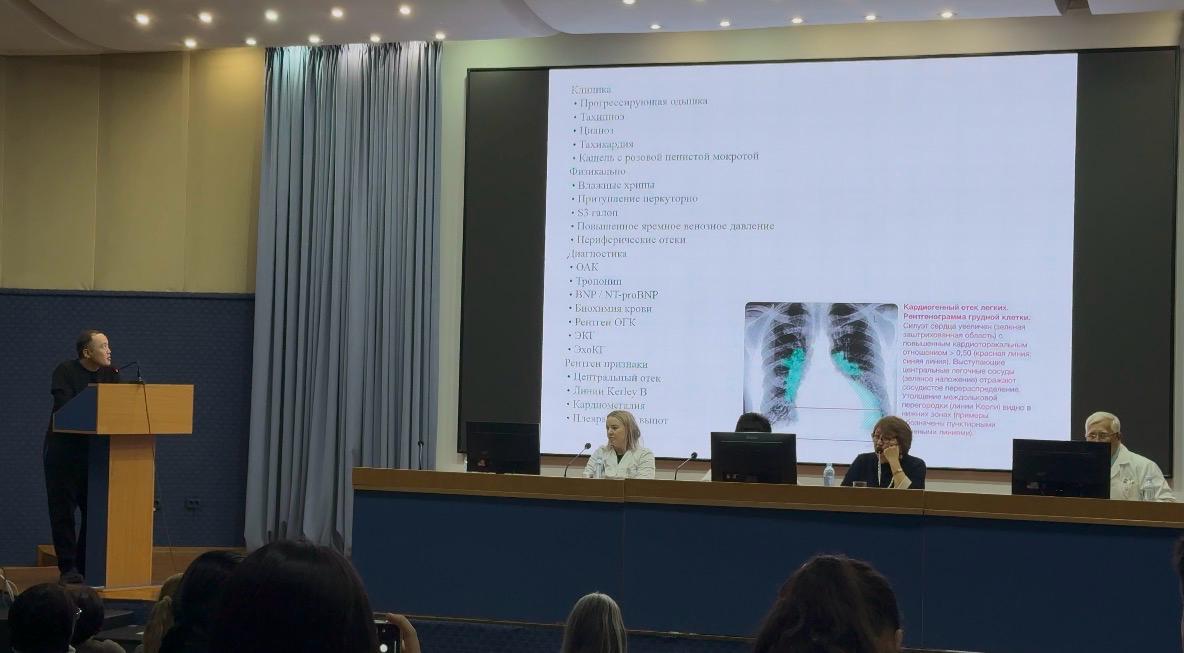
Using clinical cases as examples, participants received step-by-step instructions for diagnosing and treating chronic heart failure in outpatient and inpatient settings. When discussing treatment strategies, the main goal was to maintain continuity of therapy initiated in the hospital at the outpatient level, which was reflected in the selection of clinical cases. The clinical analysis was conducted in the context of the latest recommendations of the European Society of Cardiology.
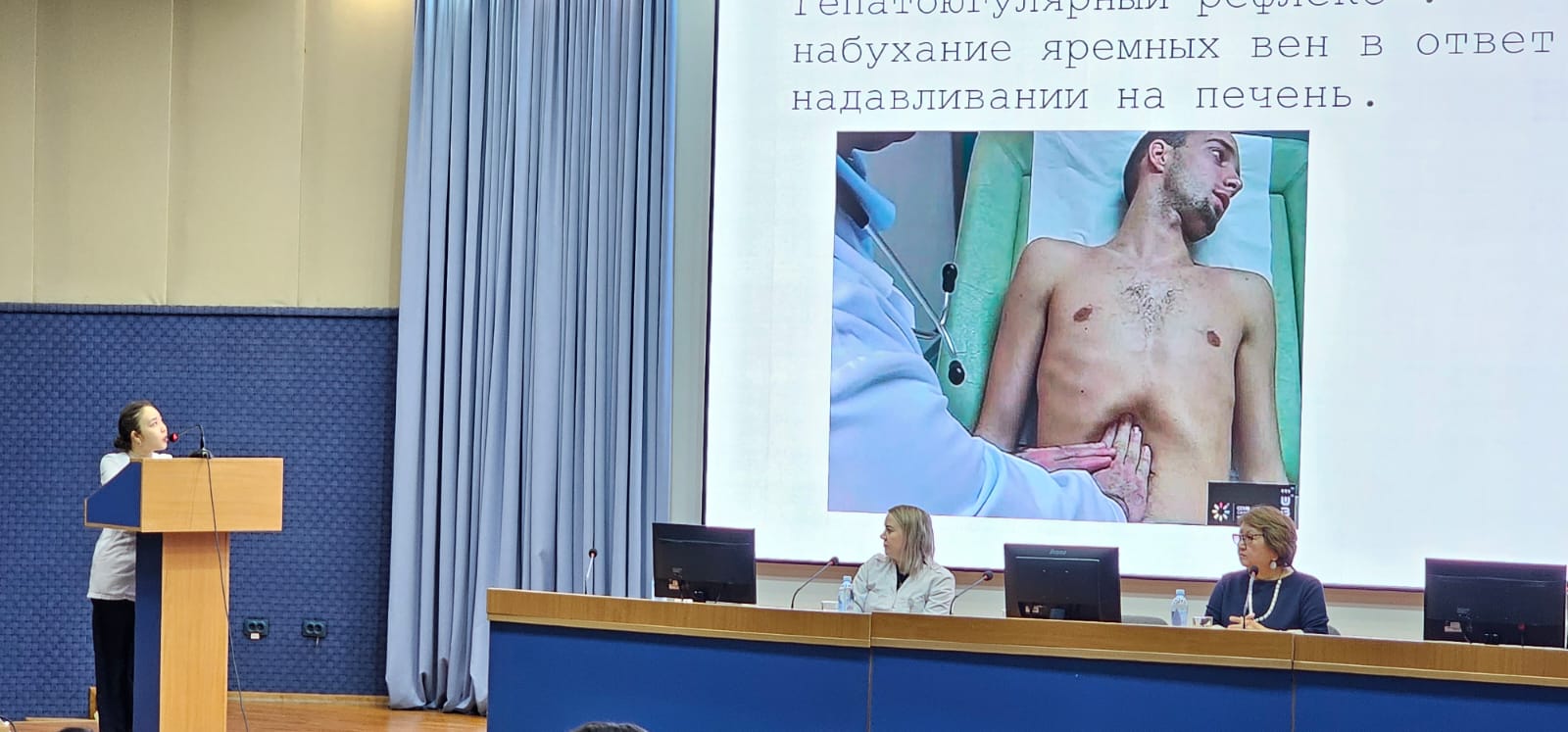
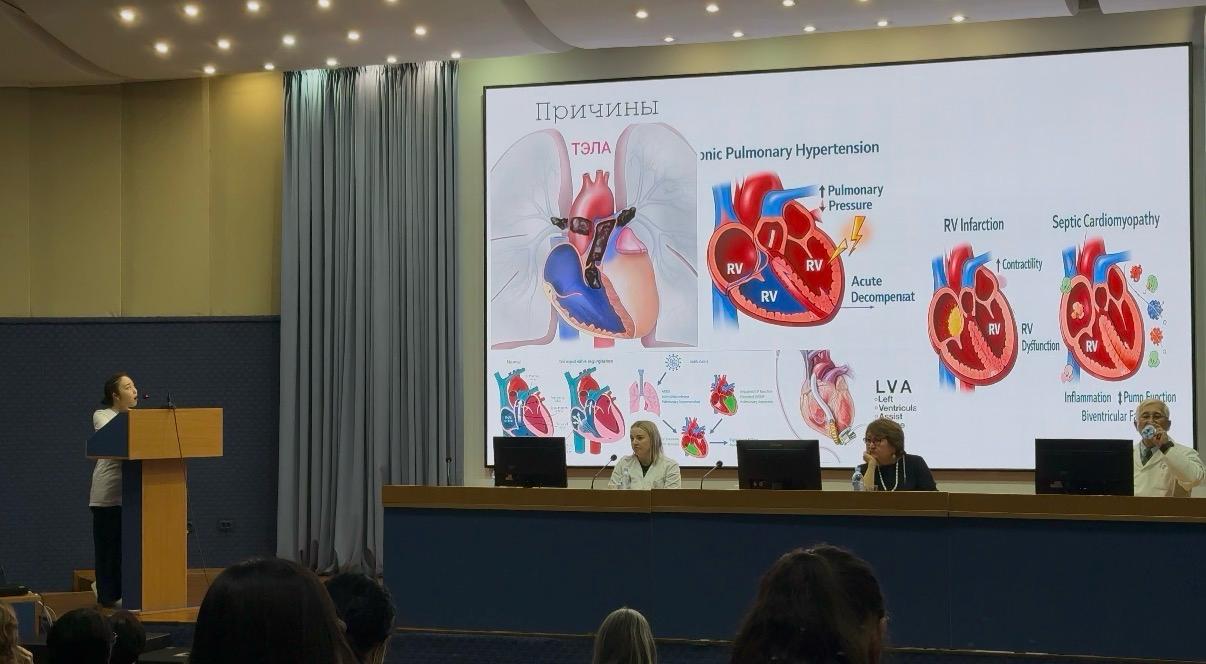
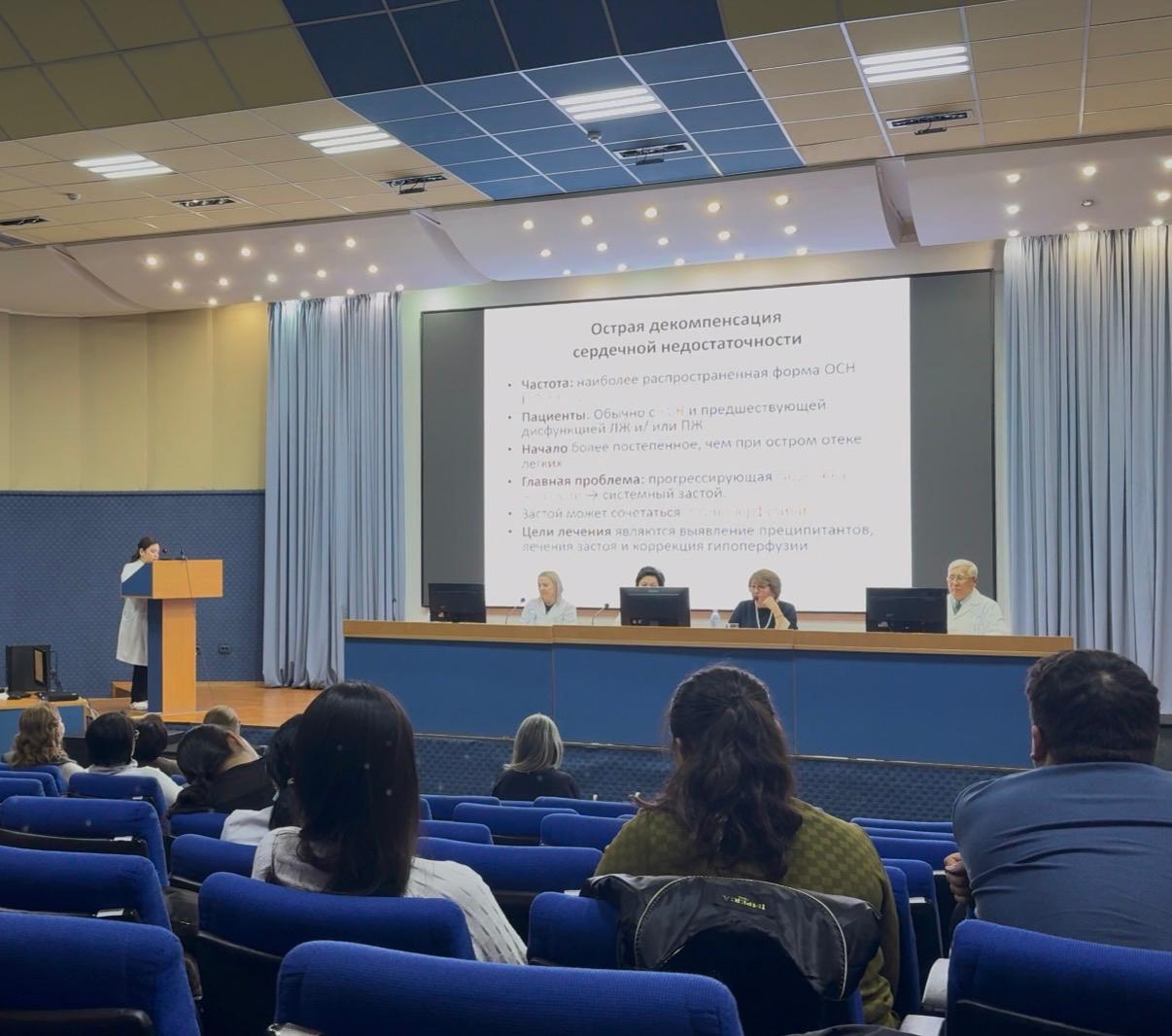
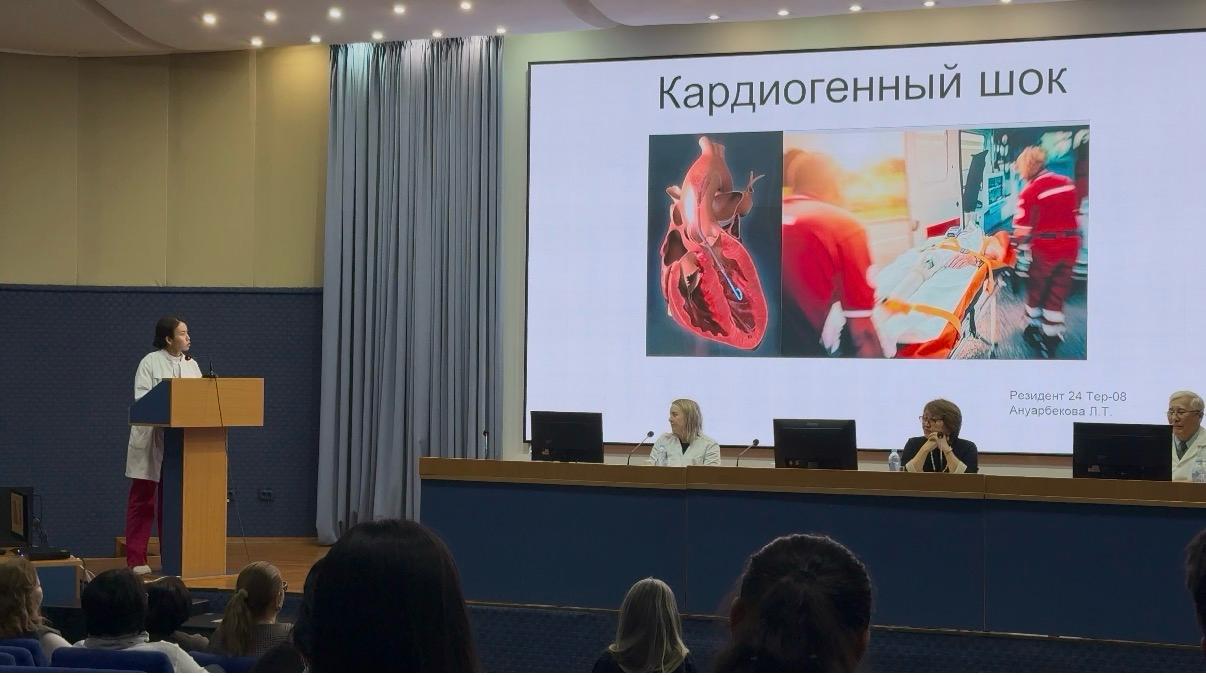
Residents were given the opportunity to share the stage with experienced practicing physicians and professors, delivering short five-minute presentations on key aspects of acute heart failure phenotypes. The following residents presented their reports:
Nafisa Khabibullaeva (24 Ter-13), Nurbek Darkhan (24 Ter-13), Yrysaly Gaziza (25 Ter-08), and Lyazzat Anuarbekova (24 Ter-08).
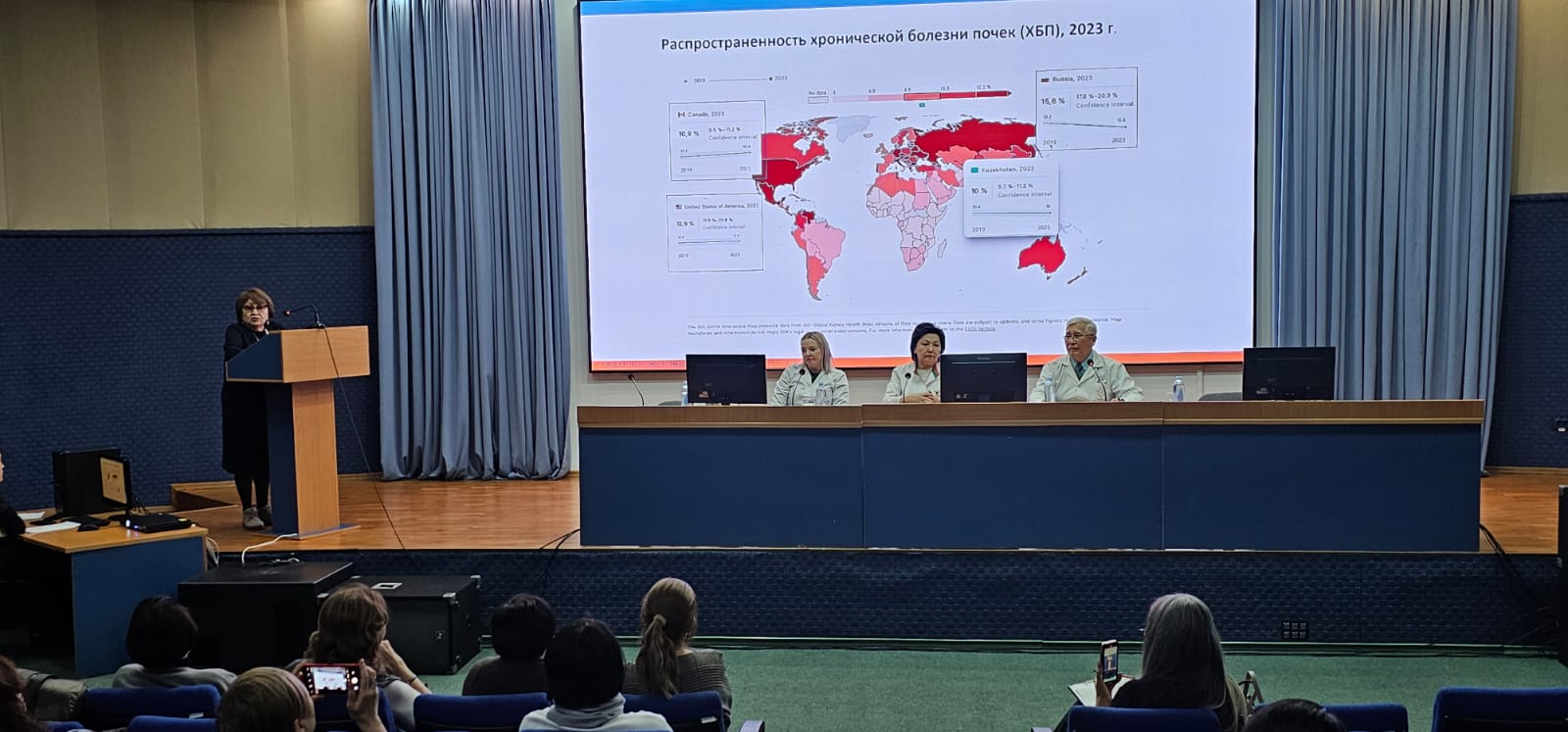
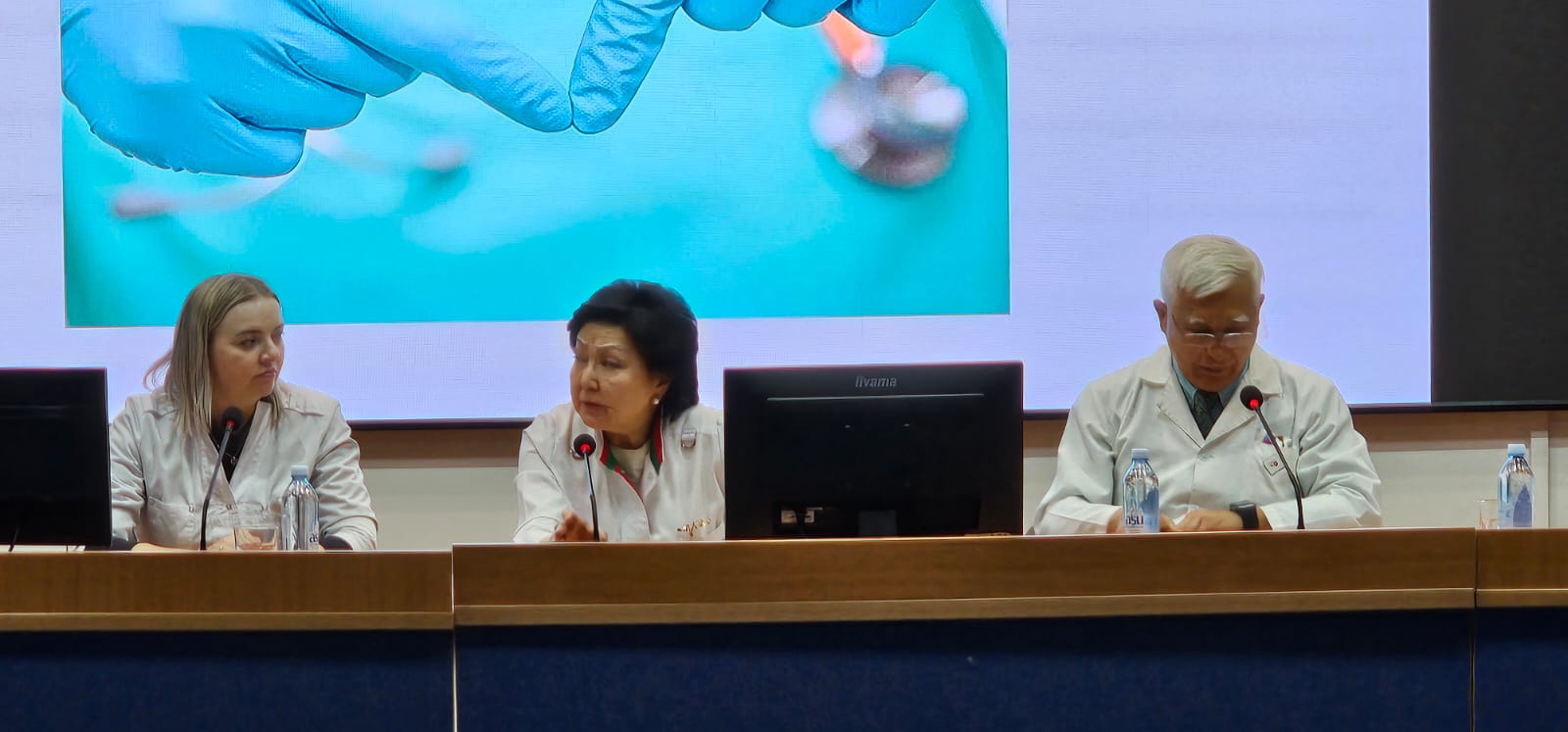
The lectures given by renowned experts provided a special intellectual and scientific focus for the tutorial. Doctor of Medical Sciences, Professor of Nephrology Sultanova Bagdat Gazizovna gave a presentation entitled «CHF and CKD: the cardiorenal continuum. Clinical decisions between the heart and kidneys,“ shed light on the complex interrelationships between cardiac and renal pathology. The lecture by Professor Sugraliev Akhmetzhan Begalievich, Head of the Department, ”What do the EOC recommendations on the management of patients with CHF say?» set important guidelines for further clinical and scientific work.
The approaches and therapeutic strategies discussed in the CHF 360° tutorial can serve as a practical basis for improving the management of patients with CHF and developing scientific initiatives in this field.
The tutorial confirmed the importance of an integrated approach to the diagnosis and treatment of chronic heart failure, as well as the need for continuity of care between inpatient and outpatient settings. The audience was particularly interested in the presentations by residents who had been prepared under the guidance of supervisors A.B. Sugraliev, G.T. Aimakhanova, and G.M. Dabylova. Their reports were concise, comprehensive, and clear, which contributed to the effective communication of key clinical aspects. The experience of this event confirms the value of involving residents in the educational process, and in the future, a series of tutorials on various clinical topics is planned with the active participation of young specialists, which will contribute to the development of their professional competencies and strengthen interaction between the scientific and practical communities.
The event was implemented in line with the Sustainable Development Goals (SDGs):
SDG 3 – Good Health and Well-being: improving the quality of medical care for patients with CHF.
SDG 4 – Quality Education: strengthening clinical thinking and developing the professional competencies of resident therapists.