Safety and Quality of Medical Care: Priorities of Modern Medical Practice
The training of highly qualified physicians is one of the key objectives of modern medical education. In the context of a rapidly developing healthcare system, special importance is attached not only to forming deep professional knowledge in future specialists, but also to developing a culture of safety, responsibility, and a patient-centered approach. Modern medicine is characterized by the continuous updating of scientific data, the introduction of innovative technologies, and the strict adherence to international quality standards. This makes patient safety and the effectiveness of medical care top priorities in a physician’s practical activities.
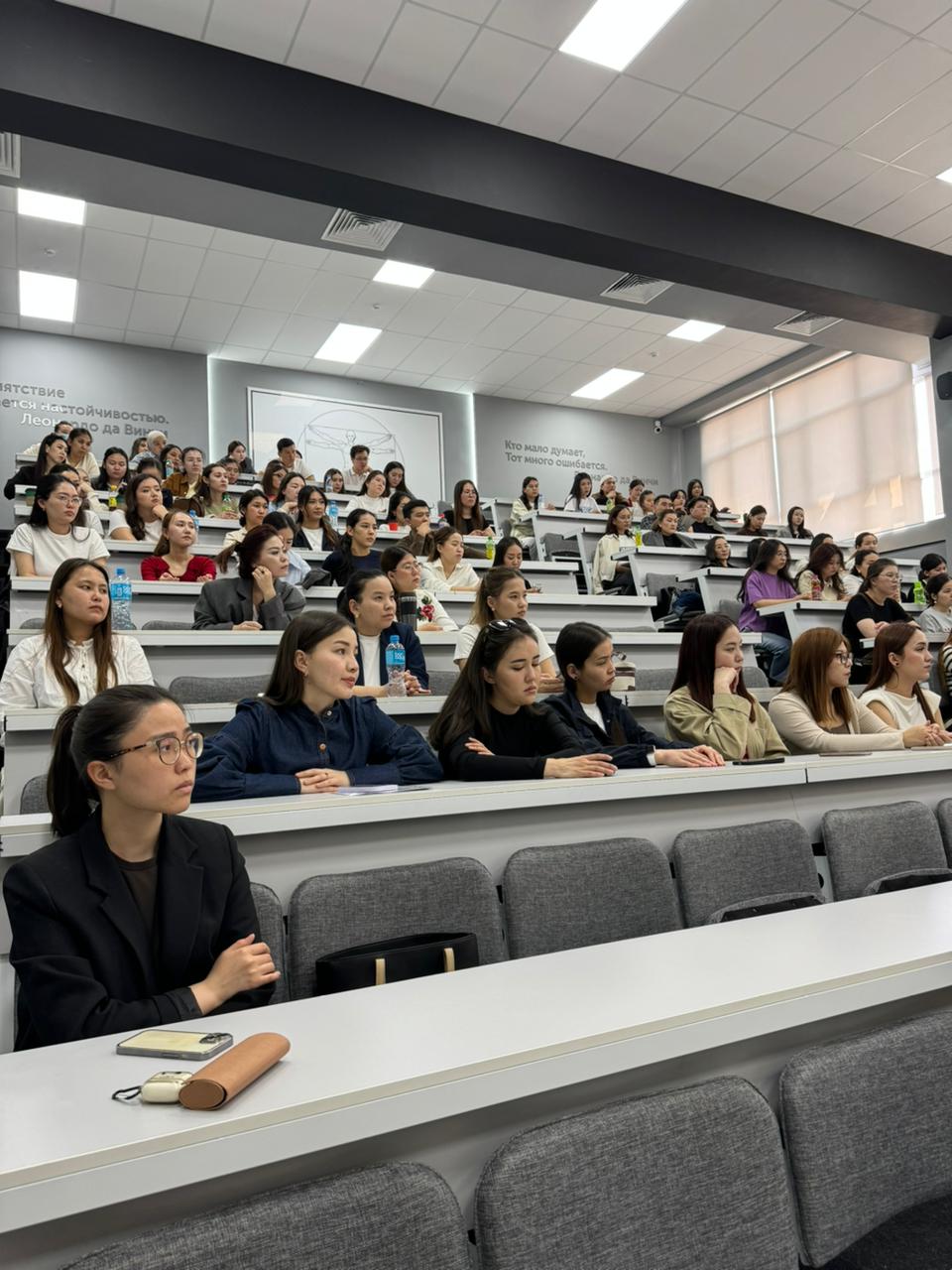
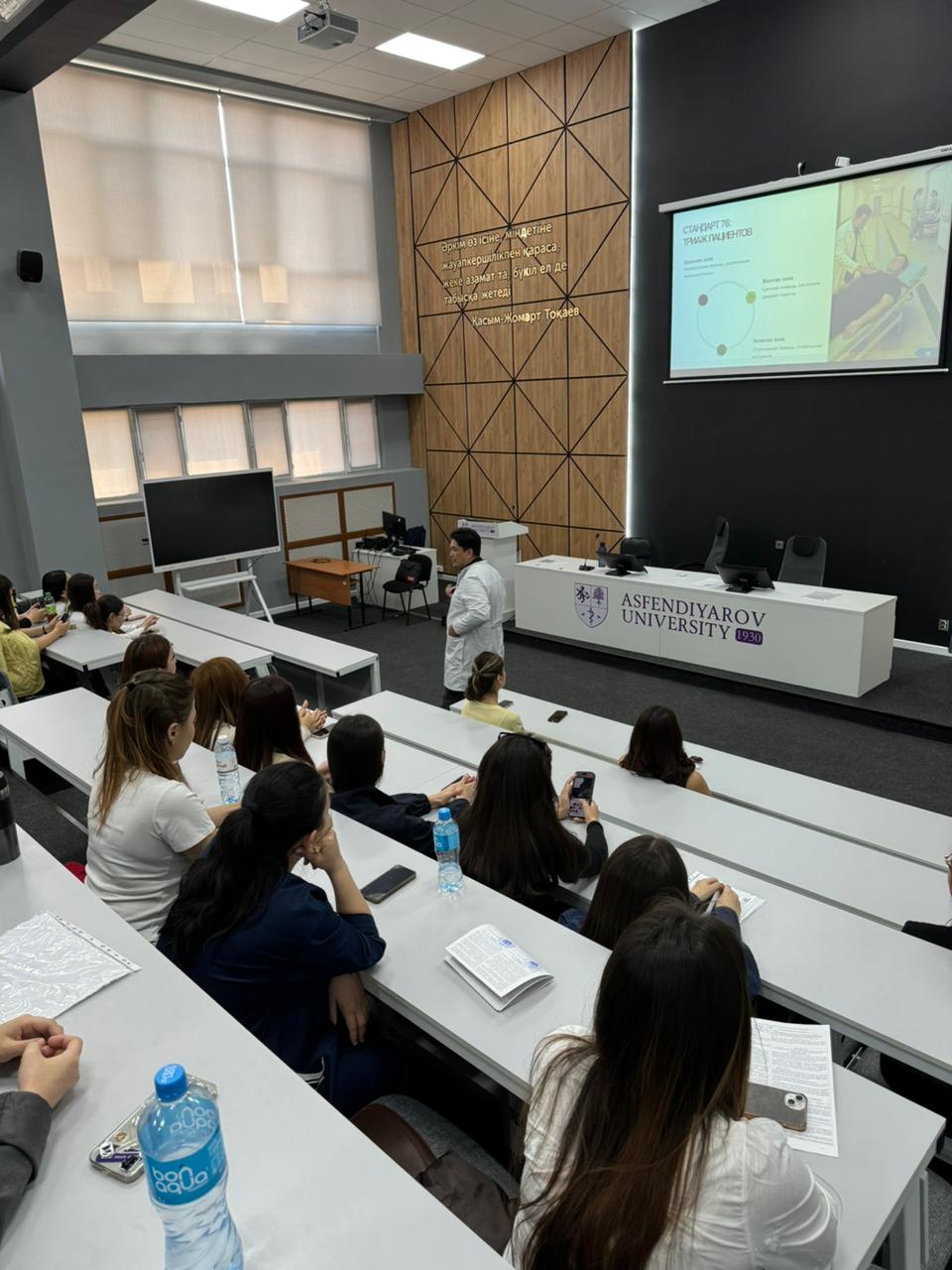
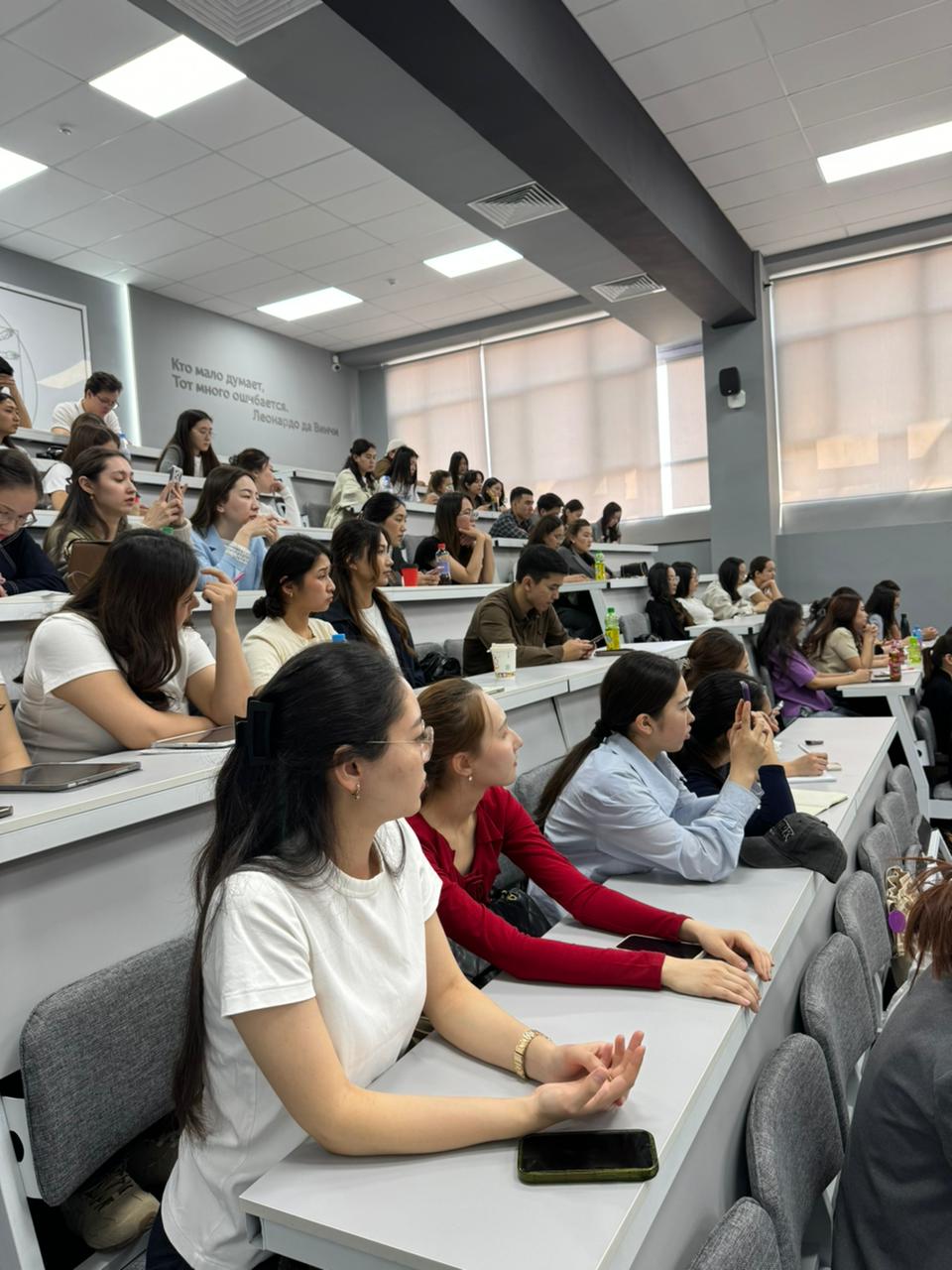
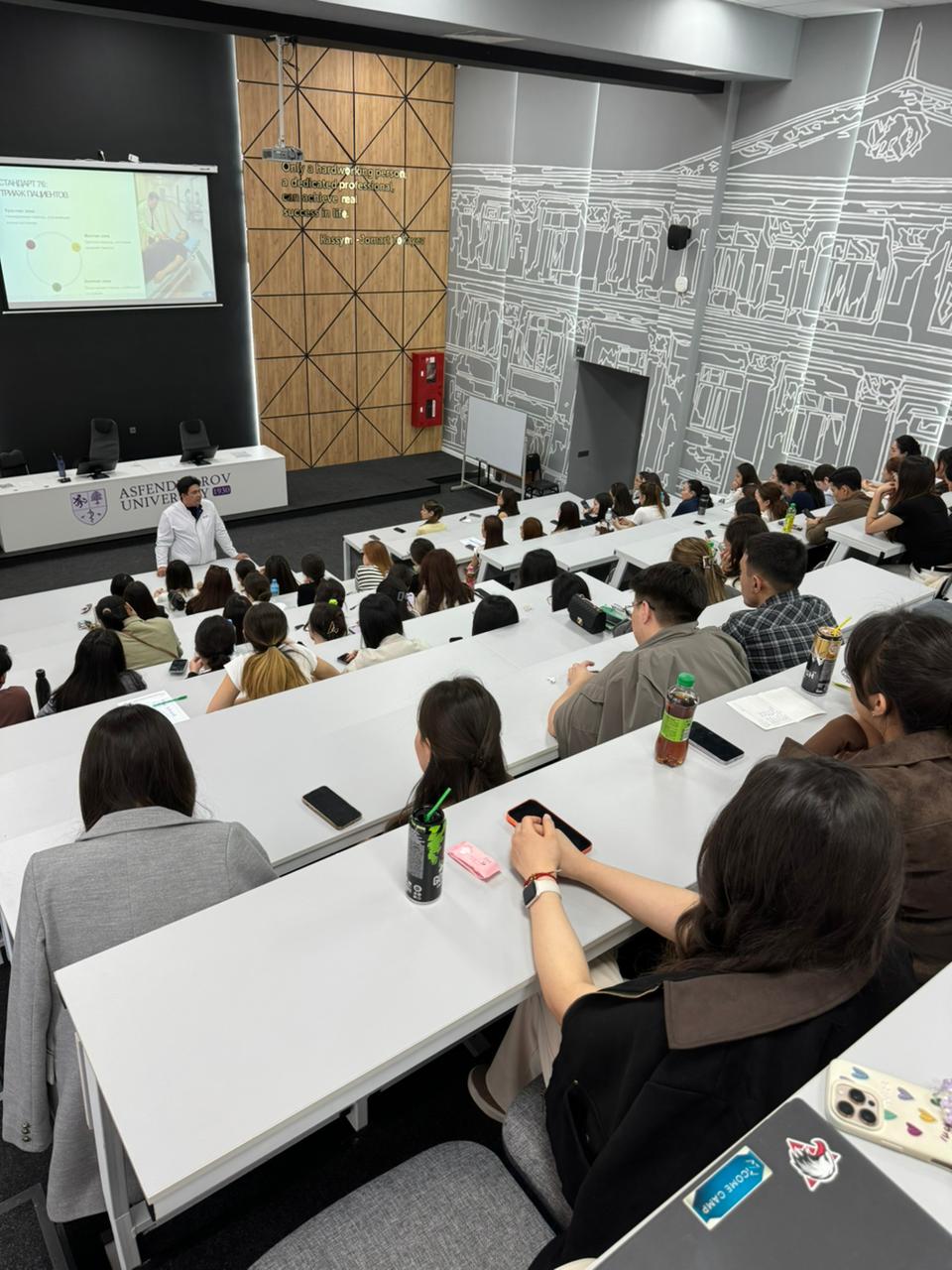
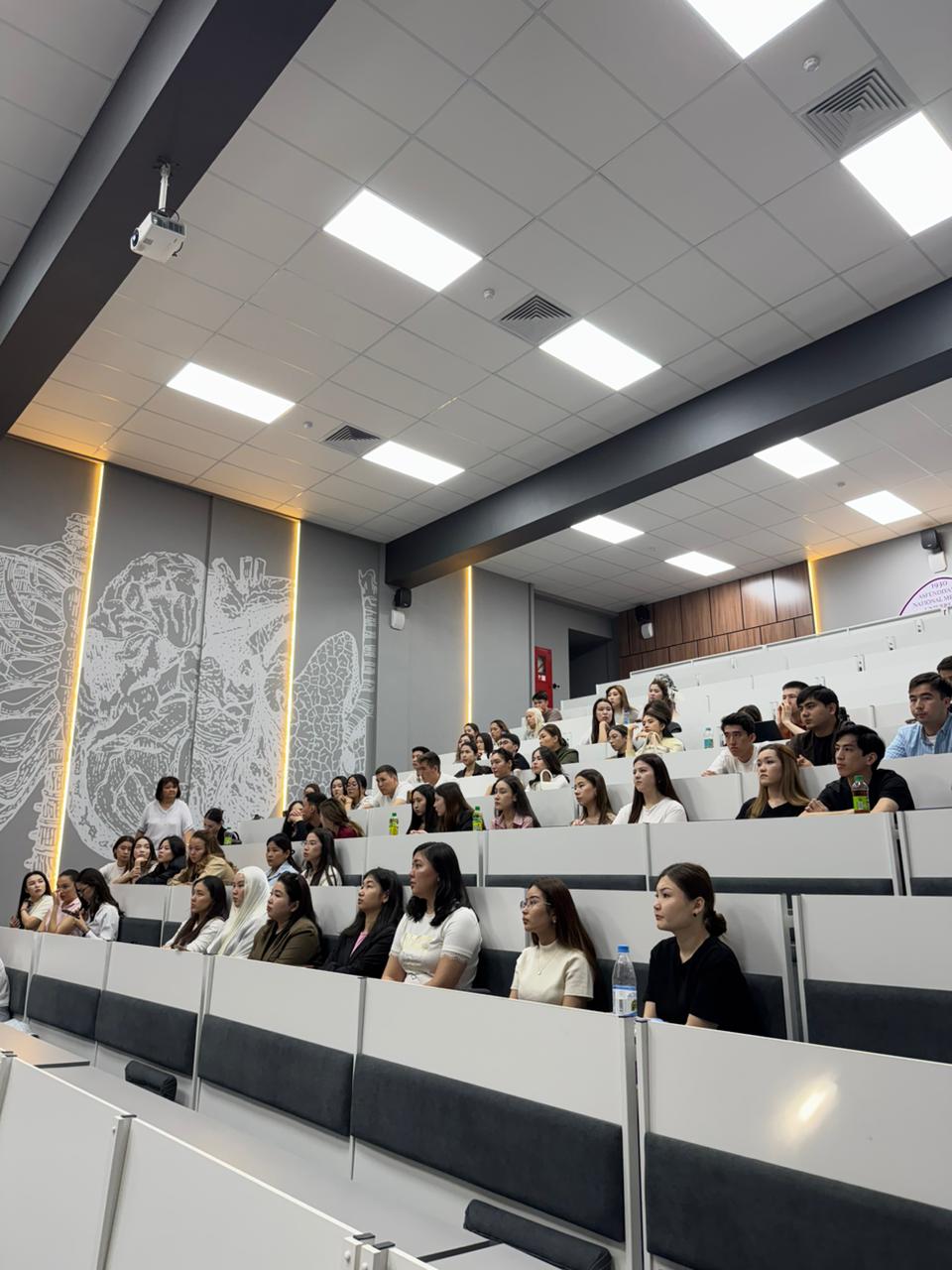
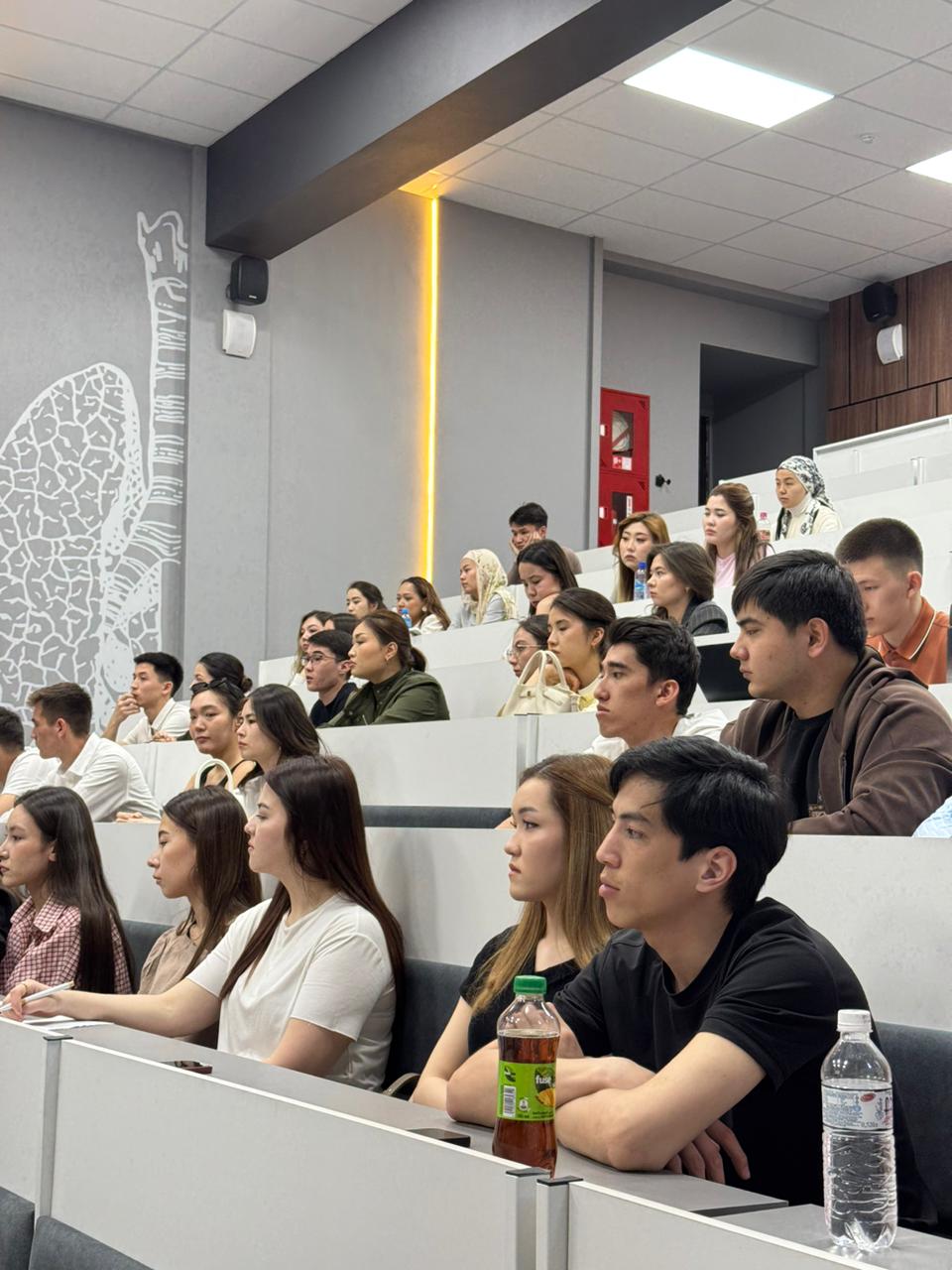
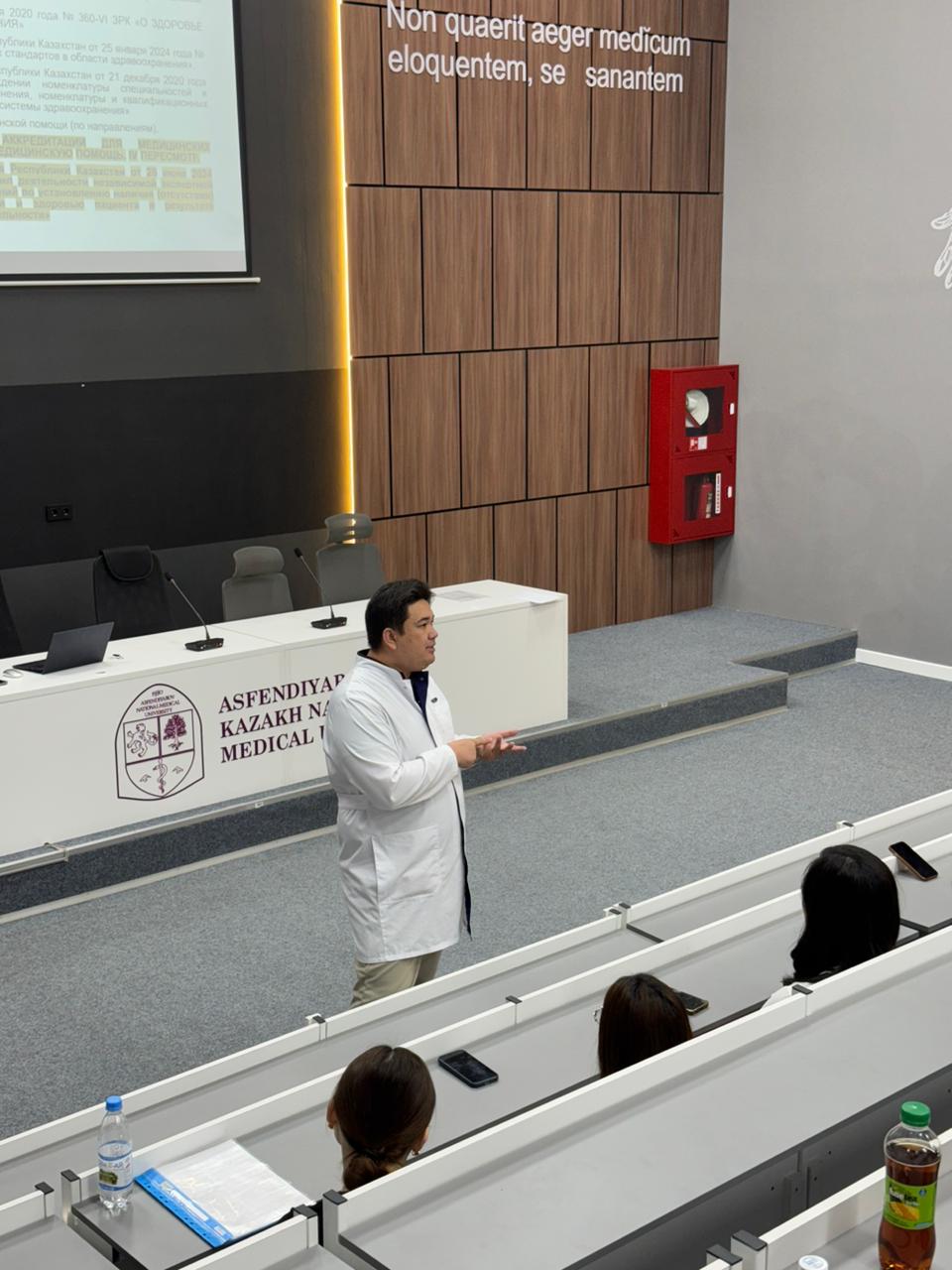
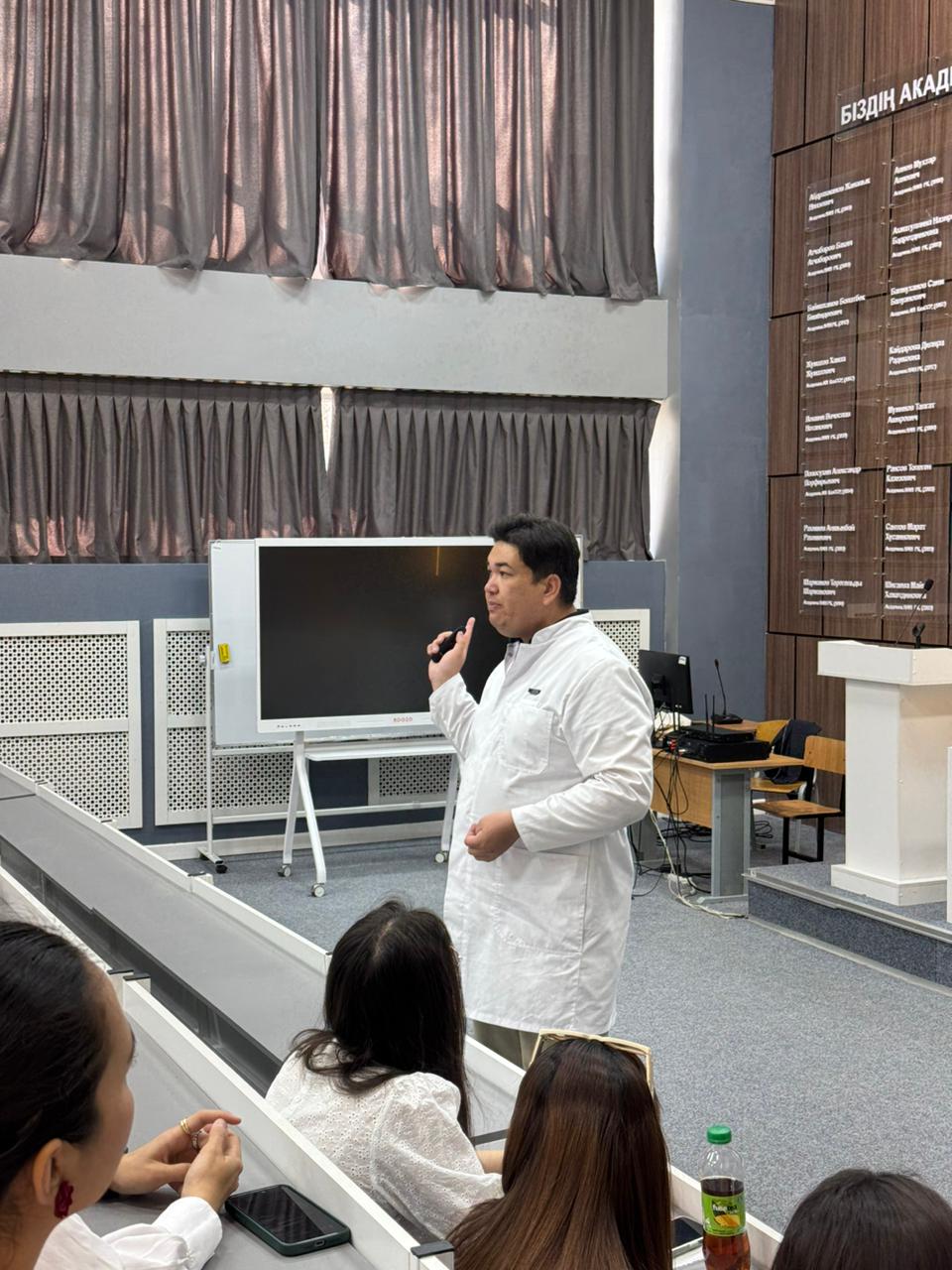
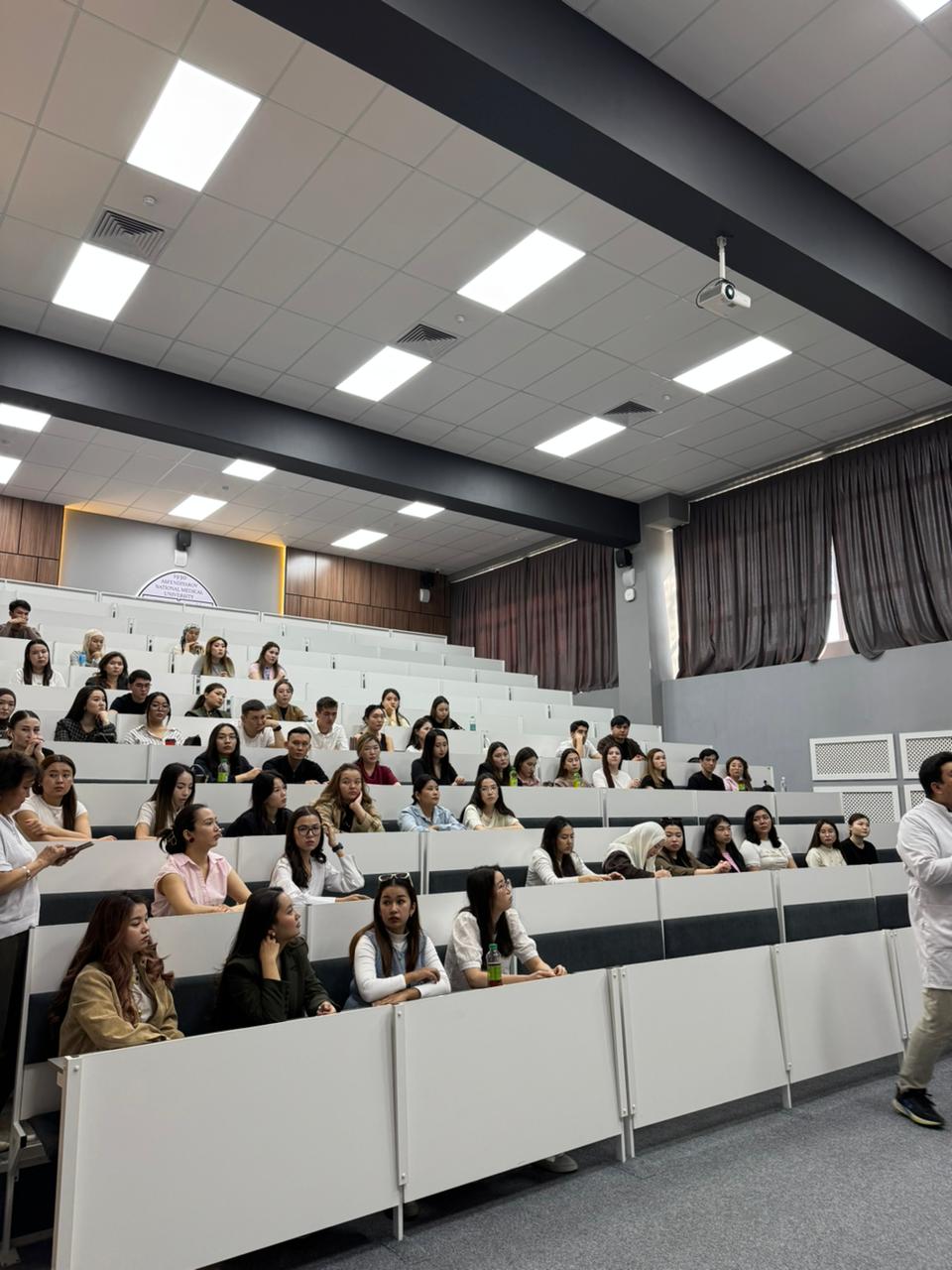
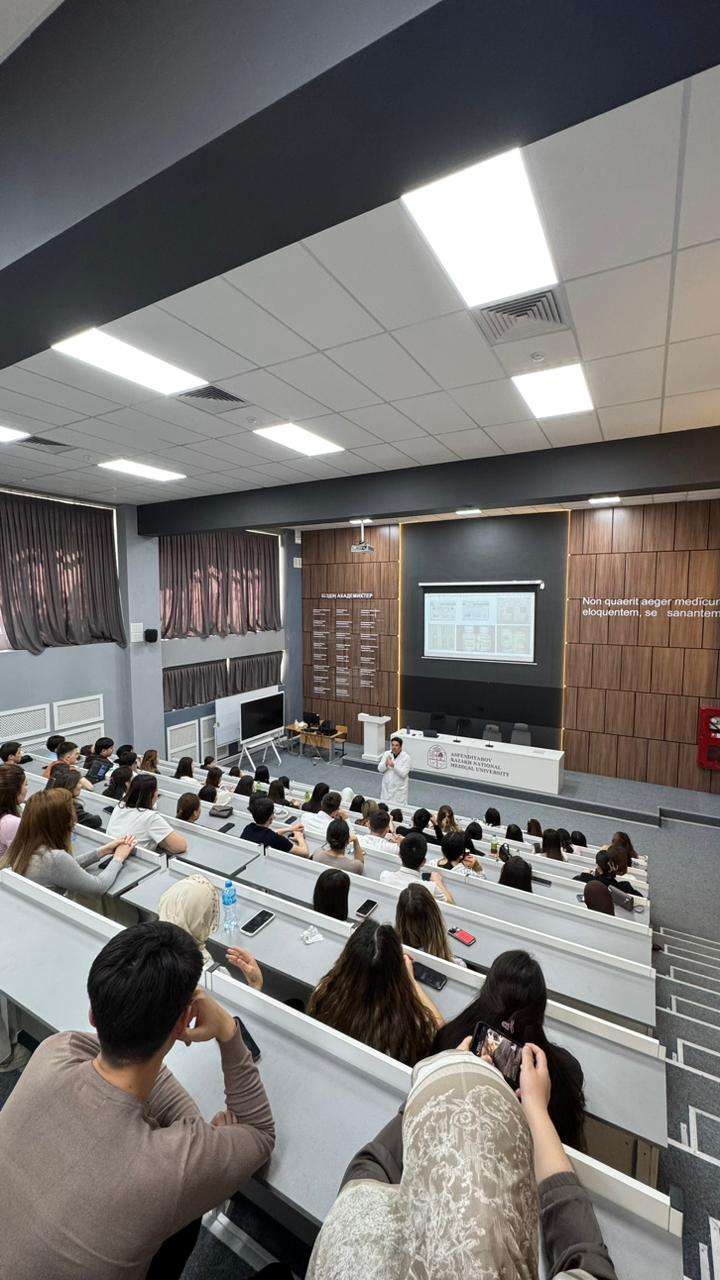
In order to develop these competencies, the Department of Anesthesiology and Intensive Care No. 1 organized a series of lectures for first-year interns in the specialties of “General Practice,” “Therapy,” “Surgery,” and “Obstetrics and Gynecology.” The lectures were held from March 30 to April 2, 2026. The training was aimed at developing a systematic understanding of patient safety principles, healthcare quality standards, and modern approaches to organizing medical practice. During the lectures, key issues were addressed, including the safety and quality of medical care from theoretical foundations to practical application, quality standards in the healthcare system, and the importance of patient-centeredness and a culture of professional interaction as the basis for effective and accessible medical care.
Special attention was paid to international approaches to ensuring patient safety, particularly the six key goals: correct patient identification, effective communication of verbal information, safe handling of high-risk medications, preoperative verification and the “time-out” procedure, adherence to hand hygiene, and prevention of patient falls. Interns were thoroughly informed about the mechanisms for implementing these principles in daily clinical practice, with an emphasis on fostering a culture of safety in which the prevention of medical errors is considered a systemic task of the entire healthcare team.
Within the framework of the lecture series, issues of informed voluntary consent for medical intervention, as well as the legal and ethical aspects of refusal of treatment, were also covered. In addition, professional barriers faced by physicians in their practice—including communicative, organizational, and psychological challenges—were discussed. Significant attention was given to developing skills for effective interaction with patients and colleagues, as well as to the principles of teamwork and interdisciplinary collaboration, which are integral components of modern medical practice. Furthermore, topics such as the organization of integrated healthcare, ensuring continuity at different levels of medical service delivery, and the implementation of triage systems as a tool for rational resource allocation and improving the efficiency of healthcare organizations were examined.
The lectures were delivered by Ermekbay Aibek Amanzholuly, Assistant of the Department of Anesthesiology and Intensive Care No. 1 and an expert in national accreditation. During the sessions, he emphasized the practical significance of the topics discussed, provided examples from real clinical practice, analyzed common errors, and demonstrated effective algorithms for their prevention. He repeatedly stressed that the development of a culture of safety and personal responsibility among physicians is the foundation of high-quality healthcare.
The conducted lectures generated strong interest among interns and contributed to their active engagement in the educational process: participants took part in discussions, analyzed clinical cases, asked questions, and proposed their own solutions. This format not only deepened theoretical knowledge but also helped develop clinical thinking, communication skills, and professional confidence.
The relevance of this lecture series is обусловлена современными требованиями системы здравоохранения, в которой качество и безопасность медицинской помощи становятся ключевыми приоритетами. The knowledge gained and the skills developed will contribute to the training of competent general practitioners capable of providing effective, safe, and patient-centered medical care in the context of modern clinical practice.