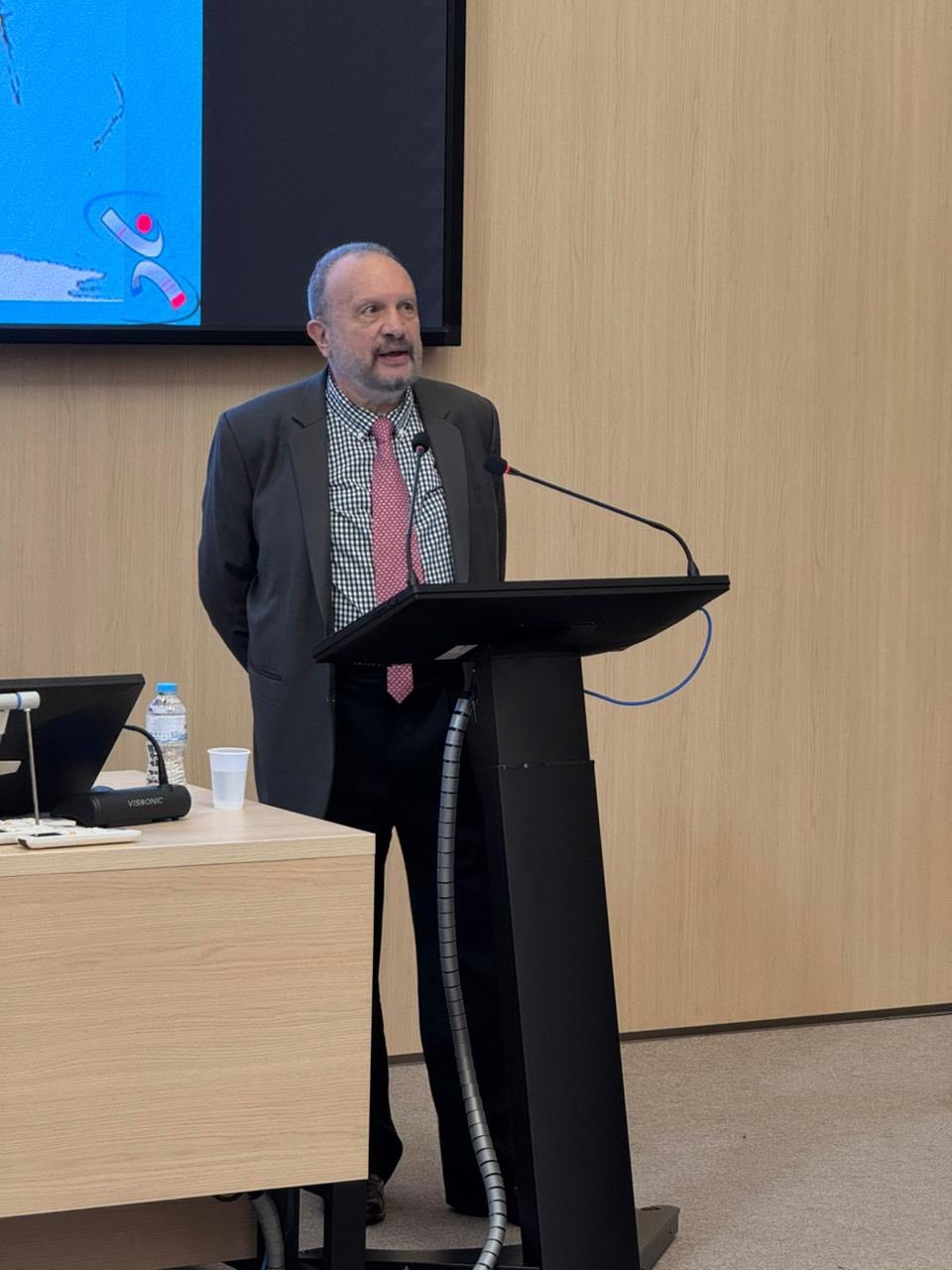
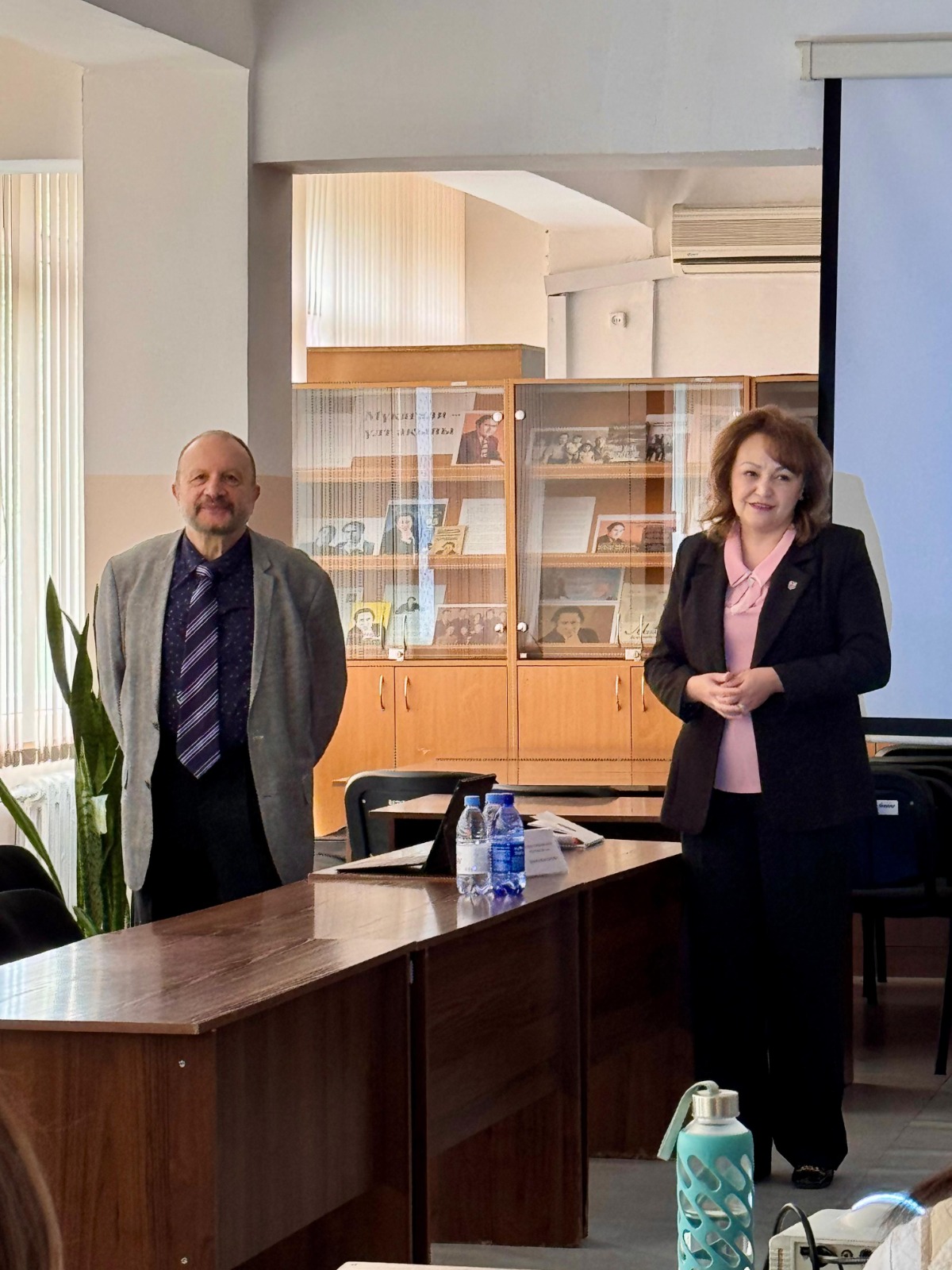
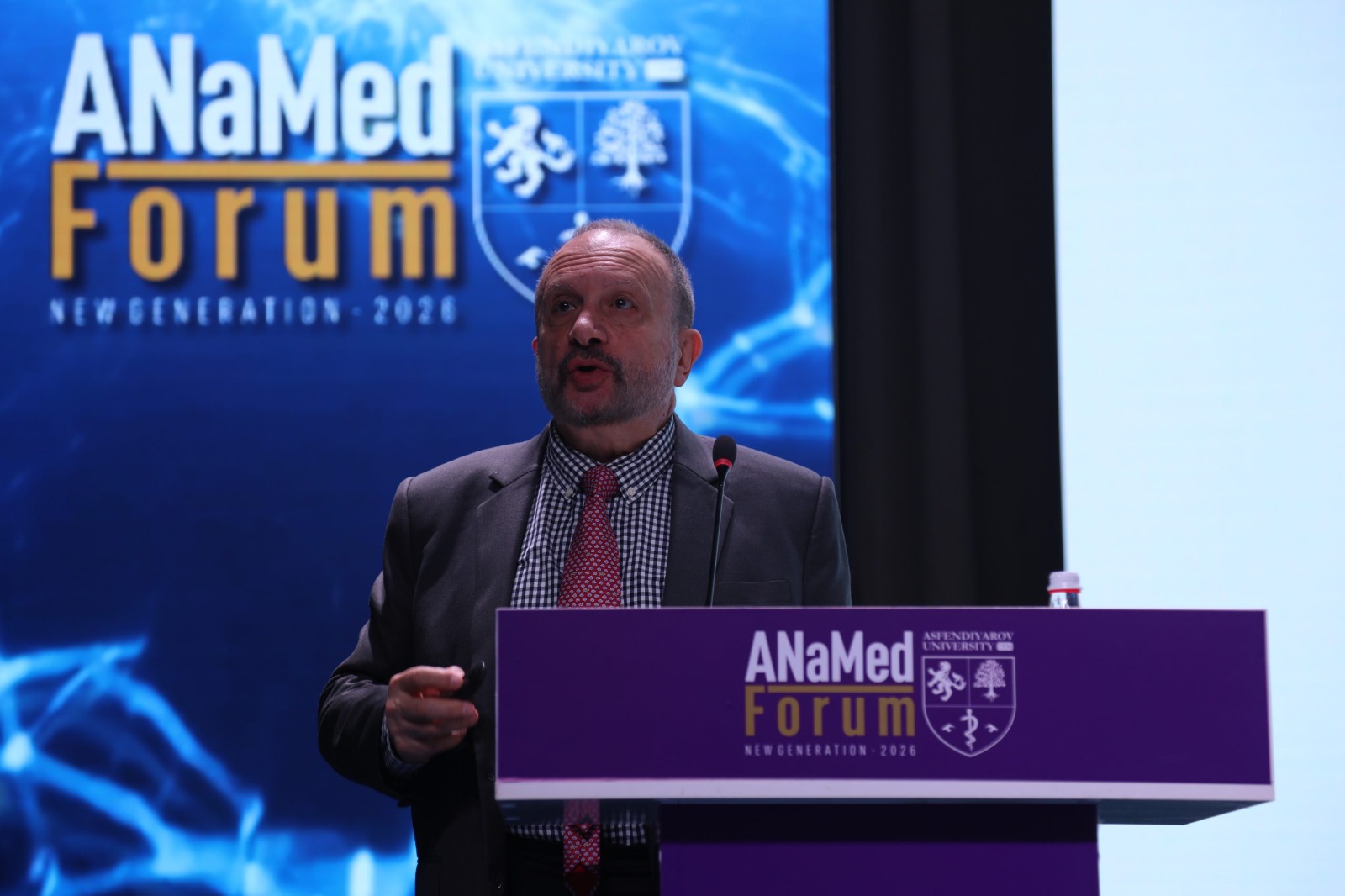
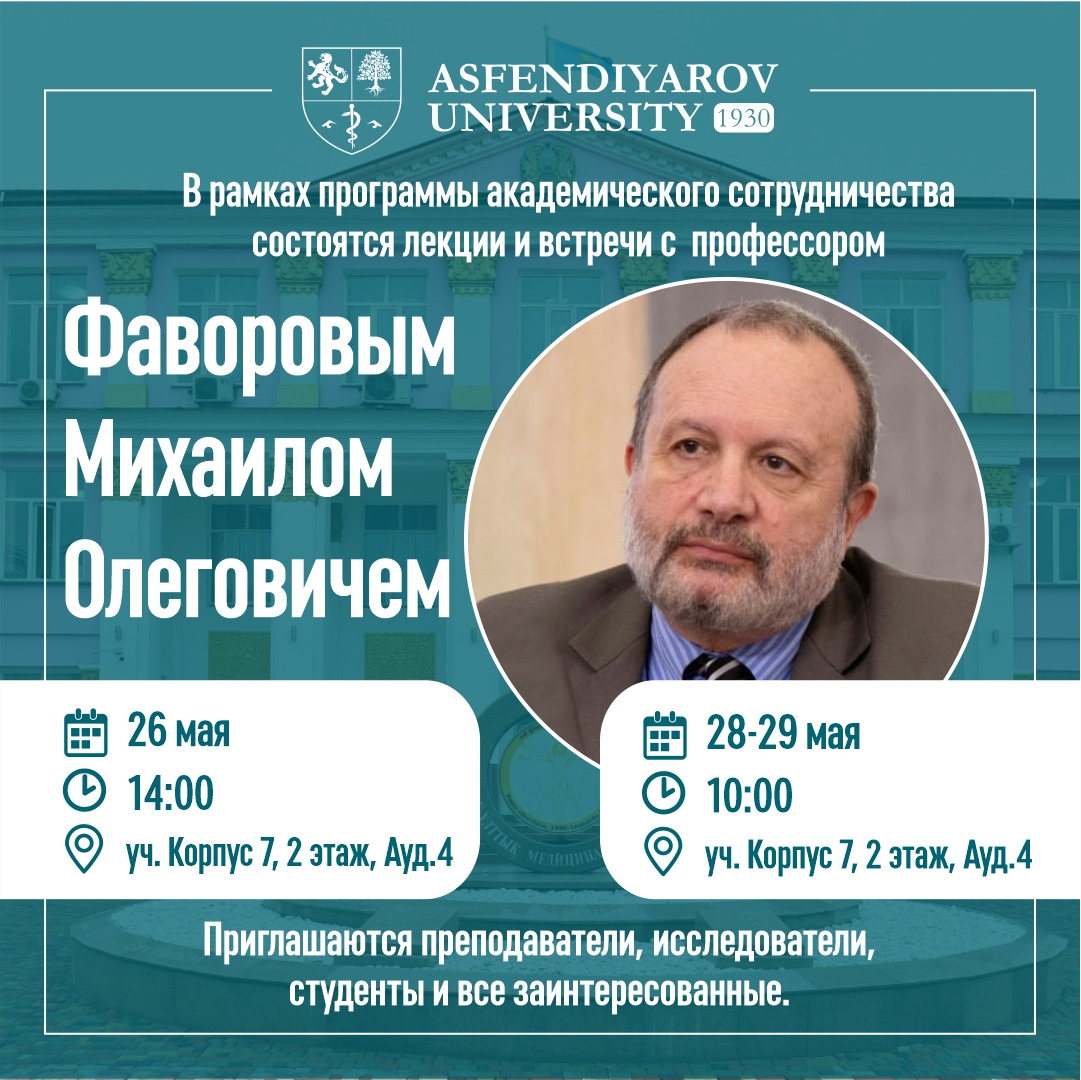
Lectures by professor M.O. FAVOROV (USA) on public health, epidemiology and vaccines
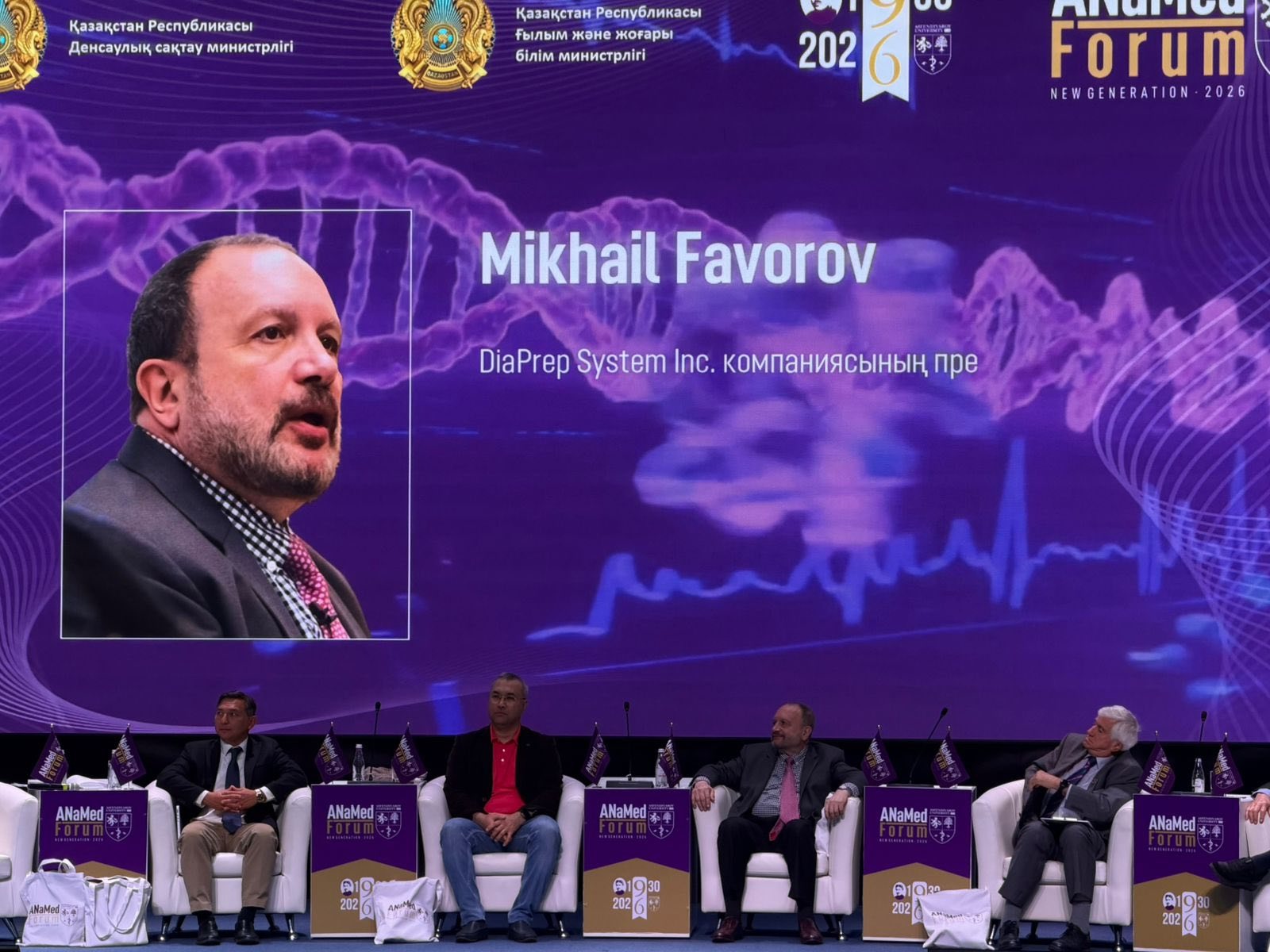
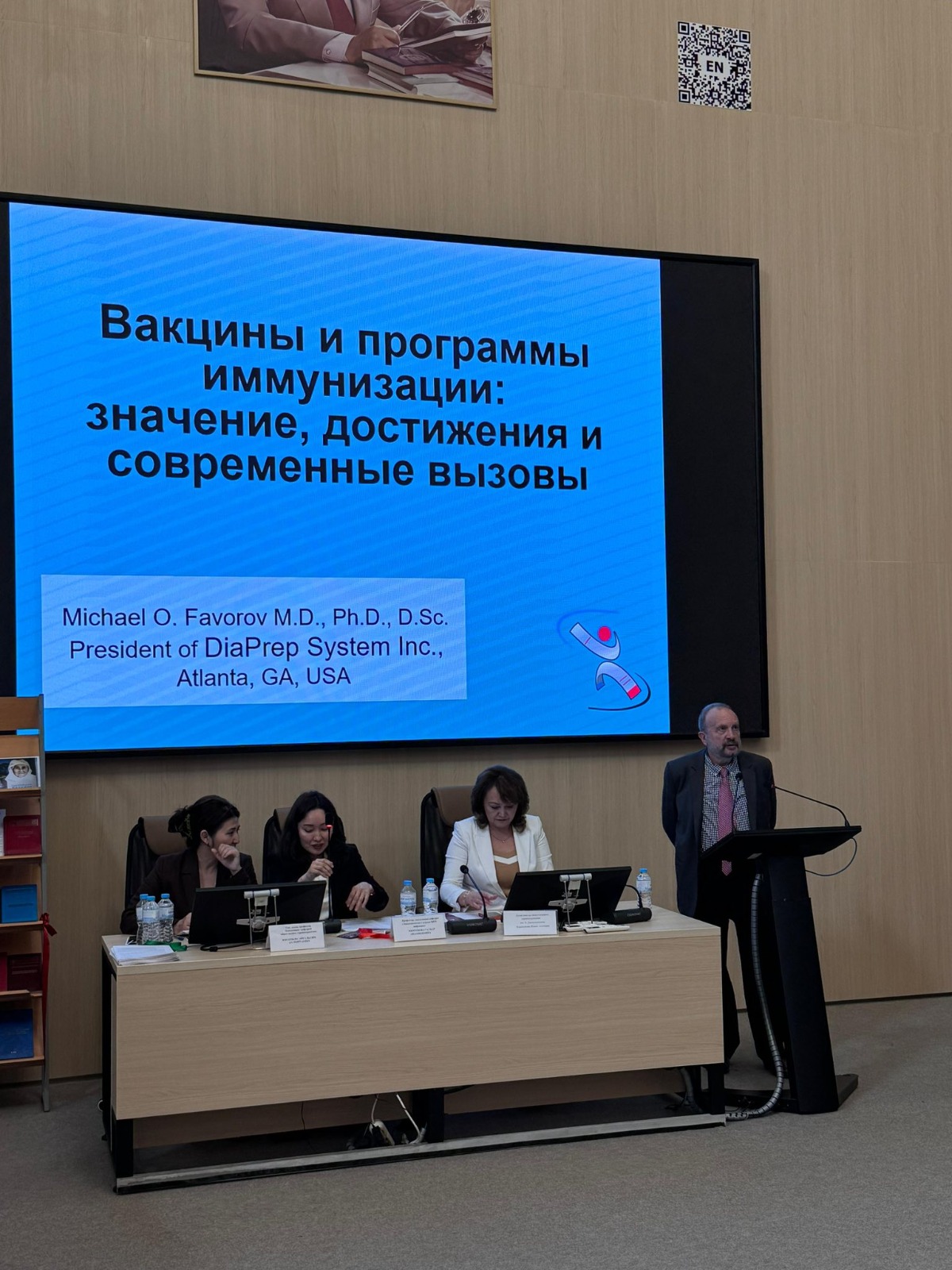
As part of the academic cooperation programme and the AnaMedForum – New Generation 2026 international forum, lectures and masterclasses were held at S.D. Asfendiyarov Kazakh National Medical University from 19 to 30 May by Mikhail Olegovich Favorov (MD, PhD, DSc, USA) – an international expert in the fields of epidemiology, public health and laboratory diagnostics.
Professor Favrov’s visit to KazNMU as part of the academic mobility programme was organised by the Dean’s Office of the School of Public Health and the Department of Epidemiology with a course on HIV infection and infection control.
Dr Mikhail Olegovich Favorov, Professor of Medical Sciences, is a leading world-class specialist in the field of public health and epidemiology, having devoted more than 40 years to the study and prevention of infectious diseases in various regions of the world — from rare forms of hepatitis in Central Asia to typhoid fever in Kenya and Mali.
Dr Favorov delivered lectures on how global changes, pandemics and the development of artificial intelligence are influencing modern epidemiology and the healthcare system. Topics discussed included epidemiological safety, modern approaches to vaccination and international experience in responding to infectious threats.
In the 1970s and 1980s, M.O. Favorov worked at the D.I. Ivanovsky Institute of Virology in Moscow, where he specialised in the epidemiology of viral hepatitis and the development of immunodiagnostic tests.
In the 1990s, he worked at the CDC in Atlanta, focusing in particular on viral hepatitis. From 1991 to 1998, he was a research scientist in the CDC’s hepatitis control division, and from 1998 to 2000, he served as a Senior Service Fellow at the CDC.
From 2000 to 2008, M.O. Favorov served as the CDC’s Regional Director for Central Asia. He led CDC programmes in Kazakhstan, Kyrgyzstan, Uzbekistan, Turkmenistan and Tajikistan related to surveillance, laboratory systems, tuberculosis, HIV, viral hepatitis and other infectious diseases.
From 2008 to 2011, he served as Deputy Director General of the International Vaccine Institute in Seoul, South Korea, and participated in programmes to study the burden of vaccine-preventable diseases and the introduction of vaccines in Asian and African countries.
Since 2018, M.O. Favorov has been President of DiaPrep System Inc. in Atlanta; his professional profile also lists him as Chief Scientific Officer of Turklab in Turkey since 2019.
Favoro’s main areas of professional interest include viral hepatitis A, B, C, D and E, HIV, tuberculosis, epidemiological surveillance, laboratory diagnostics, investigation of infectious disease outbreaks and vaccination programmes.
For Kazakhstan’s public health system, Mikhail Favorov is more than just an international expert. In the early 2000s, he played a key role in further refining and developing the country’s epidemiological service, introducing external quality assessment of laboratory diagnostics, and launching educational programmes in applied epidemiology and infection control.
Many projects implemented with the support of international partners subsequently became the foundation for the digitalisation of epidemiological monitoring and the training of Kazakhstani specialists. As part of his international activities, the specialist has participated in programmes to combat tuberculosis, HIV infection and viral hepatitis, as well as in projects to develop laboratory diagnostics and strengthen public health systems in Kazakhstan, Kyrgyzstan, Uzbekistan, Tajikistan and Turkmenistan.
M.O. Favorov has been a member of the American Society for Microbiology since 1993 and is the author of over 100 scientific papers and holder of international patents in the field of infectious disease diagnostics.
Mikhail Olegovich headed the USSR National Centre for Viral Hepatitis; described the epidemiology, clinical presentation and outcomes of viral hepatitis E; developed and implemented methods for the serological and molecular diagnosis of hepatitis E, as well as treatments for severe forms of hepatitis E, leading to a significant reduction in mortality among pregnant women.