18th International Congress “Neurorehabilitation”
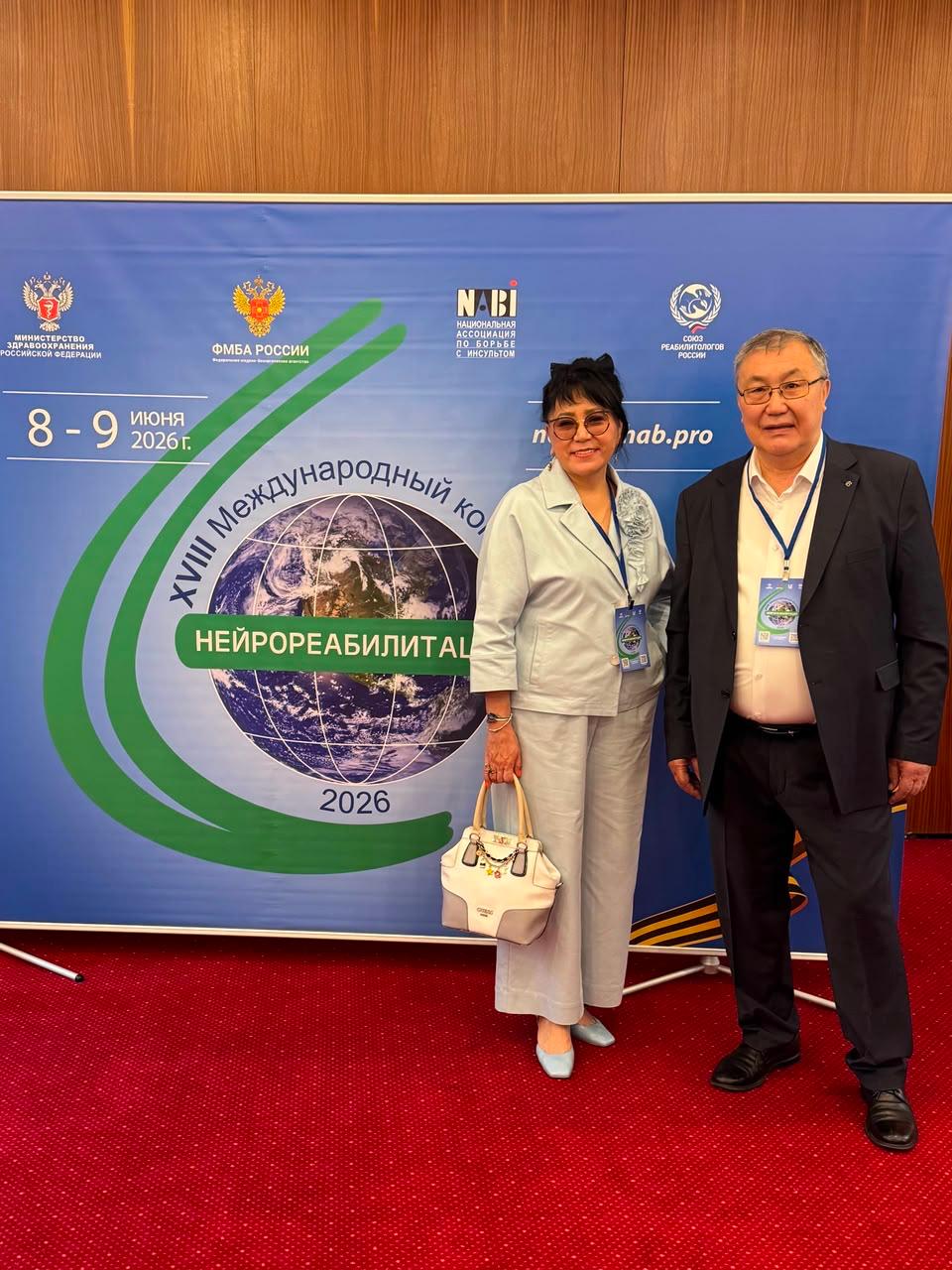
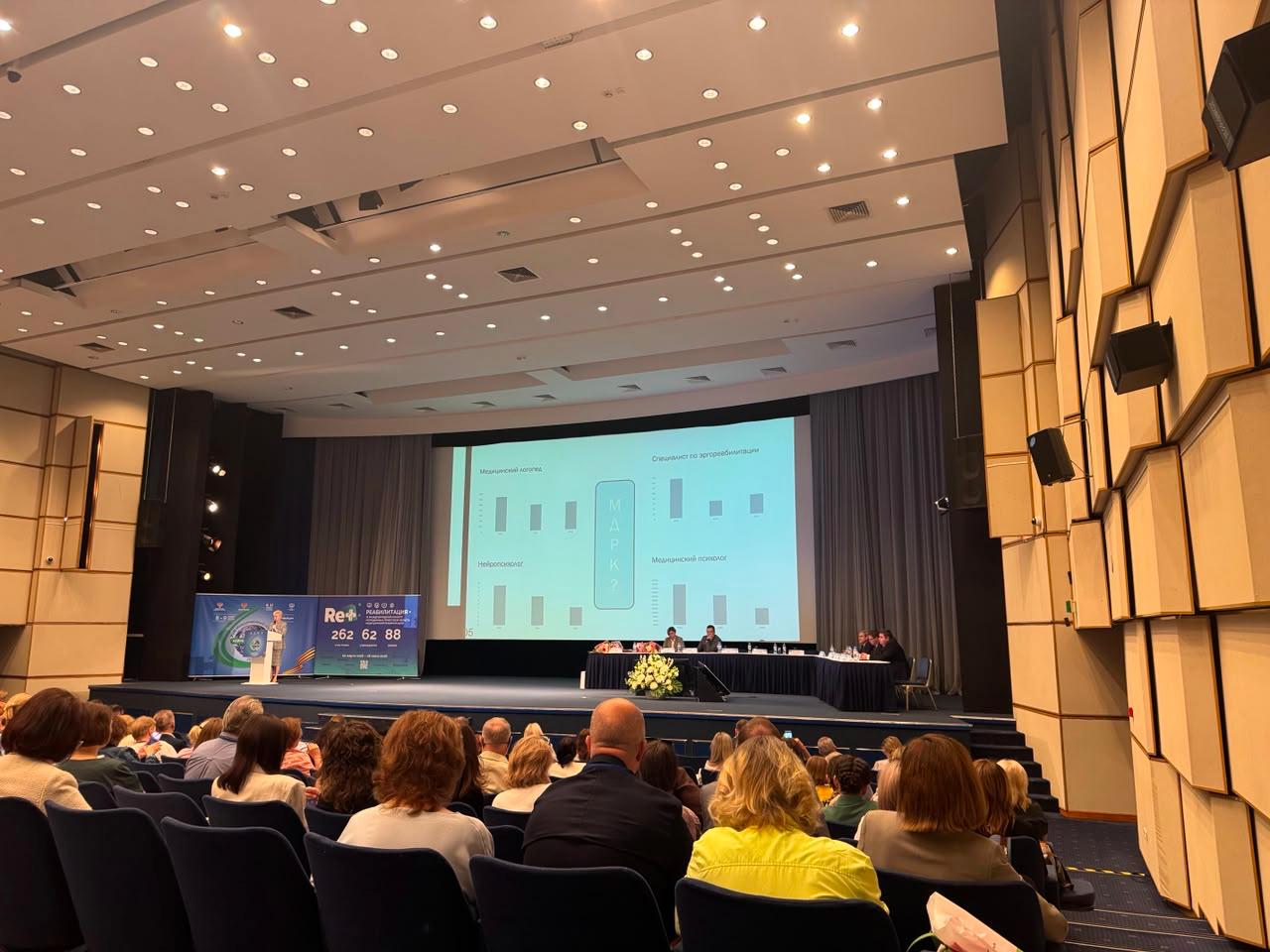
On June 8–9, Moscow hosted the 18th International Congress “Neurorehabilitation,” bringing together leading neurologists, rehabilitation specialists, and researchers from various countries to discuss advanced approaches to the recovery of patients with nervous system disorders and injuries.
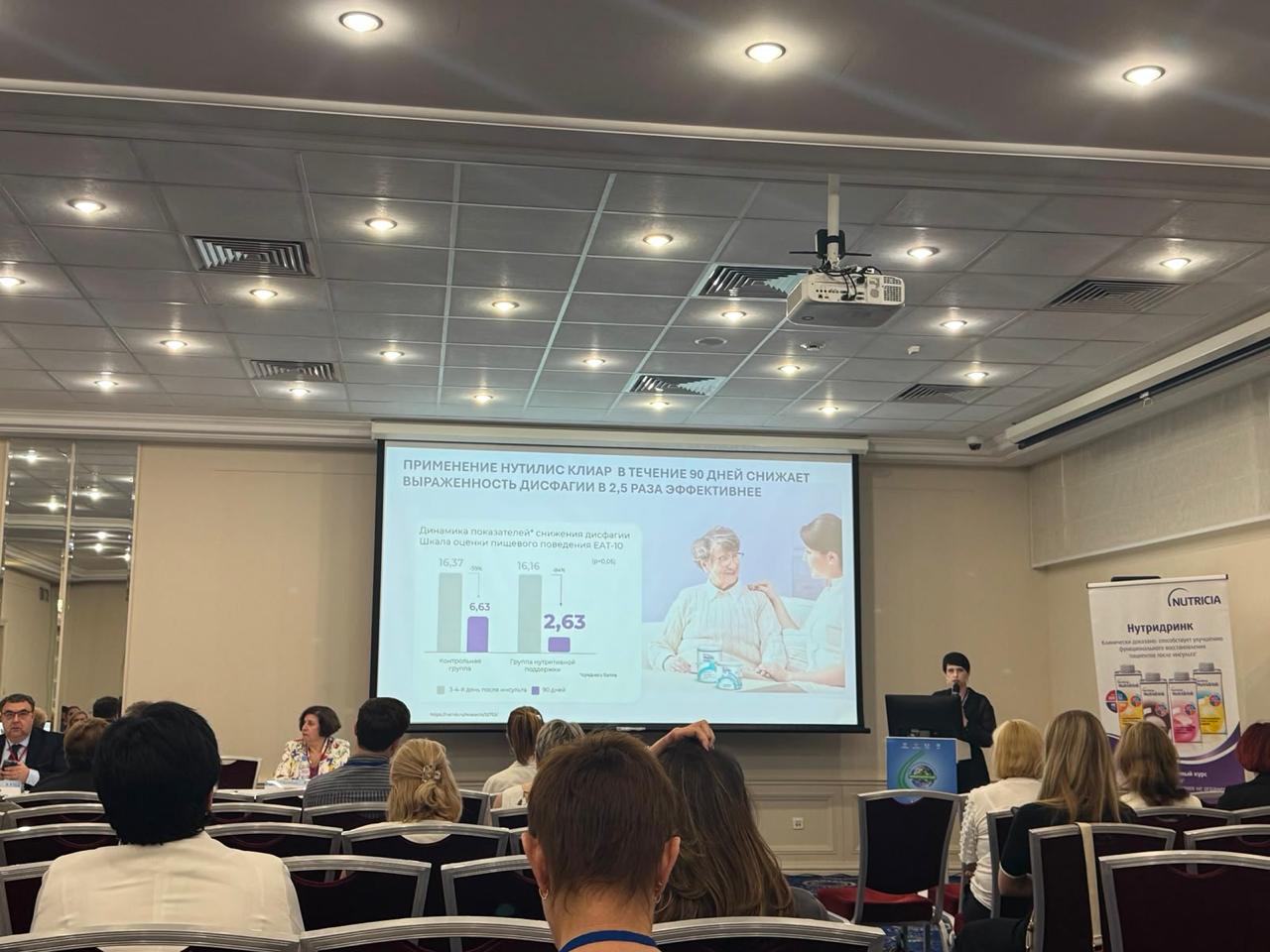
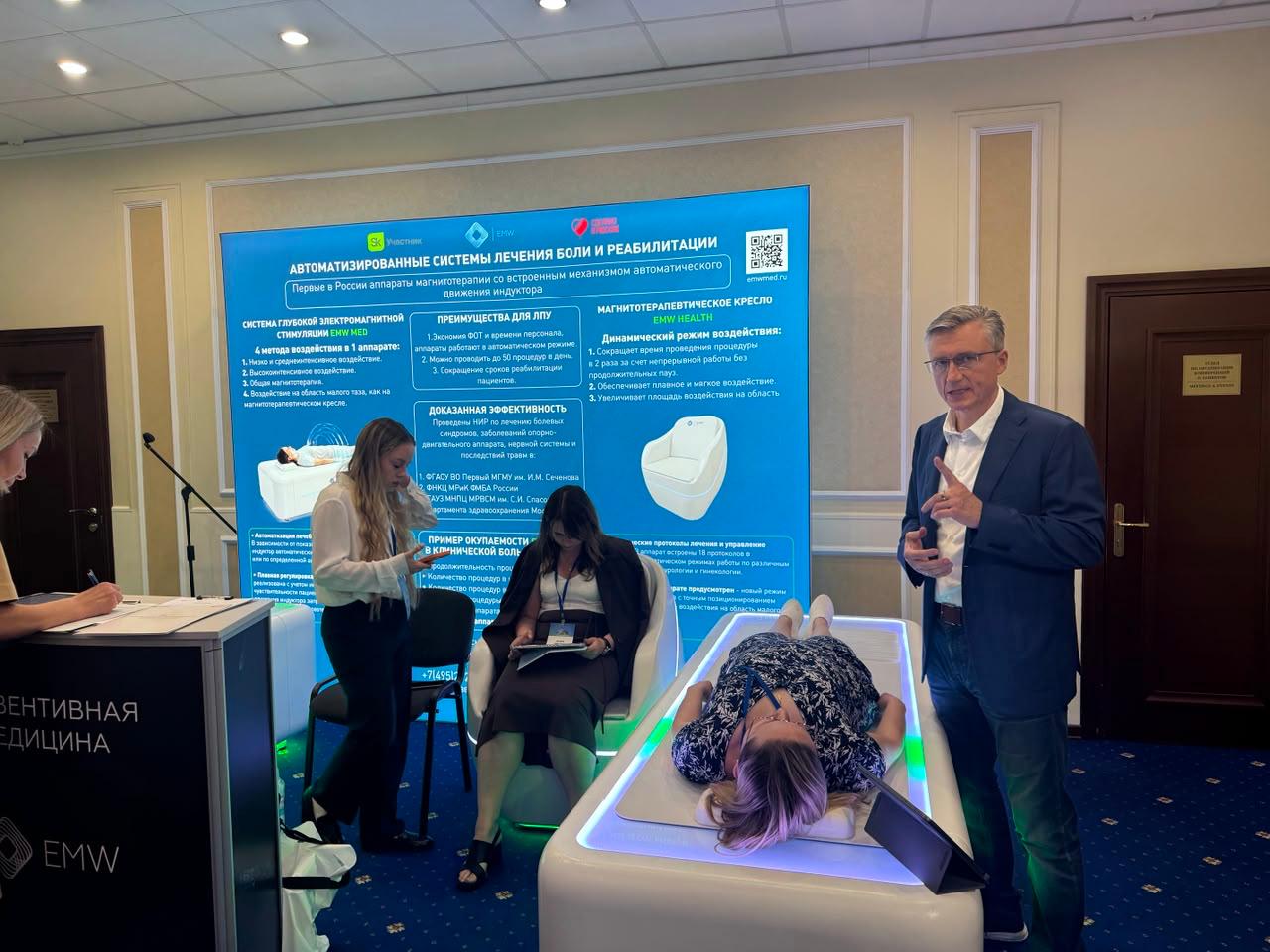
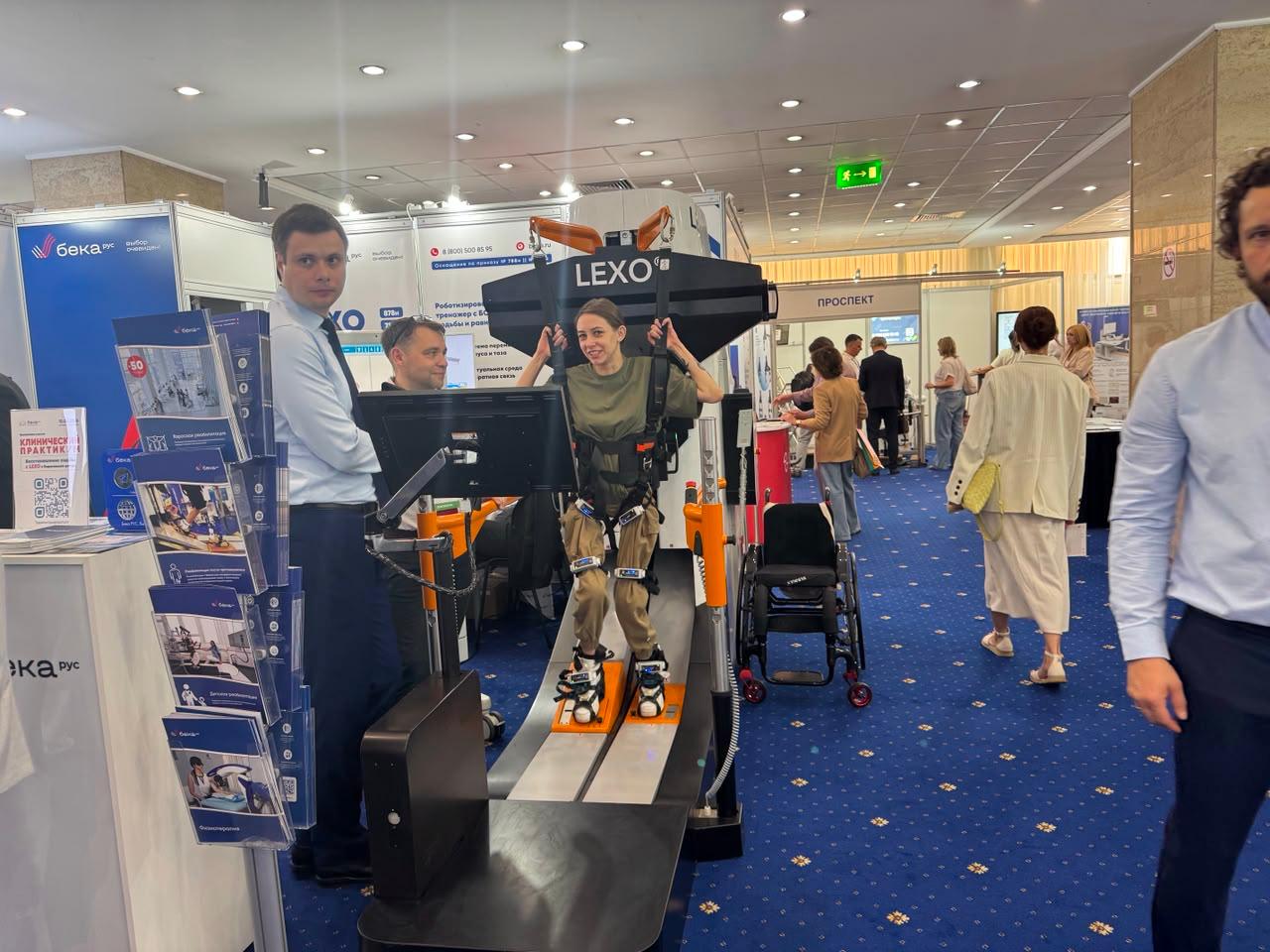
As part of the Congress, an exhibition and information platform was organized where leading developers and manufacturers of medical rehabilitation equipment and pharmaceuticals showcased their products, research findings, and educational resources.
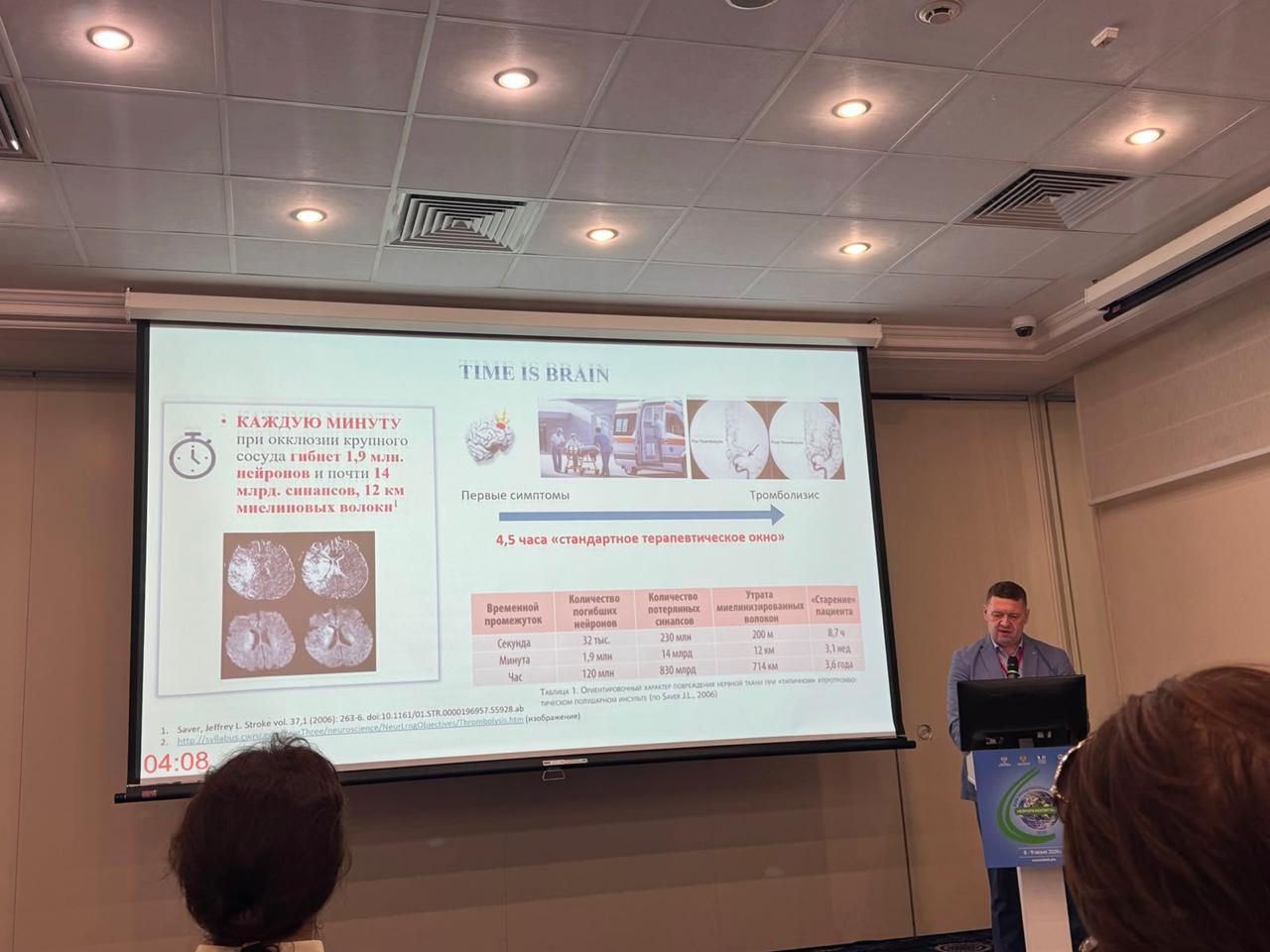
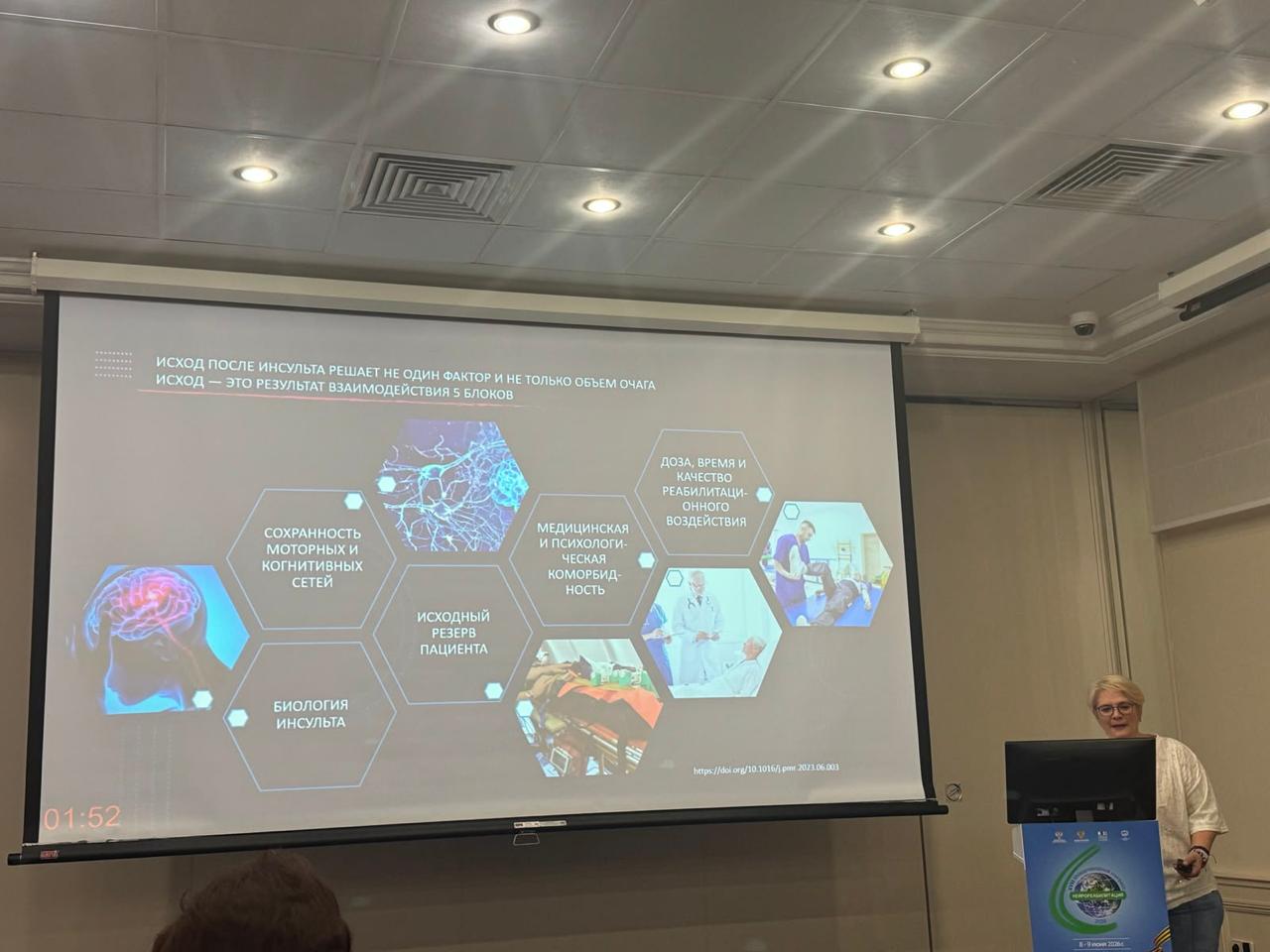
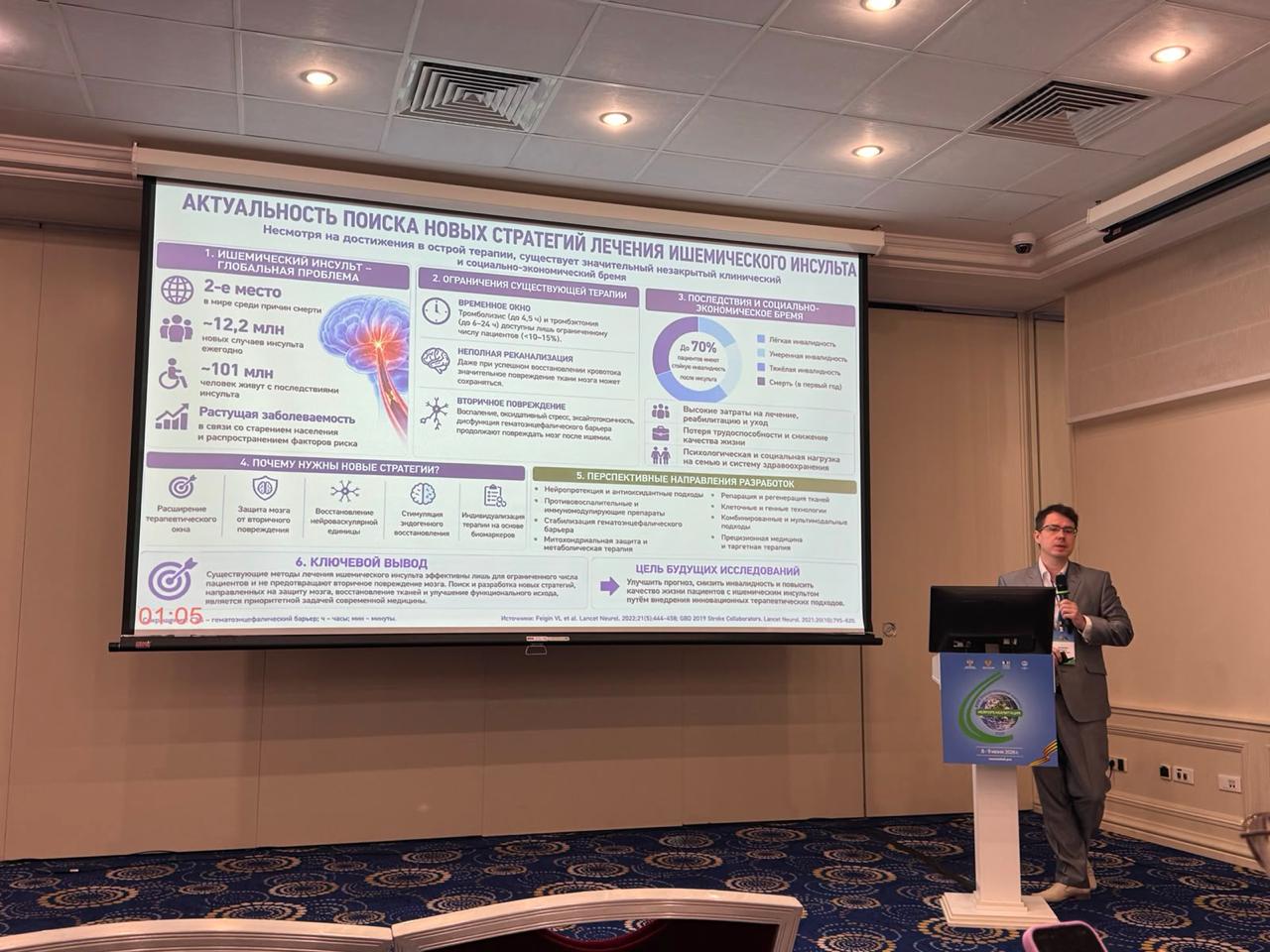
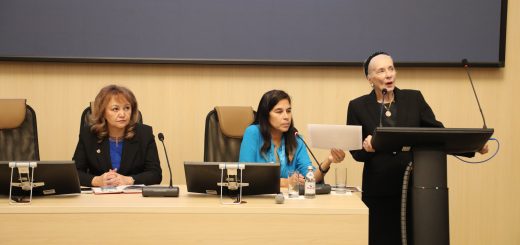
A key event of the scientific program was a specialized symposium chaired by S. N. Yanishevsky, MD, PhD, Head of the Research Laboratory of Neurology and Neurorehabilitation and Professor of the Department of Neurology with Clinic at the Almazov National Medical Research Centre of the Ministry of Health of the Russian Federation. Under his leadership, leading experts presented the results of major scientific projects that are shaping contemporary approaches to the treatment of cerebrovascular diseases.
Cellular Mechanisms and Fundamental Science
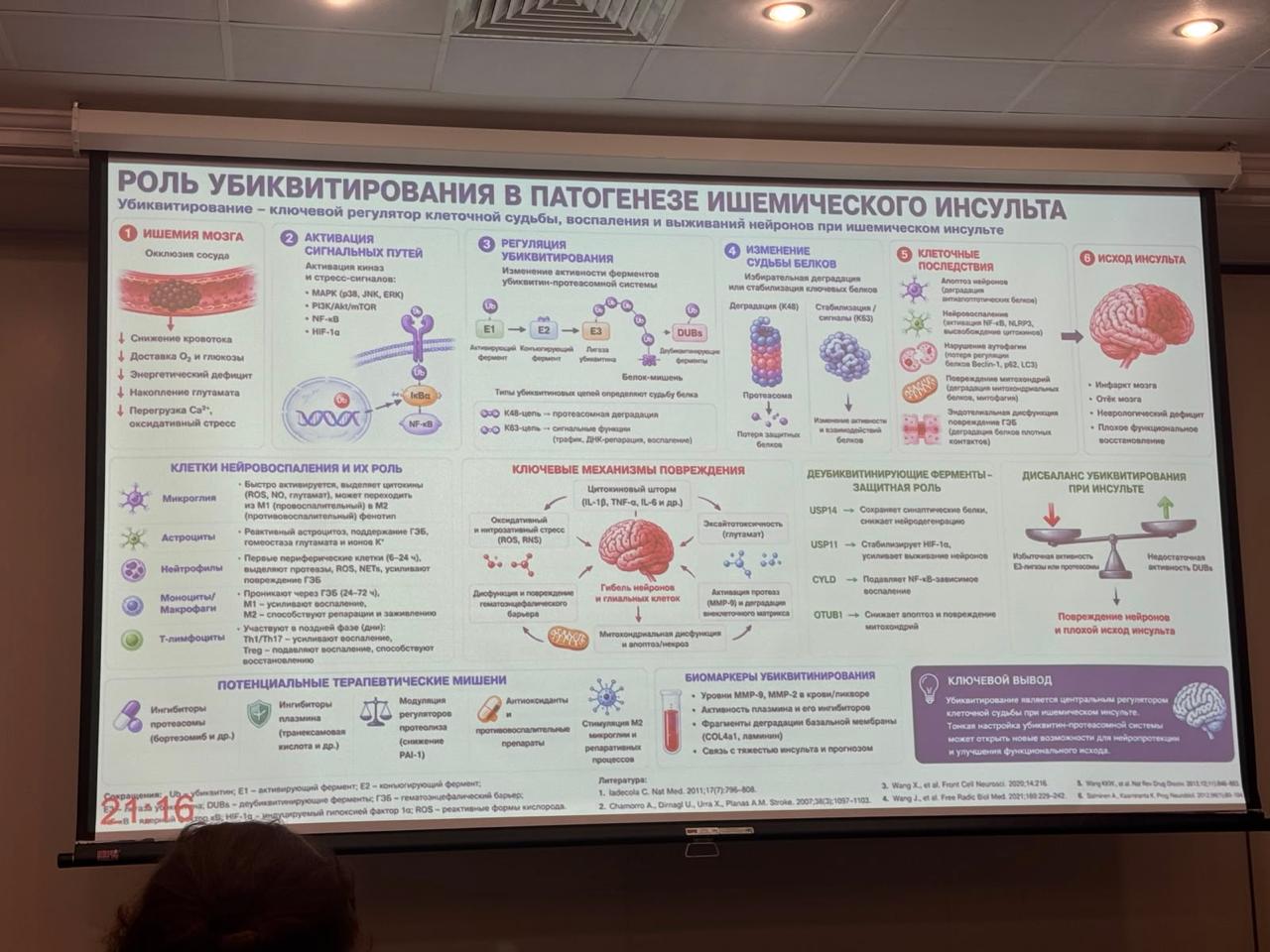
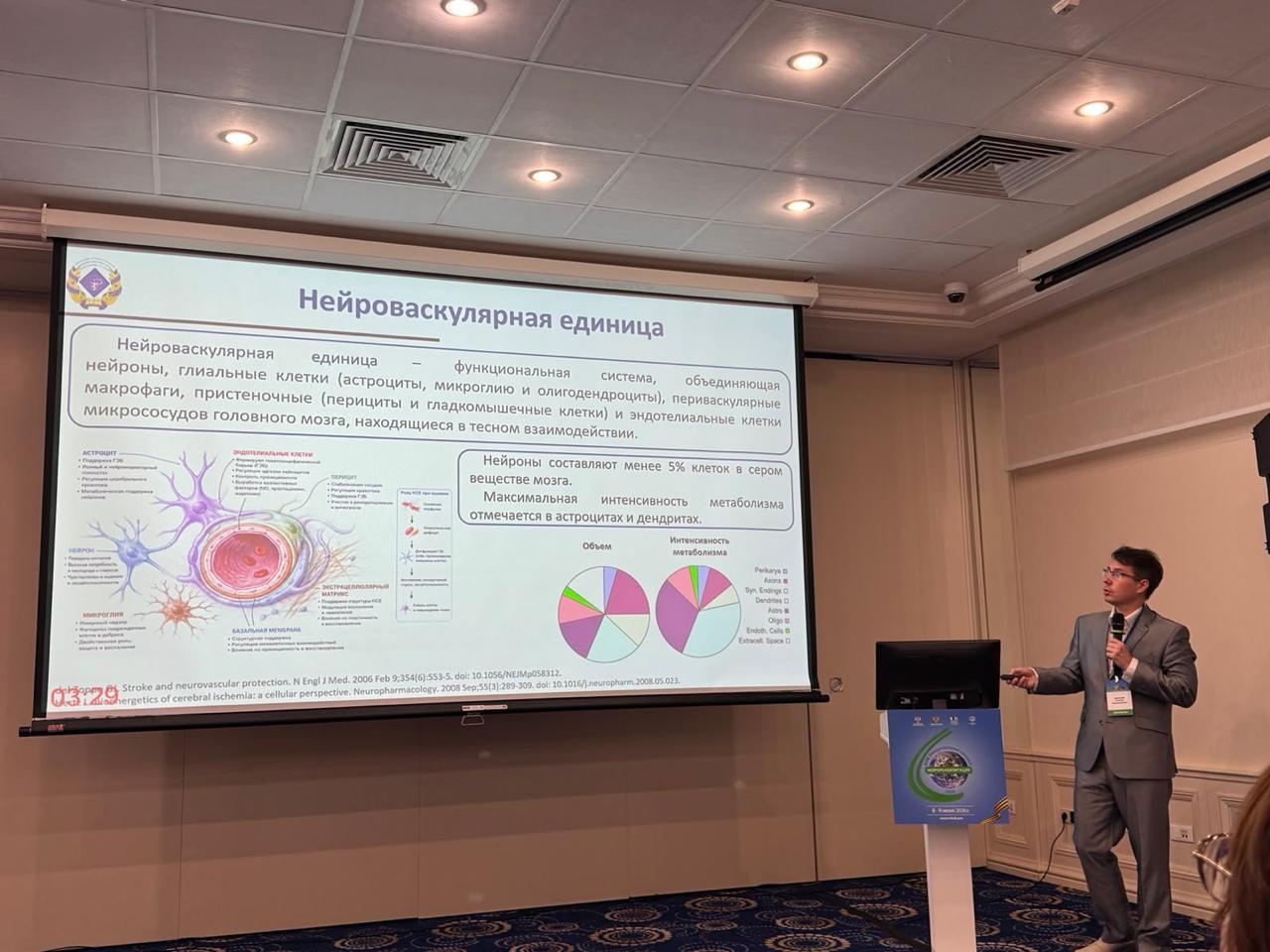
An important part of the symposium was devoted to the discussion of mechanisms underlying the protection of brain cells under conditions of oxygen deprivation. Presentations were delivered by distinguished Russian researchers:
- V. Shchulkin, MD, PhD, Professor of the Department of Pharmacology with a Pharmacy Course at the Faculty of Continuing Professional Education, Ryazan State Medical University. As a leading Russian investigator of antioxidant mechanisms at the cellular level, he presented unique data on the effects of ethylmethylhydroxypyridine succinate on mitochondria—the “powerhouses” of the cell—and on neuronal protection in acute cerebral ischemia.
- S. Meshkova, PhD, Associate Professor of the Department of Neurology, Neurosurgery and Medical Genetics at Pirogov Russian National Research Medical University. She shared expert insights into the implementation of modern therapeutic protocols in clinical practice.
Kazakhstan’s Contribution to the International MIR Study
Faculty members of the Department of Nervous Diseases at Asfendiyarov Kazakh National Medical University (KazNMU) made a significant contribution to the International Clinical Study MIR, a large-scale project investigating sequential therapy for ischemic stroke.
The Kazakhstani research team included:
Nurguzhayev E. S., MD, PhD — Principal Investigator of the study in the Republic of Kazakhstan and Professor of the Department of Nervous Diseases at Asfendiyarov KazNMU.
Turuspekova S. T., MD, PhD — Lead Researcher of the study and Head of the Department of Nervous Diseases.
The findings of the MIR study convincingly demonstrated that a prolonged stepwise regimen of ethylmethylhydroxypyridine succinate provides significantly greater neuroprotection than conventional therapy. This therapeutic approach was associated with three major outcomes:
- Reduced disability: patients experienced less severe functional impairment following stroke.
- Improved mobility: patients regained independent movement and ambulation more rapidly.
- Preservation of cognitive function: the therapy effectively protected memory, attention, and higher cognitive processes.
The Congress underscored the importance of integrating fundamental scientific research with clinical practice under the auspices of leading research centers from different countries. The experience and scientific achievements presented by the participants open new prospects for the development of unified and highly effective standards of care for patients recovering from stroke.