Academic mobility in medicine: Innovation and Collaboration
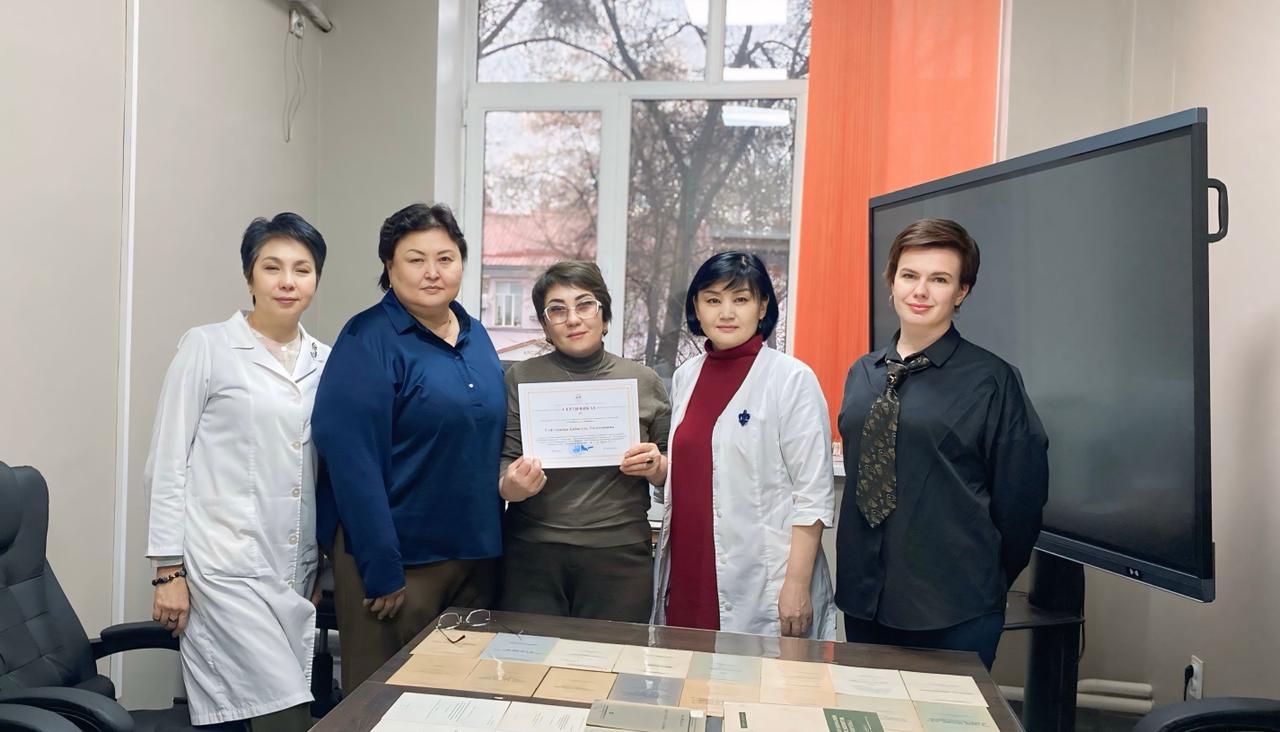
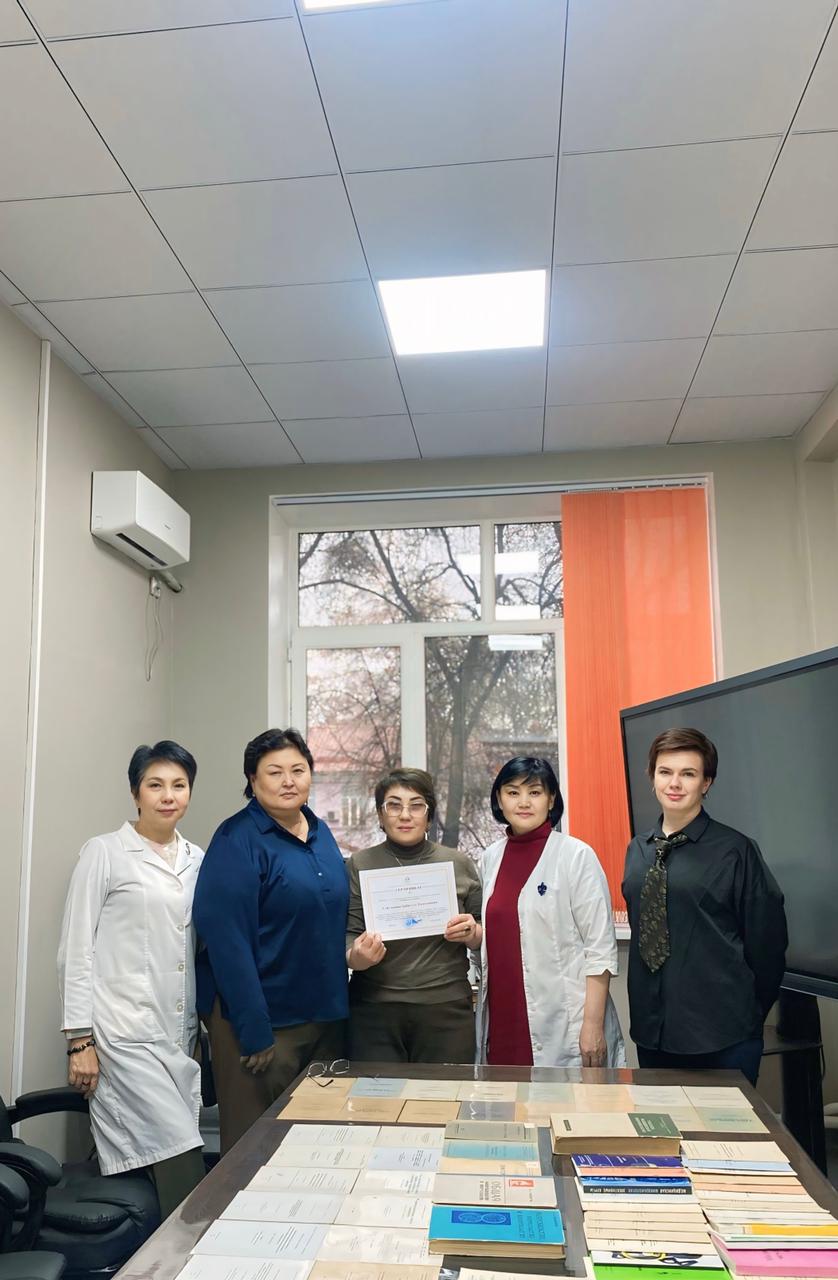
From February 16 to 27, 2026, the department of microbiology and virology at S.D.Asfendiyarov Kazakh national medical university (KazNMU) implemented an educational program within the framework of the academic mobility program in the discipline “Private microbiology, virology, and parasitology”. The program was conducted with the participation of professor B.Seitkhanova, doctor of medical sciences, head of the department of microbiology, allergology, and immunology at South Kazakhstan medical academy.
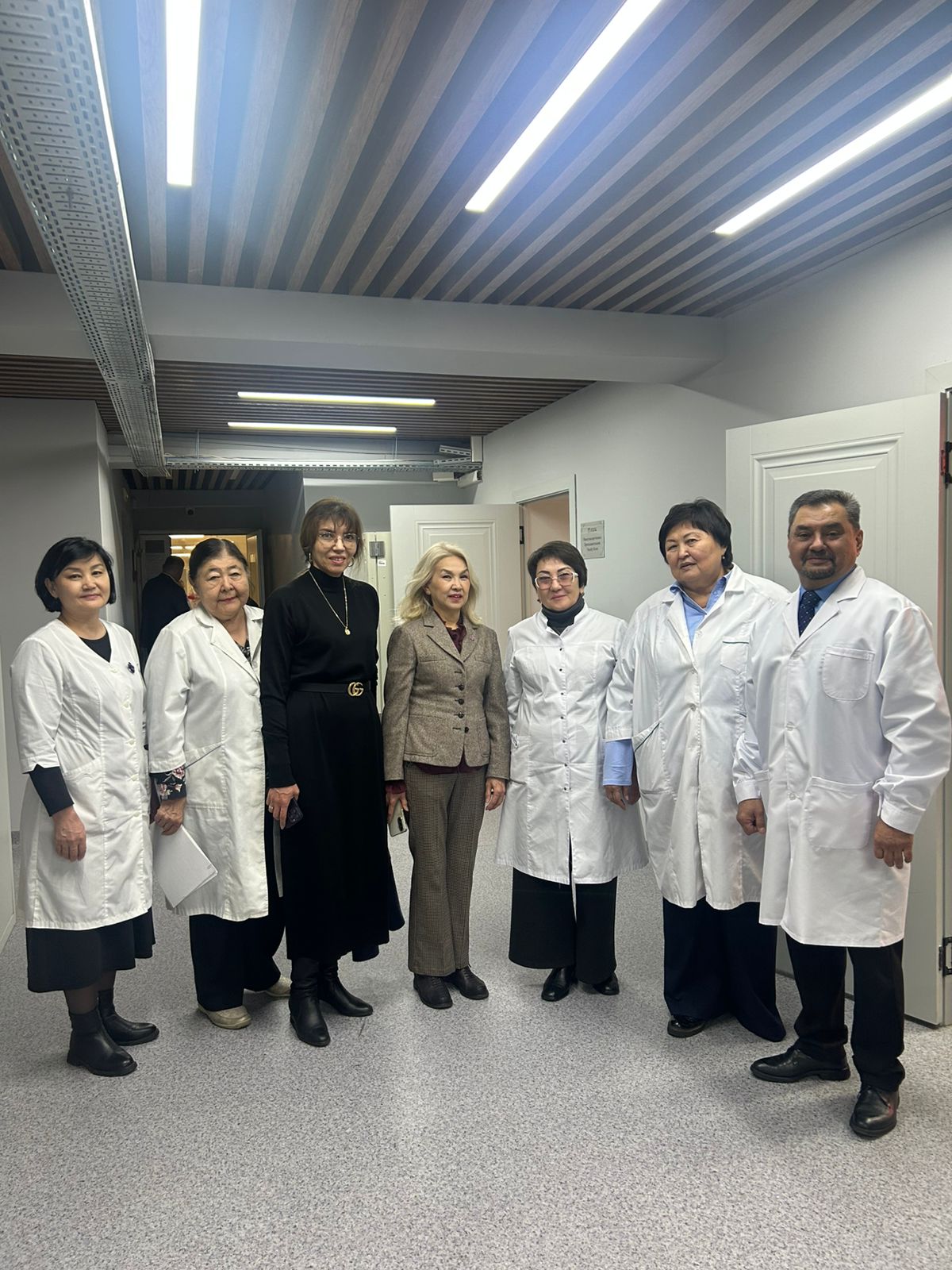
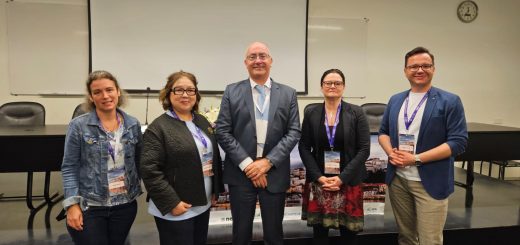
During the visit, an exchange of scientific and pedagogical experience between university faculty members took place.
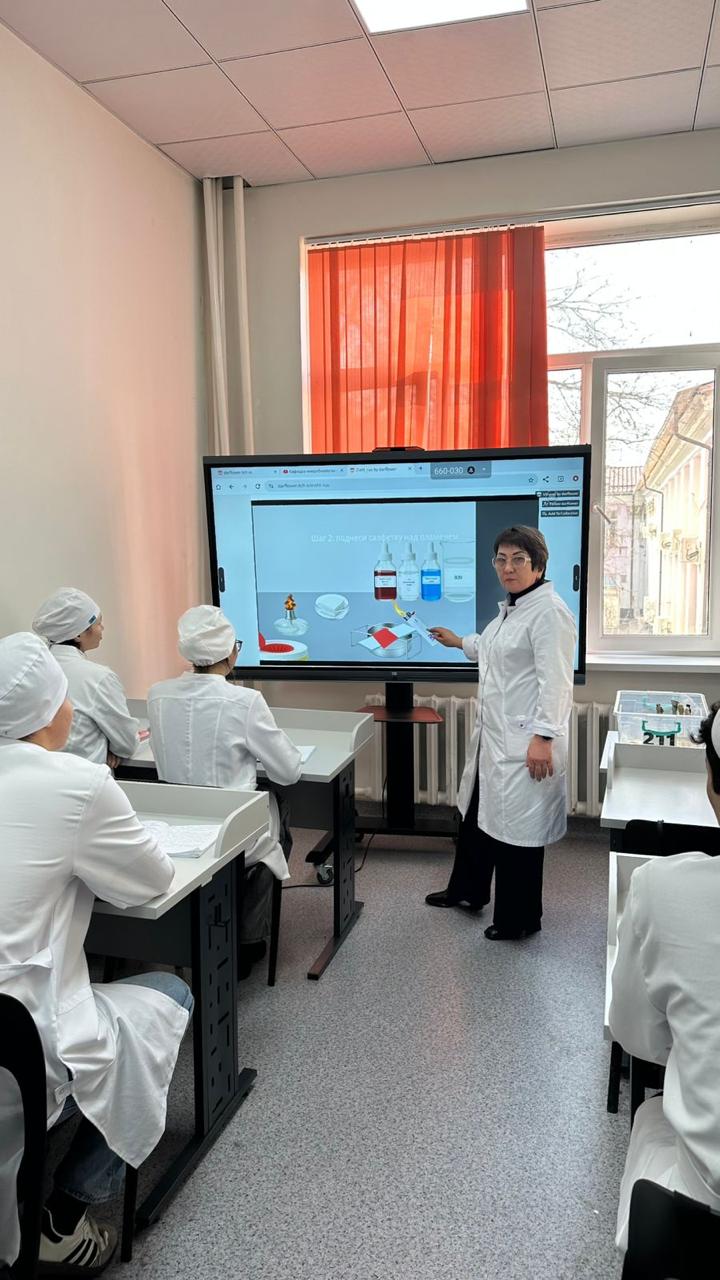
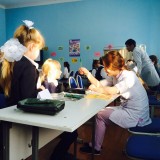
Within the framework of academic mobility, second-year students of the “Medicine” educational program participated in 72 academic hours of practical training. The training utilized modern educational technologies and was aimed at developing students’ clinical thinking skills.
The following teaching methods were applied:
* Problem-based learning (PBL)
* Clinical case analysis (case-study)
* Demonstration and interpretation of laboratory methods
* Interactive question-and-answer sessions
* Group discussions
* Formative assessment techniques
Students enhanced their practical skills in identifying infectious disease pathogens, selecting laboratory diagnostic methods, interpreting results, and justifying preventive measures.
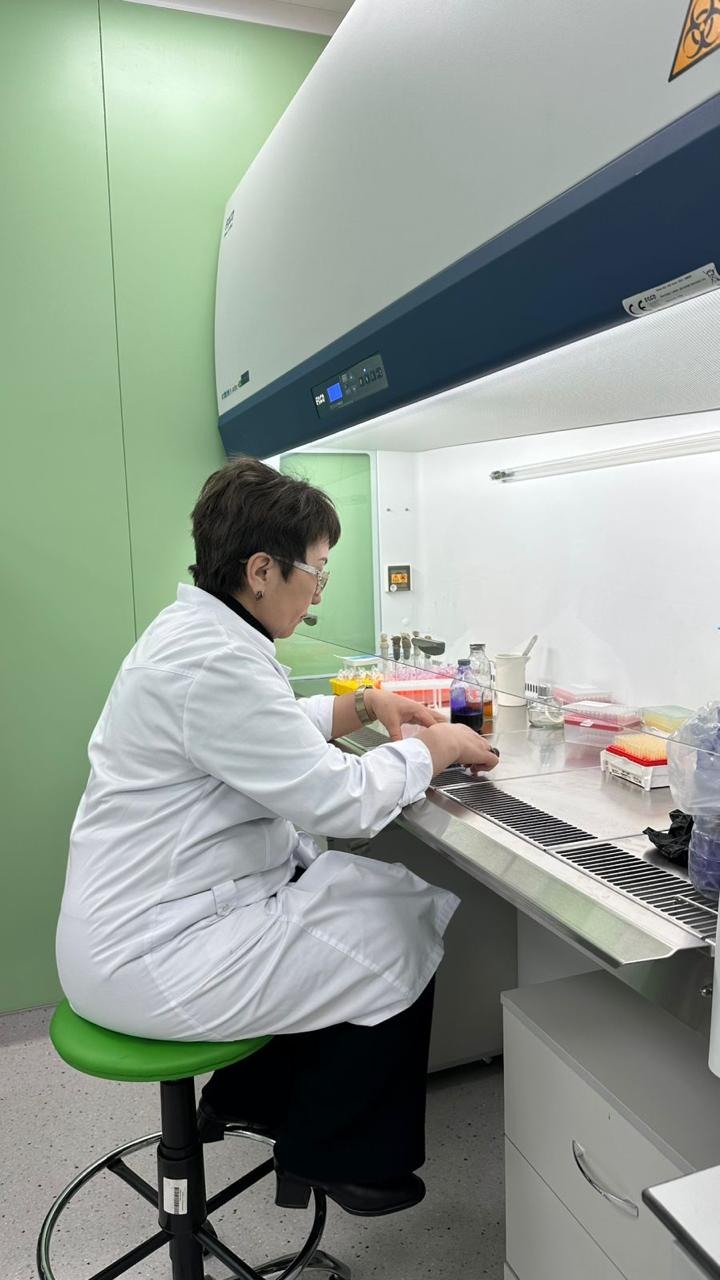
Practical training was conducted both in the microbiological laboratory and through virtual laboratory platforms. Students practiced working with microscopic specimens, analyzing colonies on nutrient media, and applying decision-making algorithms based on clinical scenarios.
The implementation of the program contributed to strengthening academic cooperation between universities, improving the quality of medical education, and expanding opportunities for professional experience exchange.
The conducted academic mobility aligns with the United Nations Sustainable Development Goals (SDGs):
SDG 3 – Good Health and Well-being: Developing high professional competence of future physicians in the diagnosis, treatment, and prevention of infectious diseases, enhancing their readiness to make clinically justified decisions, and ensuring patient safety.
SDG 4 – Quality Education: Improving the quality of medical education through the integration of innovative educational technologies, practice-oriented learning, development of clinical thinking, and the incorporation of modern digital and virtual laboratory solutions into the educational process.
SDG 17 – Partnerships for the Goals: Expanding and strengthening academic collaboration between medical universities, creating sustainable professional networks, exchanging advanced scientific and pedagogical experience, and establishing a unified educational space that fosters the development of competitive specialists of the new generation.
In the future, such academic exchange programs will contribute to enhancing research activities, implementing modern pedagogical methods, and expanding international cooperation.