Formation of Legal Culture of Future Doctors: From Theory to Practice
As part of the implementation of Paragraph 97 of the Address of the President of the Republic of Kazakhstan to the people of Kazakhstan dated September 8, 2025, “Kazakhstan in the Era of Artificial Intelligence: Current Challenges and Their Solutions through Digital Transformation,” and with the aim of systematically forming the legal culture of future medical specialists, increasing their legal awareness, professional responsibility, and commitment to the principles of lawfulness, the School of General Medicine-2 (SGM-2) approved a comprehensive Action Plan for 2026–2030.
This plan is aimed at fostering in students a solid understanding of the legal foundations of medical practice, promoting respect for the law, and strengthening ethical and legal standards within the healthcare system.
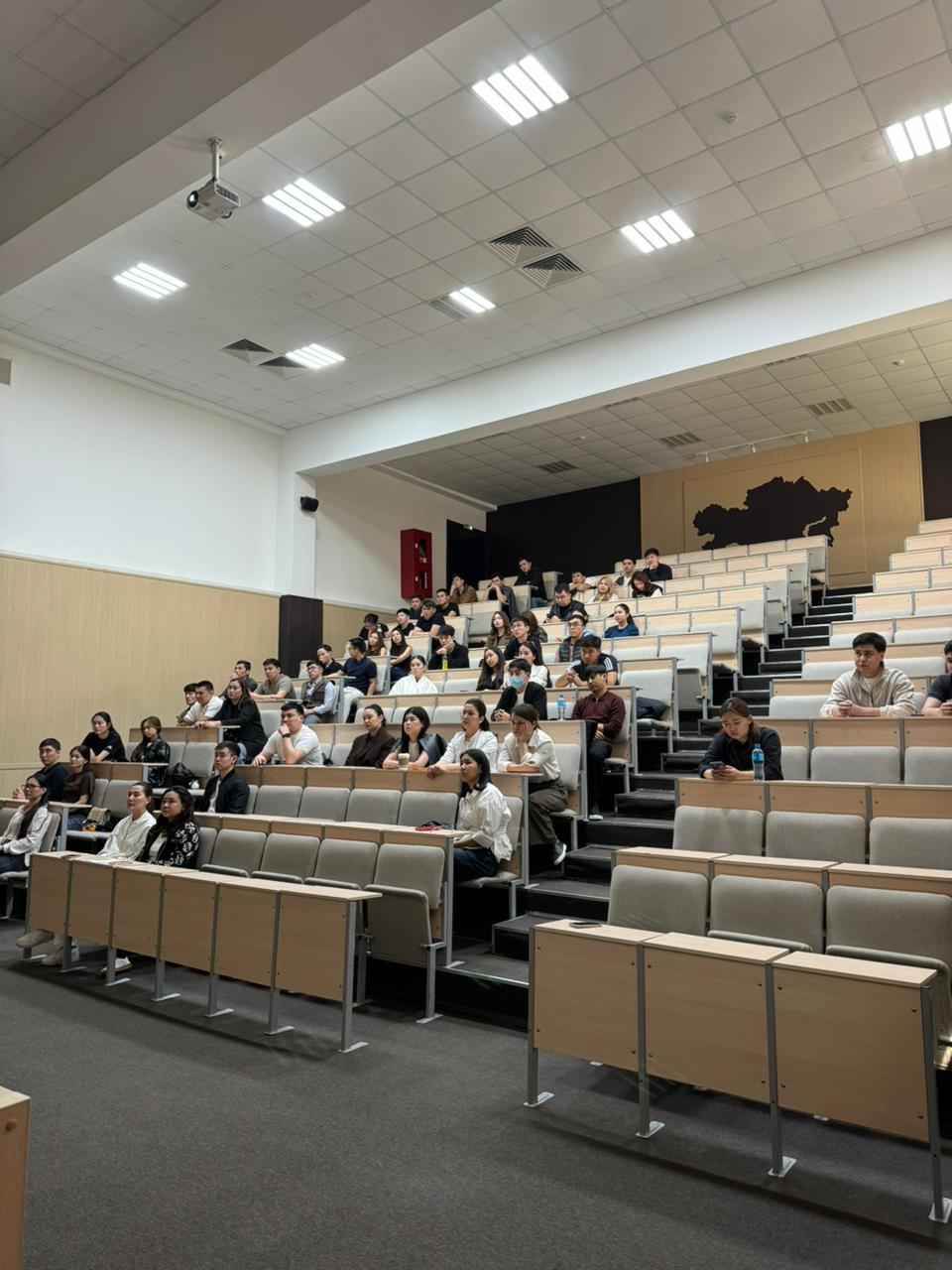
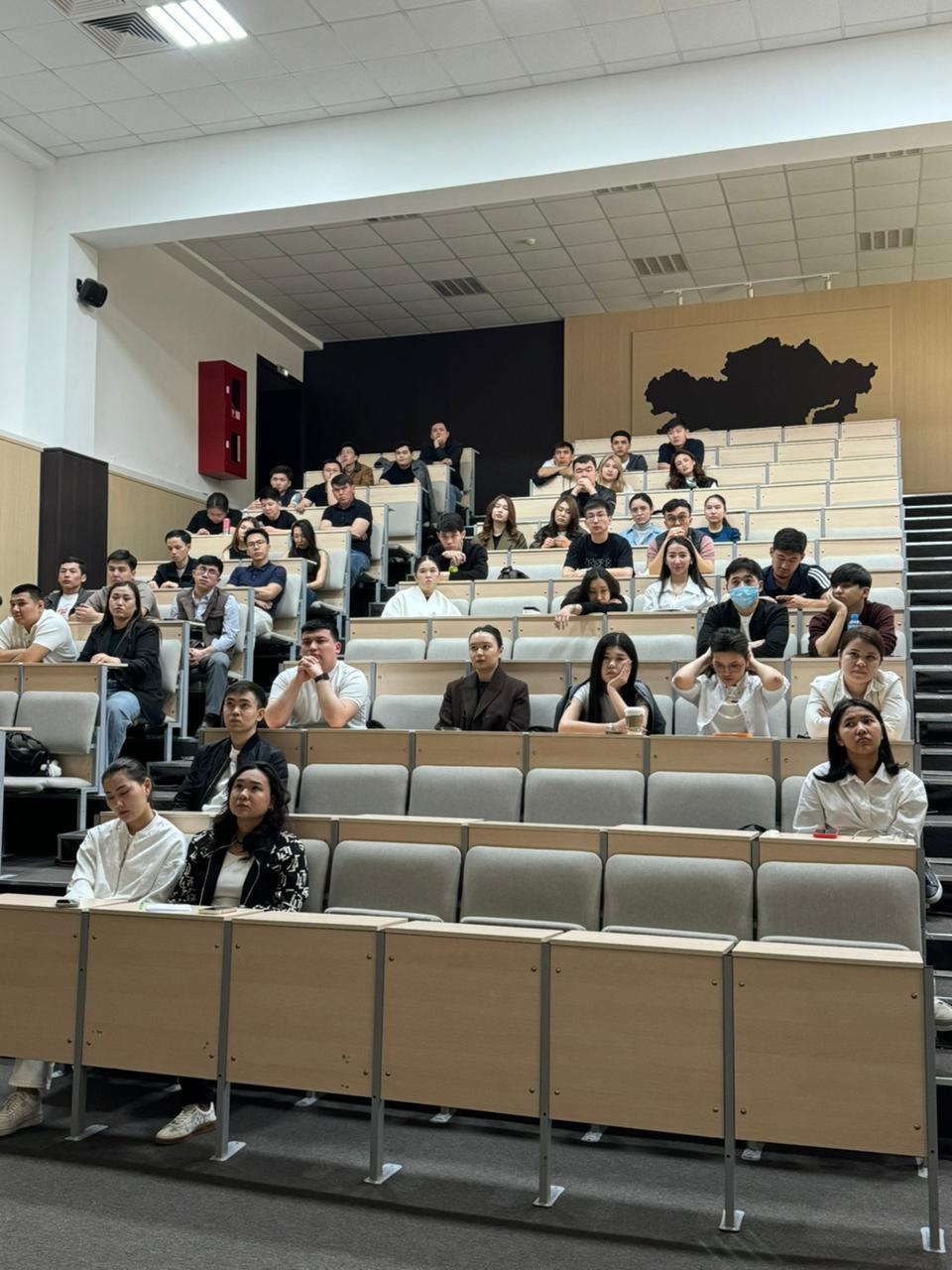
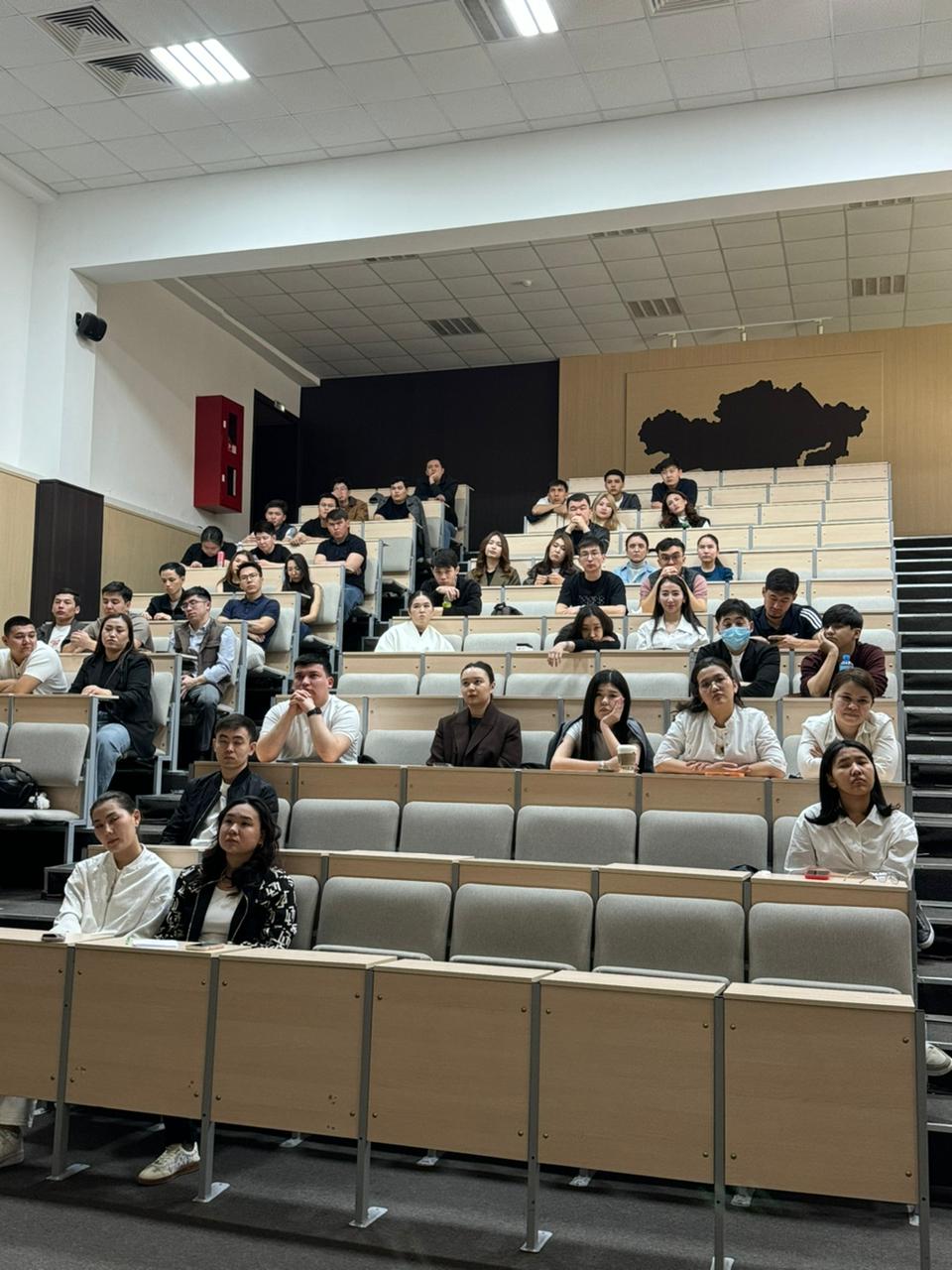
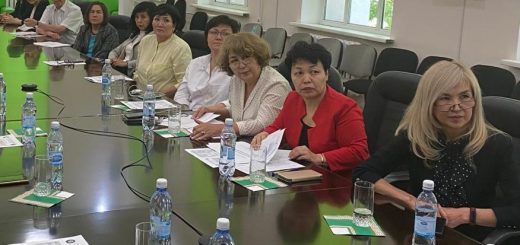
As part of the implementation of this plan, on April 1, 2026, a substantive seminar was held for 6th-year interns on the topic:
“Medical Law and Doctor’s Responsibility: From Theory to Practice.”
The seminar was conducted by Assistant of the Department of Anesthesiology and Resuscitation No. 1, national accreditation expert, Ermekbay A.A., who also holds a second higher education degree in Law, specializing in legal regulation in the field of economics. The unique combination of medical and legal training allowed the speaker to approach the topic comprehensively, at the intersection of medicine, law, and professional ethics.
The seminar was conducted in the format of an interactive dialogue, including discussions, practical case analysis, and professional situation modeling, enabling participants not only to deepen theoretical knowledge but also to develop practical skills.
During the seminar, the key legislative acts of the Republic of Kazakhstan regulating healthcare and defining the legal status of medical professionals were examined in detail:
- Constitution of the Republic of Kazakhstan – the fundamental law of the state, enshrining the fundamental rights and freedoms of individuals and citizens. Special attention was given to citizens’ constitutional right to health protection and access to qualified medical care, as well as the role of the state in ensuring these guarantees.
- Code of the Republic of Kazakhstan dated July 7, 2020, No. 360-VI ZRK “On the Health of the People and the Healthcare System” – the central normative legal act in the sector, regulating public relations in healthcare. The seminar discussed the rights and responsibilities of patients and medical workers, principles of medical care provision, quality and safety standards, and mechanisms of legal liability for professional violations.
- Order of the Minister of Health of the Republic of Kazakhstan dated January 25, 2024, No. 46 “On Approval of Professional Standards in Healthcare” – defines modern requirements for professional competencies of medical personnel, including knowledge, skills, and levels of responsibility corresponding to the current challenges of the healthcare system.
- Order of the Minister of Health of the Republic of Kazakhstan dated December 21, 2020, No. ҚР ДСМ-305/2020 – establishes the nomenclature of medical specialties and specializations, as well as qualification characteristics of healthcare positions. Participants discussed the significance of this document for professional development and career growth.
- Healthcare standards of the Ministry of Health of the Republic of Kazakhstan – regulate the procedure, scope, and quality of medical services. Emphasis was placed on strict compliance with these standards as the foundation of safe and effective medical practice.
- National accreditation standards for medical organizations (IV revision) – establish criteria for evaluating the activities of medical institutions, aimed at improving healthcare quality, ensuring patient safety, and implementing continuous improvement principles.
An important component of the seminar was the discussion of medical ethics, deontology, and professional communication principles, as an integral part of a doctor’s legal culture.
The seminar aimed to achieve the following key objectives:
- Formation of a deep and conscious understanding among future doctors of the role of law in professional activity and society as a whole;
- Development of legal culture, legal awareness, and intolerance toward legal violations;
- Acquisition of practical skills in applying legislation through interactive teaching methods (discussions, case analysis, role-playing, scenario modeling);
- Enhancement of personal and professional responsibility;
- Formation of an active civic position through involvement in volunteering, preventive, and socially significant initiatives.
Such events contribute to the preparation of not only highly qualified specialists but also socially responsible doctors capable of practicing in strict compliance with the legislation of the Republic of Kazakhstan, principles of humanism, ethics, and respect for patients’ rights.