KazNMU Hosted a Delegation from the University of Tsukuba (Japan)
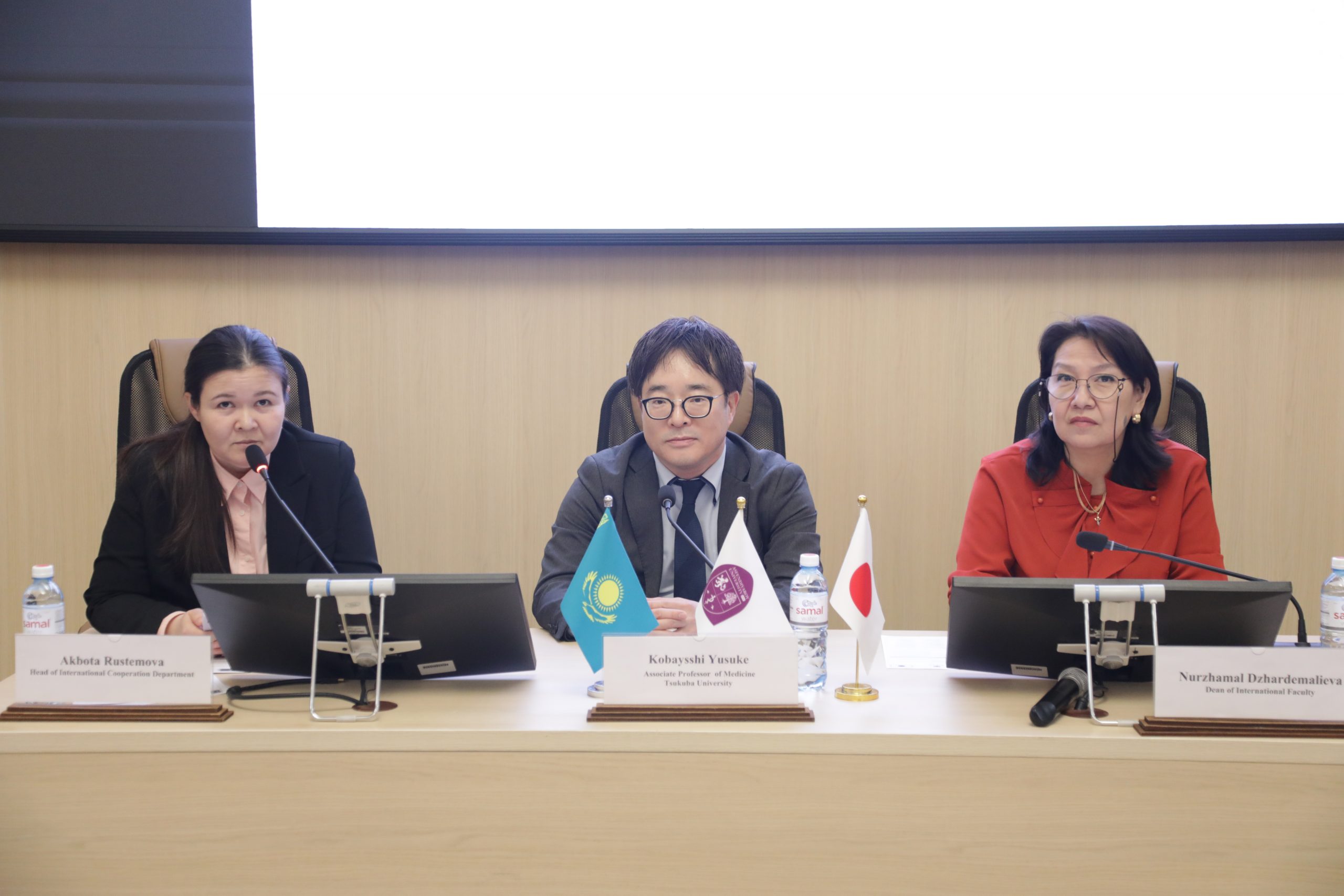
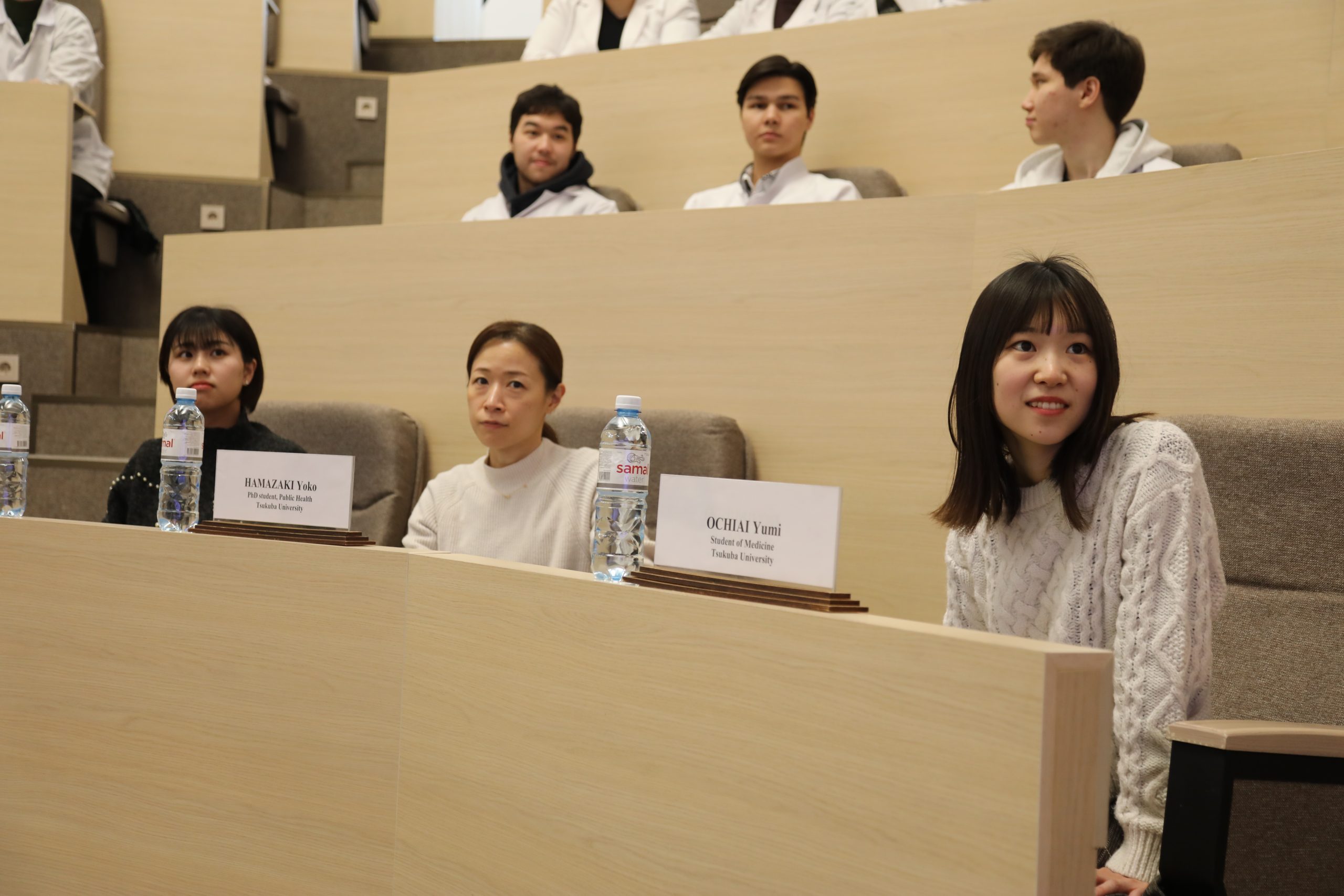
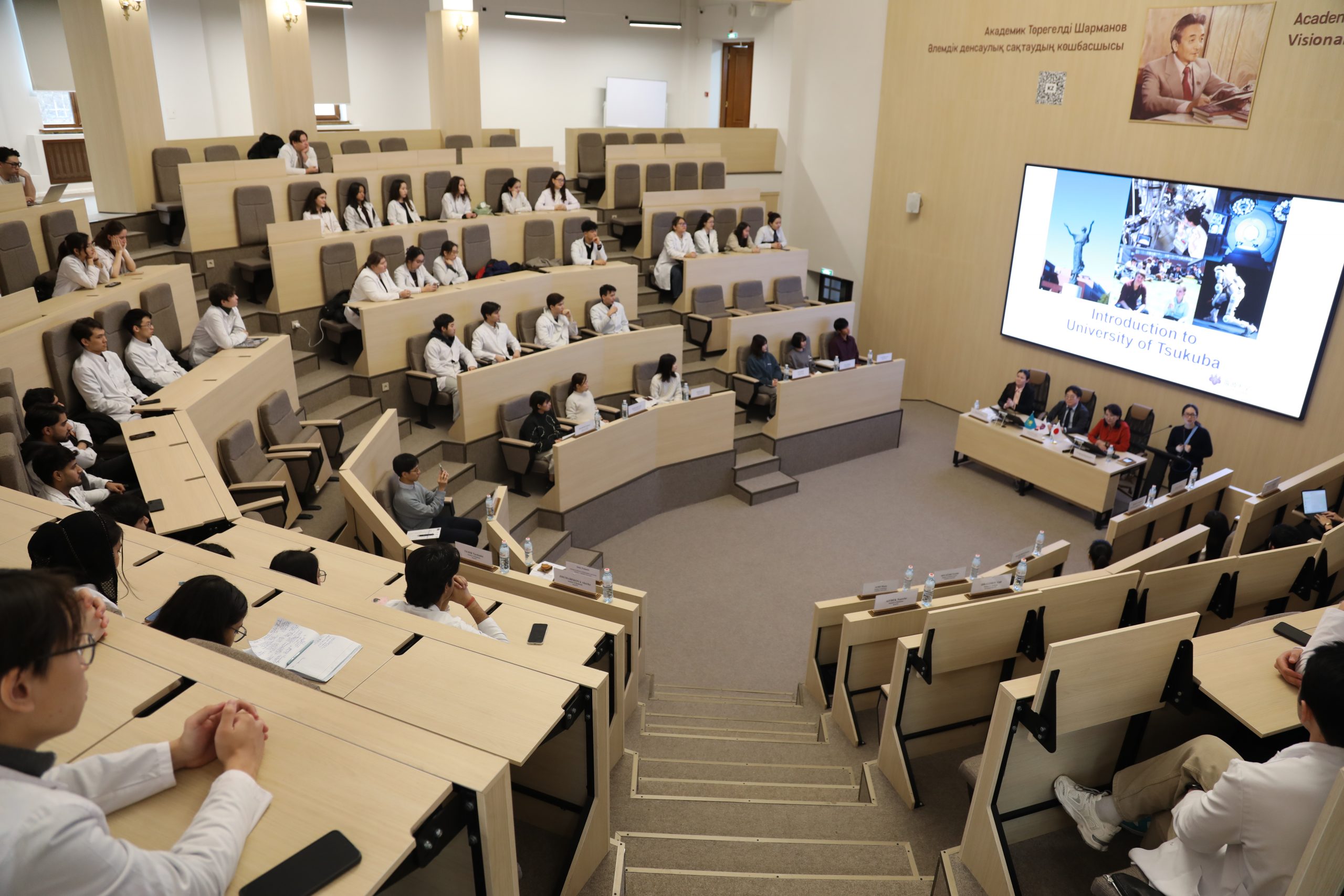
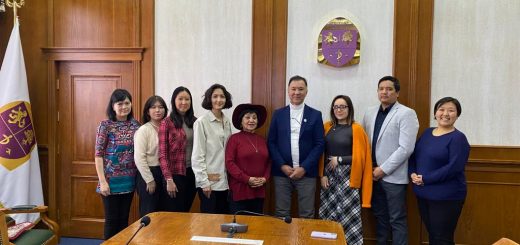
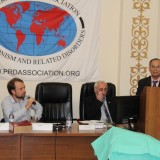
On March 10–11, 2026, S.D. Asfendiyarov Kazakh National Medical University hosted an international academic meeting with a delegation from the University of Tsukuba (Japan). The event took place in the Hall of Fame of Academician Sharmanov and marked an important step in strengthening cooperation between the universities in the fields of medical education and scientific research.
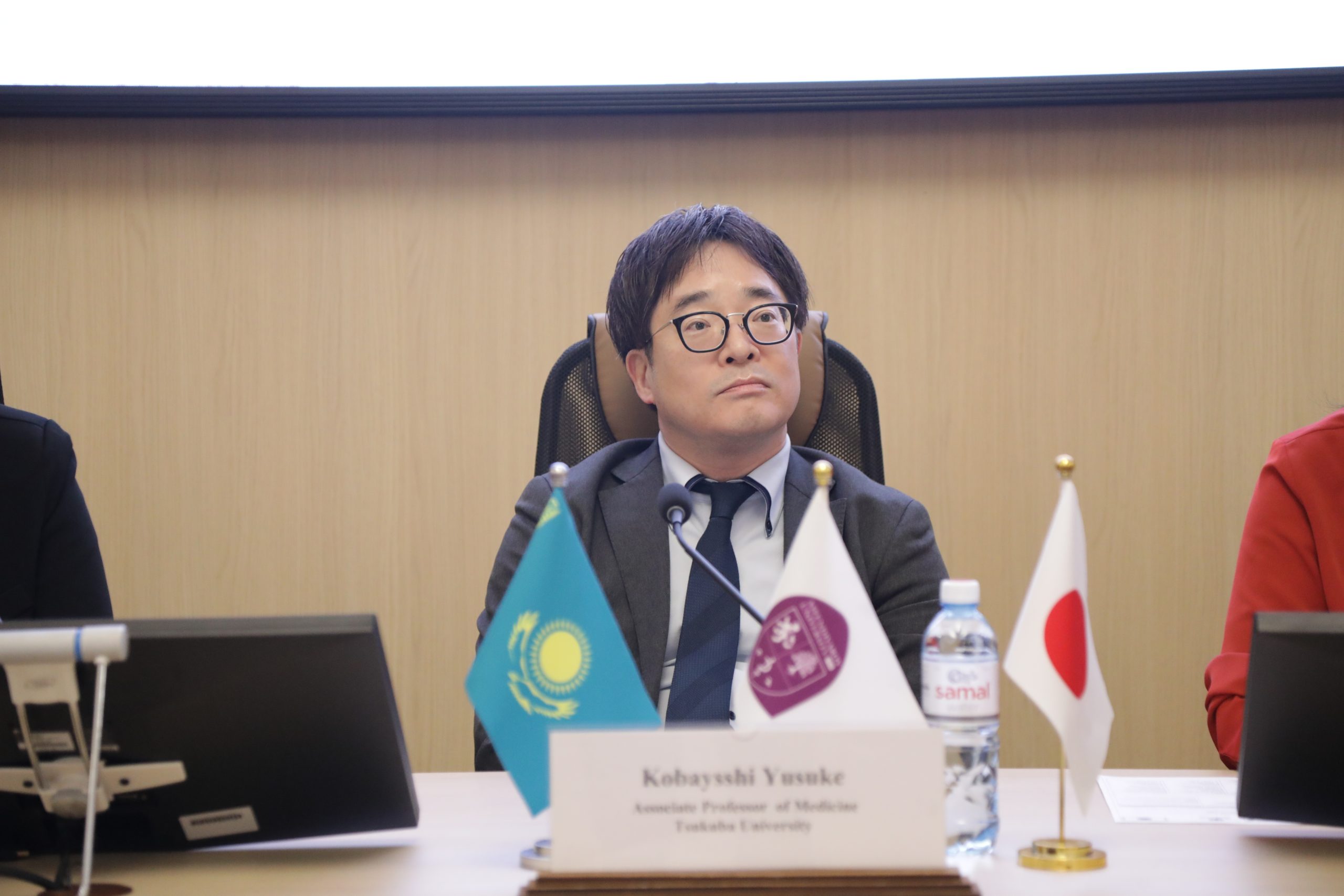
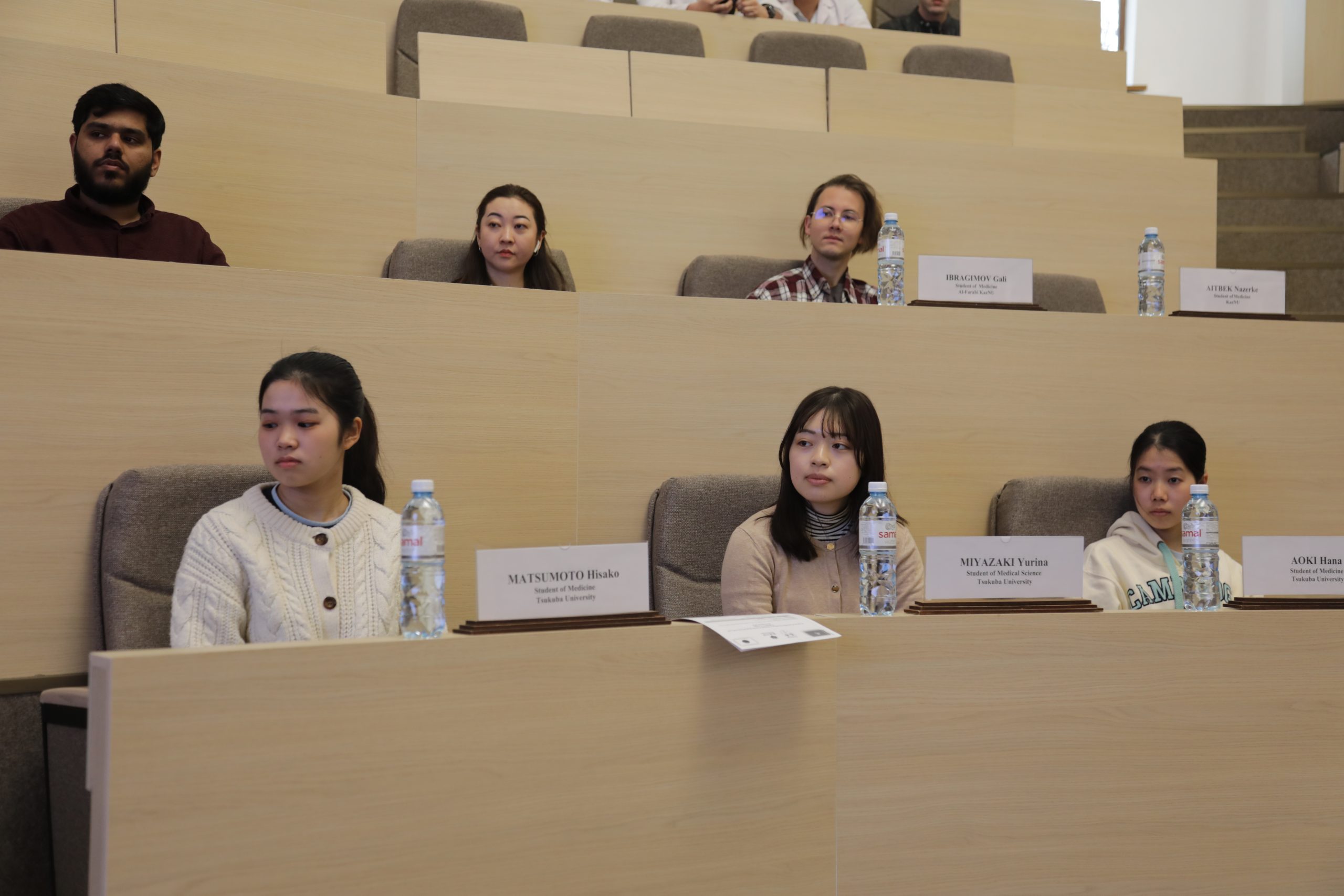
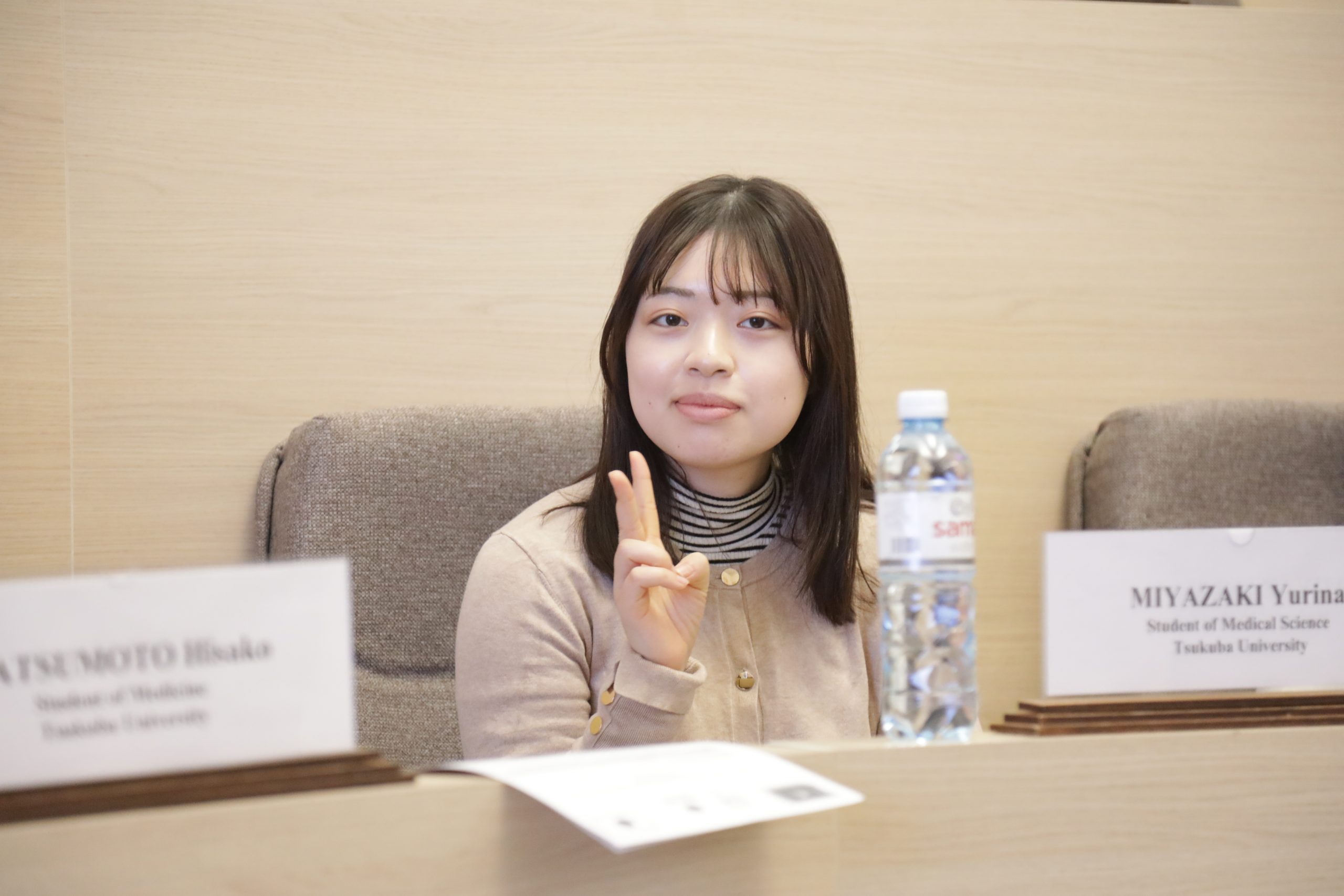
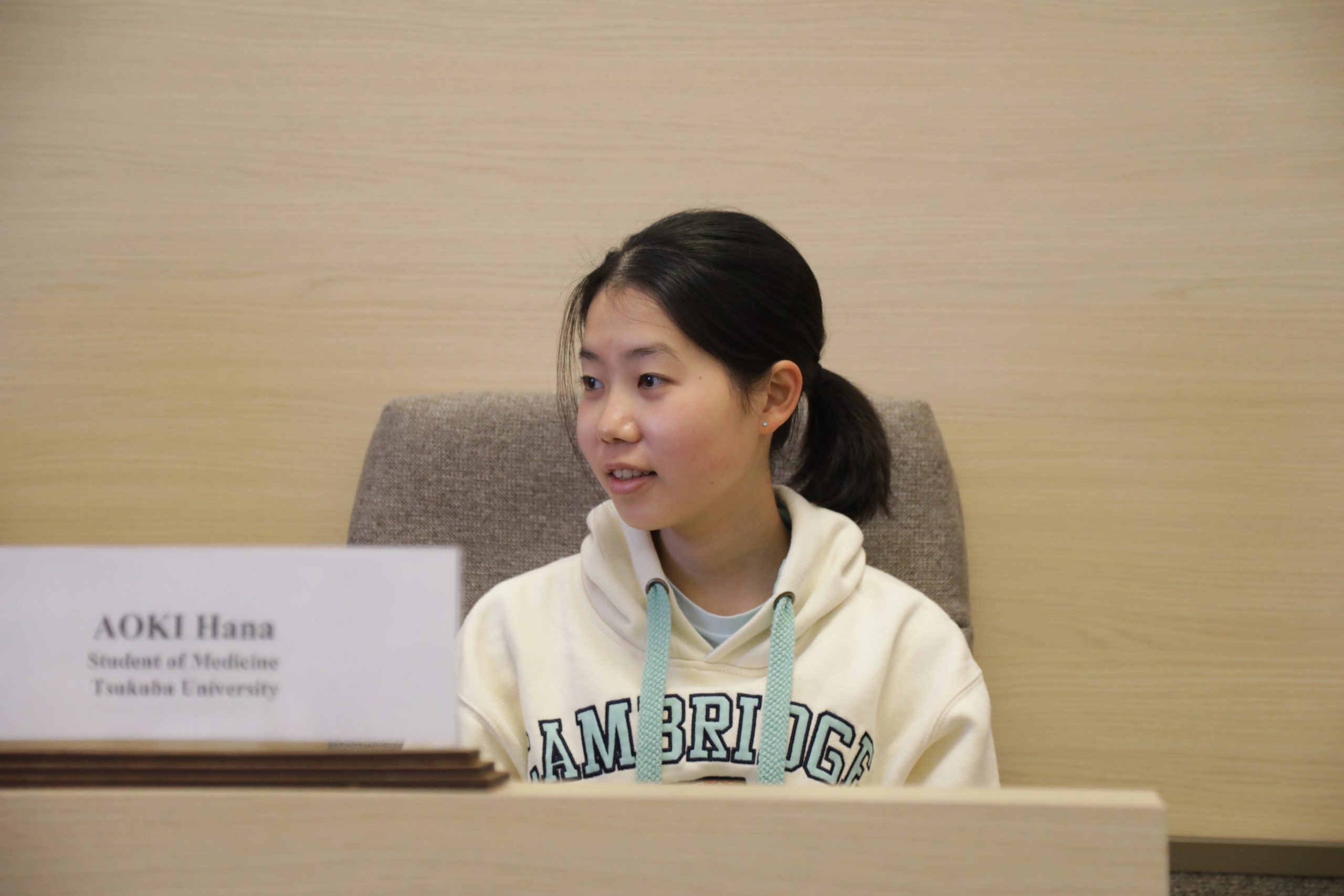
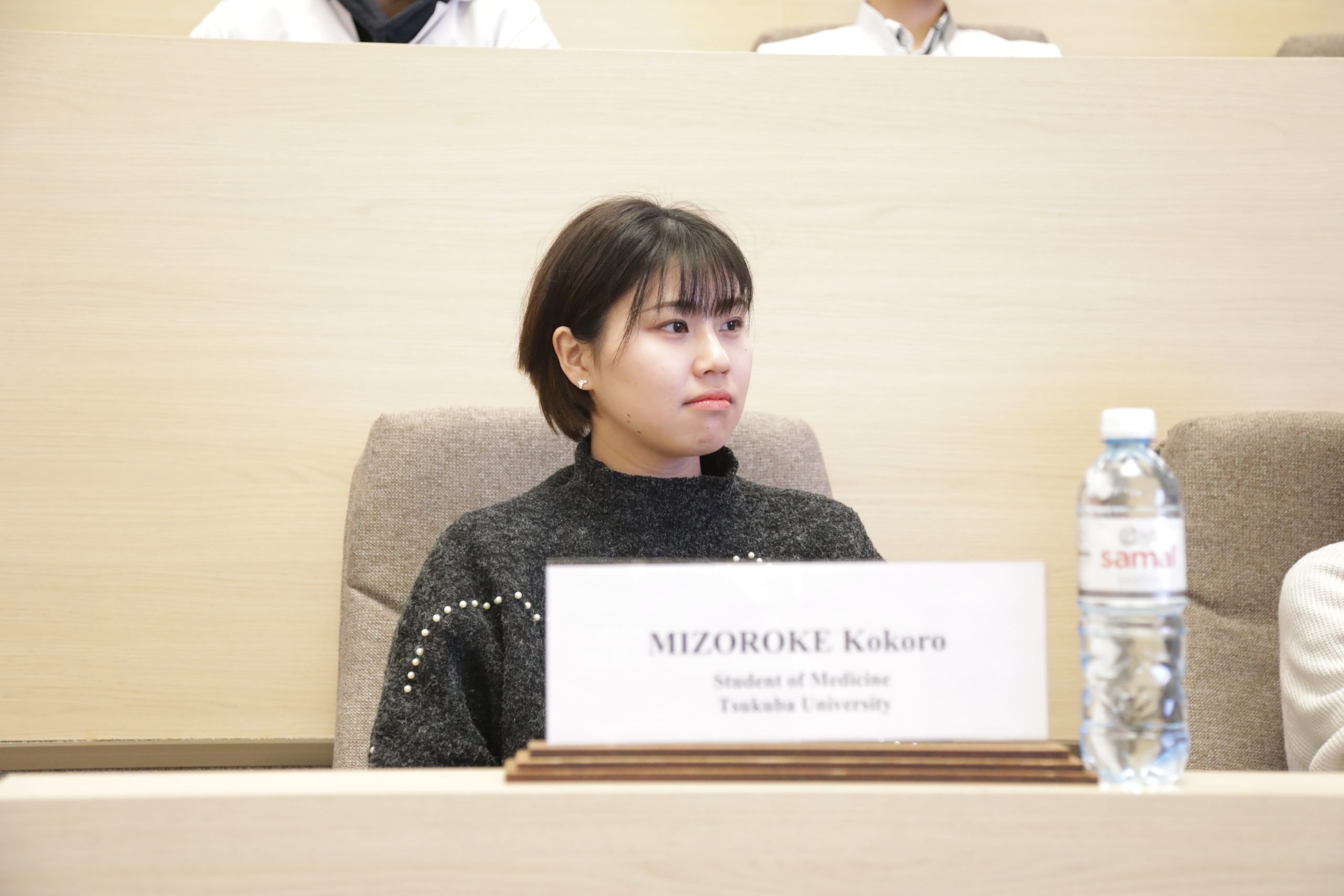
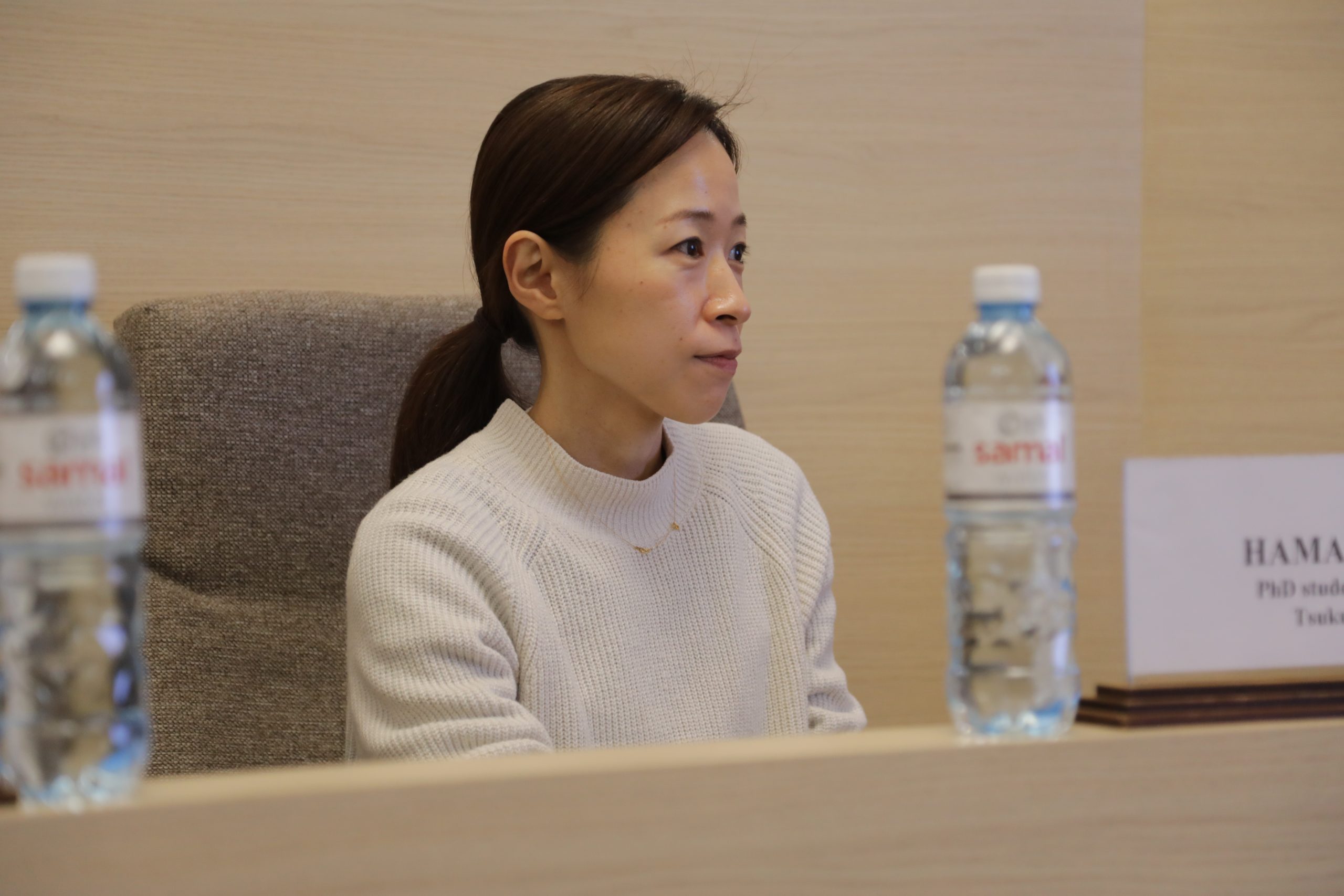
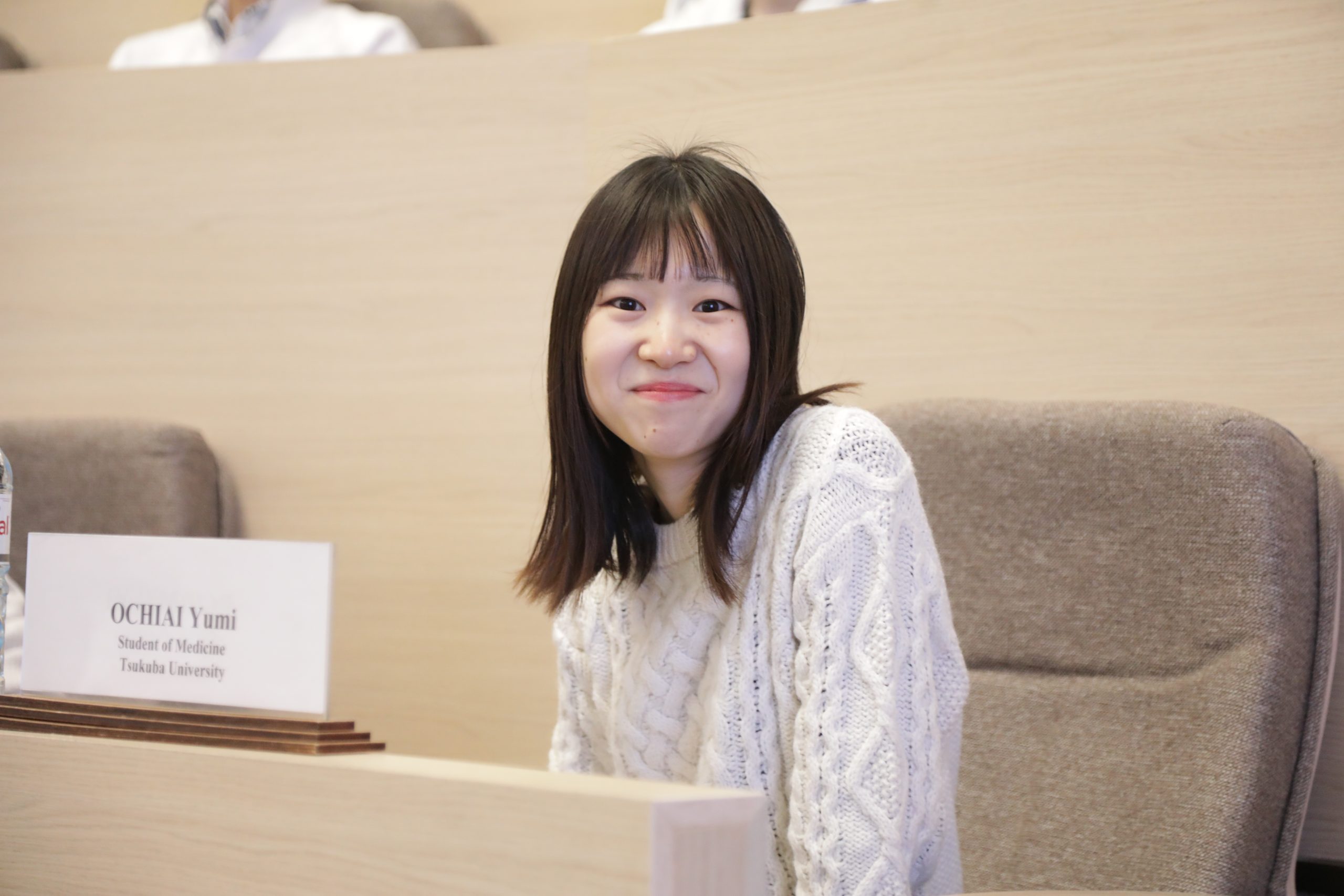
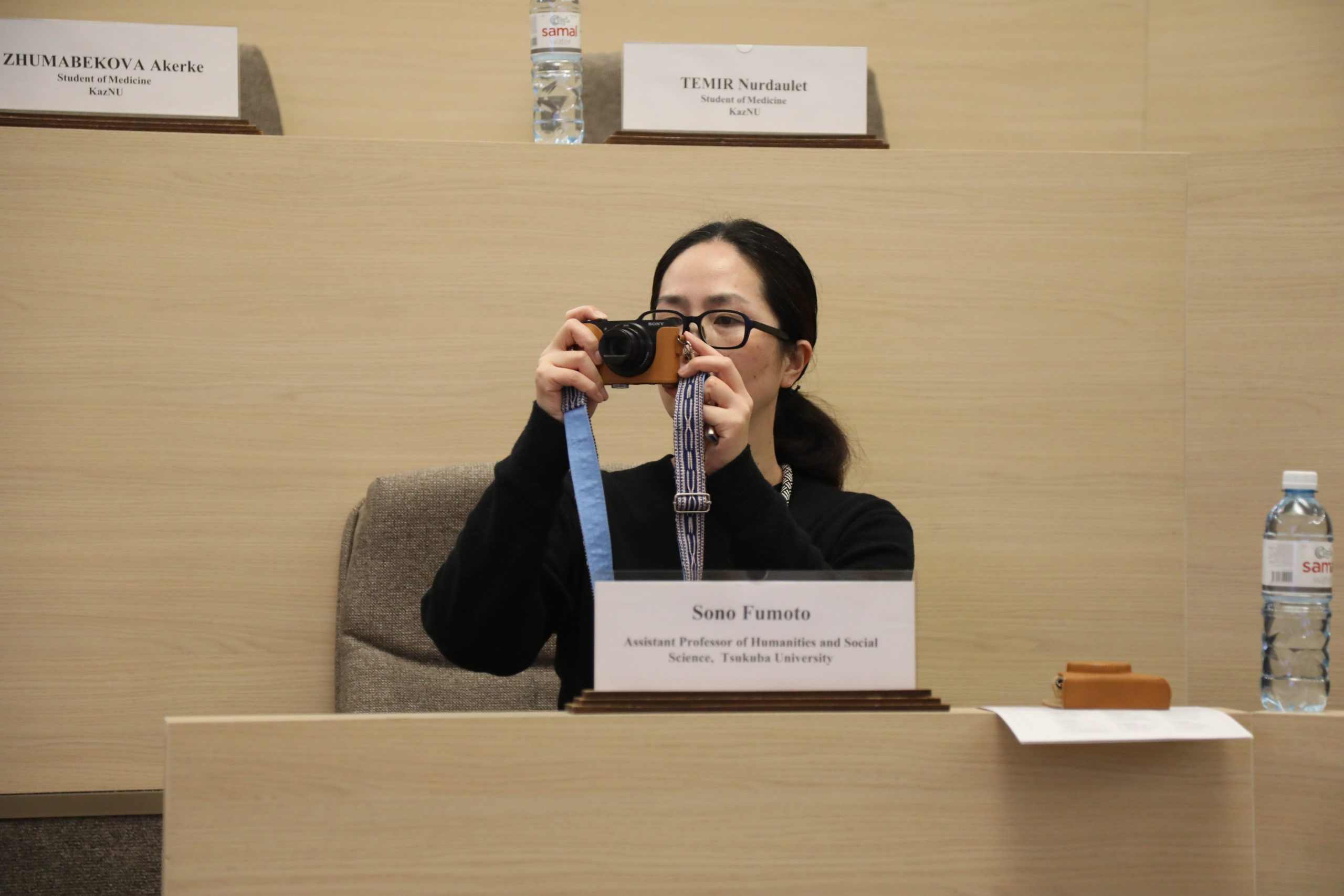
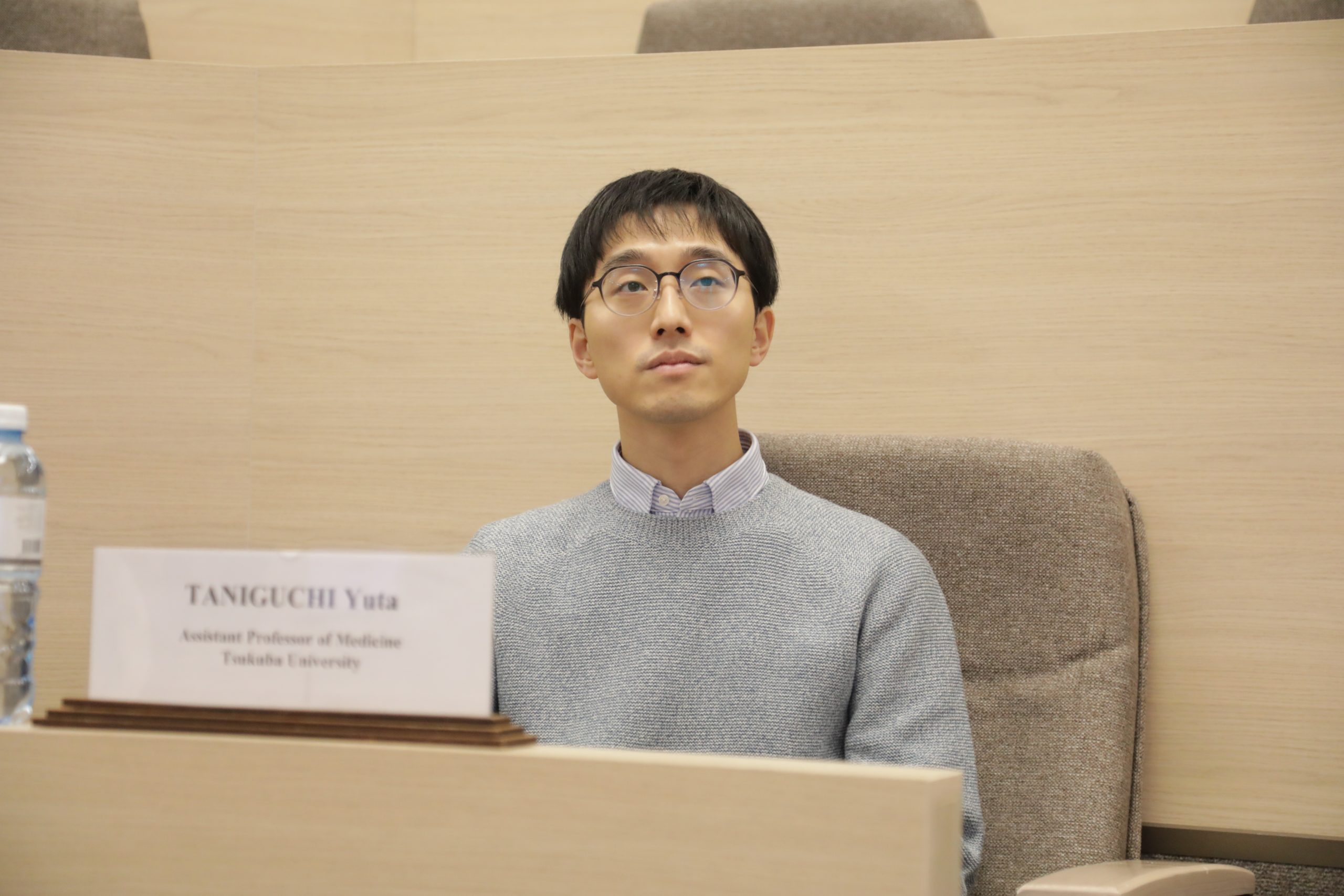
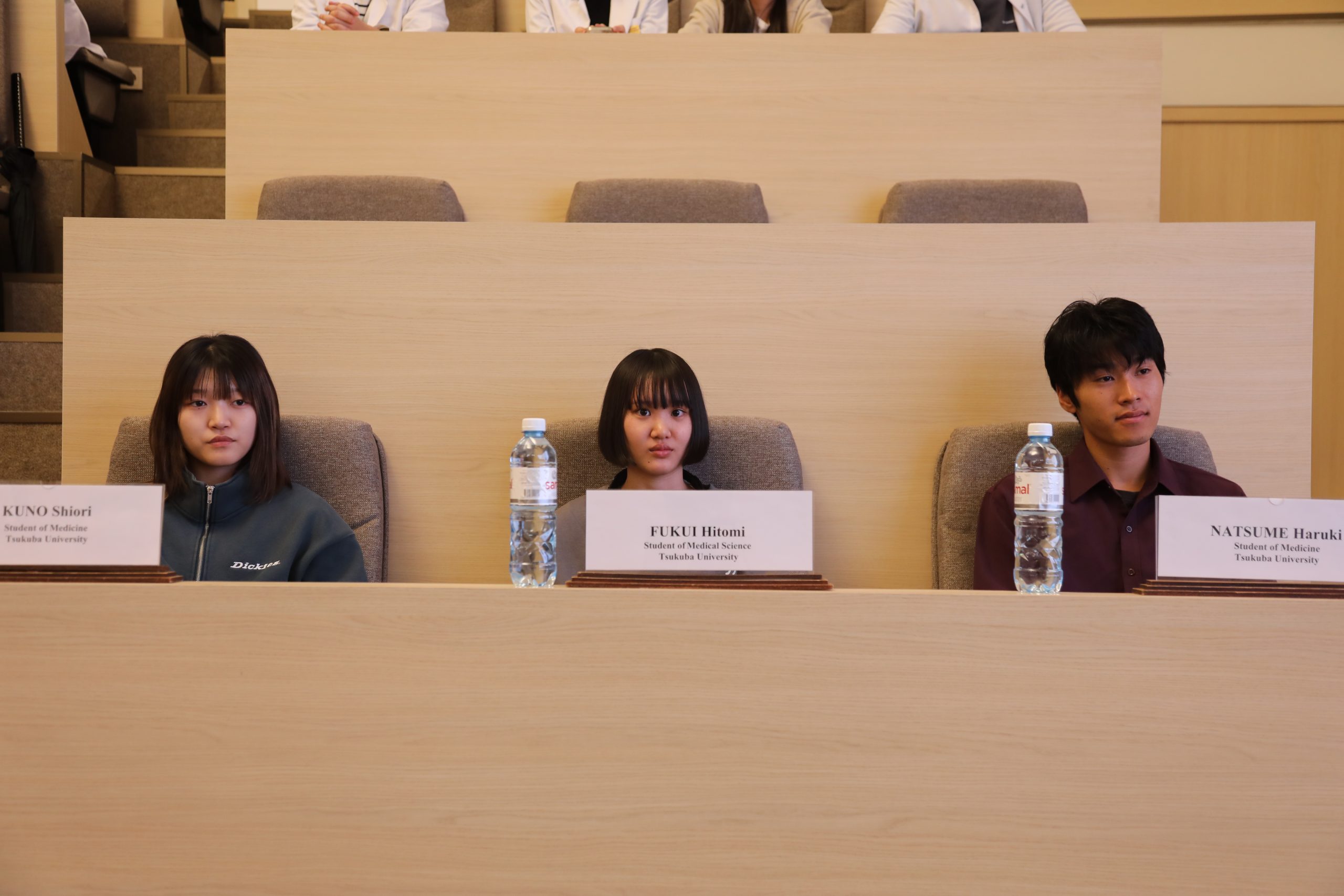
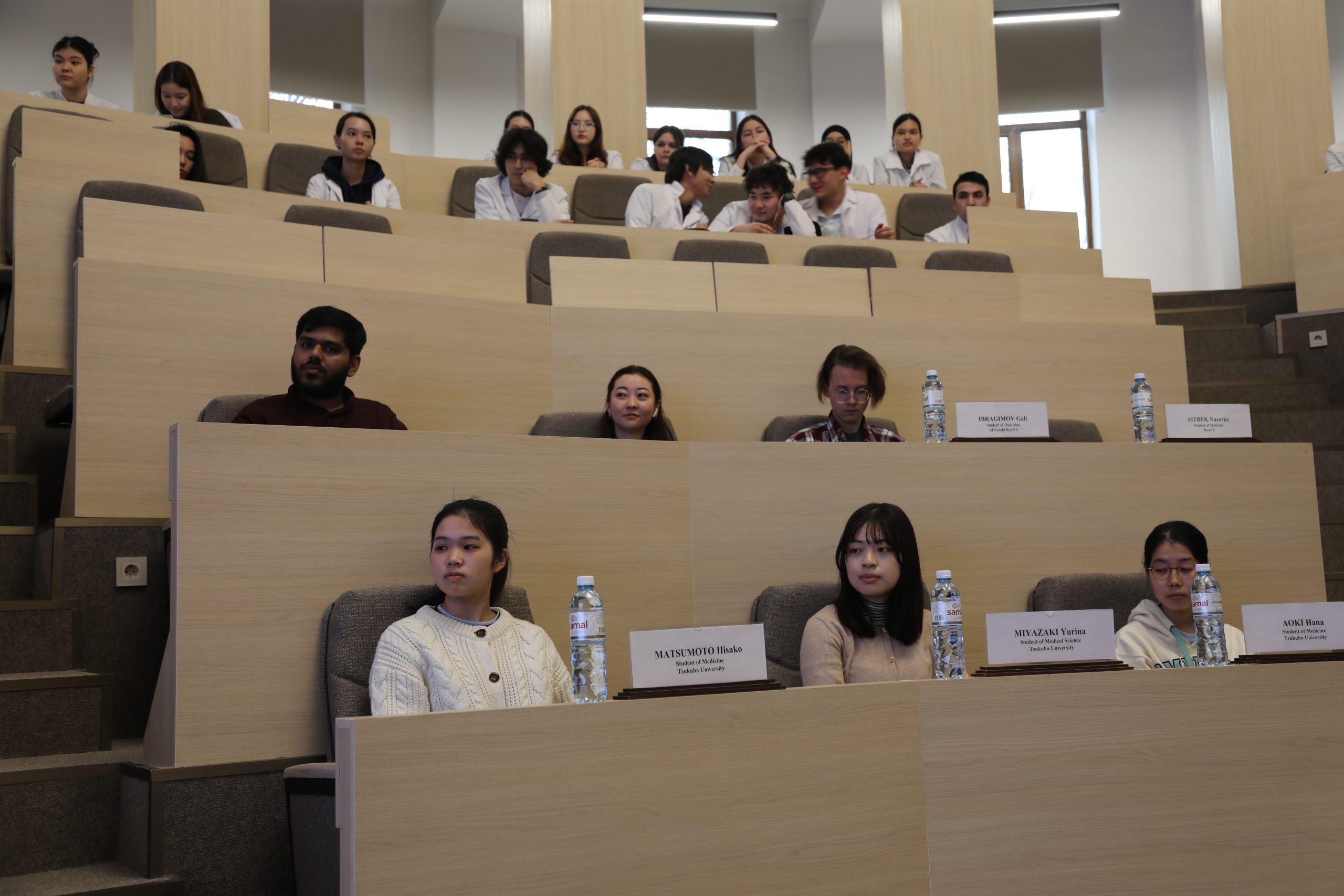
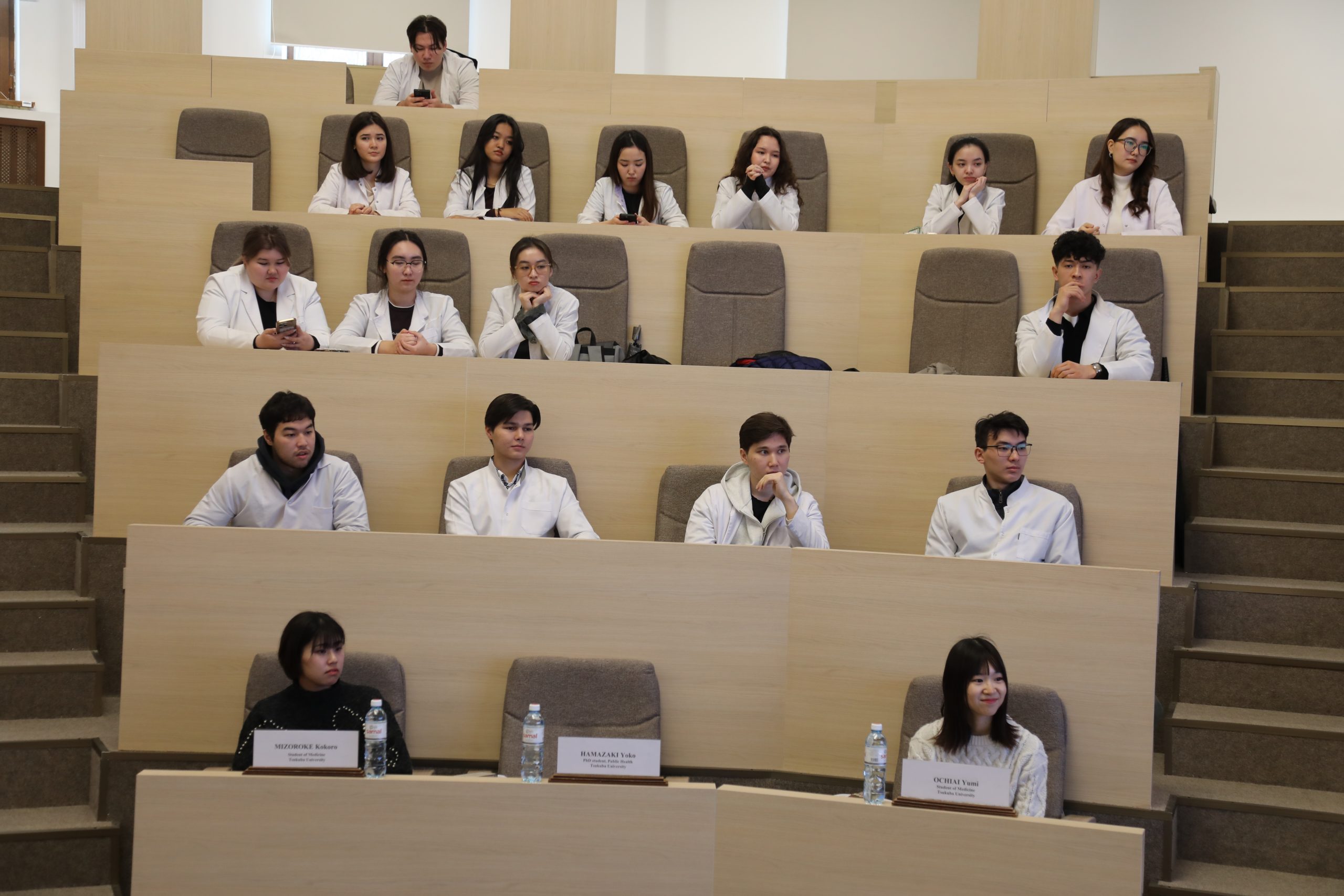
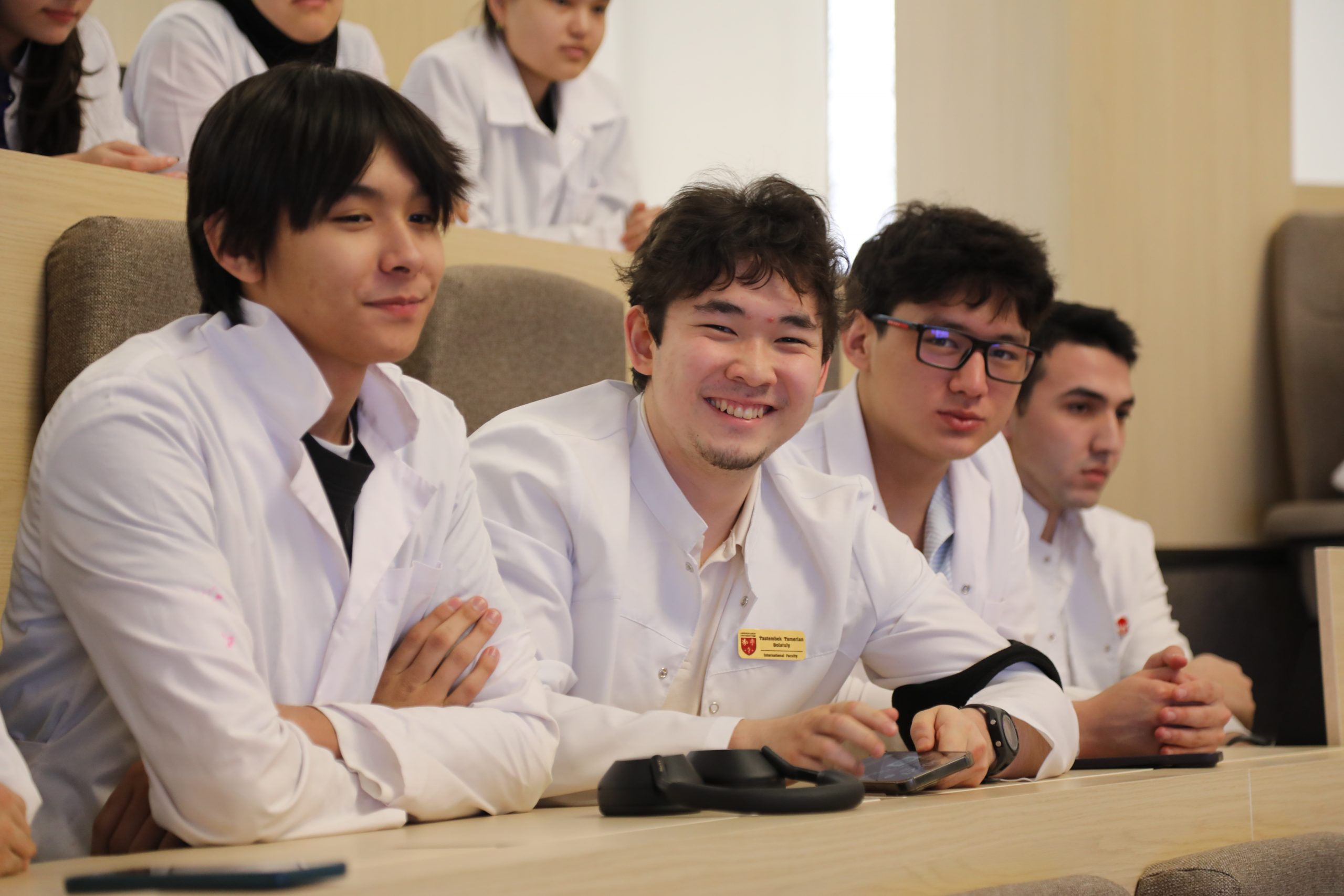
The meeting brought together faculty members, researchers, and students from both universities. The delegation from the University of Tsukuba was led by Professor Yusuke Kobayashi, Assistant Professor of Humanities and Social Sciences Sono Fumoto, and Assistant Professor Yuta Taniguchi. Students from the medical faculties of both countries actively participated in the discussions, including students from Al-Farabi Kazakh National University.
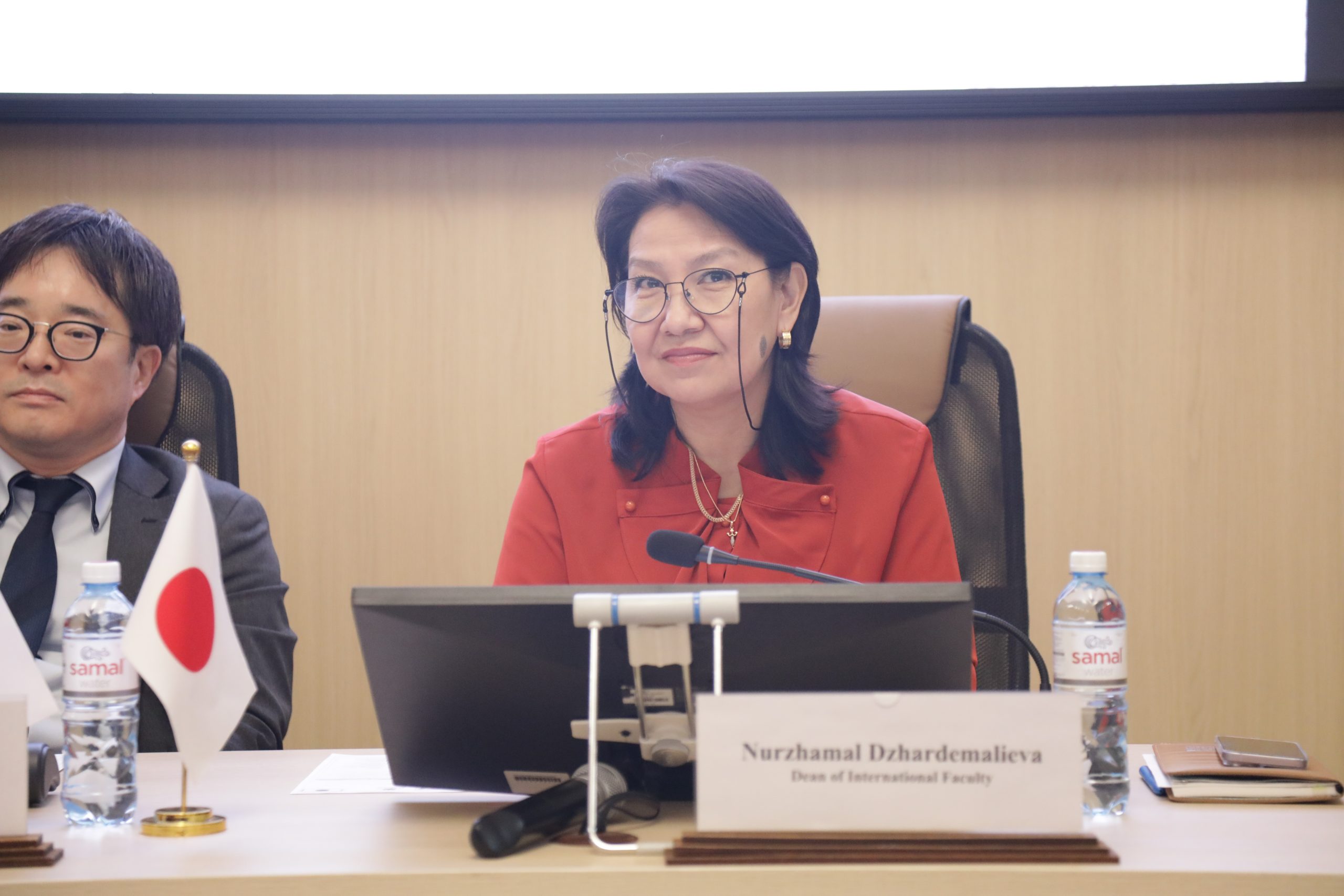
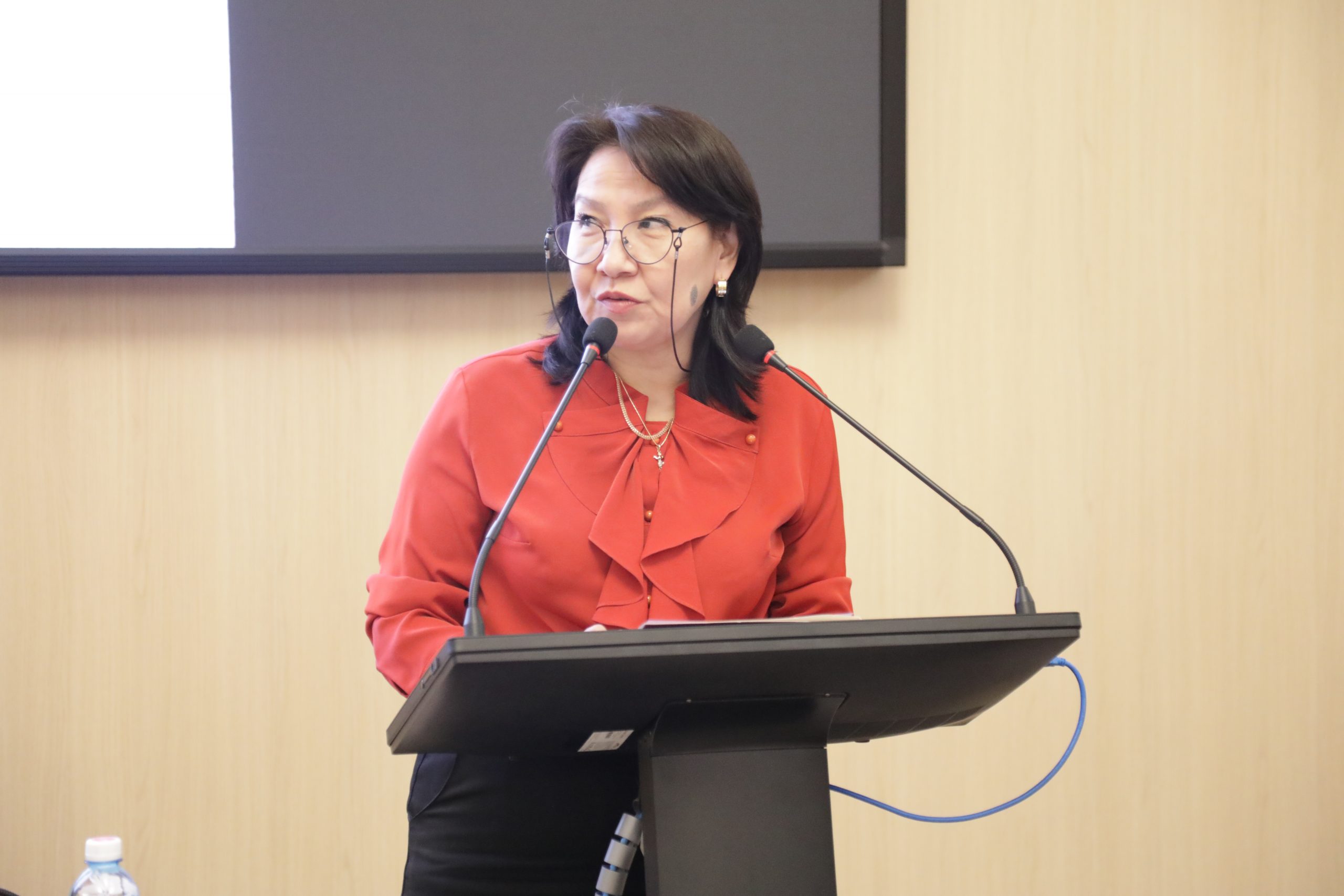
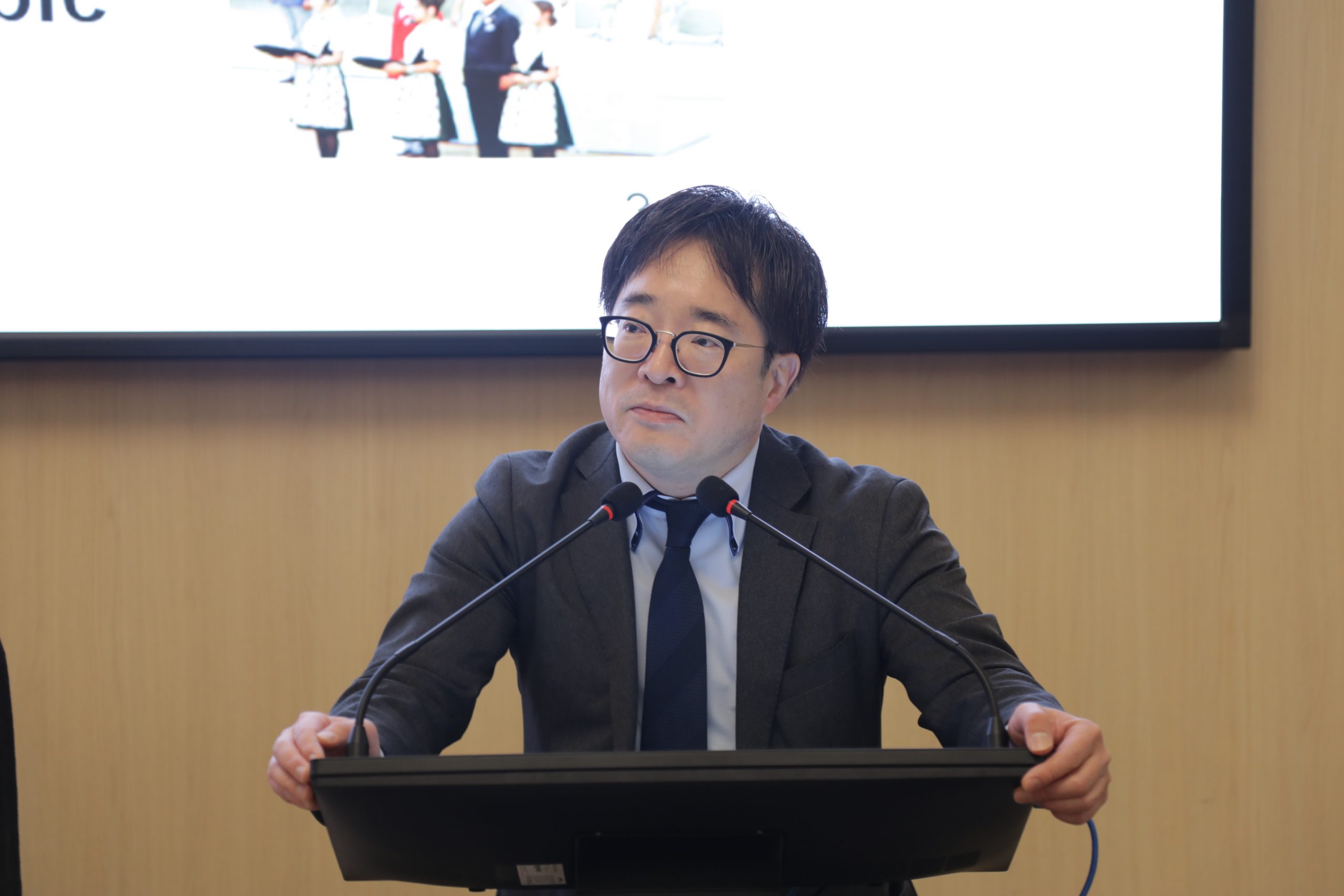
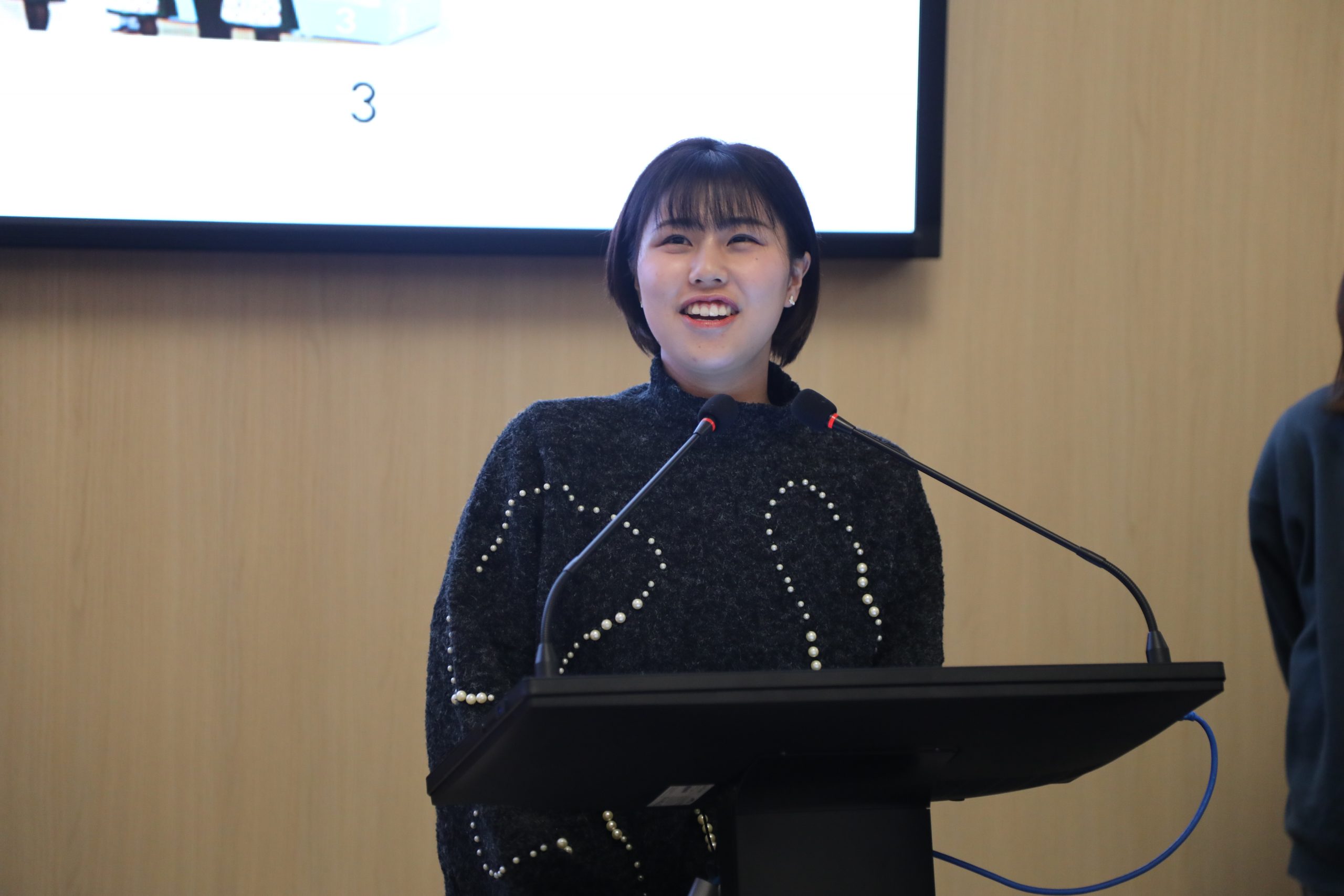
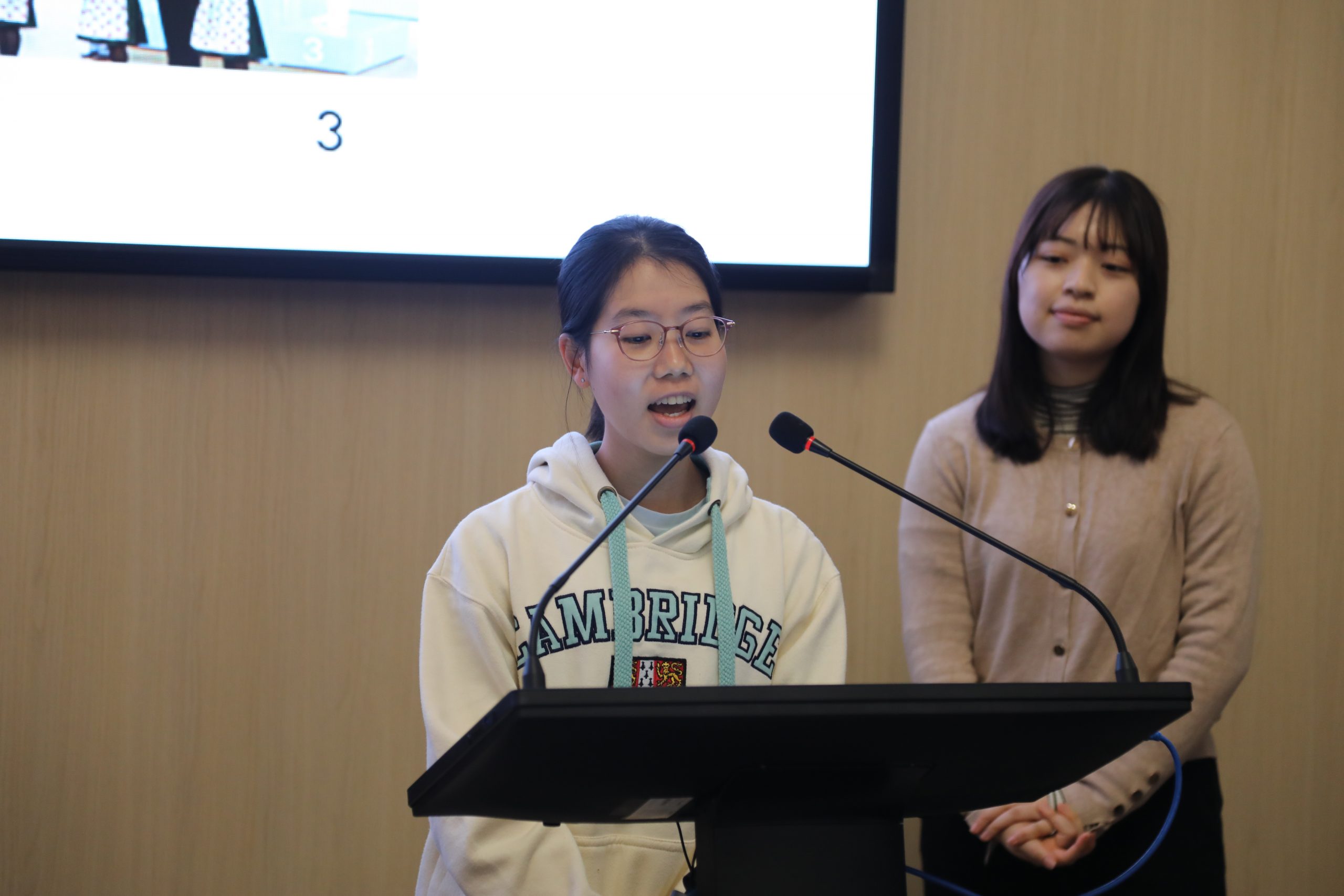
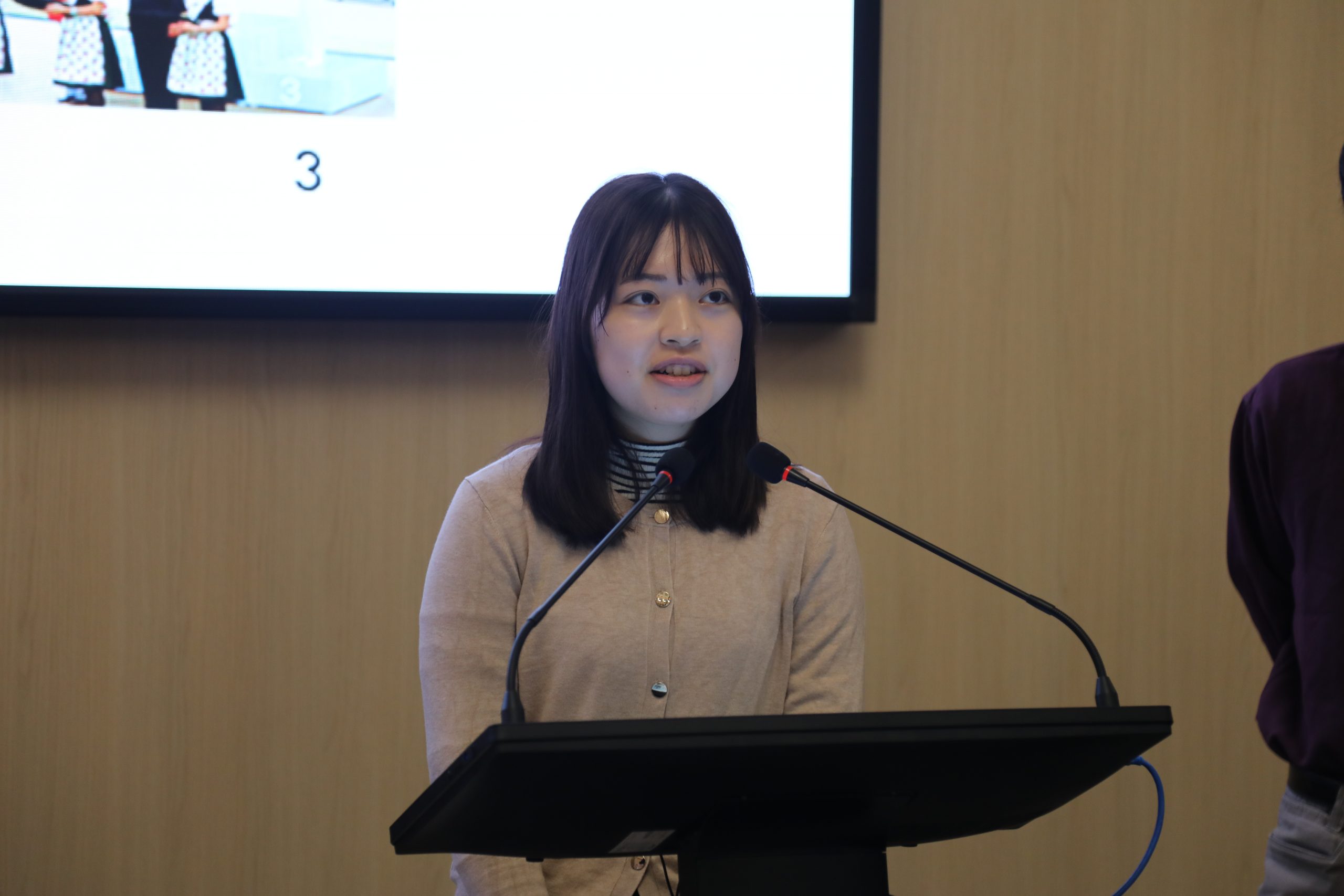
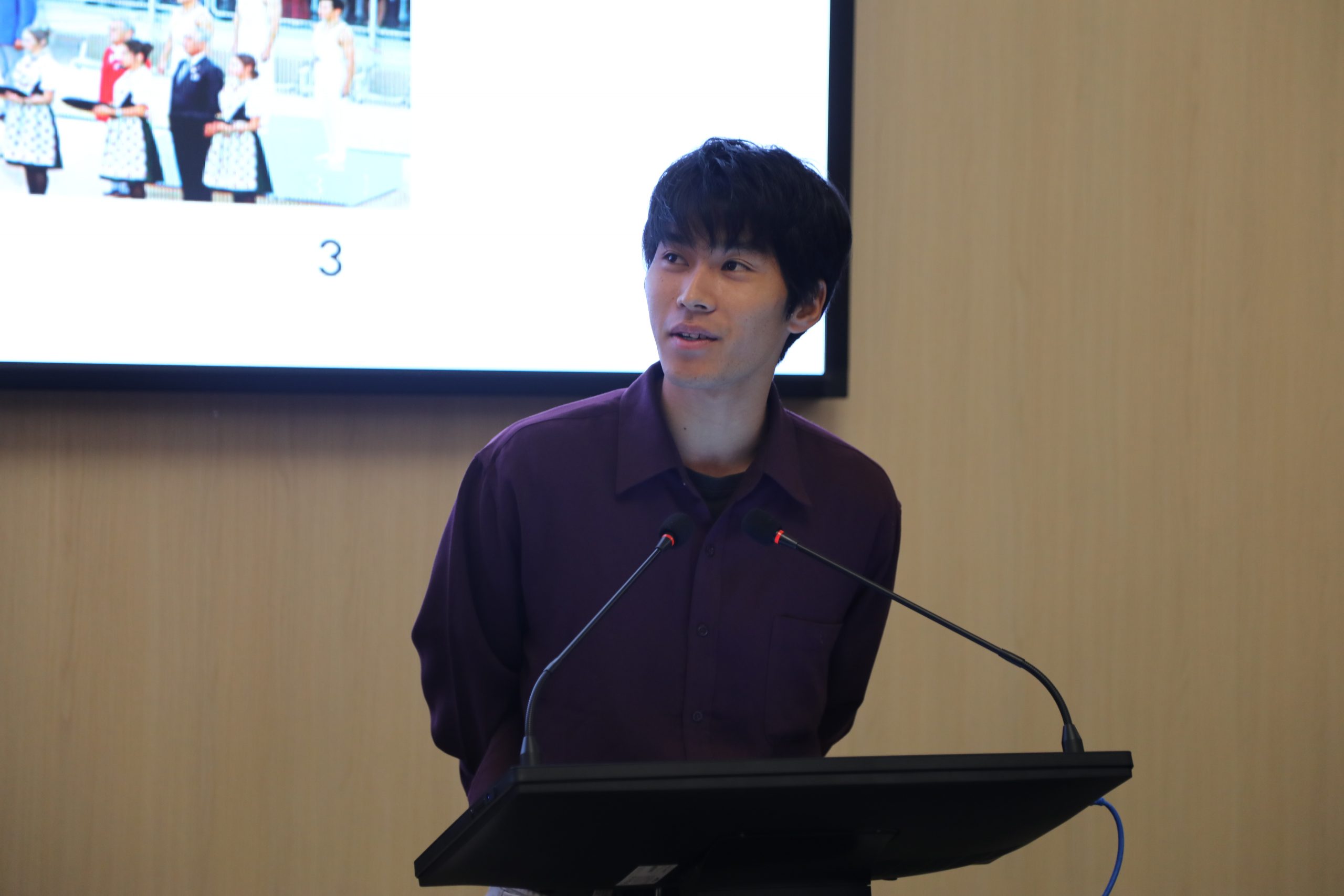
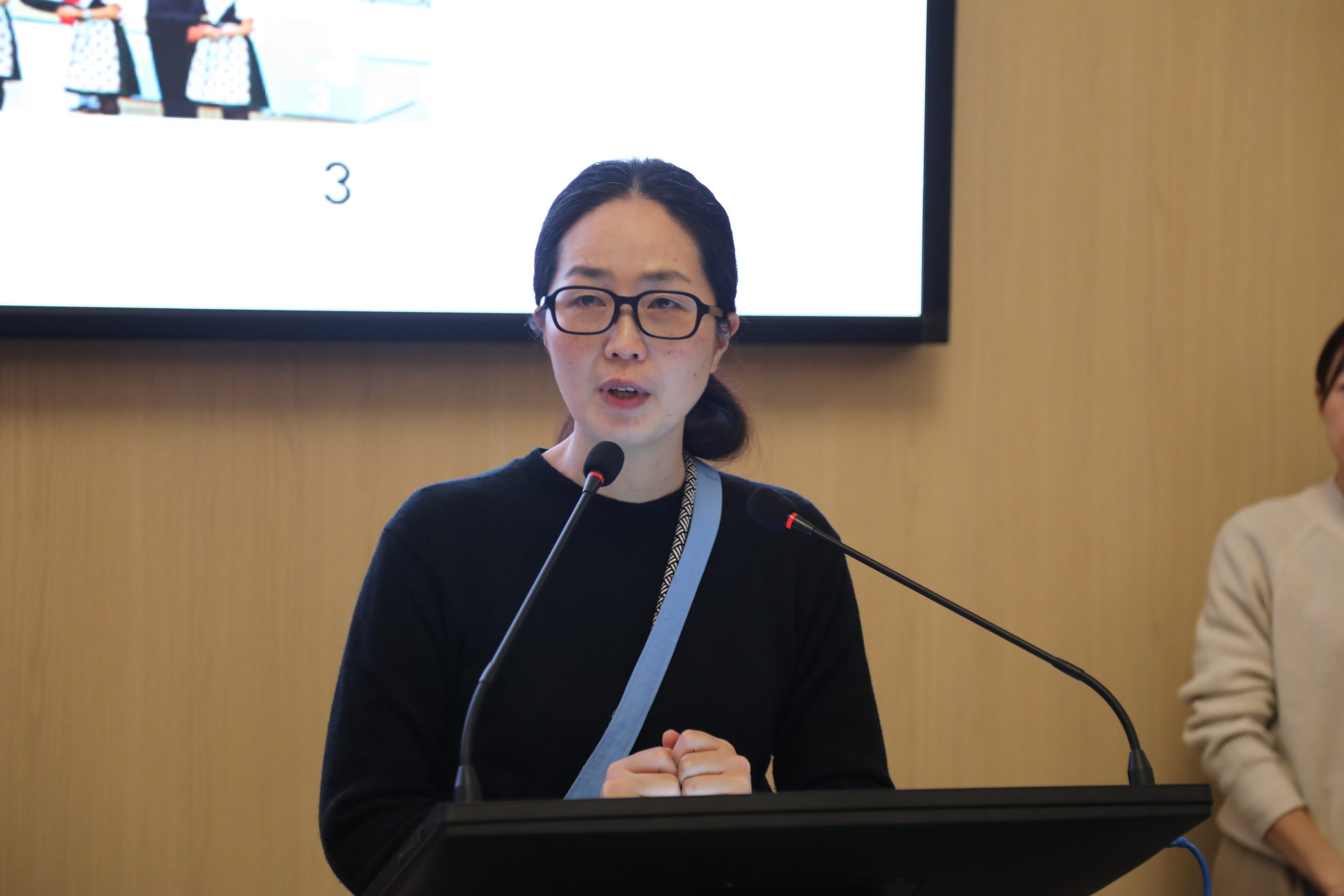
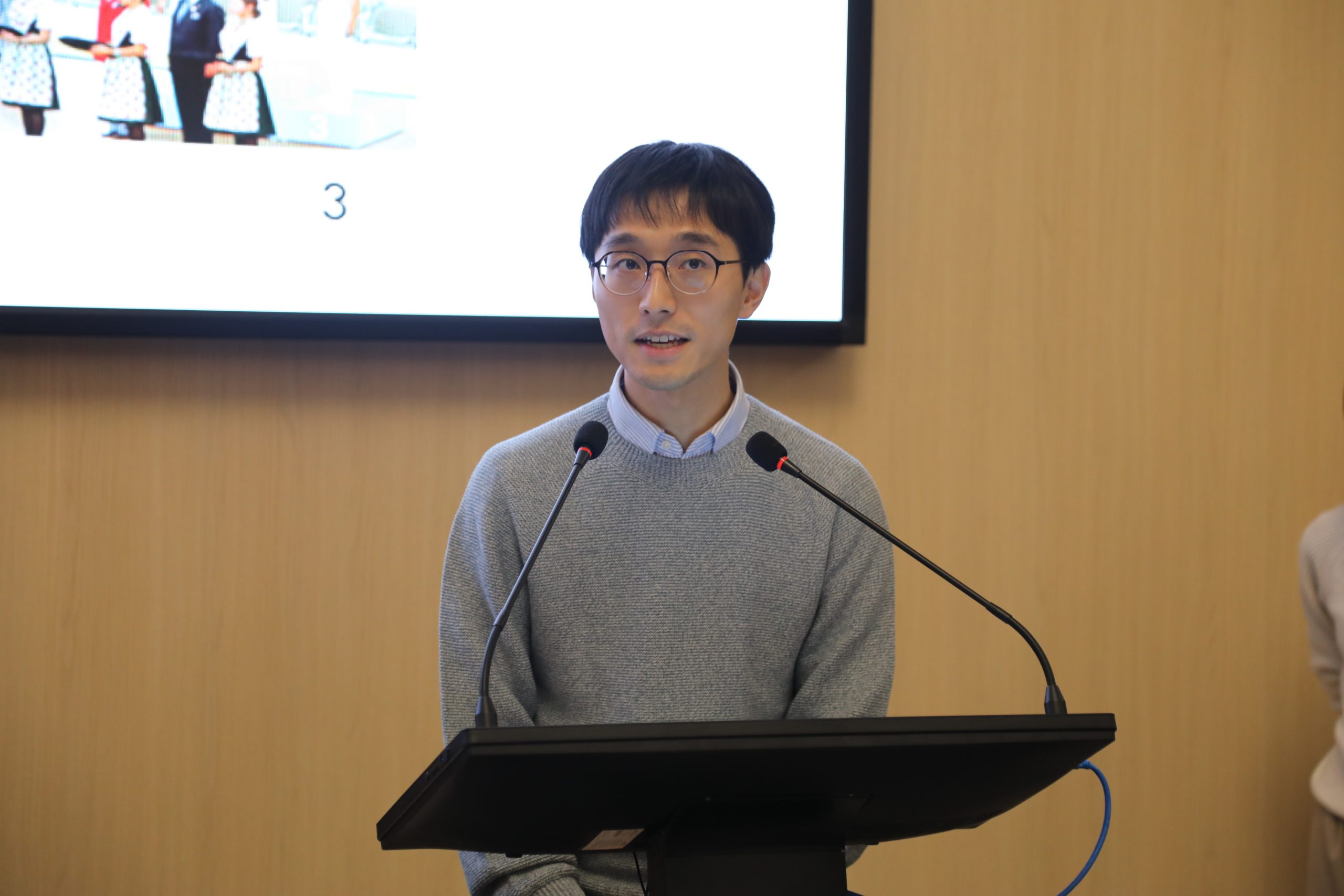
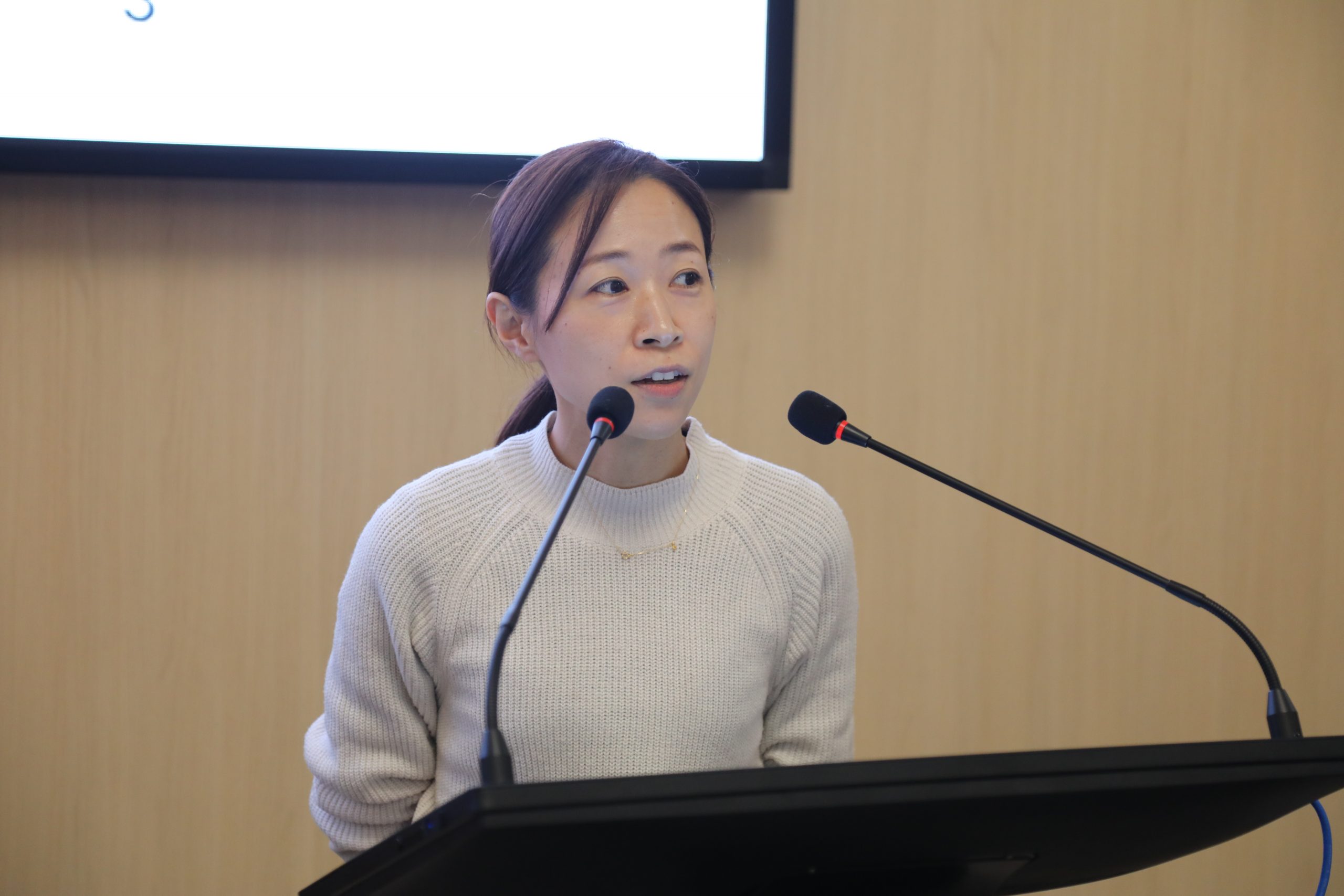
The opening remarks were delivered by Nurzhamal Jardemalieva, Dean of the International Faculty of KazNMU. As part of the opening session, presentations of both universities were delivered, along with a lecture on the healthcare system of Kazakhstan.
Dialogue of Civilizations: How Traditions and Beliefs Influence Medical Practice
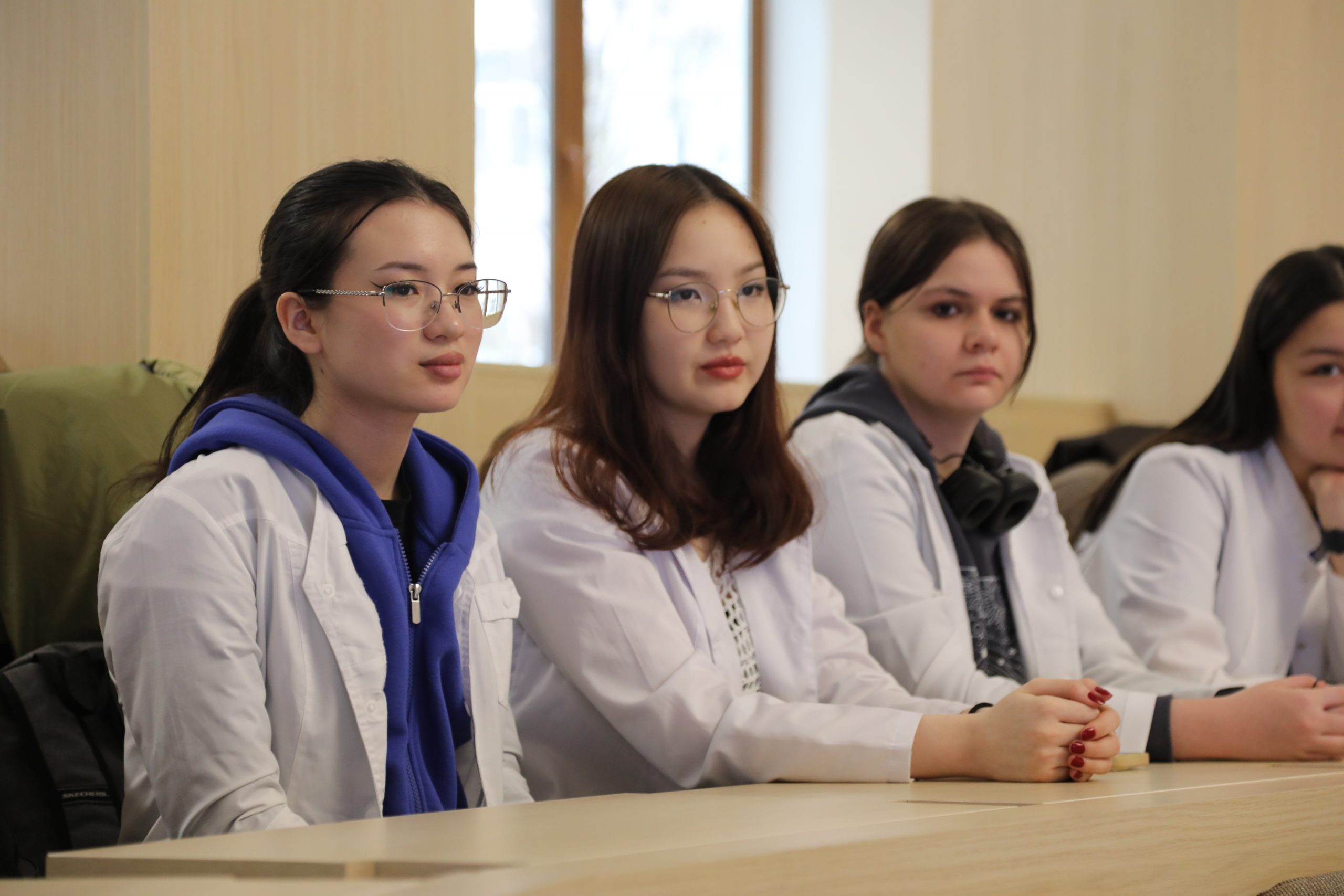
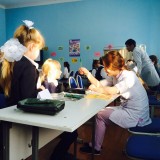
The central part of the meeting program was the collaborative work of students in mixed teams. Participants, divided into three groups, explored pressing issues in medicine, moving from global challenges to specific cultural and ethical aspects. The discussions addressed topics ranging from the influence of religion and national traditions on everyday clinical practice to complex moral dilemmas related to organ donation. In the mixed international groups, students from both countries shared their personal experiences and knowledge on how patients’ traditions and beliefs can influence diagnosis, treatment, and interaction within the doctor–patient relationship.
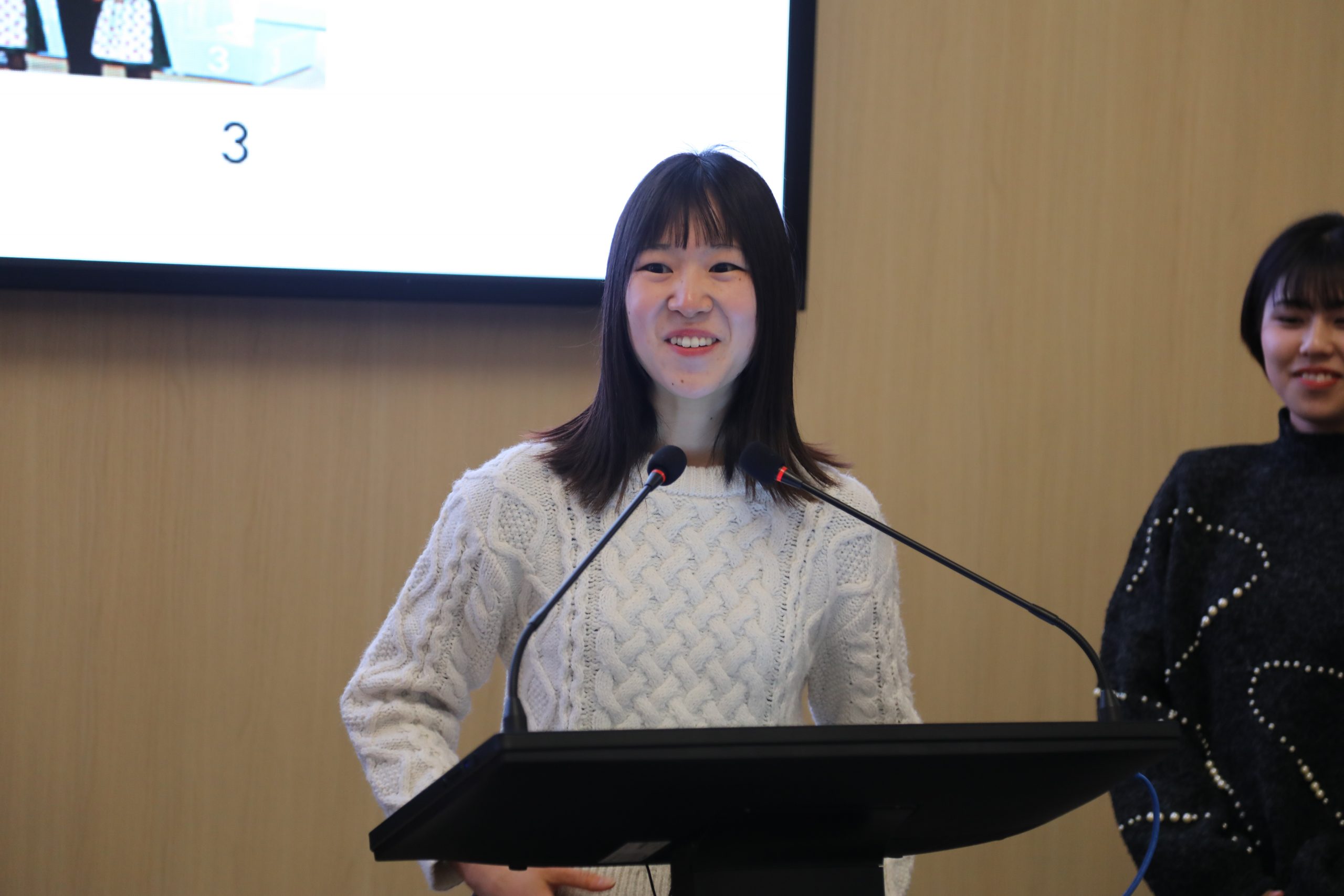
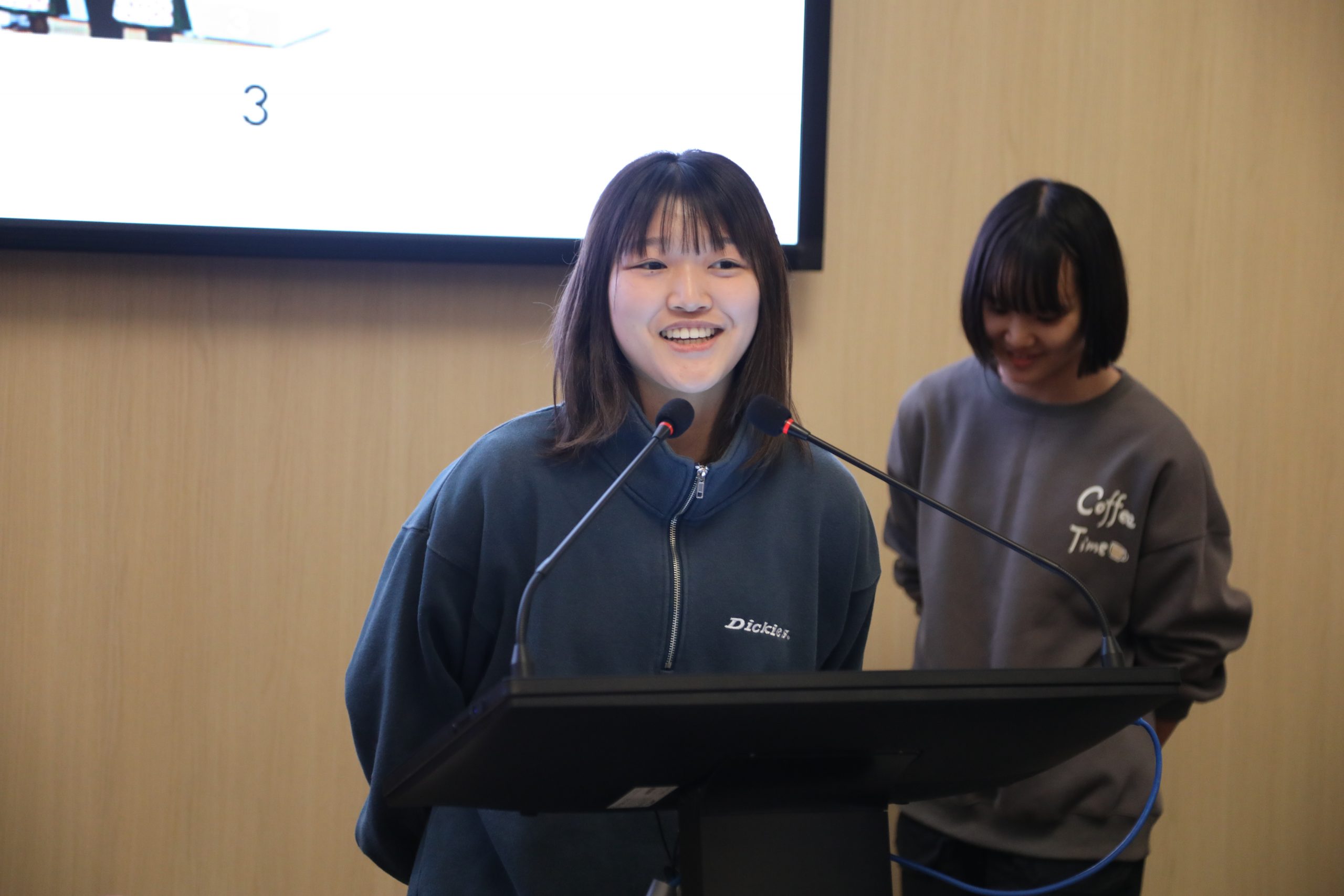
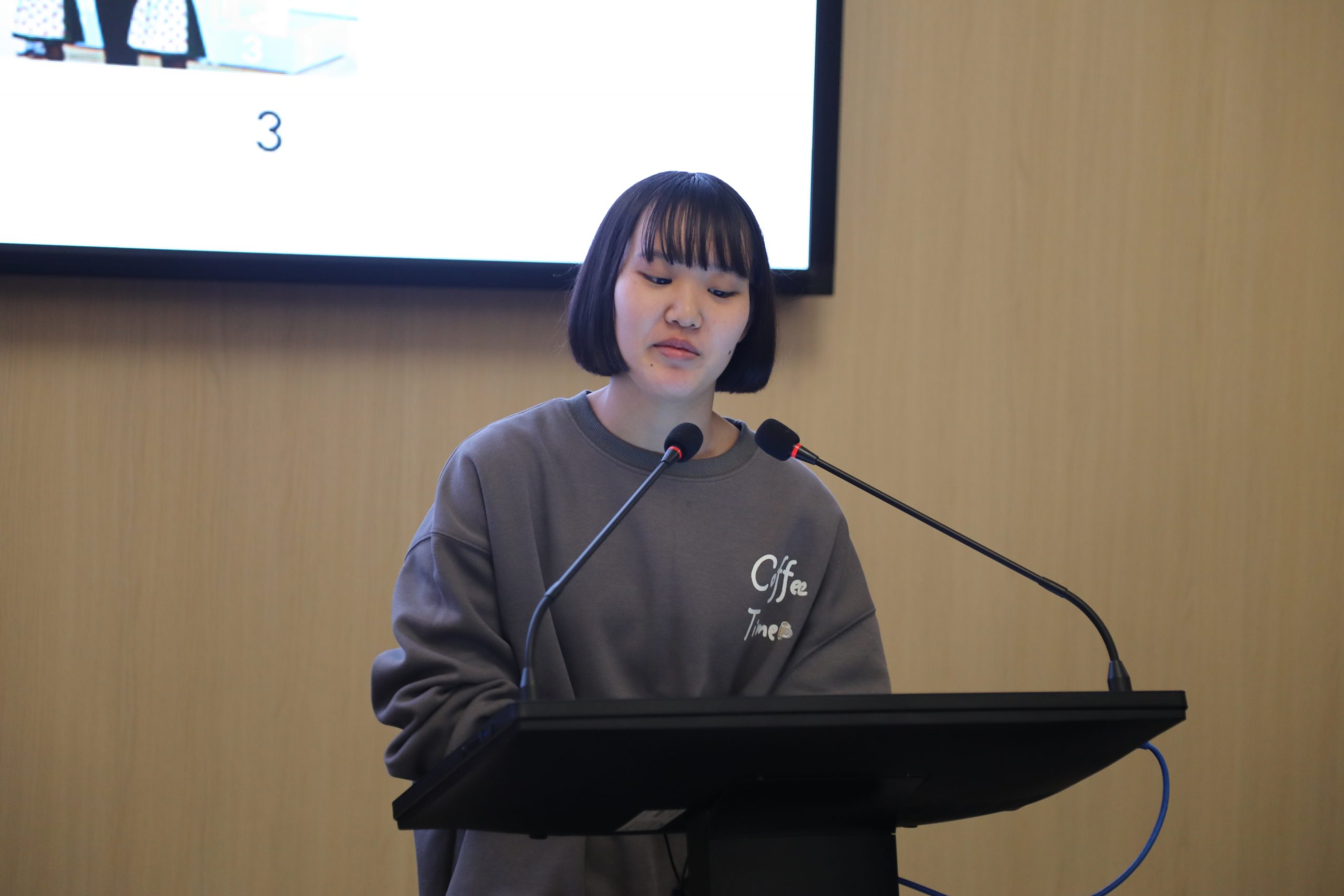
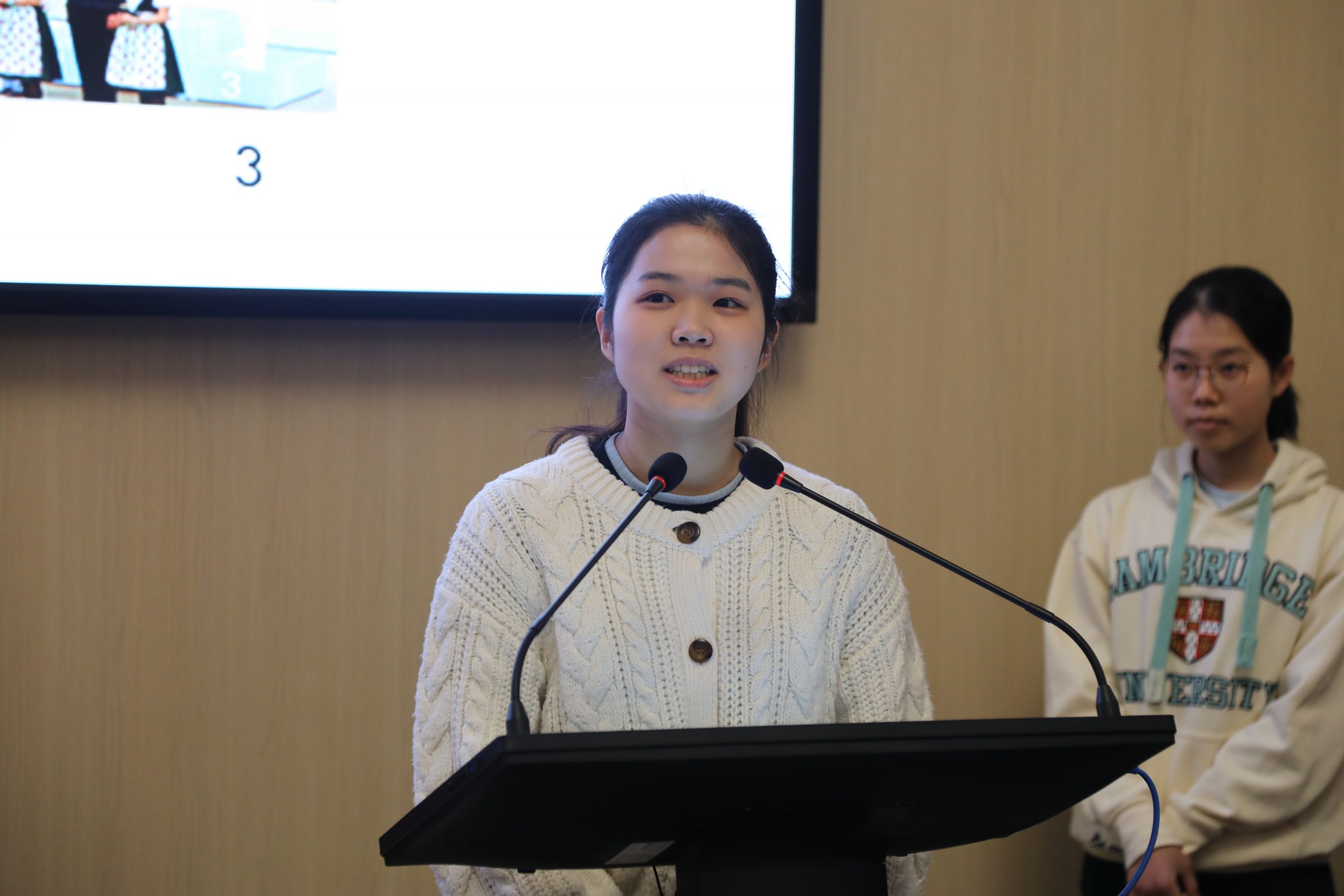
The final team presentations created a particularly engaging atmosphere. Instead of traditional reports, participants presented the results of their discussions through short performances and role-playing scenarios. Students acted out dialogues between doctors and patients facing cultural or religious barriers, and also modeled complex ethical situations related to organ donation.
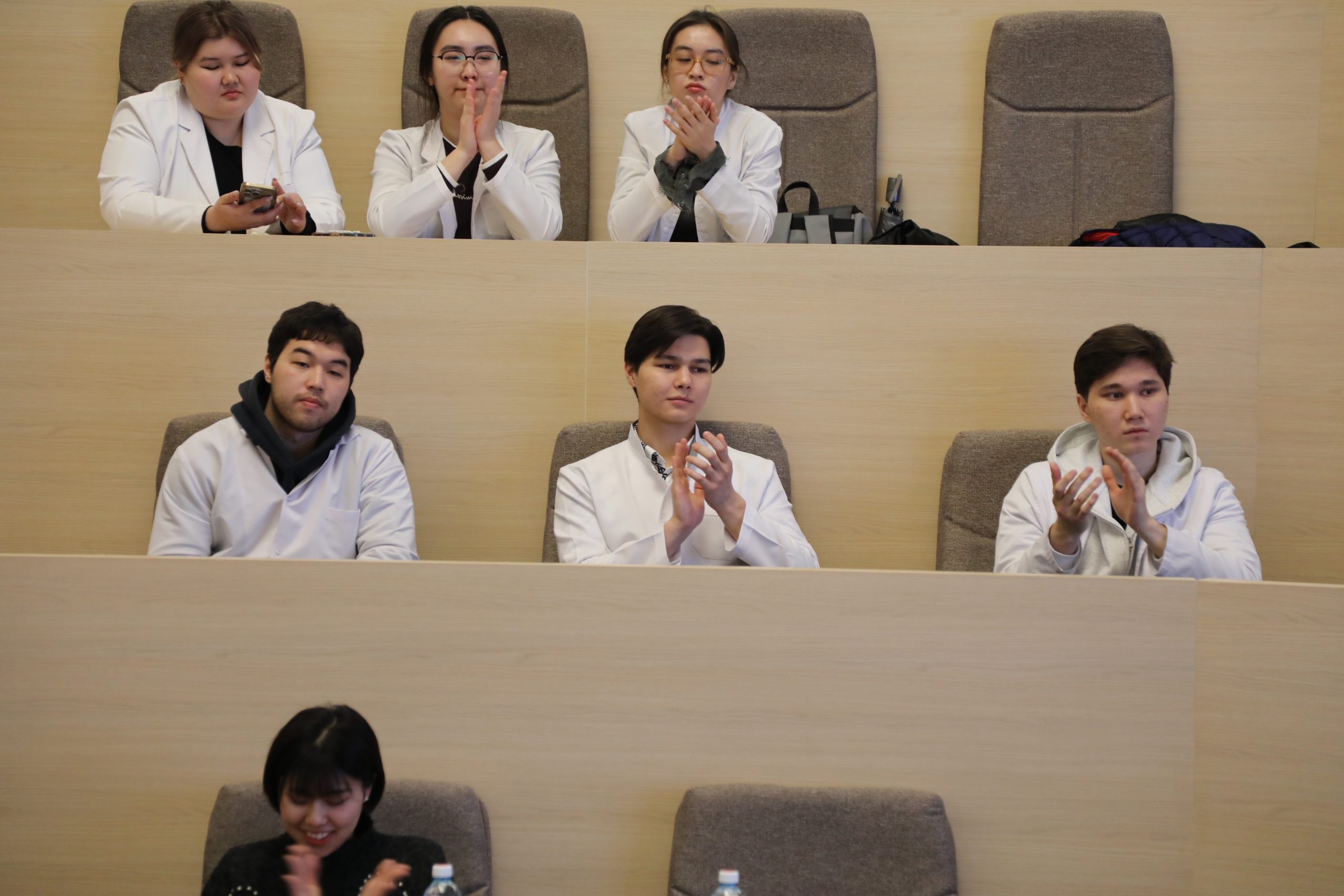
This interactive format not only vividly demonstrated the conclusions of the discussions but also engaged the audience, showing how theoretical knowledge can be applied in real clinical practice. The creative approach of the teams received a strong response from the audience and highlighted the importance of empathy and cultural sensitivity in the work of future physicians.
Holding such academic meetings contributes to the development of intercultural dialogue, strengthens academic mobility, and promotes the exchange of experience between students and faculty members from Kazakhstan and Japan.