“Orphan Diseases: Rare Patients — Complex Decisions” Resident Olympiad of the Department of Nervous Diseases
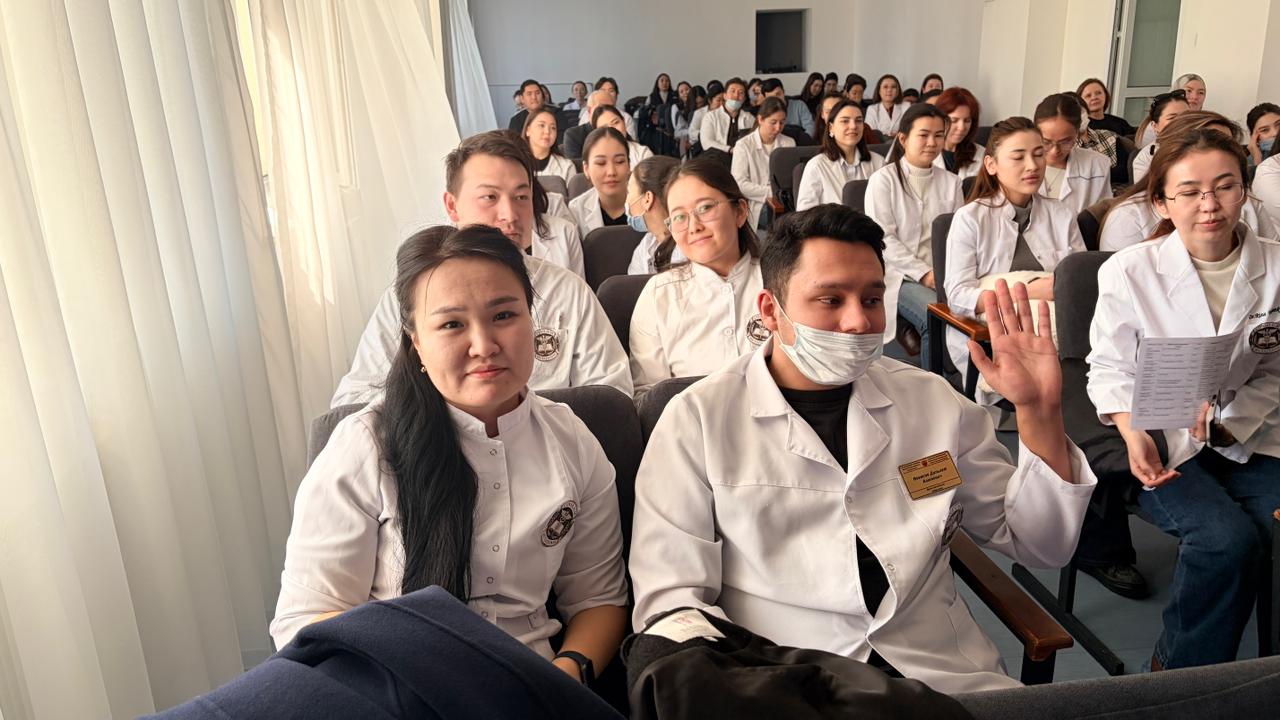
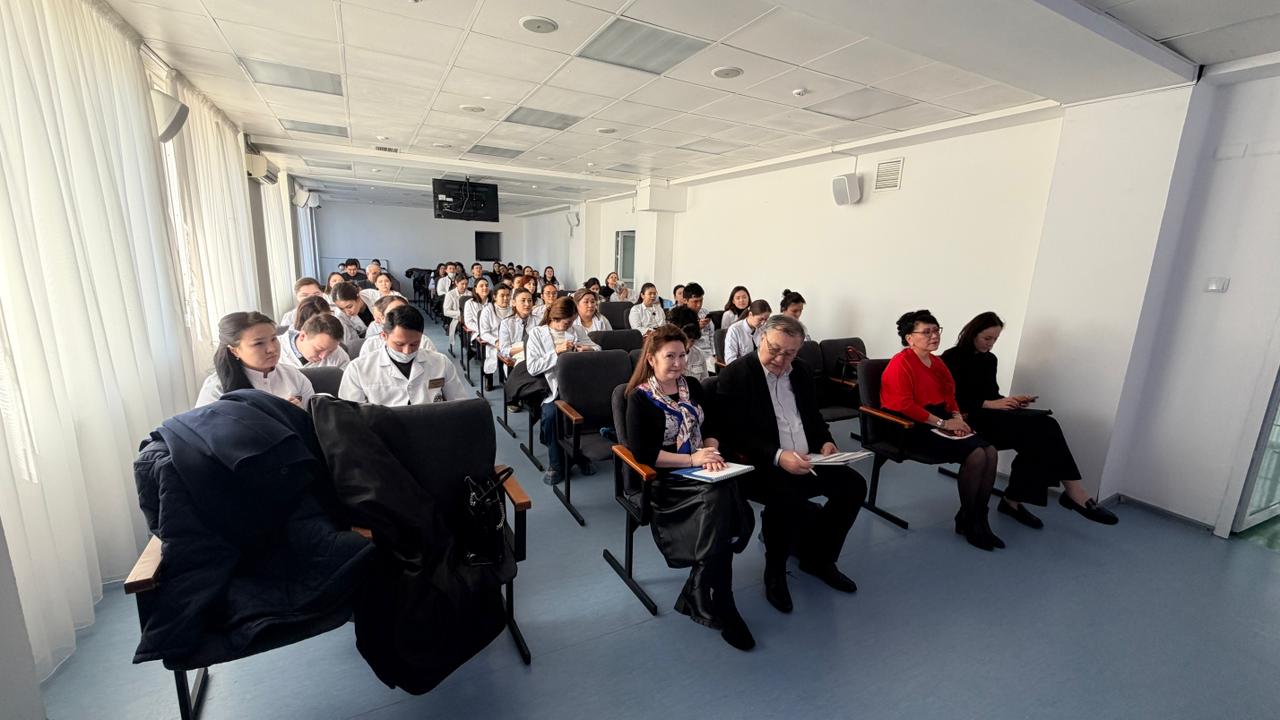
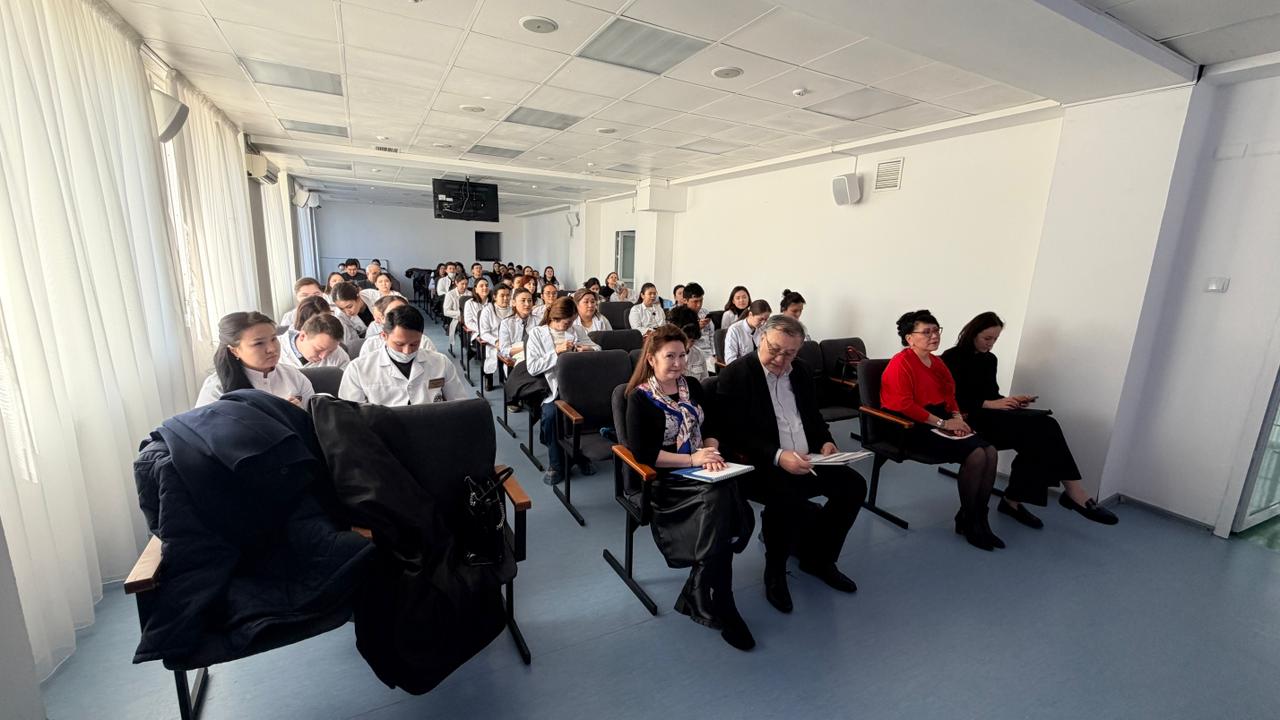
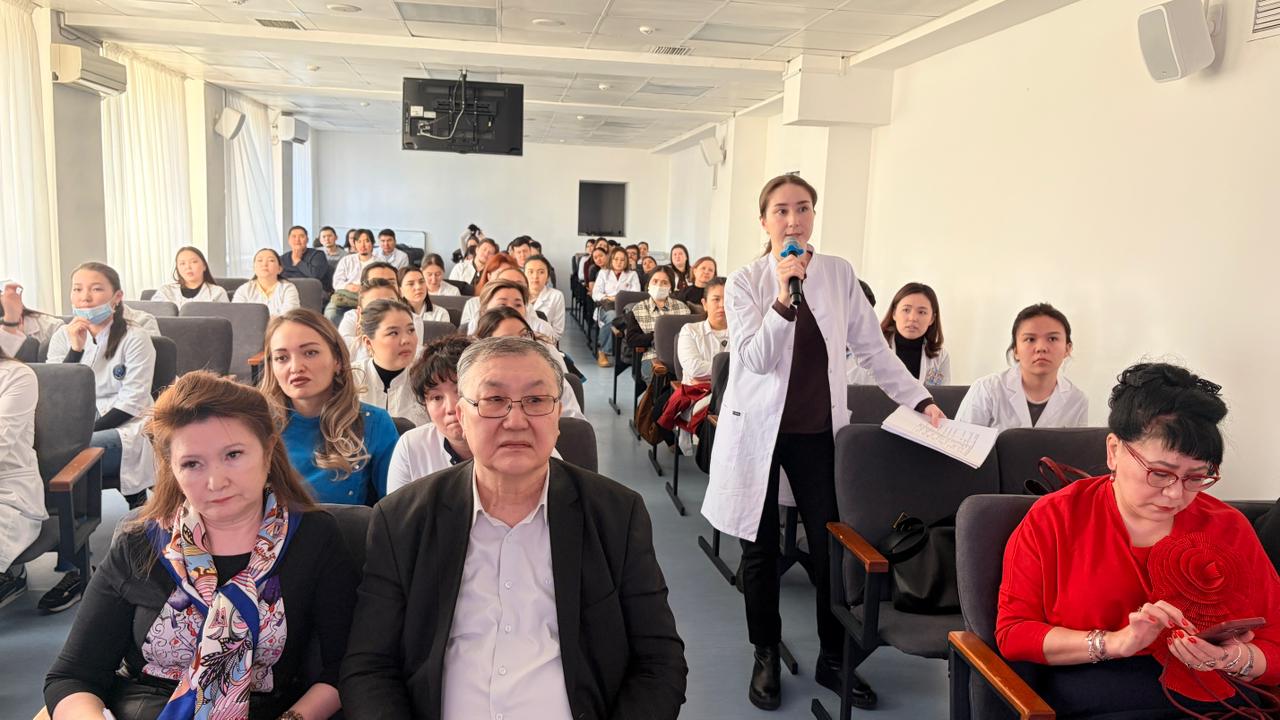
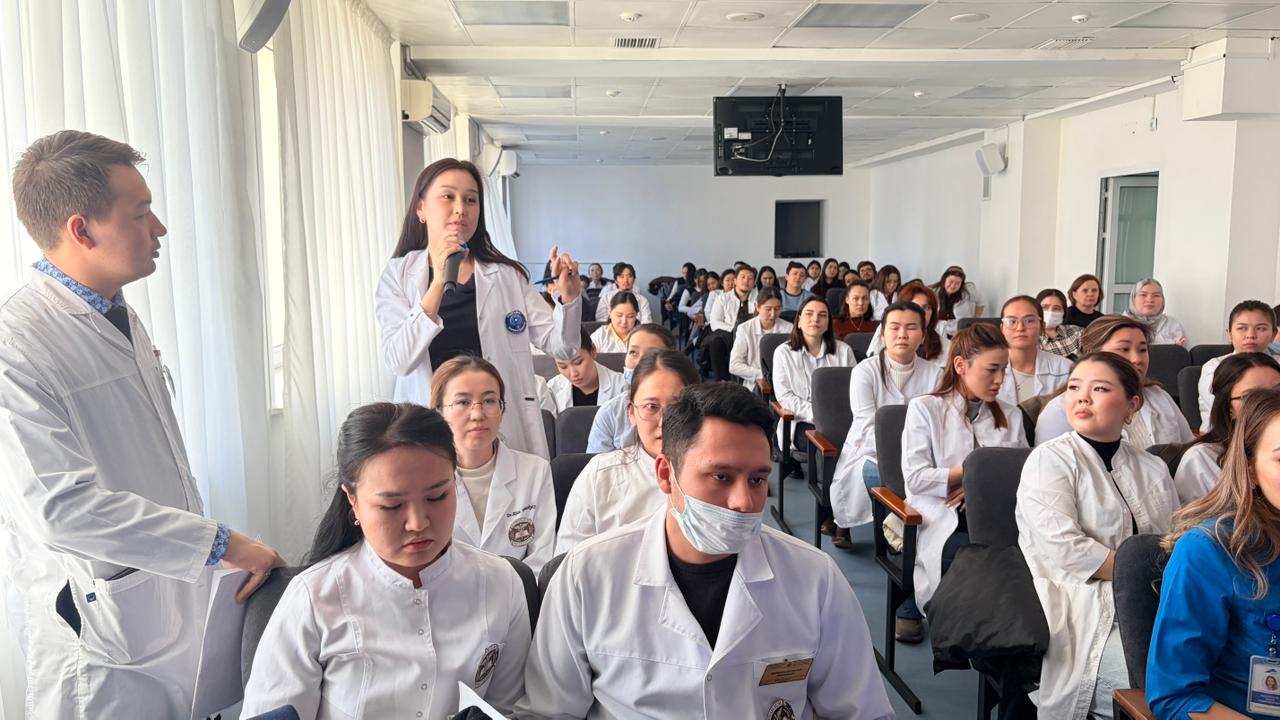
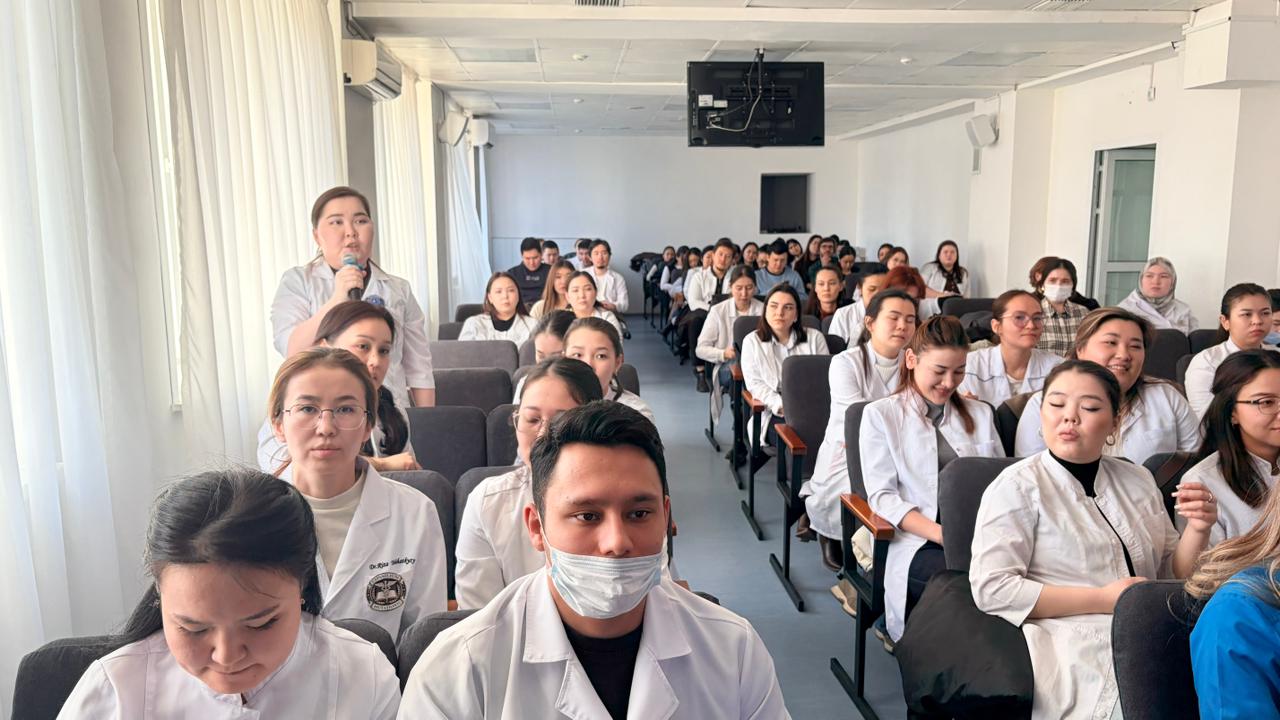
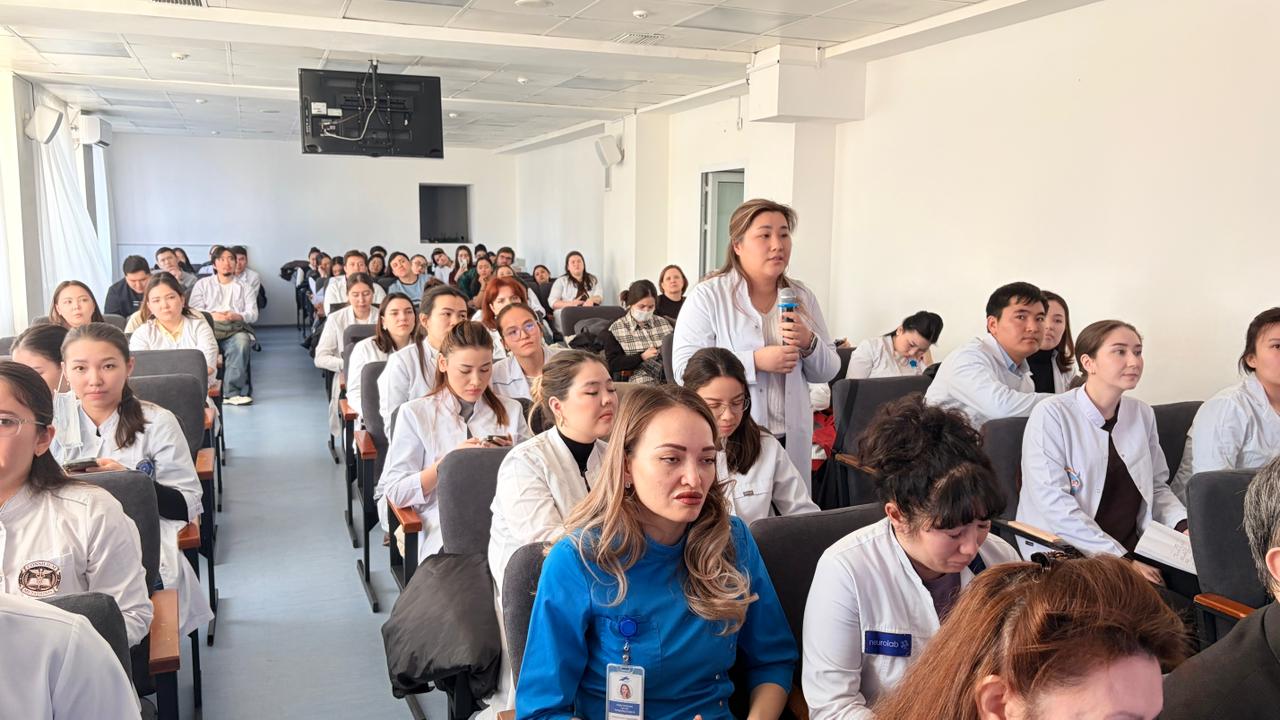
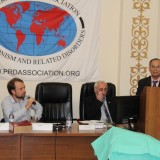
On February 19, 2026, the Olympiad on orphan (rare) diseases was held in the Assembly Hall of the Emergency Hospital in Almaty, bringing together residents, faculty members of the Department of Nervous Diseases, and neurologists of the clinical department. The aim of the event was to deepen theoretical knowledge and enhance practical skills in the diagnosis, treatment, and patient routing of individuals with rare diseases, as well as to promote interdisciplinary collaboration among specialists.
The relevance of orphan (rare) diseases is determined by their significant cumulative prevalence in the population (over 5%), severe and often progressive course, diagnostic challenges, and high cost of therapy. According to current estimates, of more than 8,000 nosological entities, the vast majority are of hereditary origin. Key challenges include delayed diagnosis verification, insufficient awareness among healthcare professionals, and a substantial burden on healthcare systems and public budgets.
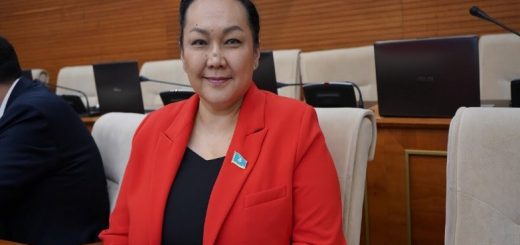
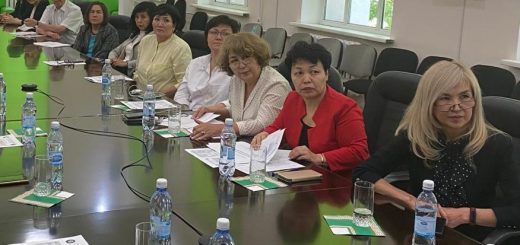
The participants were welcomed by the Head of the Department of Nervous Diseases of Asfendiyarov KazNMU, S.T. Turuspekova, as well as Professors Y.S. Nurguzhayev and B.N. Raimkulov, who emphasized the importance of systematic efforts to increase clinical vigilance among primary care physicians, ensure timely diagnosis, and organize dynamic follow-up of patients. The main organizer and host of the Olympiad was Professor G.A. Mukhambetova.
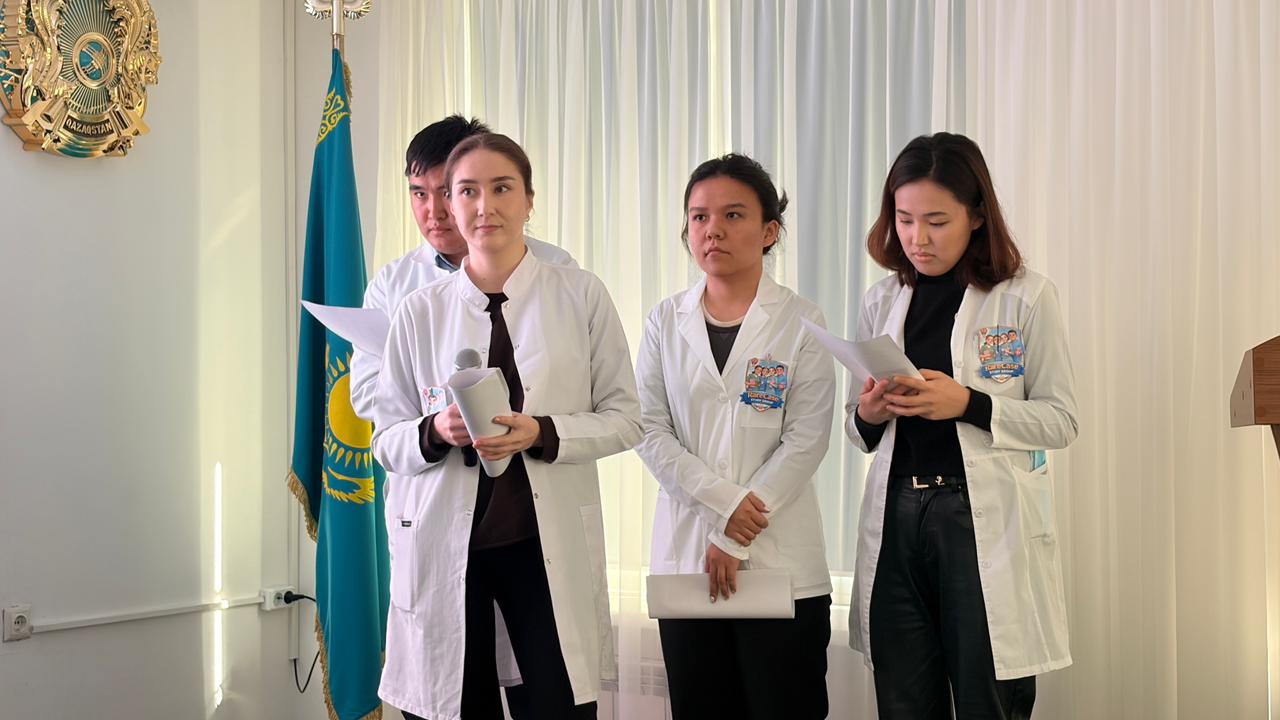
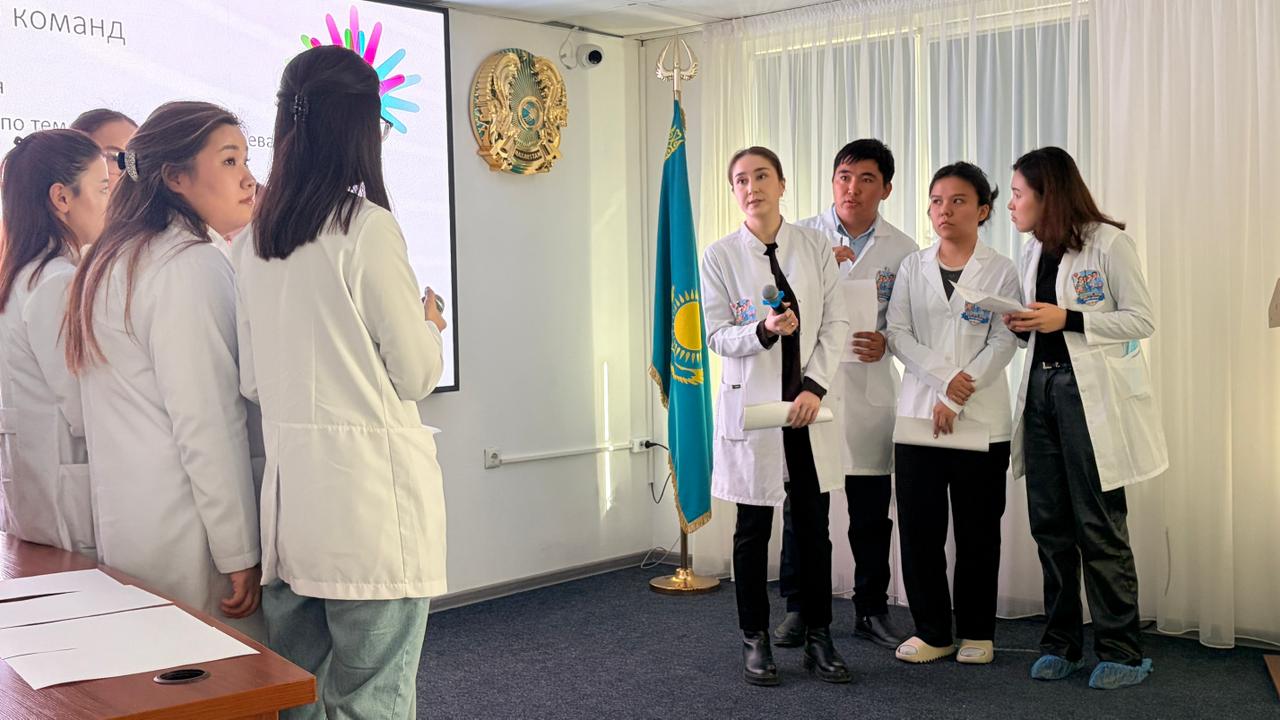
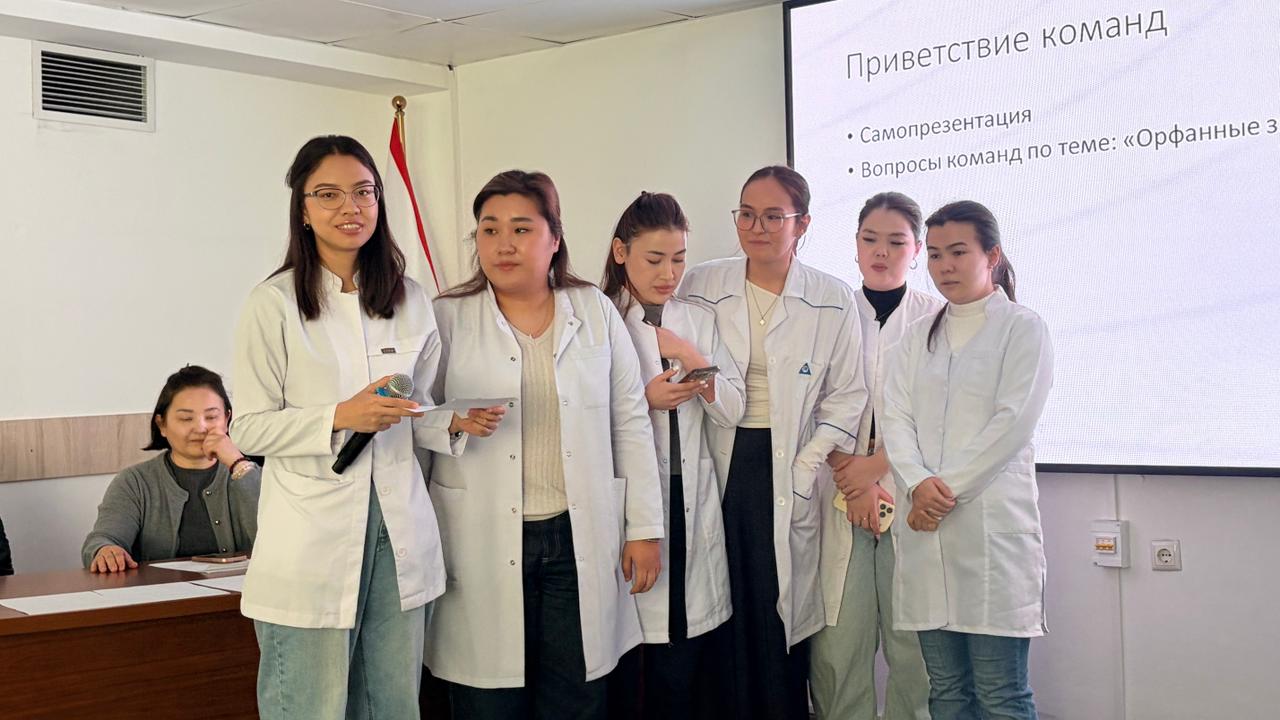
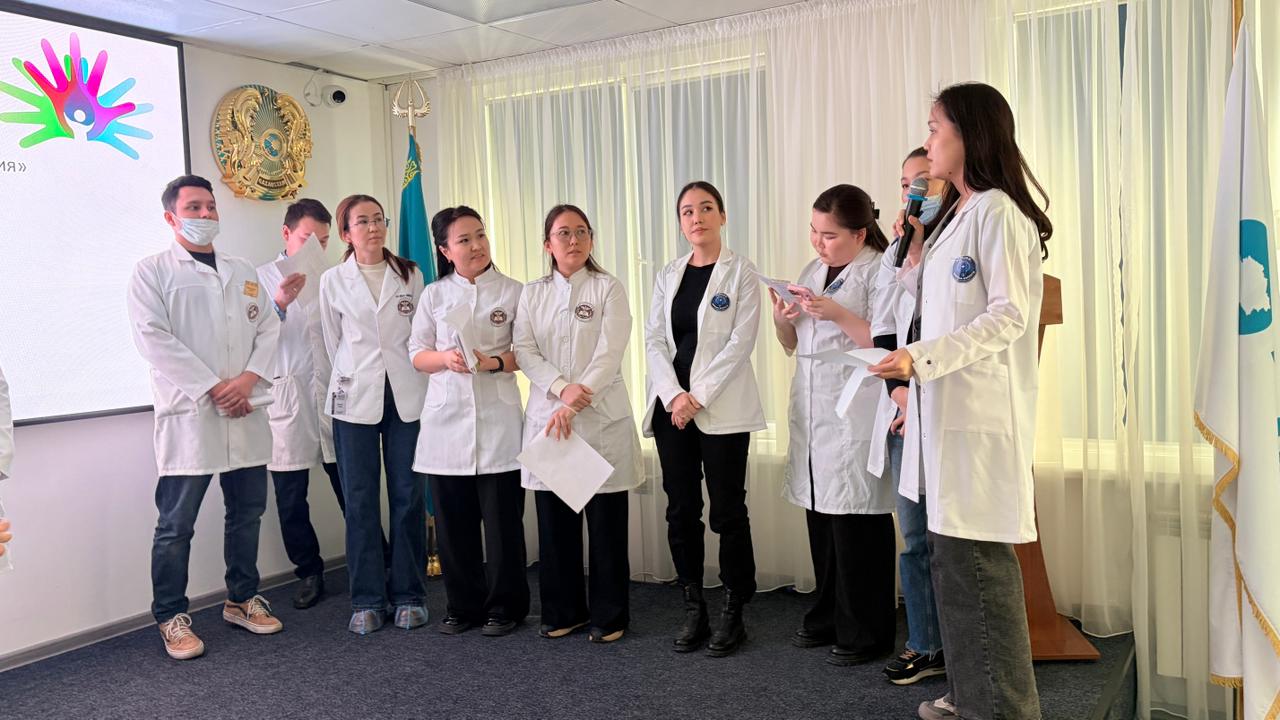
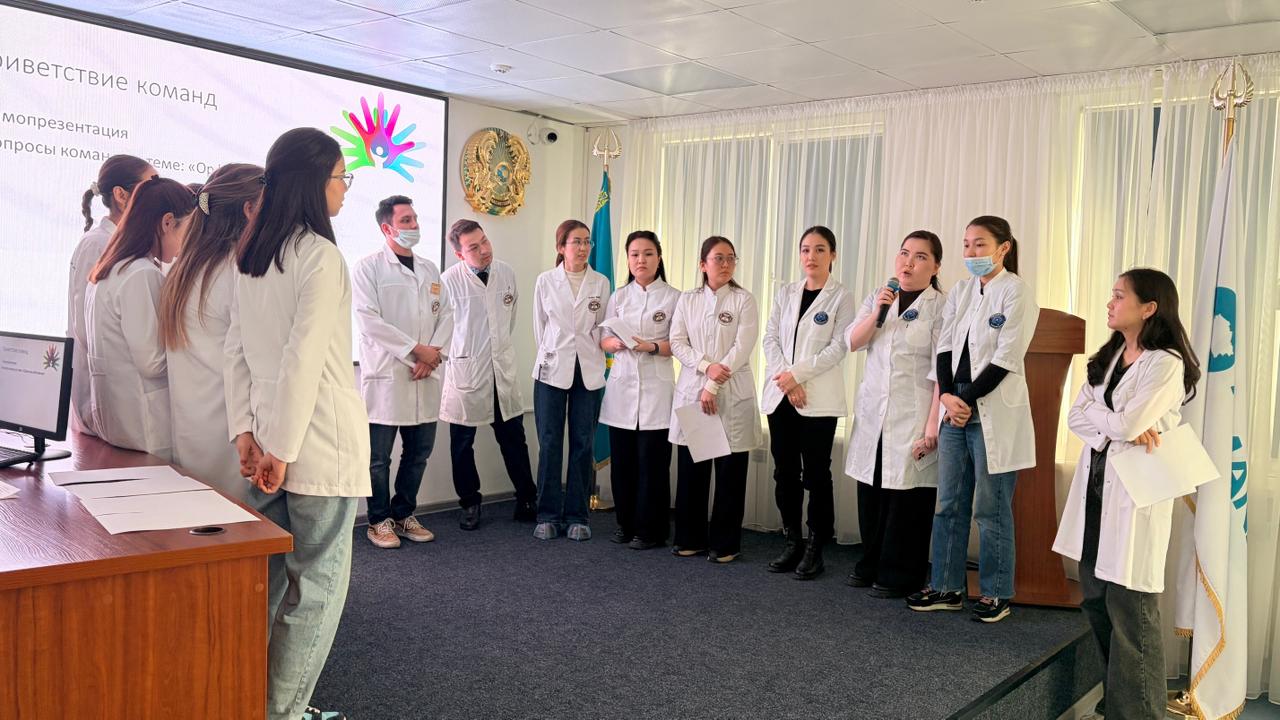
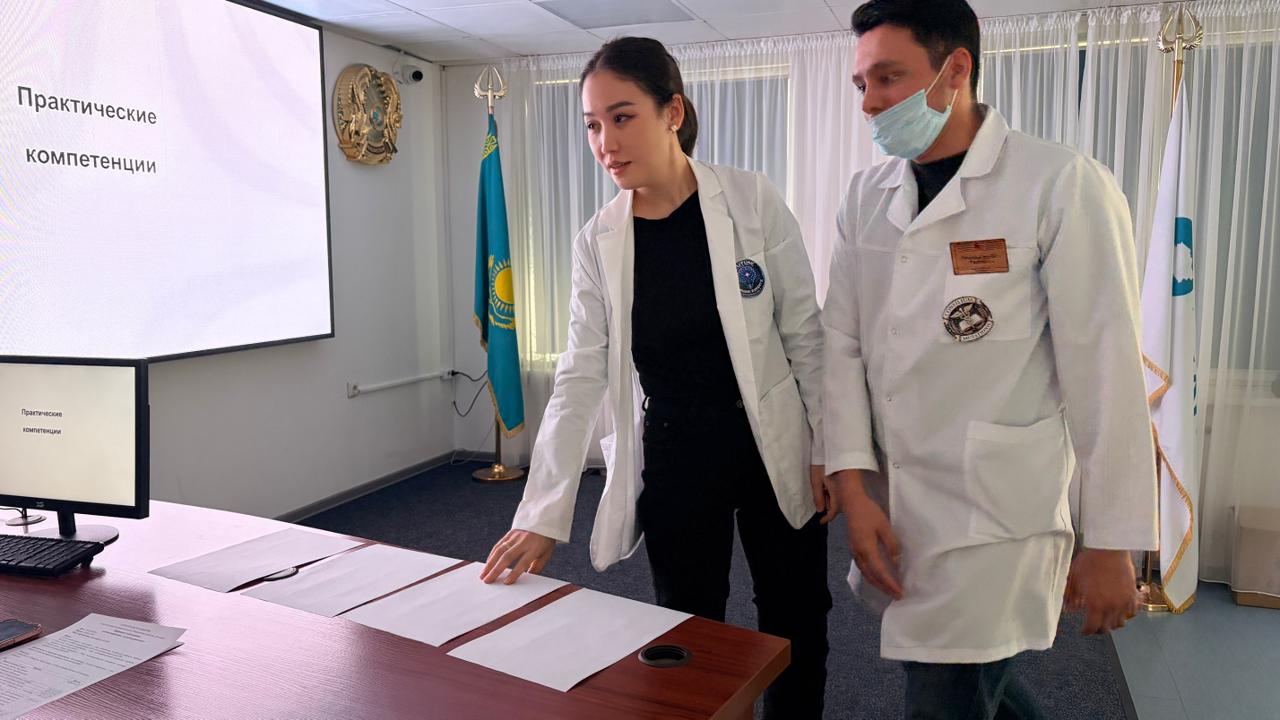
Four teams of second-year residents took part in the Olympiad: OrphaMed, RareCase Study Group, Future Orphan Experts, and Consilium Mutationis. The self-presentation stage demonstrated a high level of motivation, creativity, and communication skills among participants. During the completion of competitive tasks and discussion of clinical cases, residents demonstrated in-depth knowledge of the etiology, pathogenesis, and diagnosis of rare diseases, as well as an understanding of their associated medical and social aspects.
The program covered hereditary metabolic disorders, rare genetic syndromes, and orphan diseases affecting the nervous system. Particular attention was given to early diagnosis and modern therapeutic strategies, including the use of targeted and genetically engineered therapies.
The competitive segment included testing, clinical case analysis, and team-based assignments. Participants demonstrated a high level of preparation, well-developed clinical reasoning, and the ability to make well-founded decisions under conditions of limited information—an essential competency in managing patients with orphan diseases. Alongside the clinical problem-solving activities, a thematic quiz for the audience was organized by first-year residents.
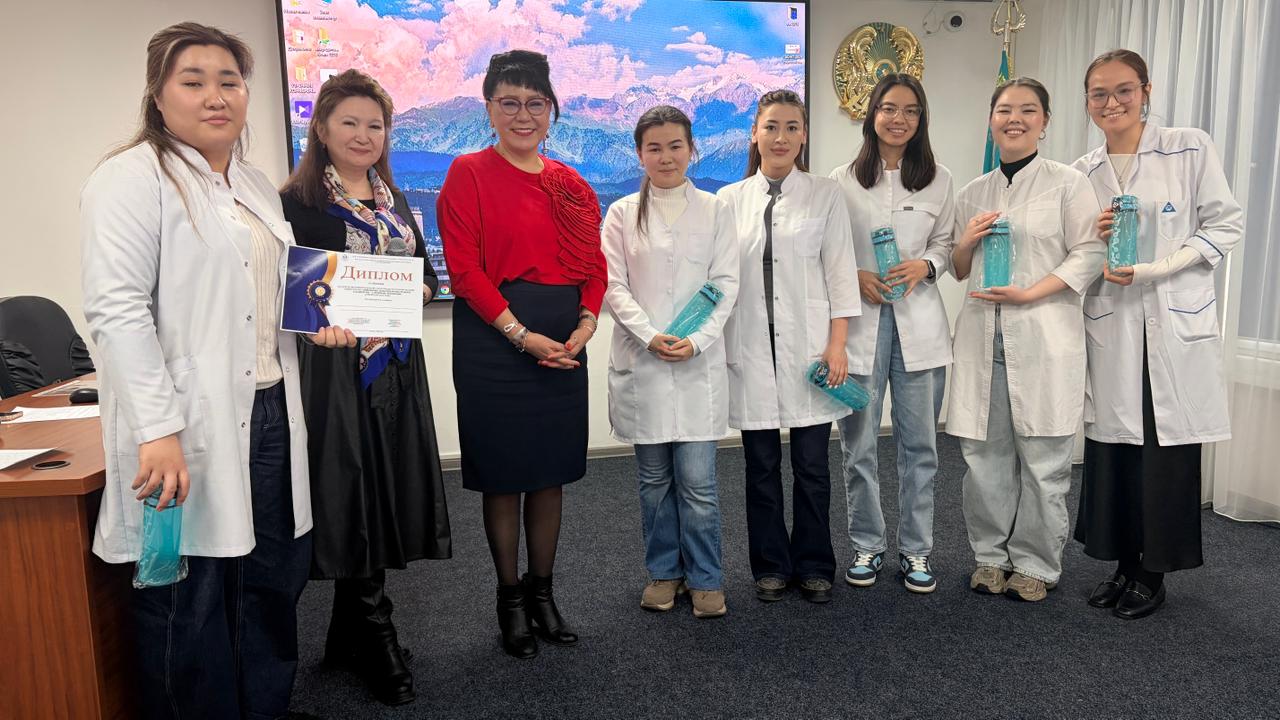
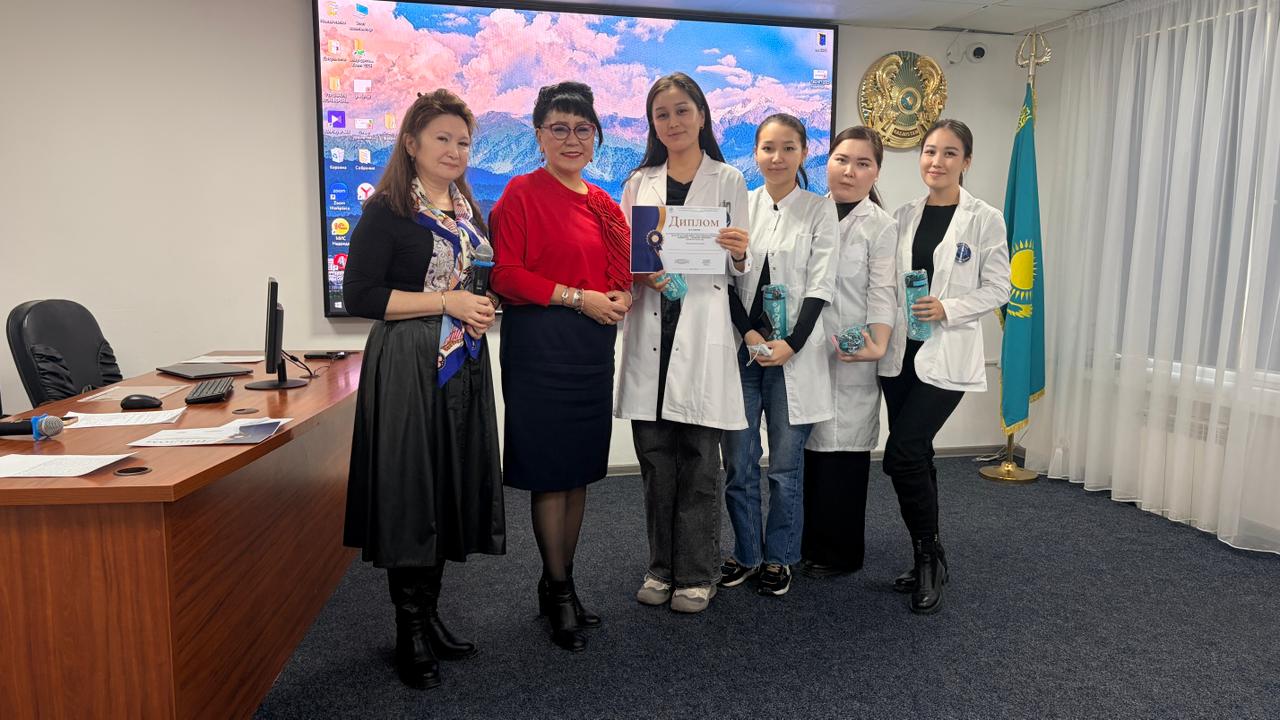
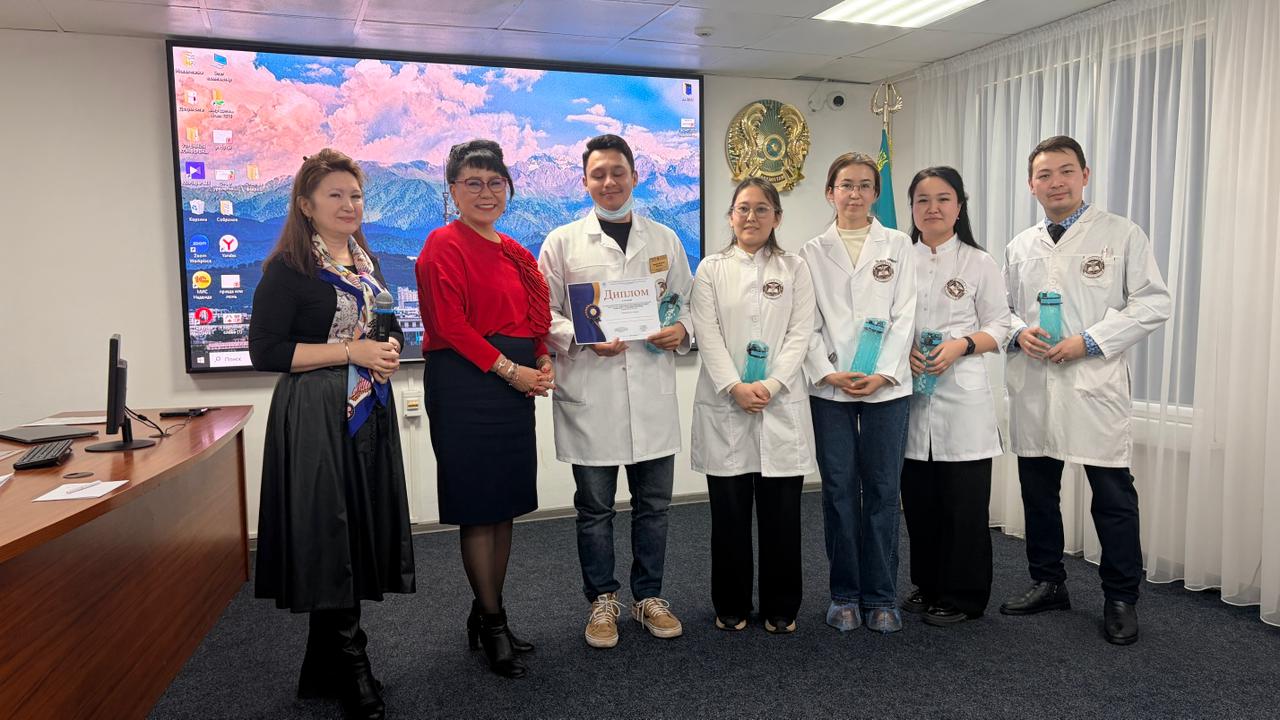
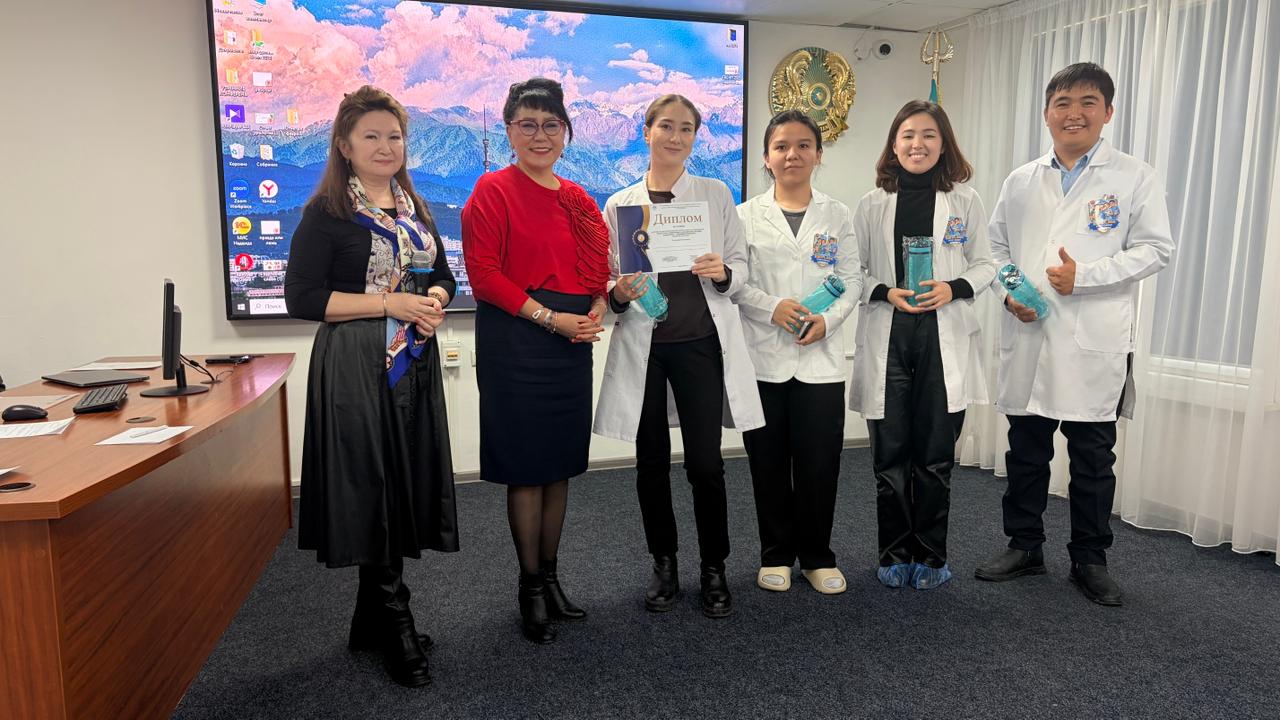
Based on the results of the Olympiad, winners and prize recipients were determined and awarded diplomas and commemorative prizes. First place was awarded to OrphaMed, second place to Consilium Mutationis, and third place was shared by RareCase Study Group and Future Orphan Experts.
Feedback from residents following the Olympiad reflected a high level of professional engagement, positive emotions, and increased interest in their chosen specialty, as well as in deepening knowledge in the field of orphan diseases.
Events of this kind contribute to the development of clinical reasoning in young physicians, improve the quality of medical care, and draw attention to orphan diseases as a significant cause of disability and mortality worldwide.