KazNMU Research Recognized as the Best at the International Conference on Planetary Health in Astana
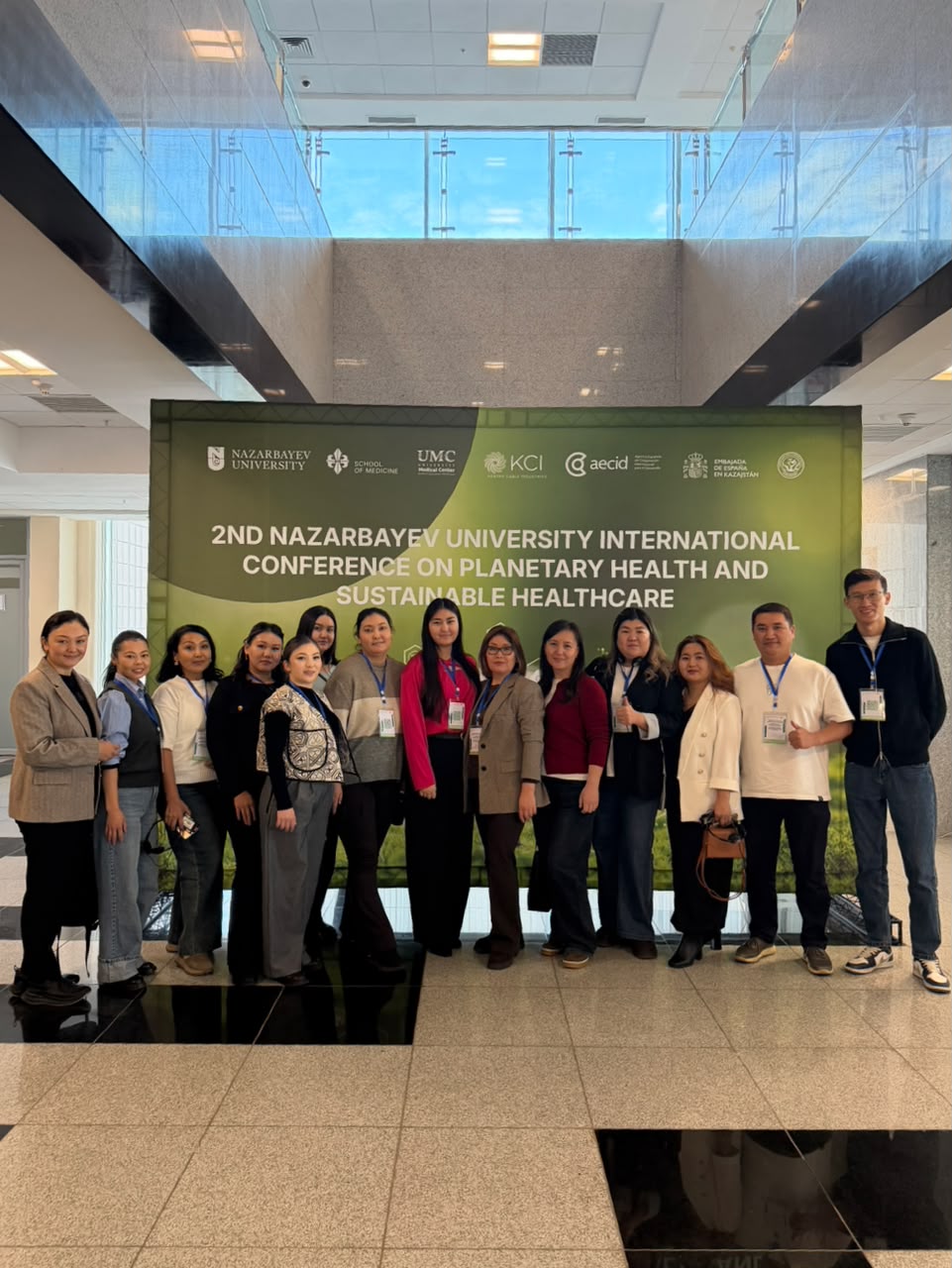
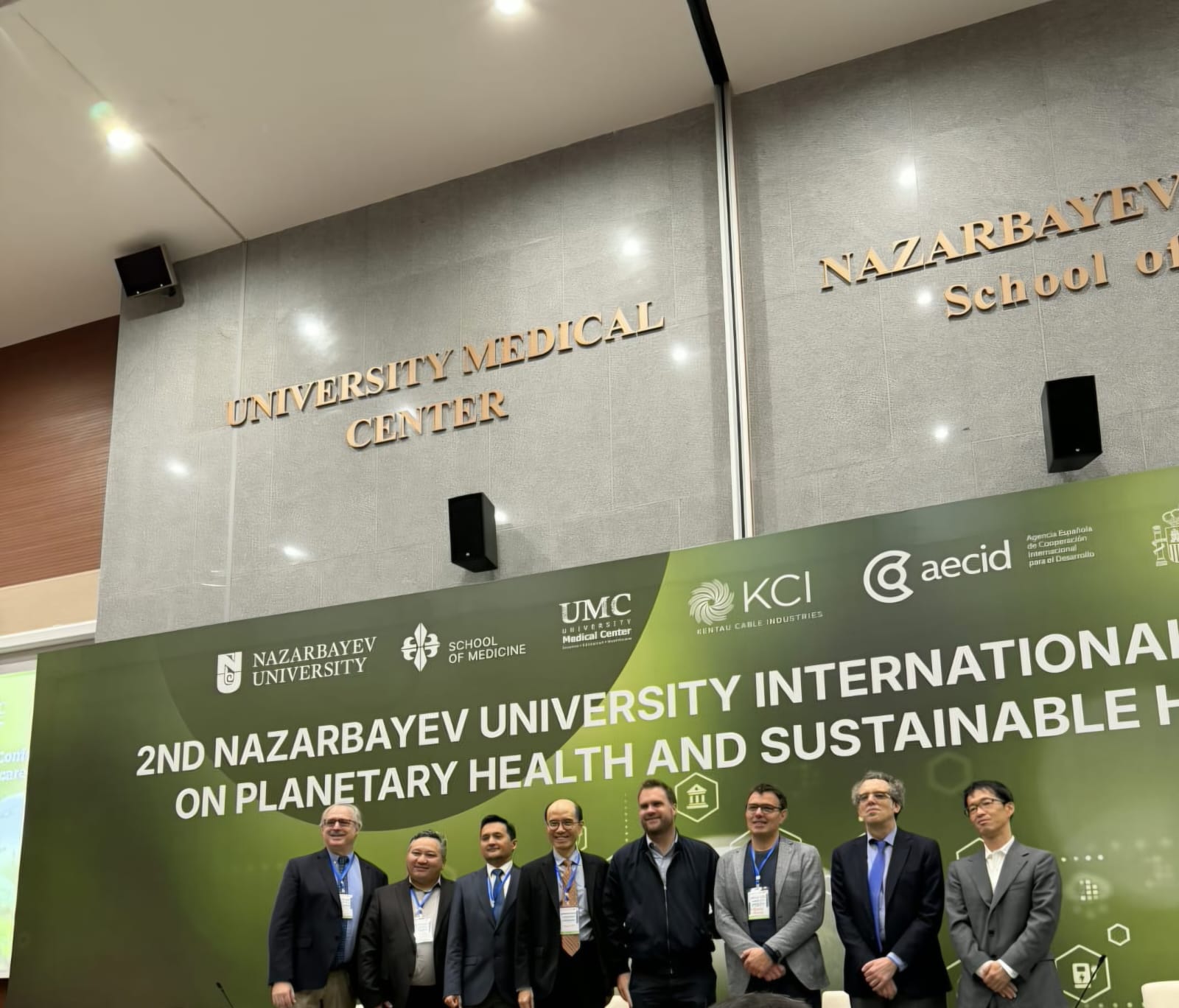
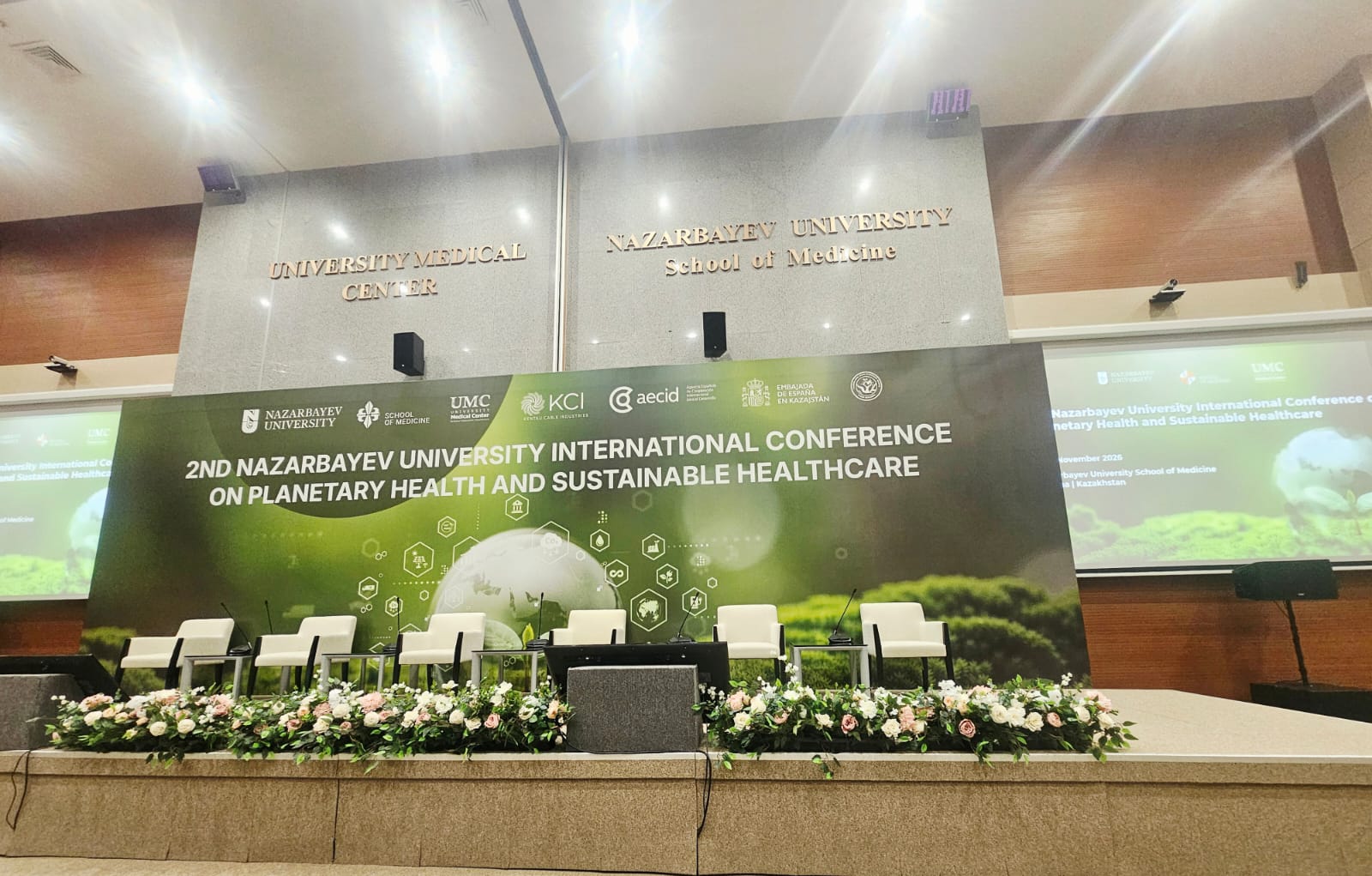
On November 5–6, 2026, the Nazarbayev University School of Medicine in Astana hosted the 2nd NU International Conference on Planetary Health and Environmentally Sustainable Healthcare. The event brought together leading scientists, international experts, representatives of medical universities and research organizations, and public health professionals.
The main theme of the conference was “Planetary Health in Action in Central Asia: Innovation, Equity, Environmental Responsibility, and Capacity Building.”
The conference addressed pressing global and regional challenges related to climate change, environmental pollution, environmental health risks, the introduction of innovative technologies, and the development of sustainable healthcare systems.
These issues are particularly relevant today, as climate change, deteriorating air quality, limited access to safe drinking water, and exposure to chemical pollutants become significant risk factors for population health. In this context, scientifically grounded environmental risk assessment, the digitalization of sanitary and epidemiological monitoring, and the development of modern disease prevention tools are especially important.
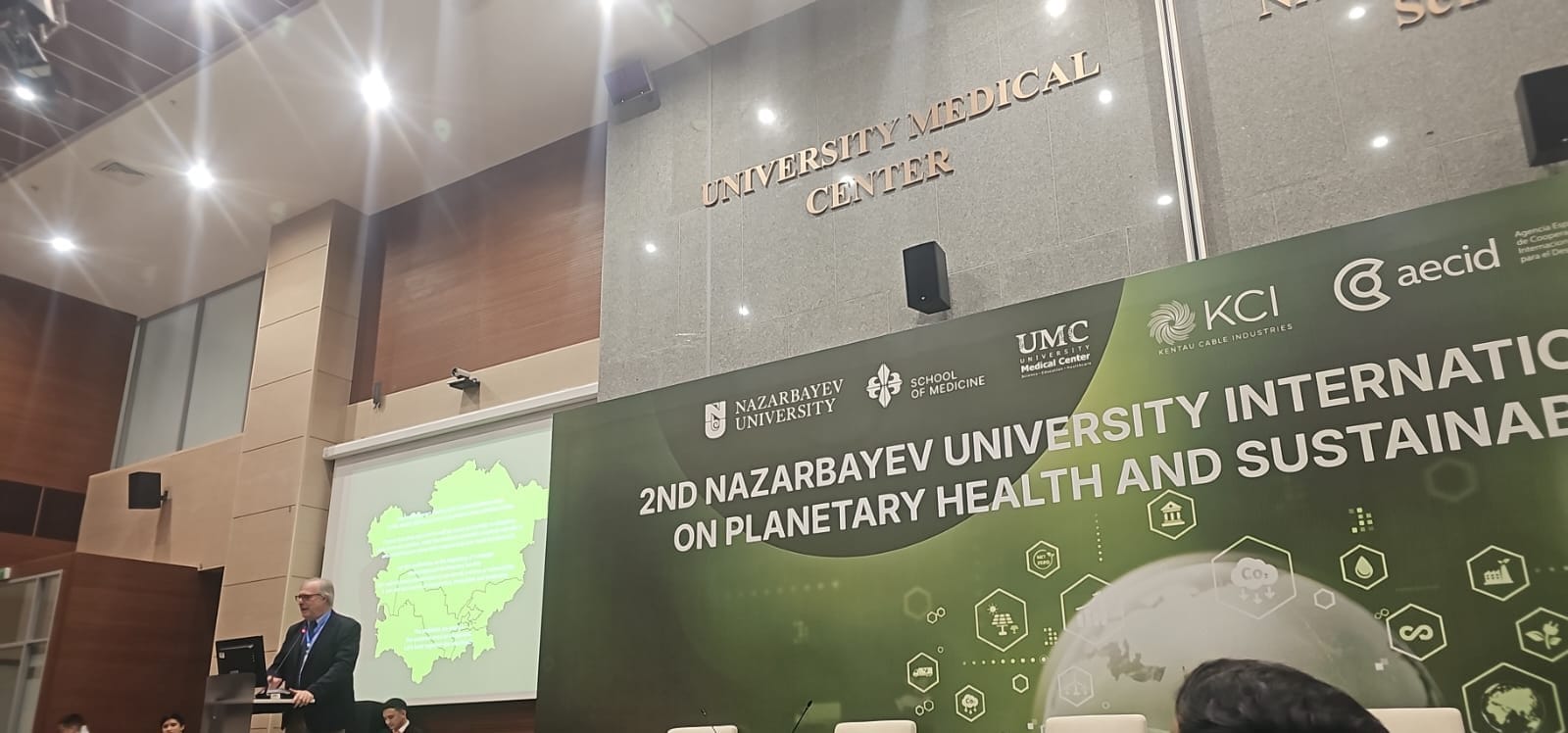
The conference featured plenary sessions, scientific sessions, practical workshops, and discussions involving international specialists. Participants explored prospects for advancing planetary health, implementing environmentally sustainable solutions in healthcare, applying digital technologies, and strengthening international scientific cooperation.
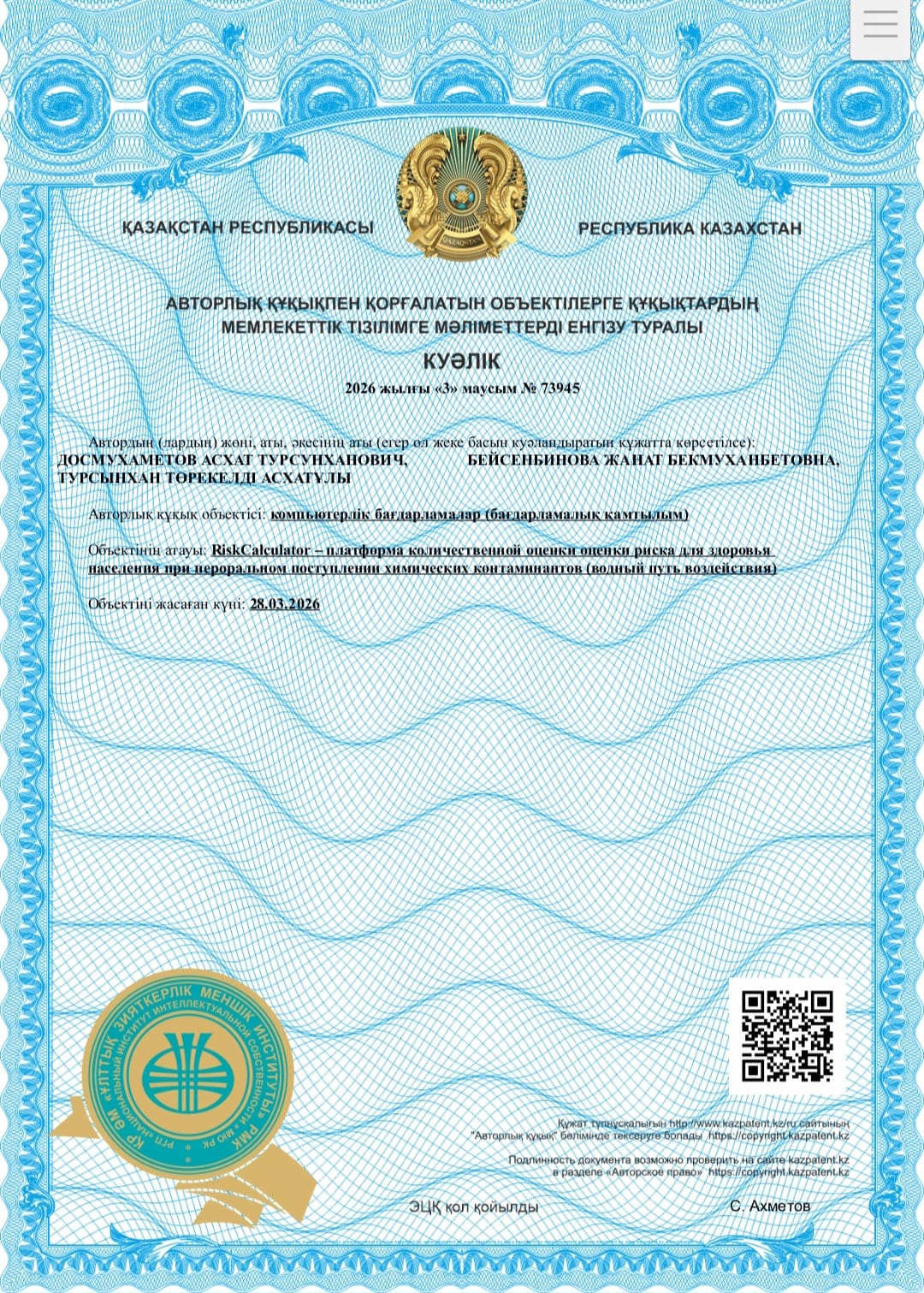
S.D. Asfendiyarov Kazakh National Medical University presented a research project entitled “RiskCalculator: A Digital Platform for Assessing Population Health Risks Associated with Drinking Water Quality.”
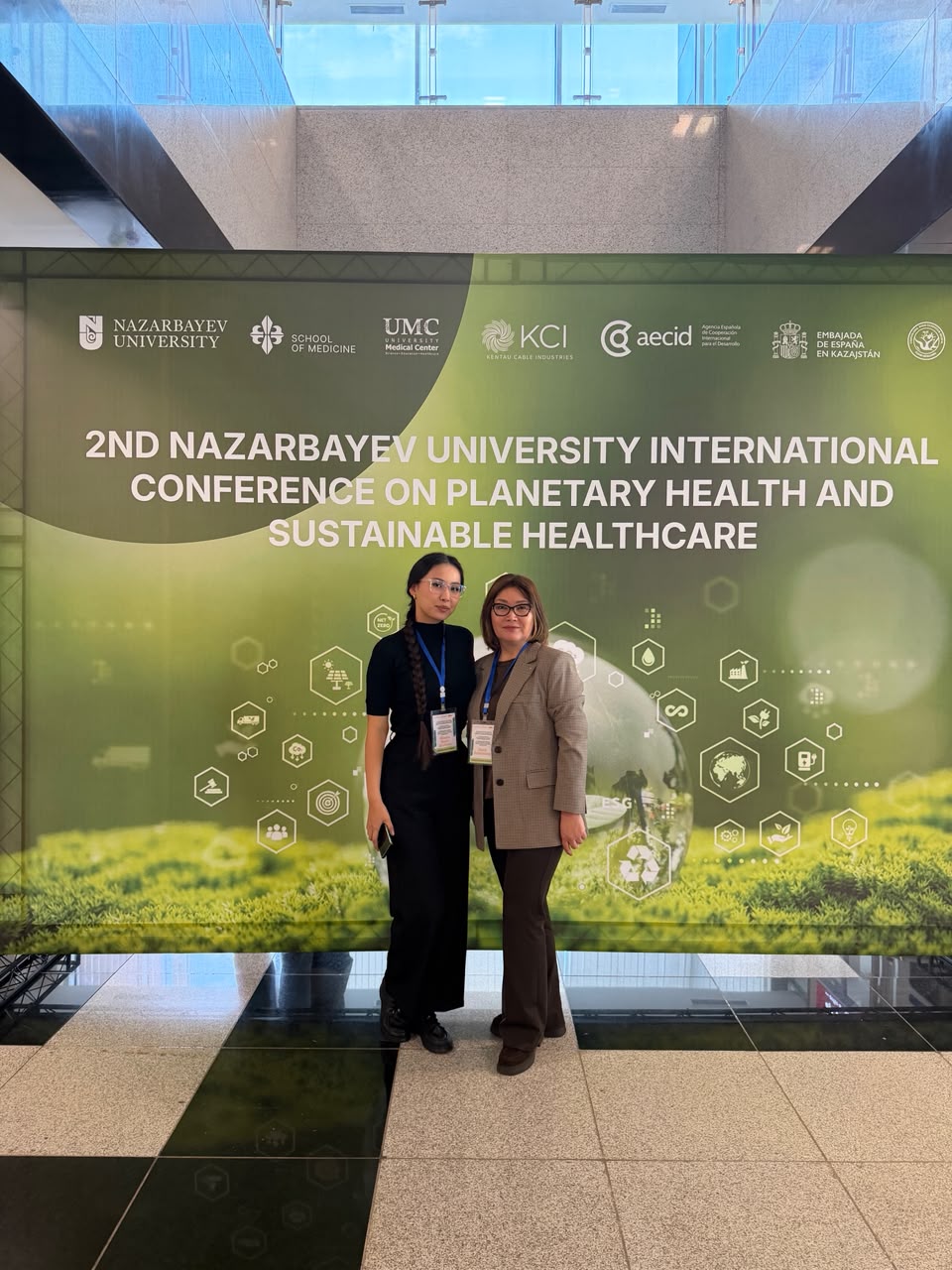
The research was conducted under the scientific supervision of Zhanat Bekmukhanbetovna Beisenbinova, Assistant Professor in the Department of Epidemiology with a Course in HIV Infection and Infection Control at KazNMU and author of the RiskCalculator digital platform.
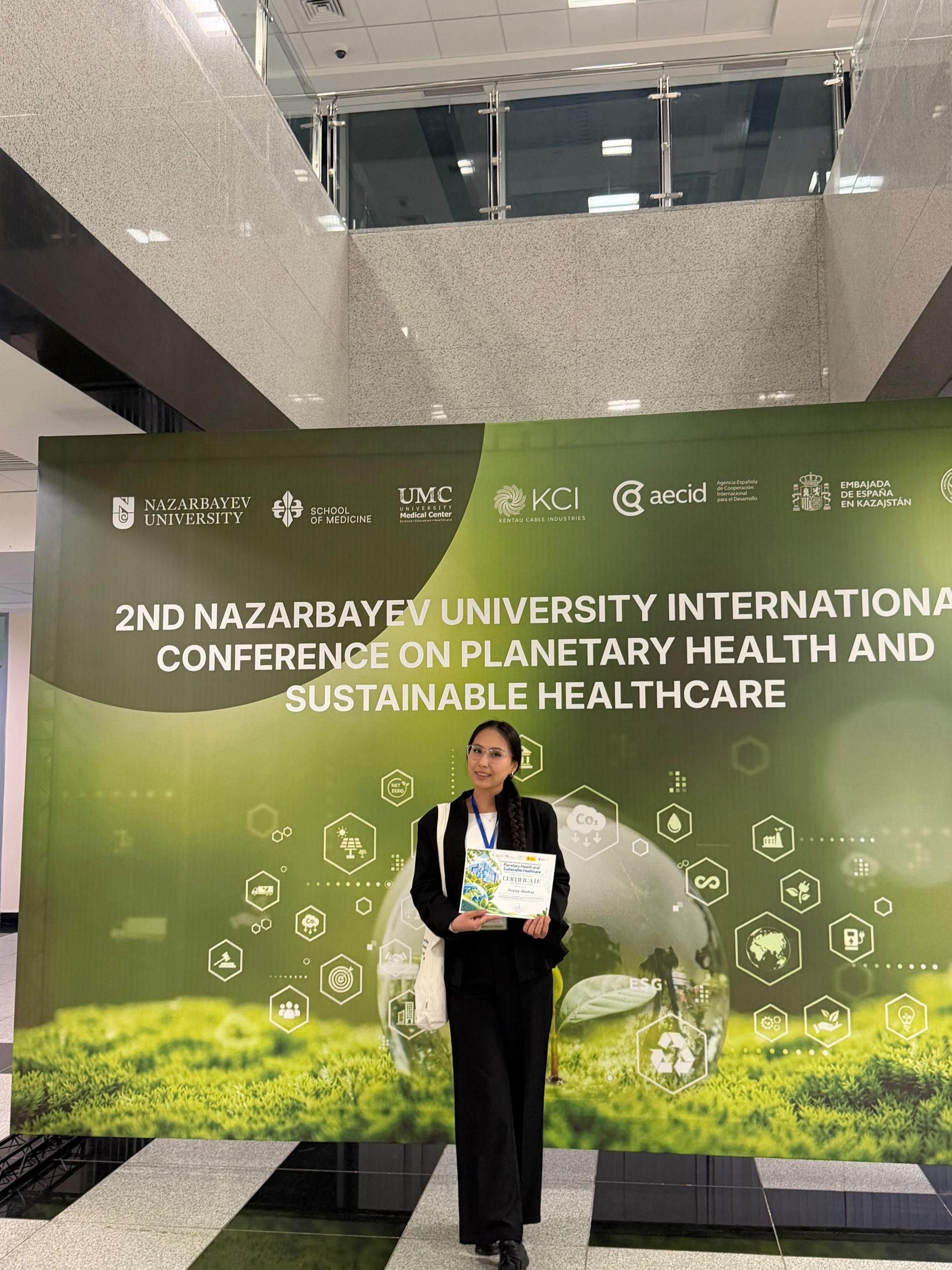
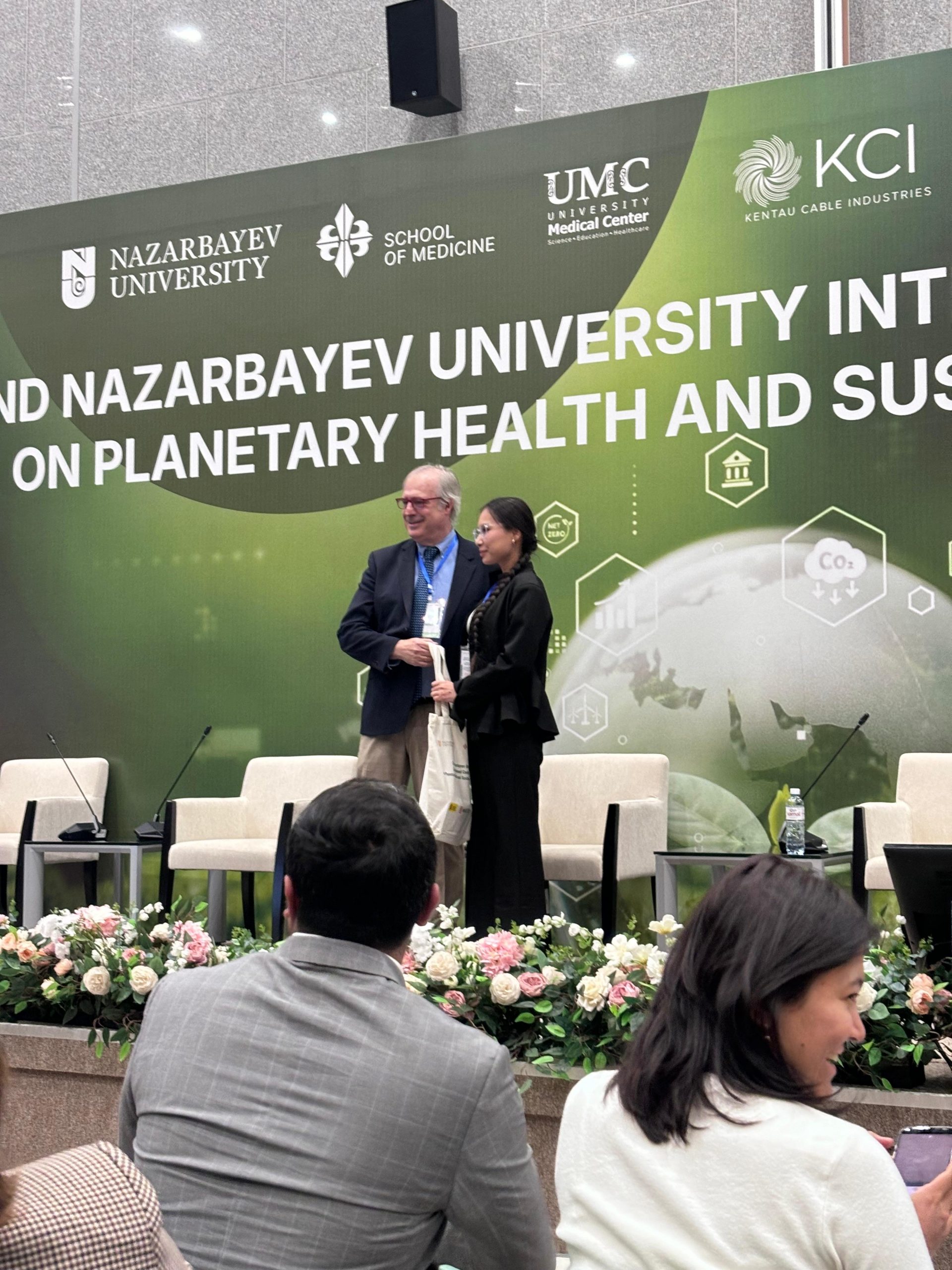
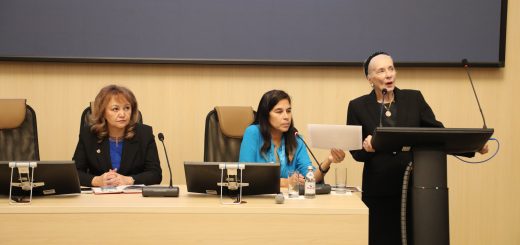
The research was presented by Asylay Serikkizy Alimbay, a fourth-year student at KazNMU’s Kh. Dosmukhamedov School of Public Health.
The project focuses on the development and practical application of the RiskCalculator digital platform, designed to assess the potential health effects of chemical contamination in drinking water. The platform automates the calculation of carcinogenic and non-carcinogenic risk indicators, analyzes the effects of chemical pollutants on organs and body systems, and generates assessment results to support preventive measures and management decisions.
The study presented drinking water quality assessment results for regions of the Republic of Kazakhstan for the first half of 2026, demonstrating the platform’s functionality and its potential applications within the public health system.
Following the conference, the research presented by KazNMU representatives was awarded first place in Session No. 3, “Innovations for Planetary Health and Sustainable Healthcare.”
This achievement demonstrates the scientific and practical significance of the research and reflects the effectiveness of collaborative research involving university faculty and students.
Particular importance lies in engaging students in scientific work, developing their research competencies, and building their ability to independently analyze data and present their research findings at an international level.
Participation in the conference enabled KazNMU representatives to explore contemporary international research approaches, exchange professional experience, establish new academic contacts, and identify promising areas for future cooperation.
The award at this international scientific conference marked a significant achievement for S.D. Asfendiyarov KazNMU, demonstrating the potential of the university’s research to address pressing challenges in environmental safety, population health protection, and the digital transformation of public health.
Advancing such research helps strengthen the university’s scientific capacity, increase student engagement in research, and promote Kazakhstan’s innovative developments internationally.