Almaty Brought Together Global Leaders in Neurology
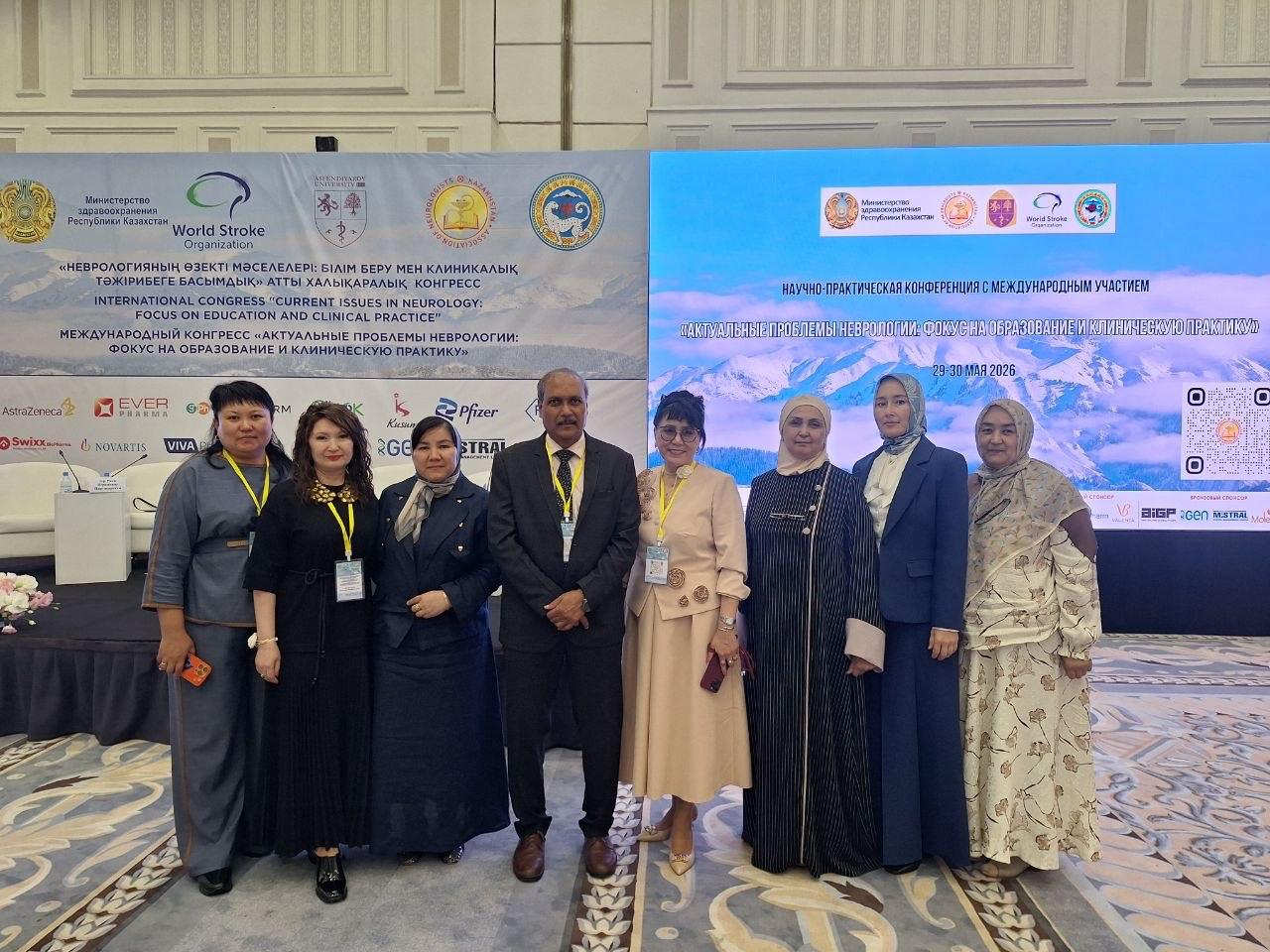
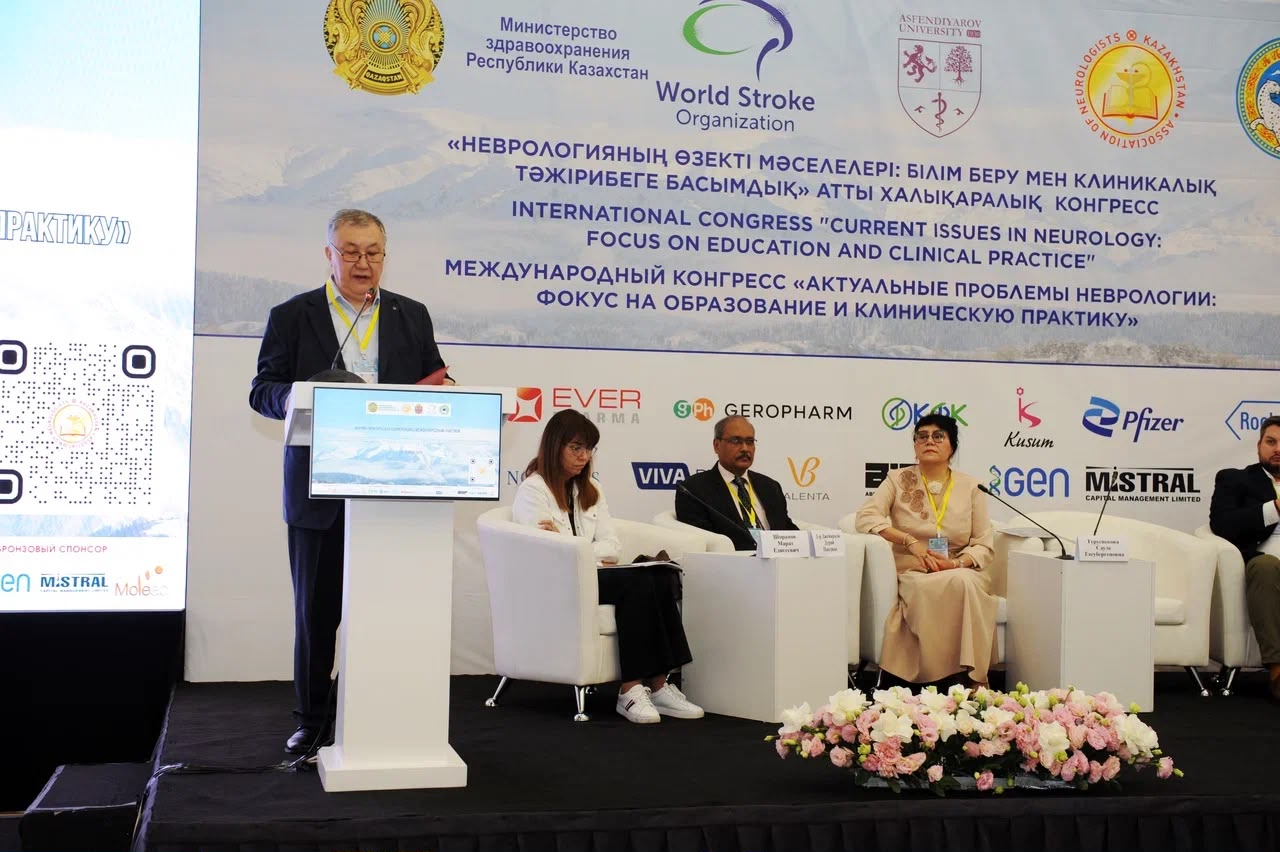
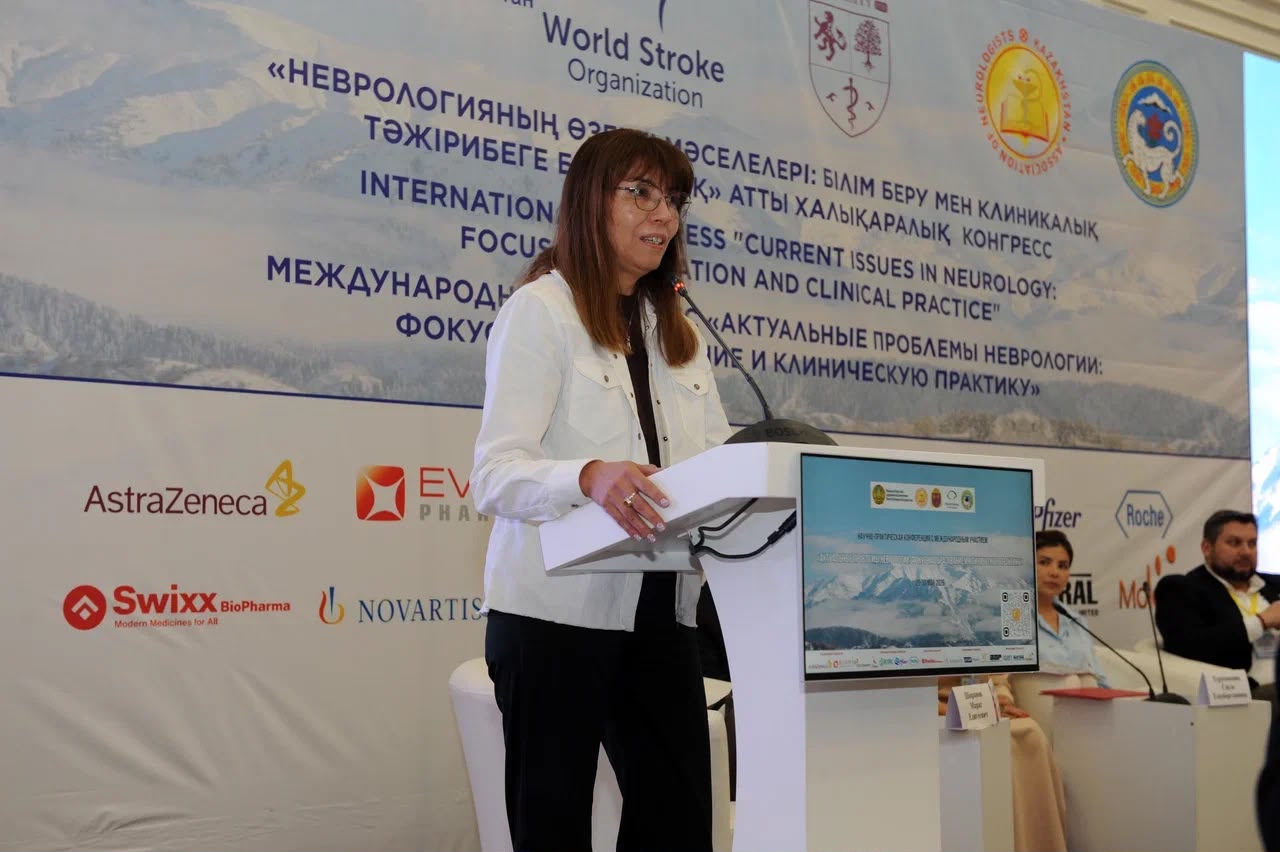
On May 29–30, 2026, Almaty hosted the International Congress “Current Challenges in Neurology: Focus on Education and Clinical Practice,” bringing together leading experts in neurology, stroke medicine, neurorehabilitation, and medical education from Europe, Asia, North America, Australia, New Zealand, and the Middle East.
The forum gained particular historical significance through the participation of the leadership of the World Stroke Organization (WSO). For the first time in Kazakhstan and Central Asia, the current President, President-Elect, Vice President, and Treasurer of the World Stroke Organization—the body that shapes the global strategy for stroke care and cerebrovascular disease prevention—gathered on a single platform.
The Congress was opened by the President of the Association of Neurologists of the Republic of Kazakhstan, Professor Yerkyn Smagulovich Nurguzhayev.
A welcoming address was delivered by the Minister of Healthcare of the Republic of Kazakhstan, Akmaral Sharipbayevna Alnazarova, who emphasized that the prevention, diagnosis, treatment, and rehabilitation of neurological diseases, particularly stroke, remain among the highest priorities of the national healthcare system. On behalf of the Almaty Public Health Department, participants were welcomed by Assel Konyratovna Polatbekova, Head of the Department of Medical and Preventive Activities, Analysis, and Monitoring.
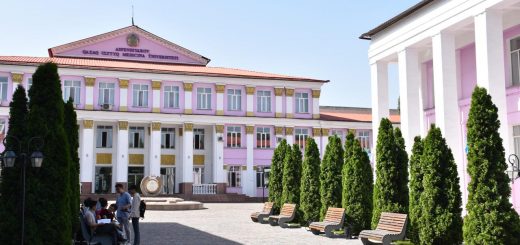
On behalf of S.D. Asfendiyarov Kazakh National Medical University, Vice-Rector Zhanna Amantayevna Kalmatayeva addressed the participants, highlighting the importance of strengthening international cooperation in neurology and medical education.
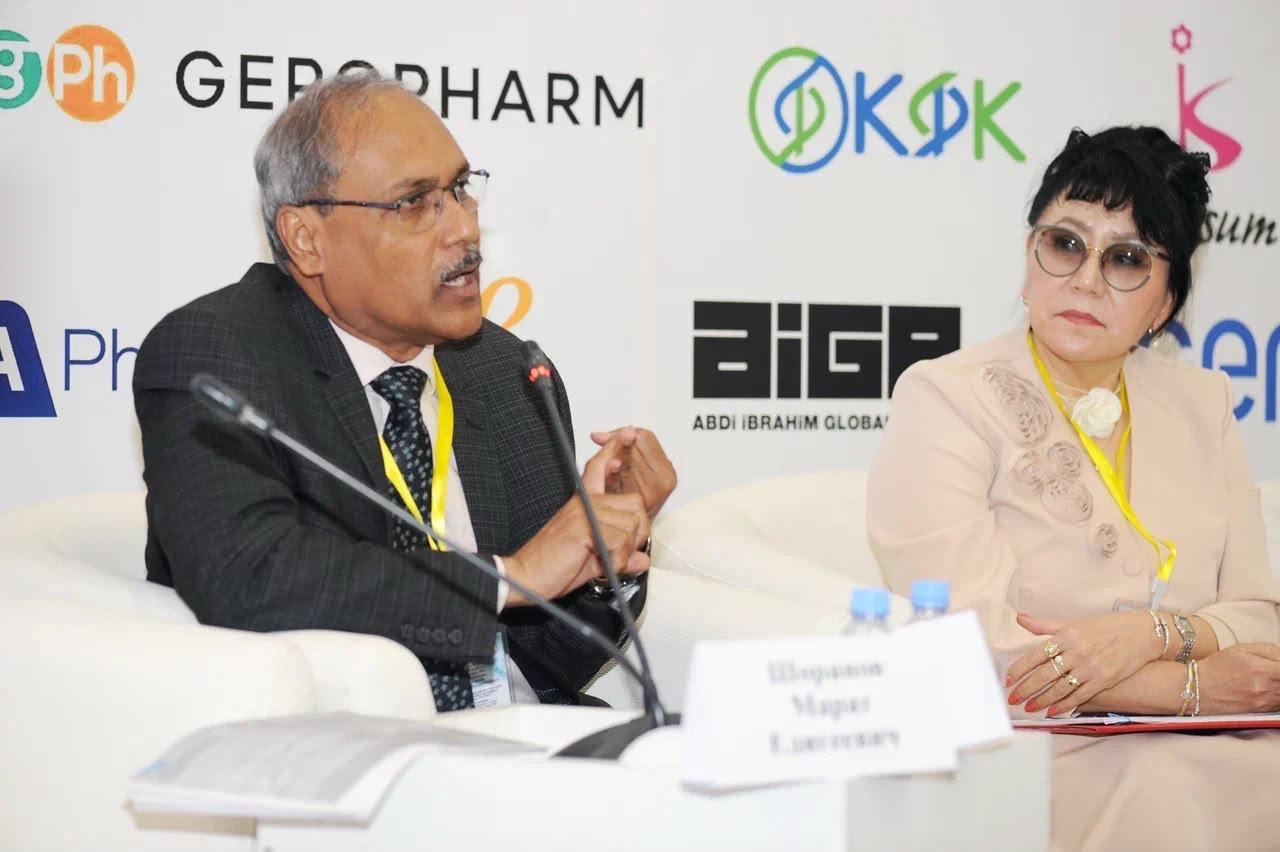
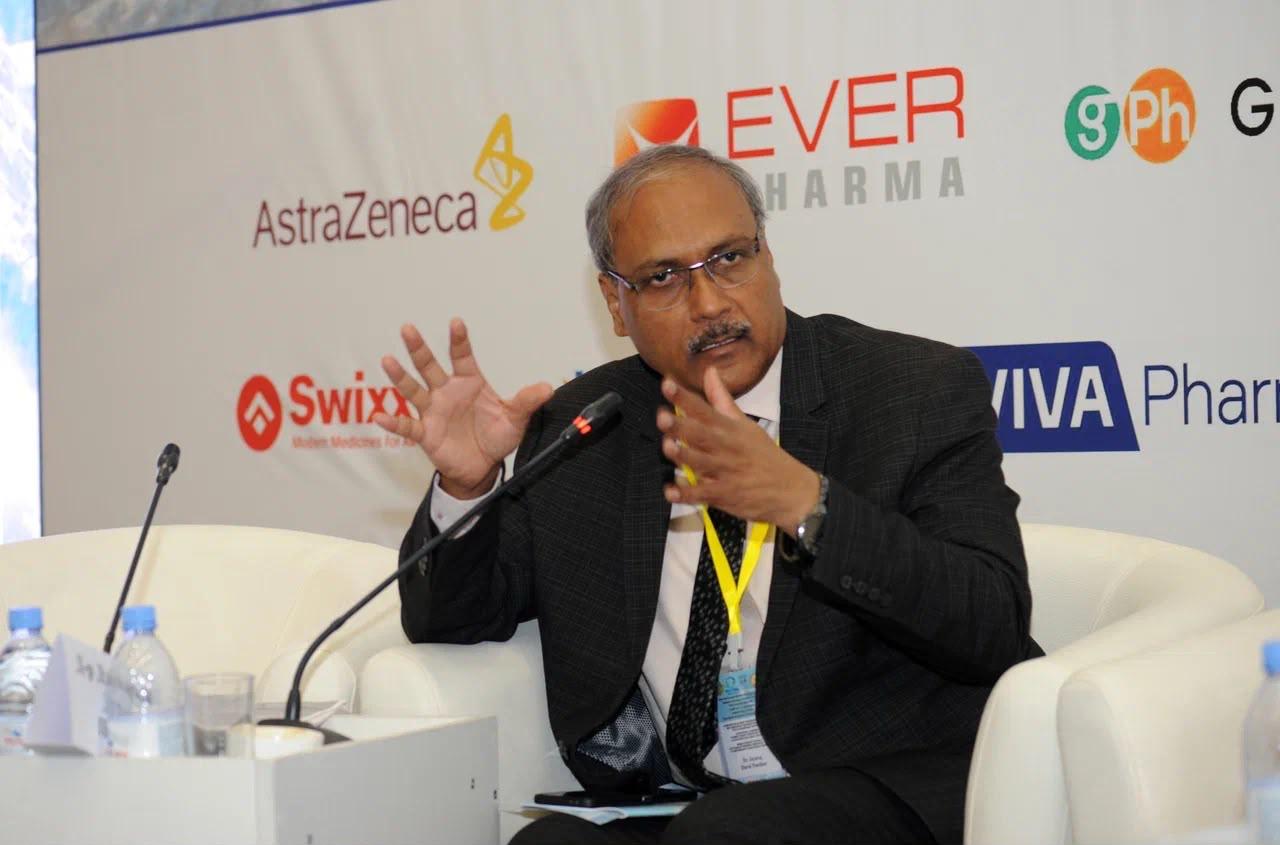
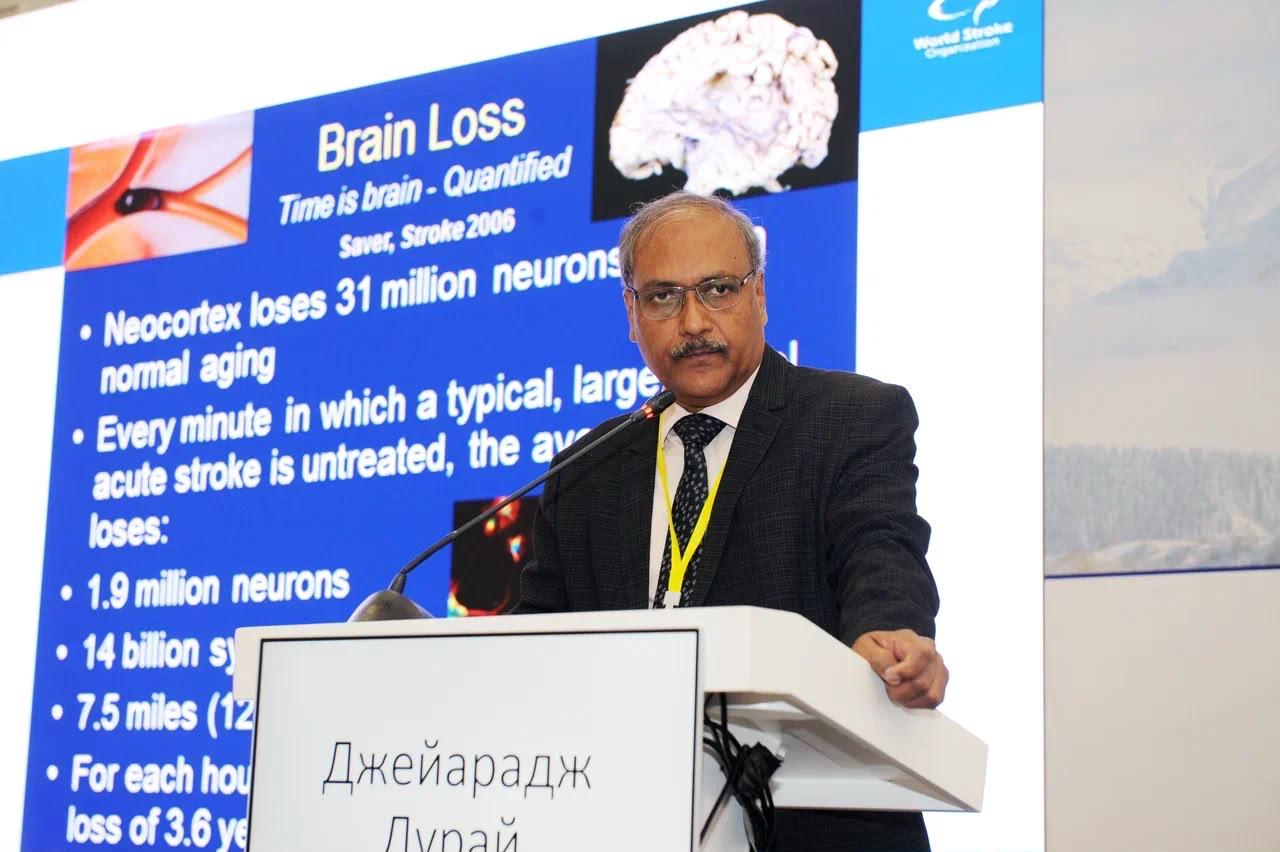
WSO President Professor Jeyaraj Durai Pandian noted that this meeting represented the organization’s first large-scale event in Central Asia following discussions of regional issues at the international forum in Istanbul.
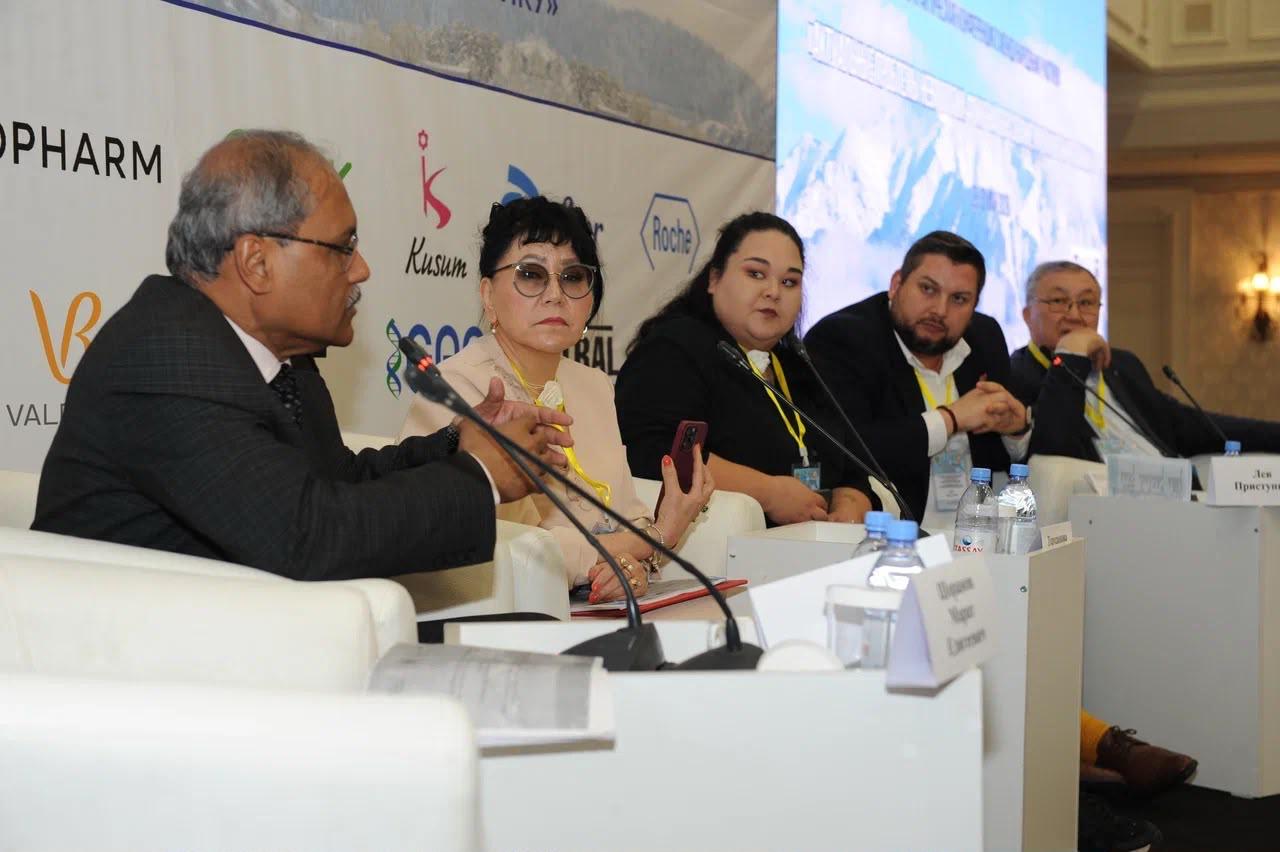
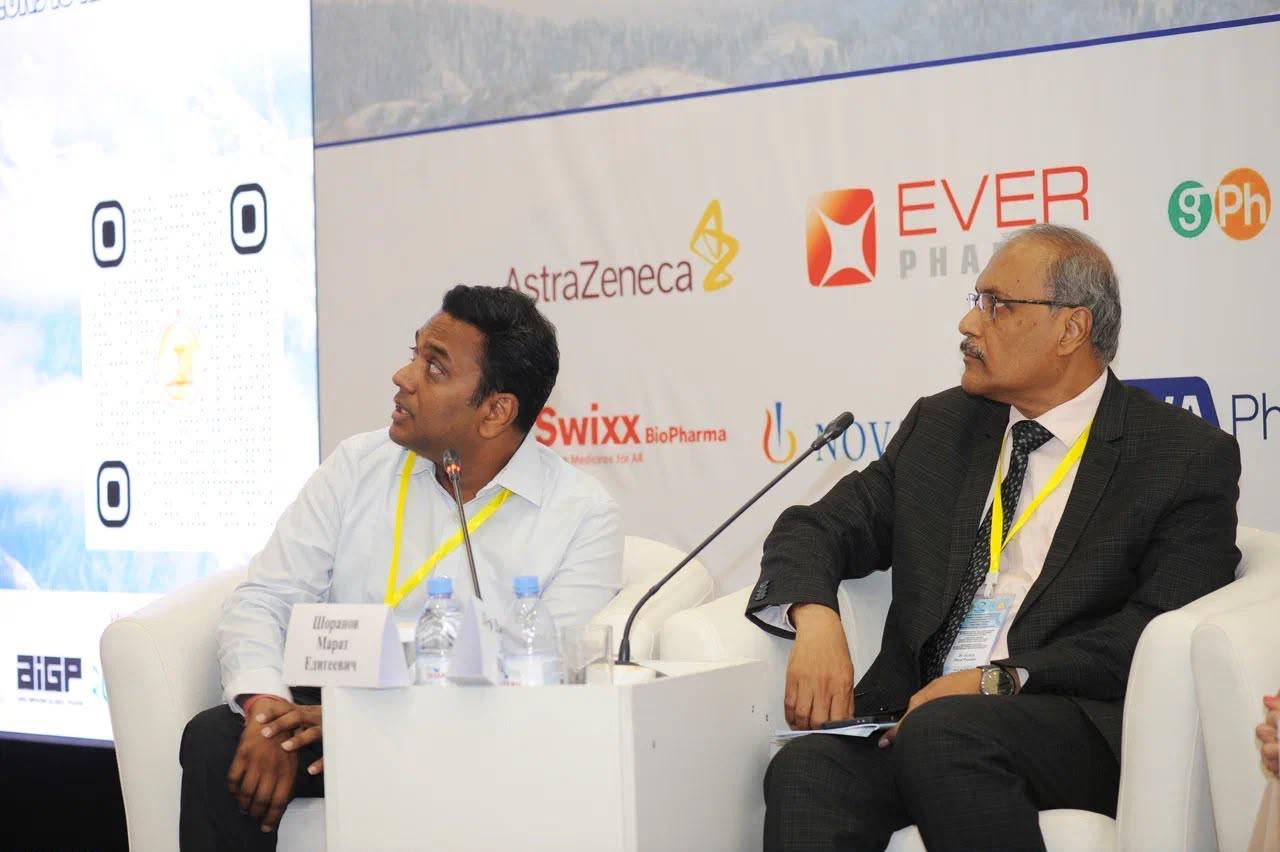
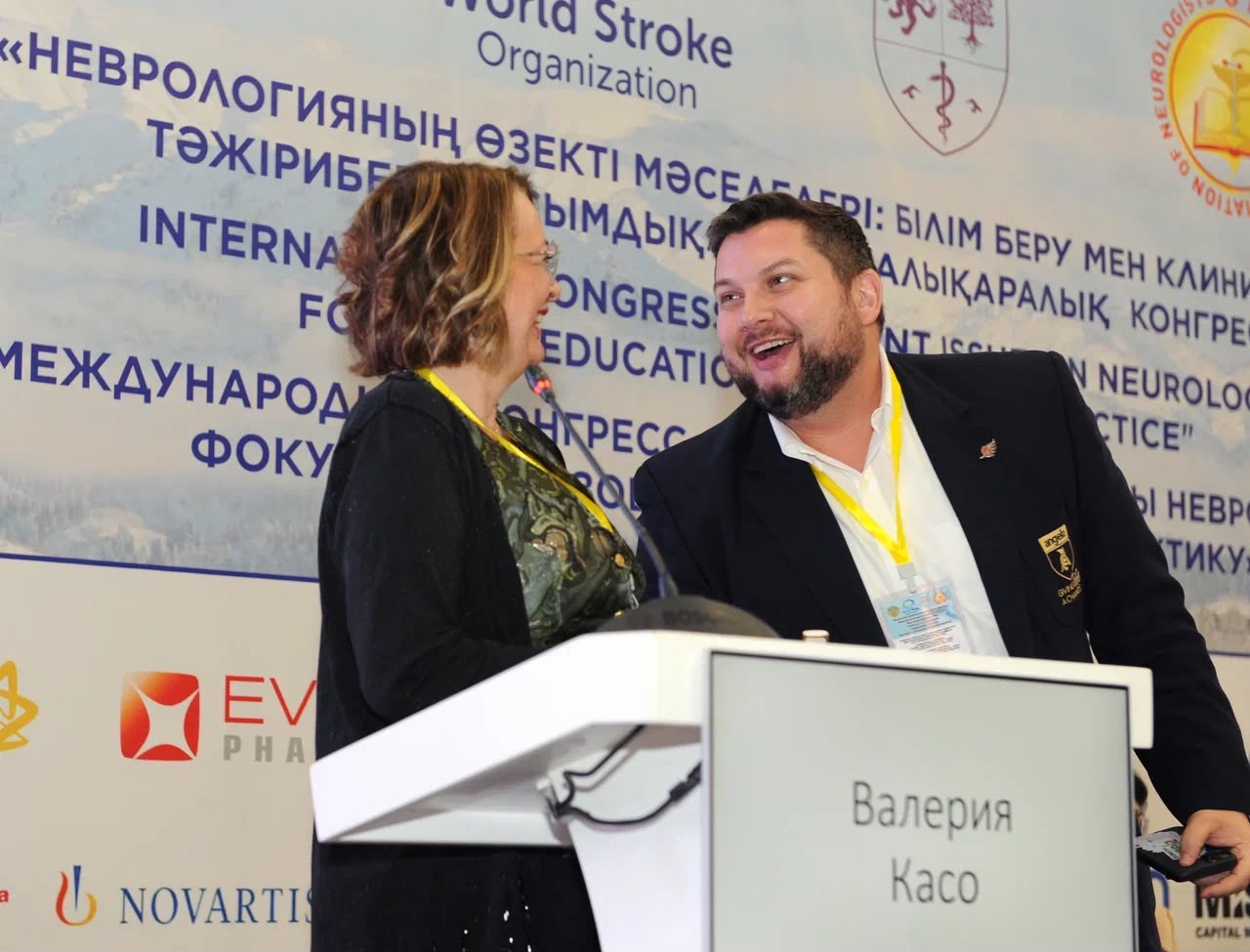
Among the distinguished speakers were: WSO President, Professor of Neurology at Christian Medical College (Ludhiana, India), Jeyaraj Durai Pandian; WSO President-Elect, Director of Global Brain Health at The George Institute, Professor of Neurology and Epidemiology at the University of New South Wales and Royal Prince Alfred Hospital (Sydney, Australia), Craig Anderson; WSO Vice President, Professor of Neurology at the University of Toronto and Director of the Stroke Outcomes Research and Decision-Making Unit (Canada), Gustavo Saposnik; and WSO Treasurer, Professor Valeria Caso, representing the Neurology and Stroke Department of Saronno Hospital, ASST Valle Olona (Italy). Kazakhstan’s stroke service was represented by Erzhan Buranbayevich Adilbekov, Chairman of the Board of the National Coordination Center for Emergency Medicine, Chairman of the Kazakh Stroke Society, and National Stroke Service Coordinator of the Republic of Kazakhstan.
Other leading experts included Raj Srinivas Parthasarathy, a specialist in vascular neurology and neurointerventional surgery, Research Fellow in Vascular Neurology and Senior Consultant at Paras Hospital (India); Lev Prystupiuk (Ukraine), Consultant for the Angels Initiative in Eastern Europe and Central Asia; Mansur Amirovich Kutlubaev, MD, Professor, Head of the Department of Neurology at Bashkir State Medical University, Chief Neurology Specialist of the Ministry of Health of the Republic of Bashkortostan, and Honored Physician of the Republic of Bashkortostan; Elbek Mirshavkatovich Mirzhurayev, MD, Professor, Head of the Department of Neurorehabilitation at the Center for Professional Development of Healthcare Workers under the Ministry of Health of the Republic of Uzbekistan; Oleg Ivanovich Vinogradov (Russia), MD, Professor and President of the Evidence-Based Medicine Society; and Dmitry Sergeyevich Kasatkin (Russia), MD, Professor of the Department of Neurology with Medical Genetics and Neurosurgery and Vice-Rector for International Affairs at Yaroslavl State Medical University.
The scientific program addressed contemporary approaches to stroke prevention and treatment, neurorehabilitation, neurodegenerative and autoimmune diseases of the nervous system, innovations in medical education, the development of stroke services, and the implementation of international clinical guidelines into healthcare practice.
“Our mission is to reduce the global burden of stroke. We work closely with the World Health Organization and the United Nations, develop programs to improve stroke care, train healthcare professionals, and support countries with developing healthcare systems. Regional meetings such as the congress in Almaty help physicians in Central Asia gain access to modern international practices in stroke treatment,” emphasized WSO President Professor Jeyaraj Durai Pandian.
According to Saule Turuspekova, Head of the Department of Nervous Diseases at S.D. Asfendiyarov KazNMU and Chief Neurologist of the Ministry of Healthcare of Kazakhstan, hosting such international forums is an important step in advancing national neurology:
“Hosting congresses of this kind in Kazakhstan serves as a vital bridge between global science and our everyday clinical practice. For physicians, it provides an opportunity to implement international protocols and innovations, while for patients it increases the likelihood that new standards of care will reach regional hospitals more rapidly. This is not merely an exchange of opinions—it is the development of a strategy that can help save thousands of Kazakhstani lives every year.”
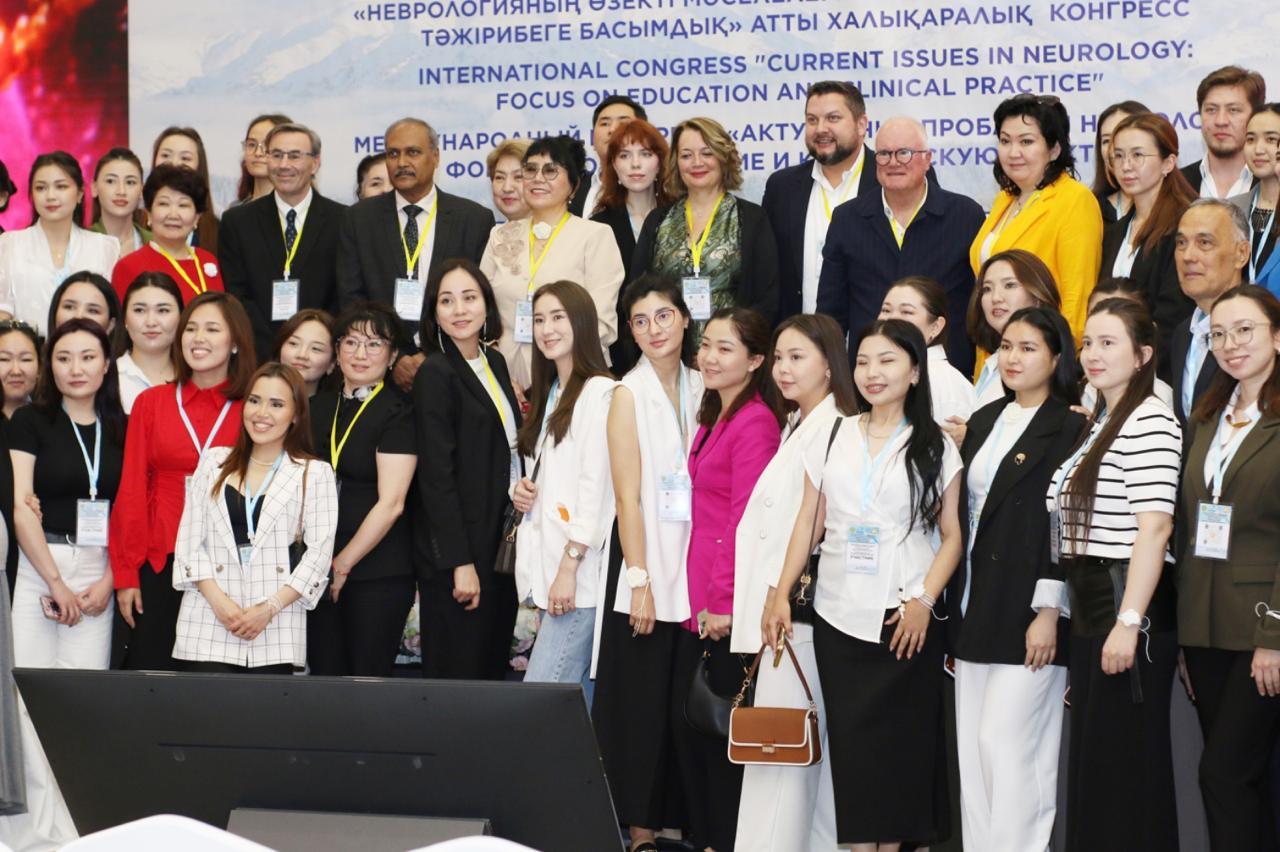
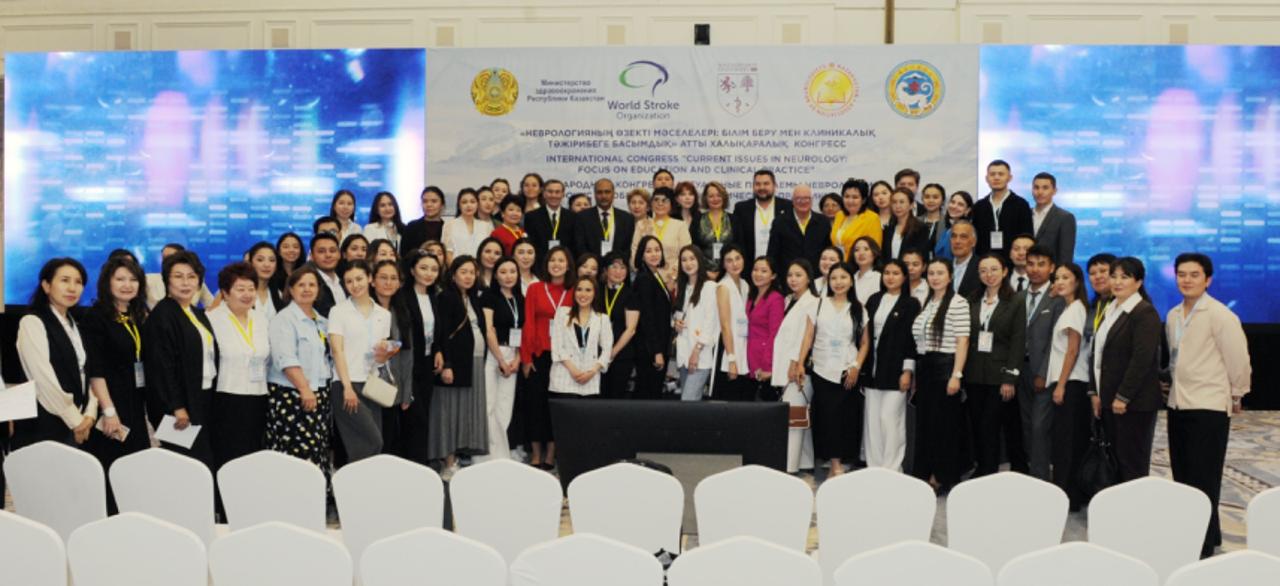
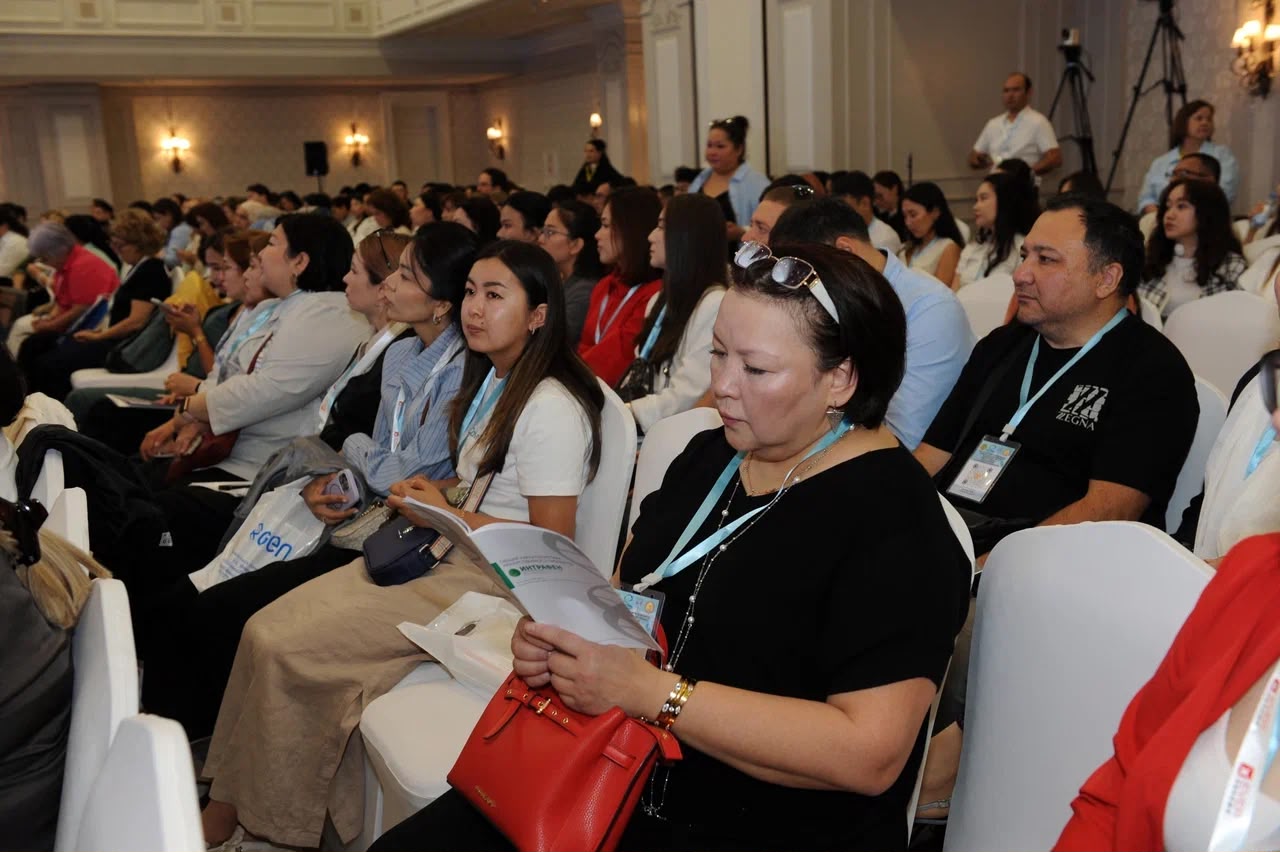
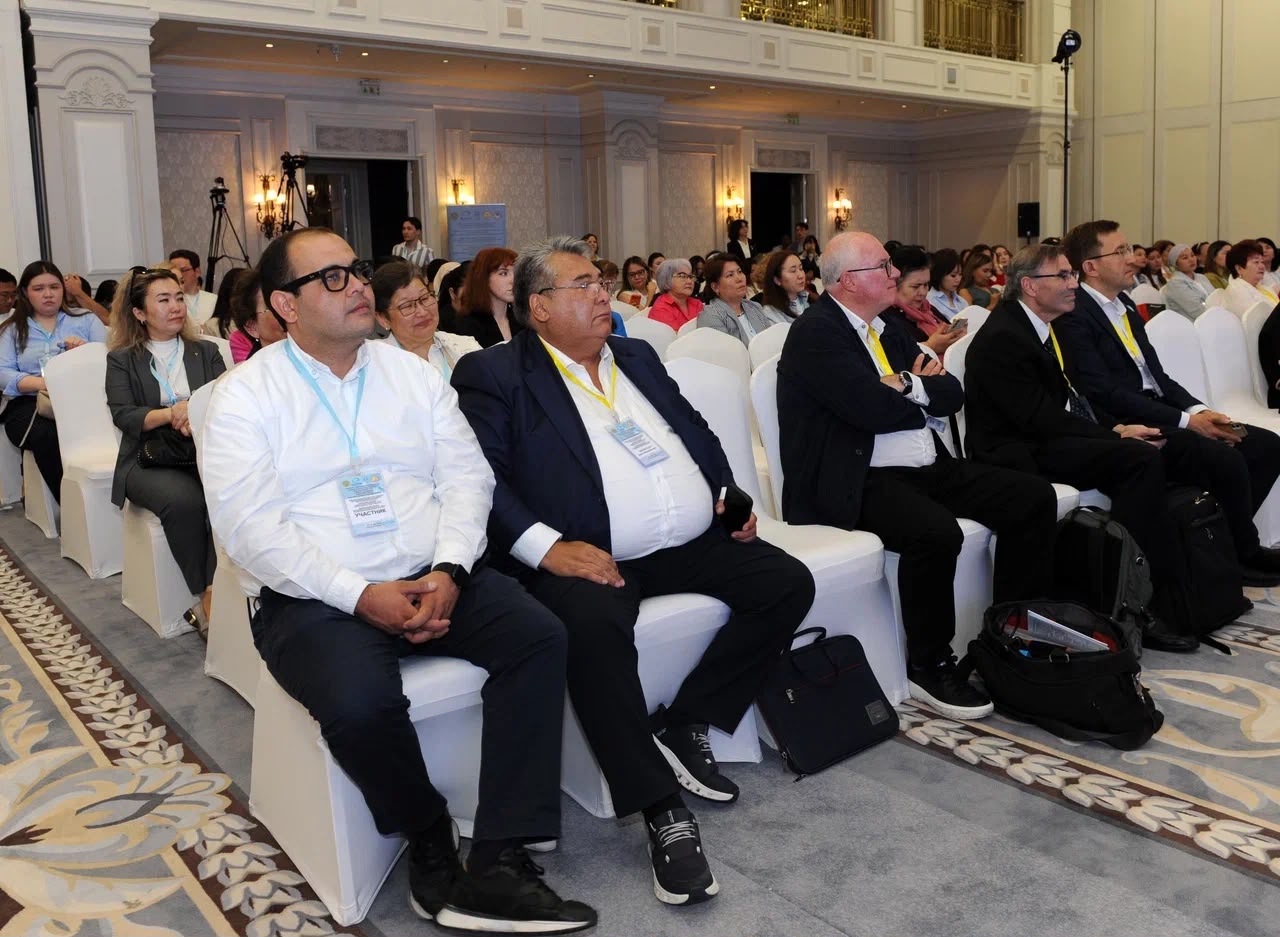
The forum’s high international standing was reflected in the strong interest from the professional community: approximately 500 participants attended the congress in Almaty, while another 935 specialists joined online, bringing together representatives from dozens of countries on a unified educational and scientific platform.
The International Congress became an important venue for strengthening professional collaboration, exchanging experience, and developing new initiatives aimed at improving neurological care and advancing stroke services in Kazakhstan and across Central Asia.