Space Horizons of Neurology – 2026
«The Earth is the cradle of humanity, but one cannot live in the cradle forever.»
K.E. Tsiolkovsky
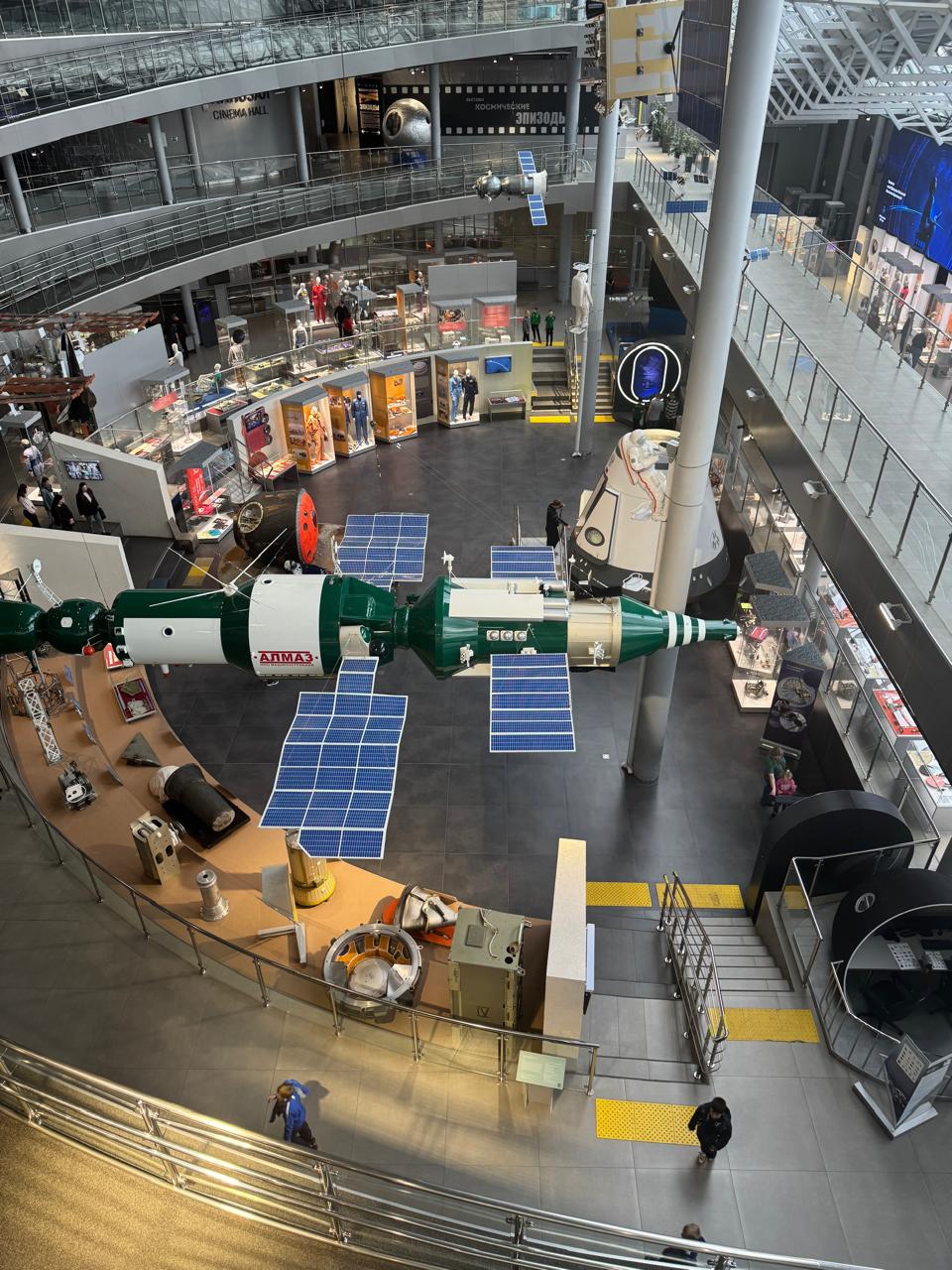
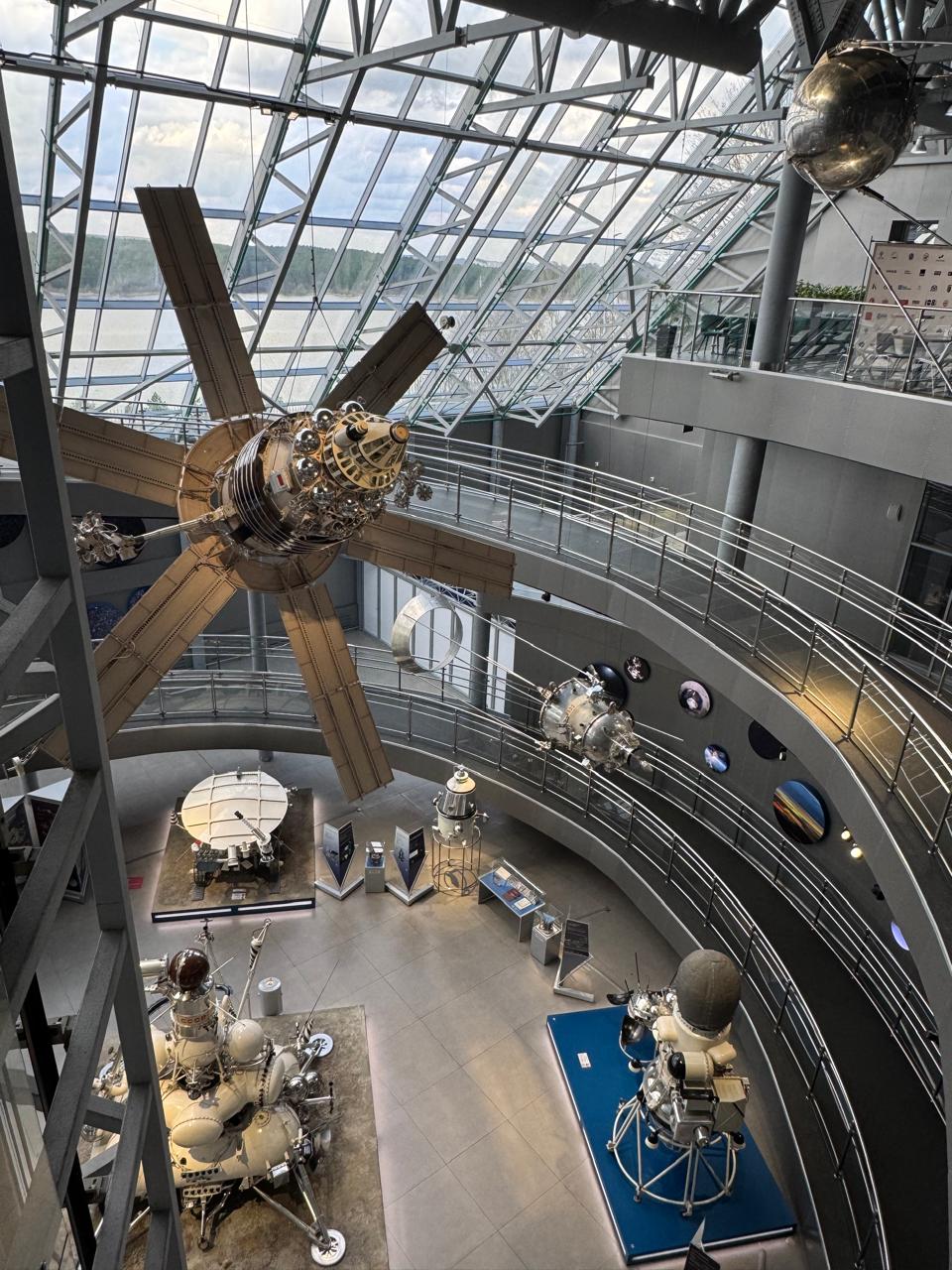
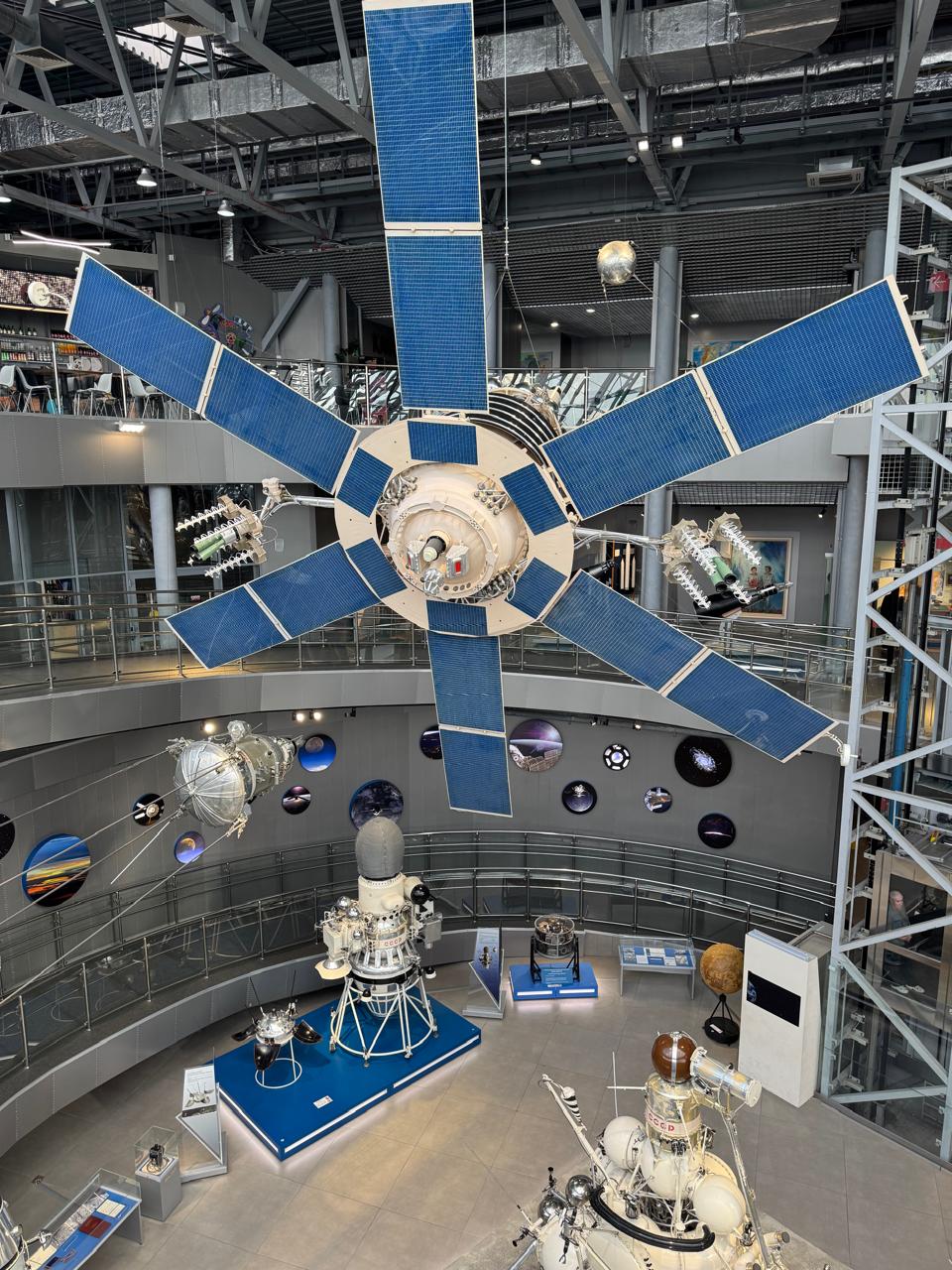
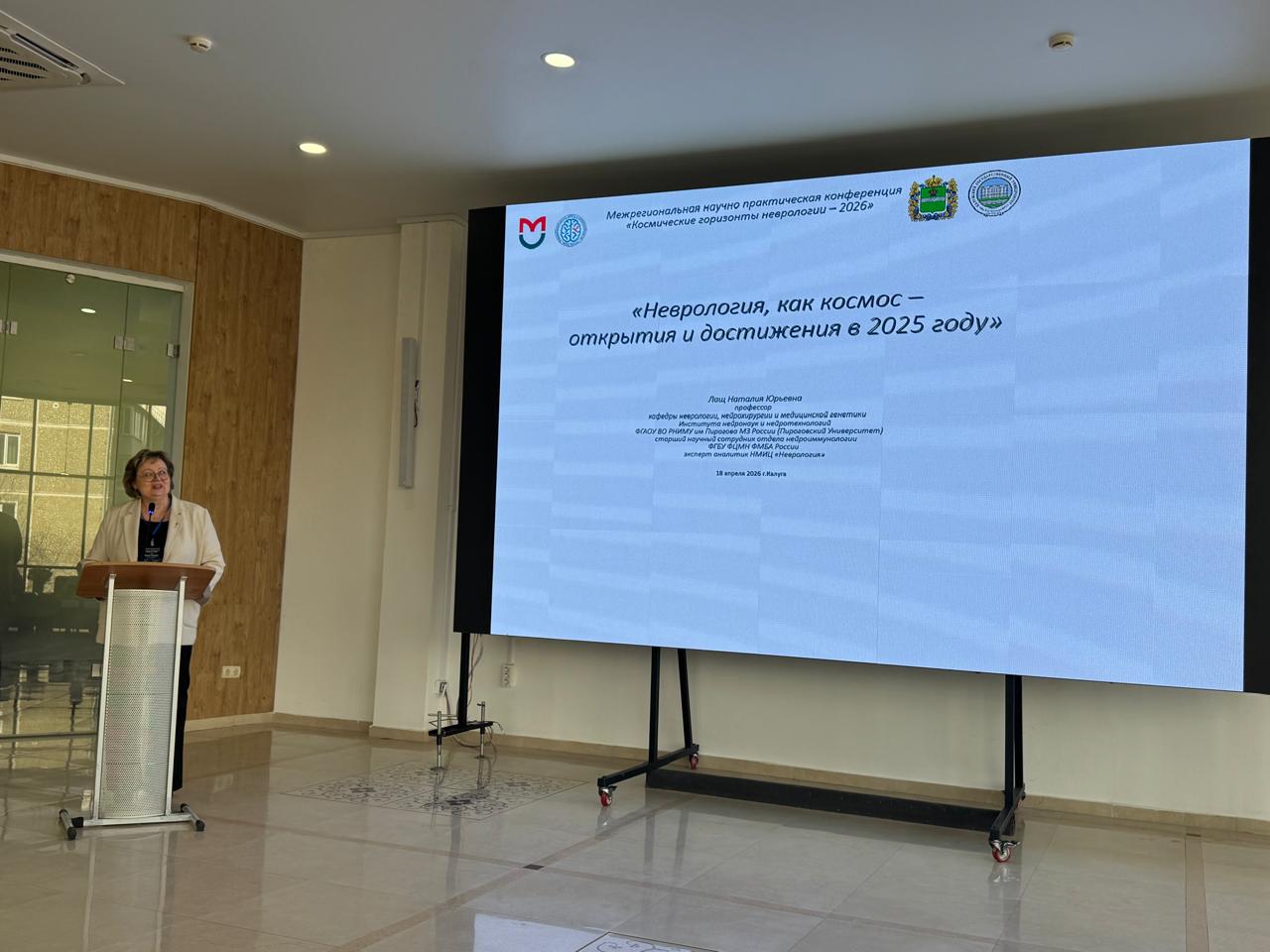
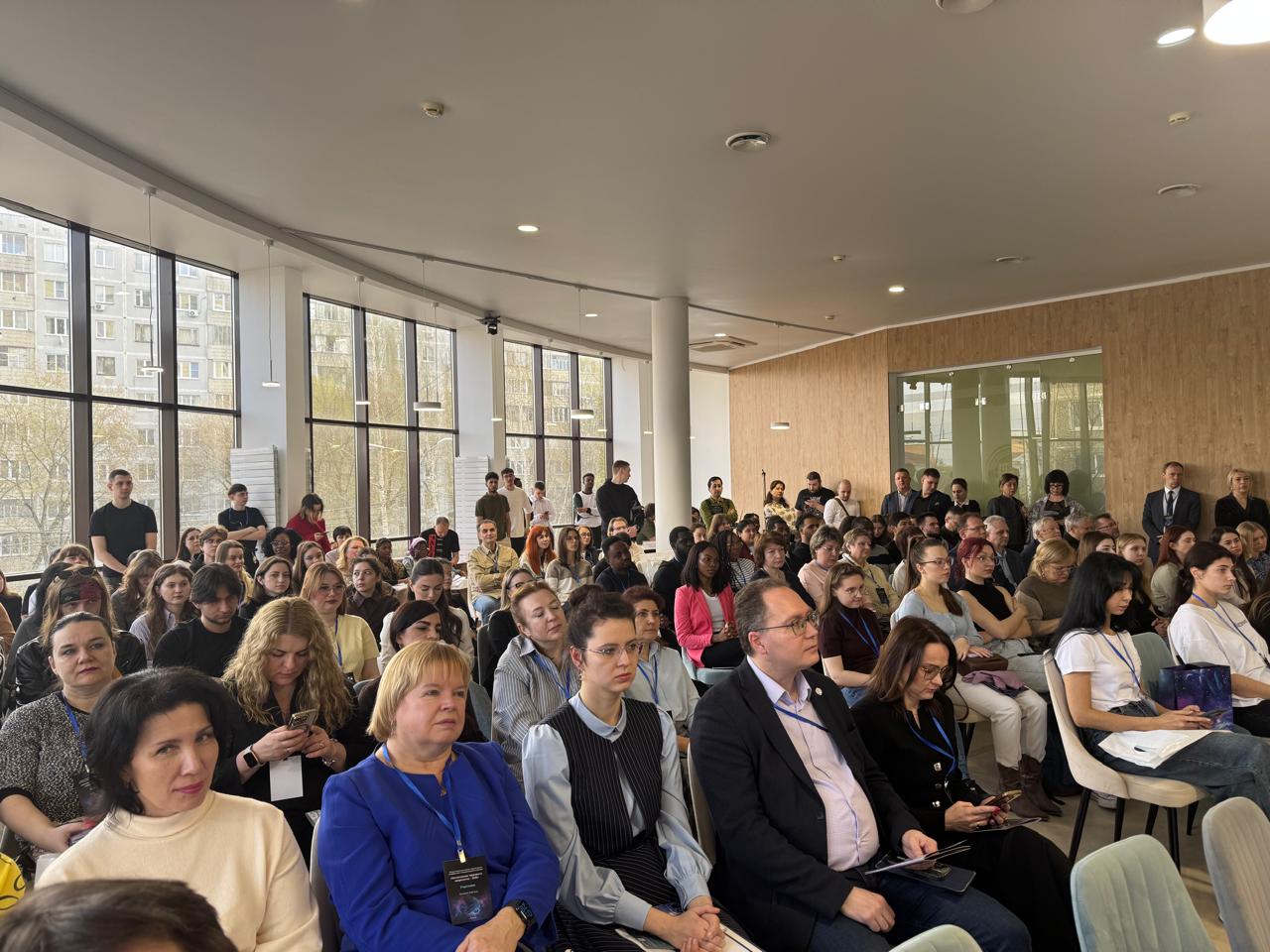
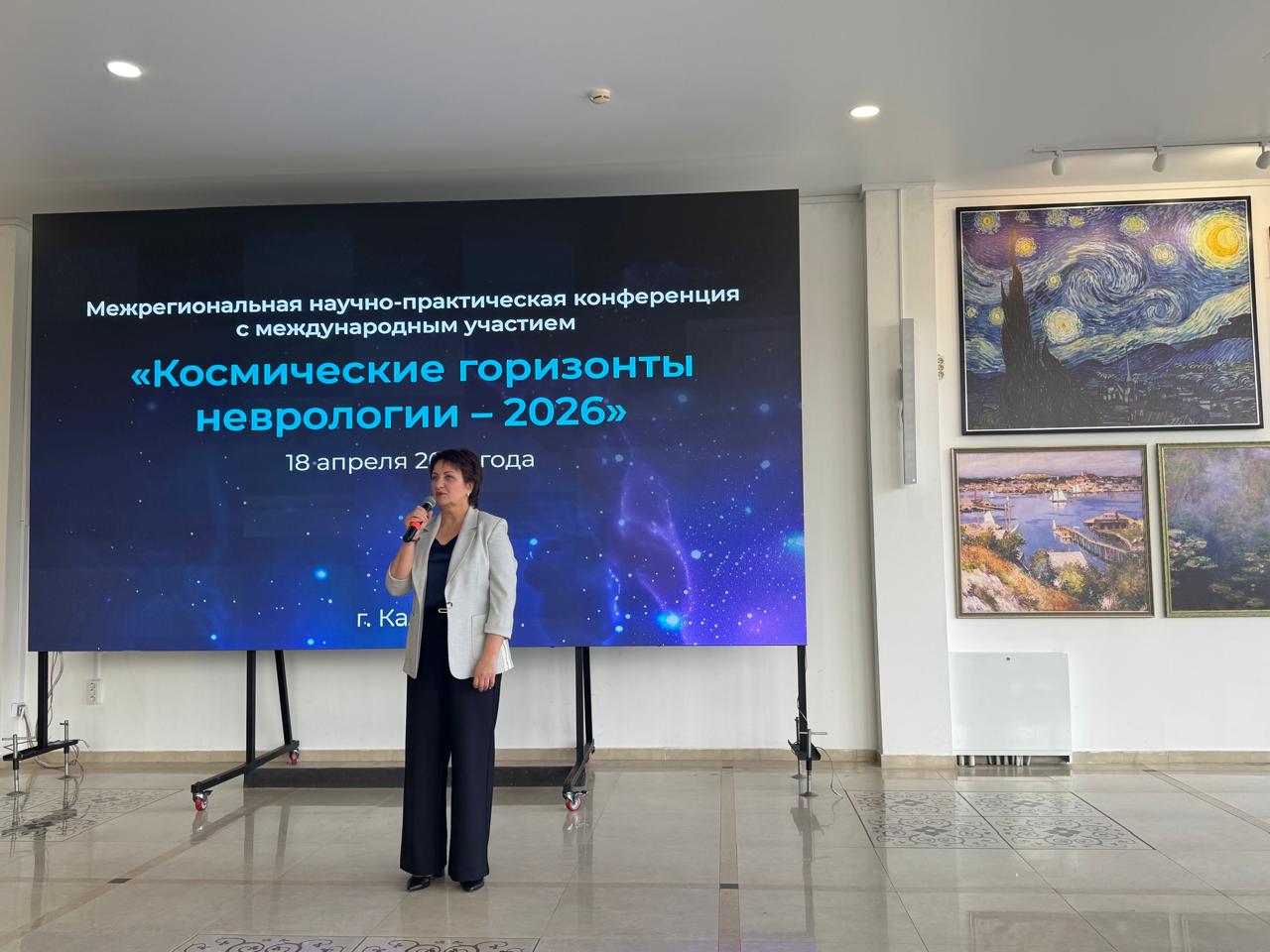
On April 18, 2026, in Kaluga—the birthplace of Konstantin Eduardovich Tsiolkovsky, the founder of theoretical cosmonautics—the interregional scientific and practical conference with international participation «Space Horizons of Neurology – 2026» was held. The event became a significant milestone for the professional community, bringing together leading experts, scientists, and practicing physicians to discuss the future of neurology. It is symbolic that the advanced directions of modern neurology and neurosciences were discussed precisely in the city where the ideas of space exploration were born.
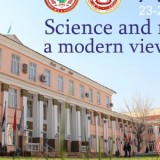
The conference was hosted by the Tsiolkovsky Kaluga State University, a symbol of scientific thought and the continuity of the great scientist’s ideas, whose name is inextricably linked to humanity’s aspiration toward new horizons of knowledge. Here, in an atmosphere inspired by the ideas of space discovery, new vectors for the development of neurosciences and clinical practice were outlined.
The event was organized by the Ministry of Health of the Kaluga Region, the Tsiolkovsky Kaluga State University, and the Kaluga Regional Clinical Hospital—institutions that shape the modern agenda of medical science and healthcare.
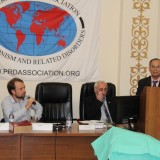
The conference was opened by the Minister of Health of the Kaluga Region, A.N. Chernova; the Director of the Medical Institute of Tsiolkovsky KSU, Doctor of Medical Sciences G.O. Smirnova; and the Chief Physician of the Kaluga Regional Clinical Hospital, Honored Doctor of the Russian Federation E.V. Razumeeva. In their speeches, they emphasized the strategic role of interdisciplinary interaction, scientific integration, and the implementation of advanced technologies in the development of neurological services.
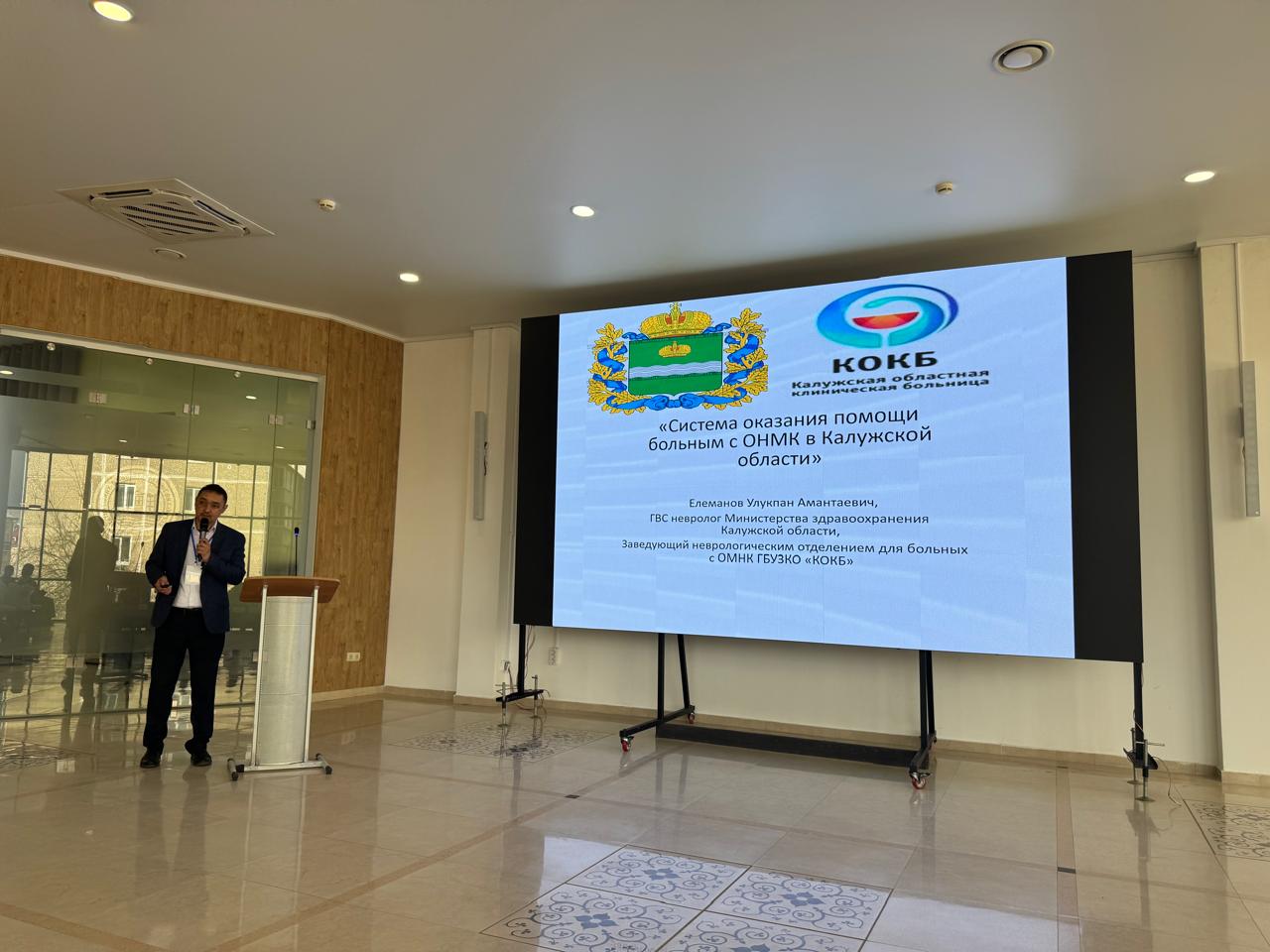
The scientific program was moderated by, and featured key presentations from, recognized experts—the Chief Neurologist of the Kaluga Region, U.A. Elemanov, and the Chief Specialist in autoimmune and demyelinating diseases, O.V. Erina, who ensured a high professional level of discussion.
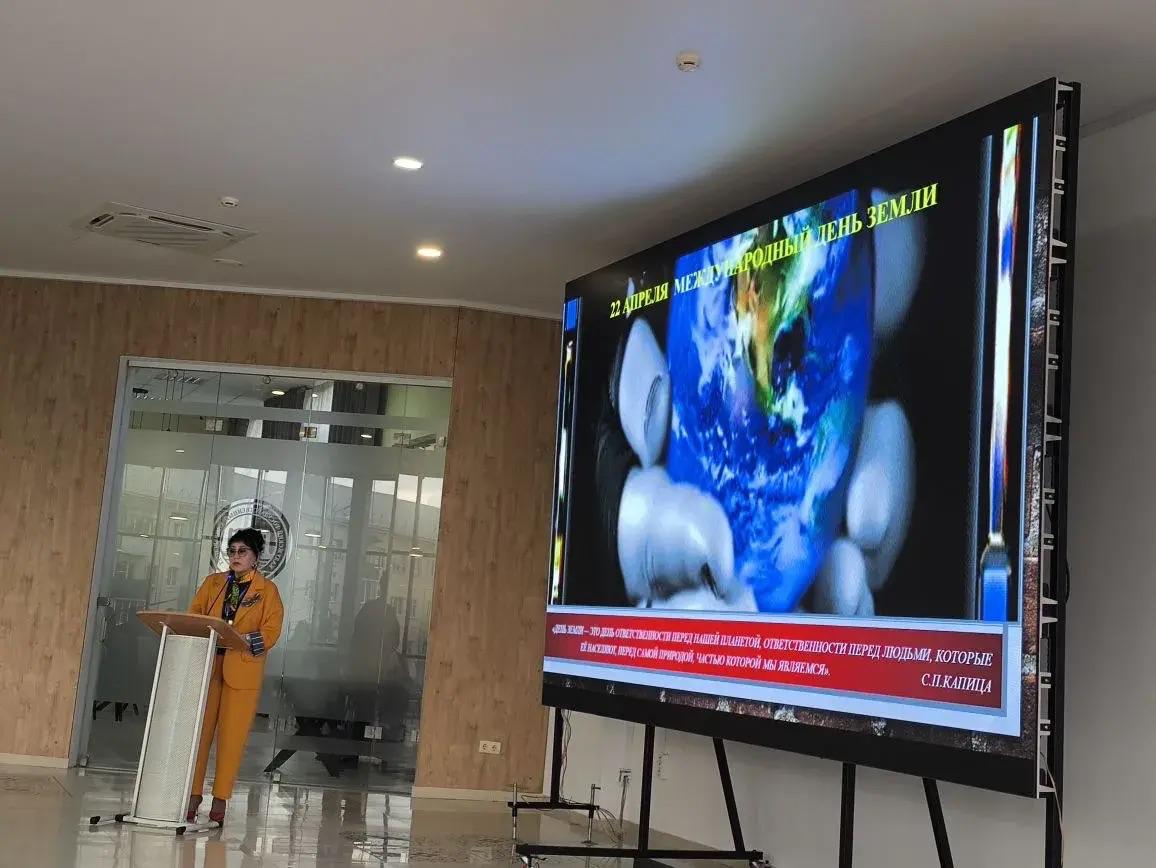
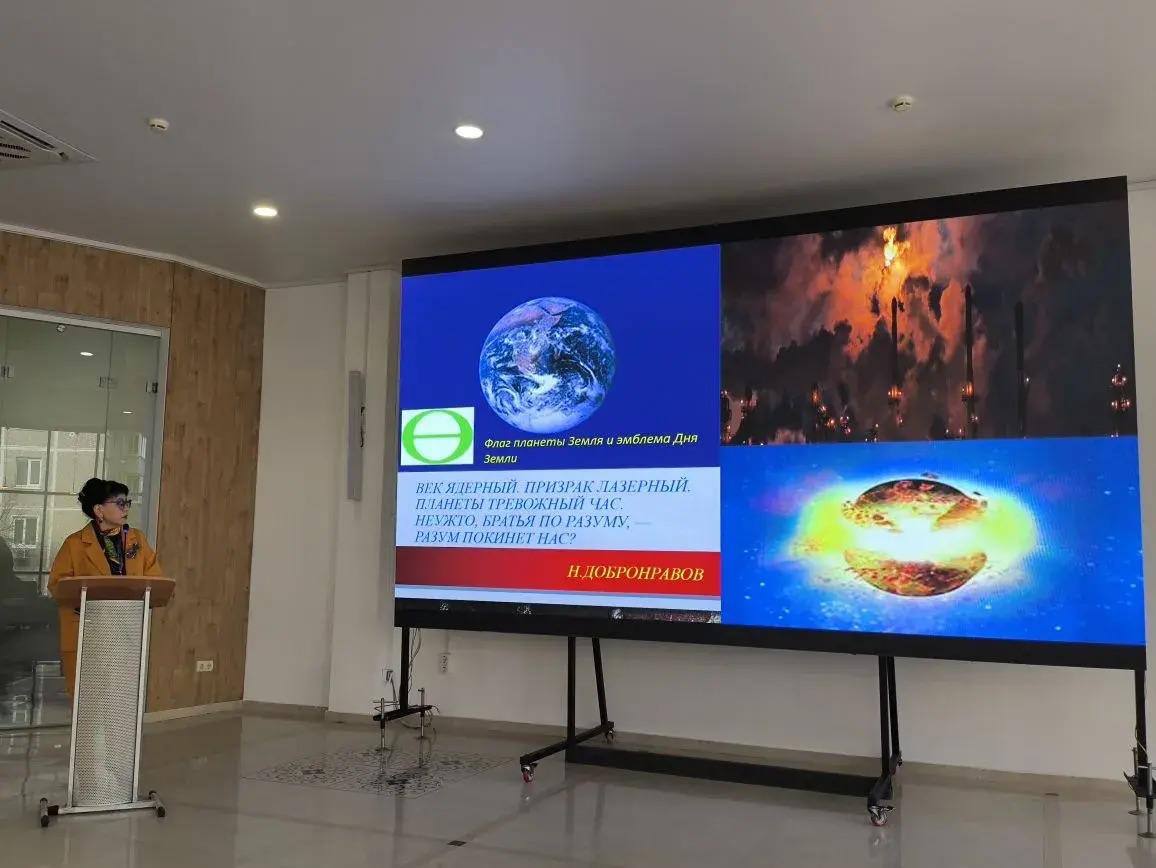
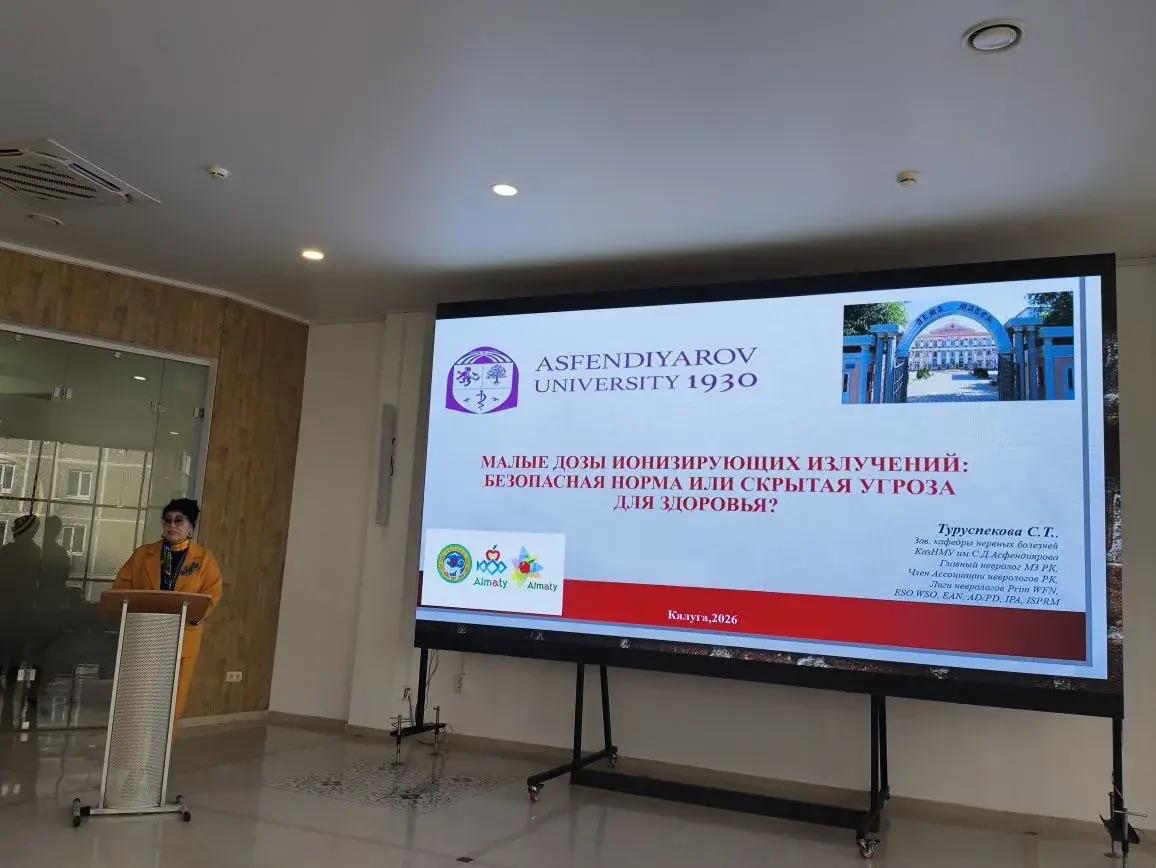
Particular attention was drawn to the presentation by the Head of the Department of Nervous Diseases at the Asfendiyarov Kazakh National Medical University, Chief Neurologist of the Ministry of Health of the Republic of Kazakhstan, S.T. Turuspekova. Her report, «Low Doses of Ionizing Radiation: A Safe Norm or a Hidden Health Threat?», became one of the central events of the scientific program. The data presented on the impact of low doses of radiation on the nervous system sparked broad professional interest. The uniqueness of the presentation was underscored by the speaker’s significant practical experience, including her work as the personal physician to Kazakh cosmonaut Aidyn Aimbetov.
The conference was attended by representatives of the country’s leading scientific centers: the Institute of Neurosciences and Neurotechnologies at the Pirogov Russian National Research Medical University, Yaroslavl State Medical University, Sechenov University, the Vladimir Moscow Regional Research Clinical Institute (Moscow Regional Clinical Research Institute), and other institutions, which gave the event scale and interregional significance.
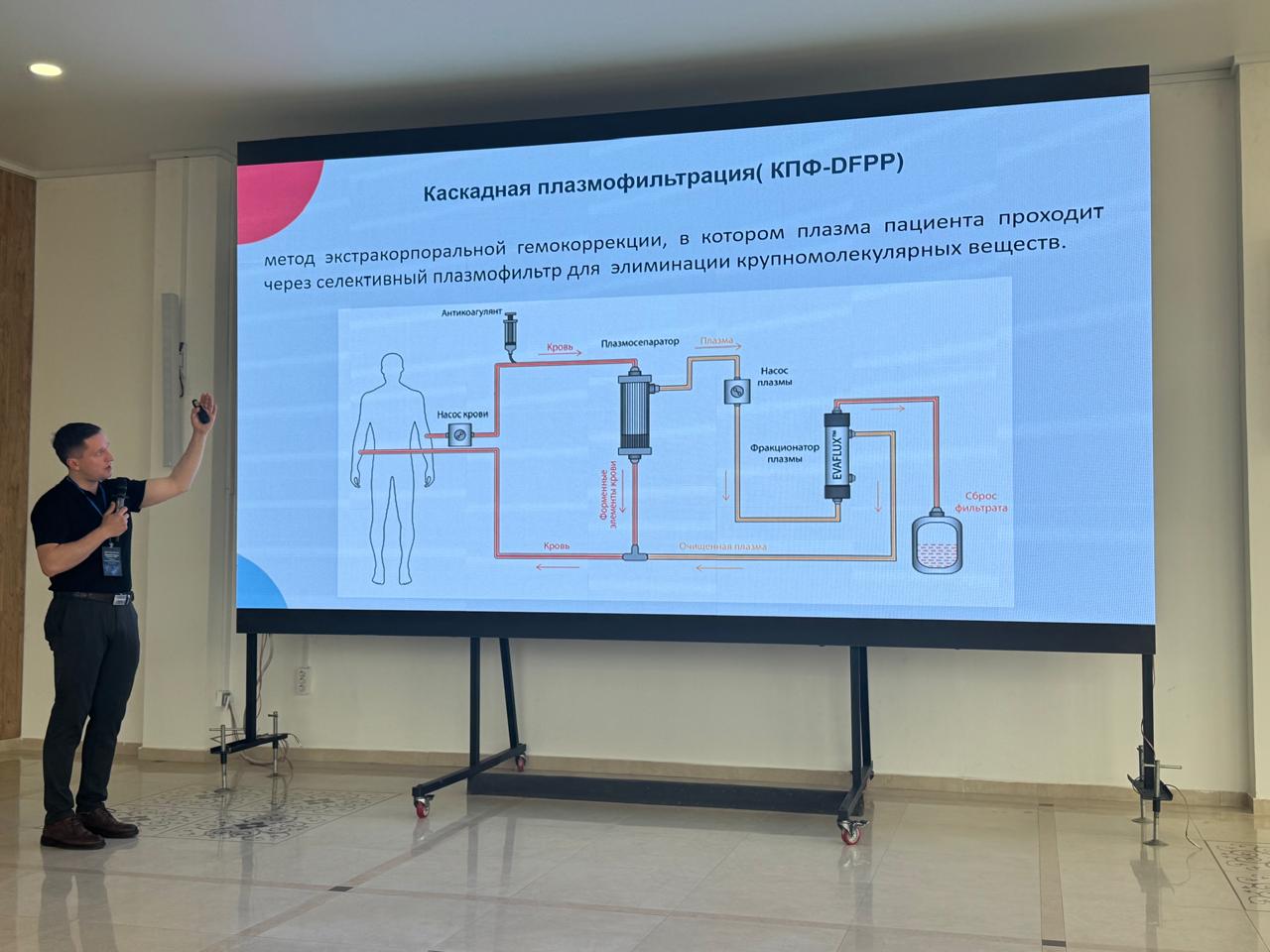
The focus of the participants was on key directions in modern neurology. They discussed the possibilities of extracorporeal technologies for a wide spectrum of neurological diseases as one of the most promising tools of personalized medicine. A separate emphasis was placed on modern approaches to the treatment of acute cerebrovascular accidents, including the use of therapeutic hypothermia as an innovative method of neuroprotection. Significant interest was generated by reports dedicated to gender aspects in epileptology, where the subtle mechanisms of hormonal factors, peculiarities of clinical progression, and possibilities for the individualization of therapy were examined.
The «Space Horizons of Neurology – 2026» conference became not just a scientific event, but a powerful intellectual platform defining the contours of the future of neurology. It demonstrated a high level of scientific potential, strengthened professional ties, and set new benchmarks for the development of medical science in a rapidly changing world.
«The Earth is the cradle of humanity, but one cannot live in the cradle forever»—these words of K.E. Tsiolkovsky, echoing in the context of the conference, served as a symbolic reminder of the necessity for constant scientific inquiry and forward movement. Following this principle, the conference participants outlined new horizons for the development of neurology—from fundamental research to the implementation of high technologies in clinical practice—confirming that the journey toward the future of medicine requires courage, knowledge, and the unified efforts of the scientific community.