In Semey, an educational seminar on the diagnosis and treatment of rare neurological diseases was held
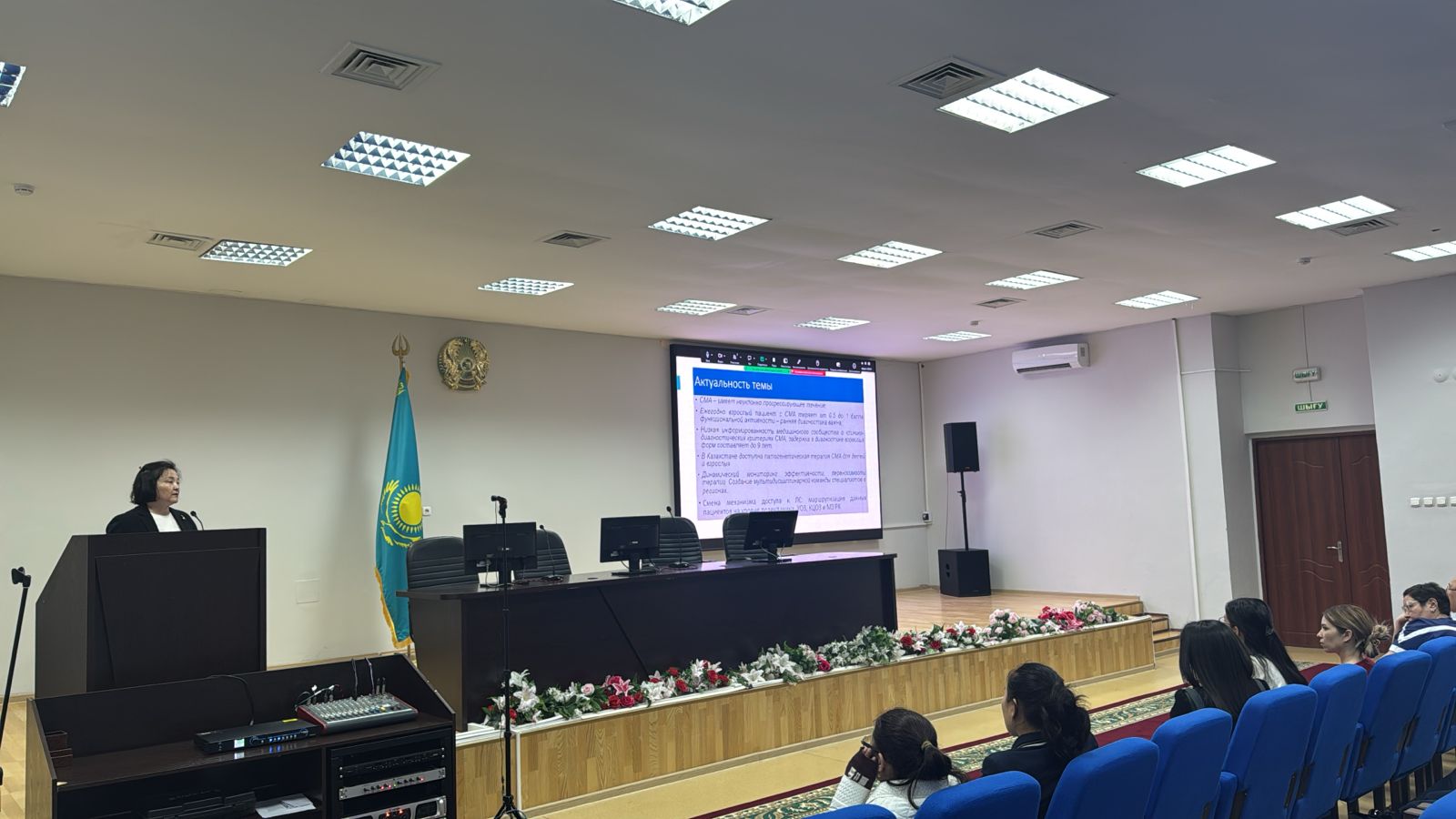
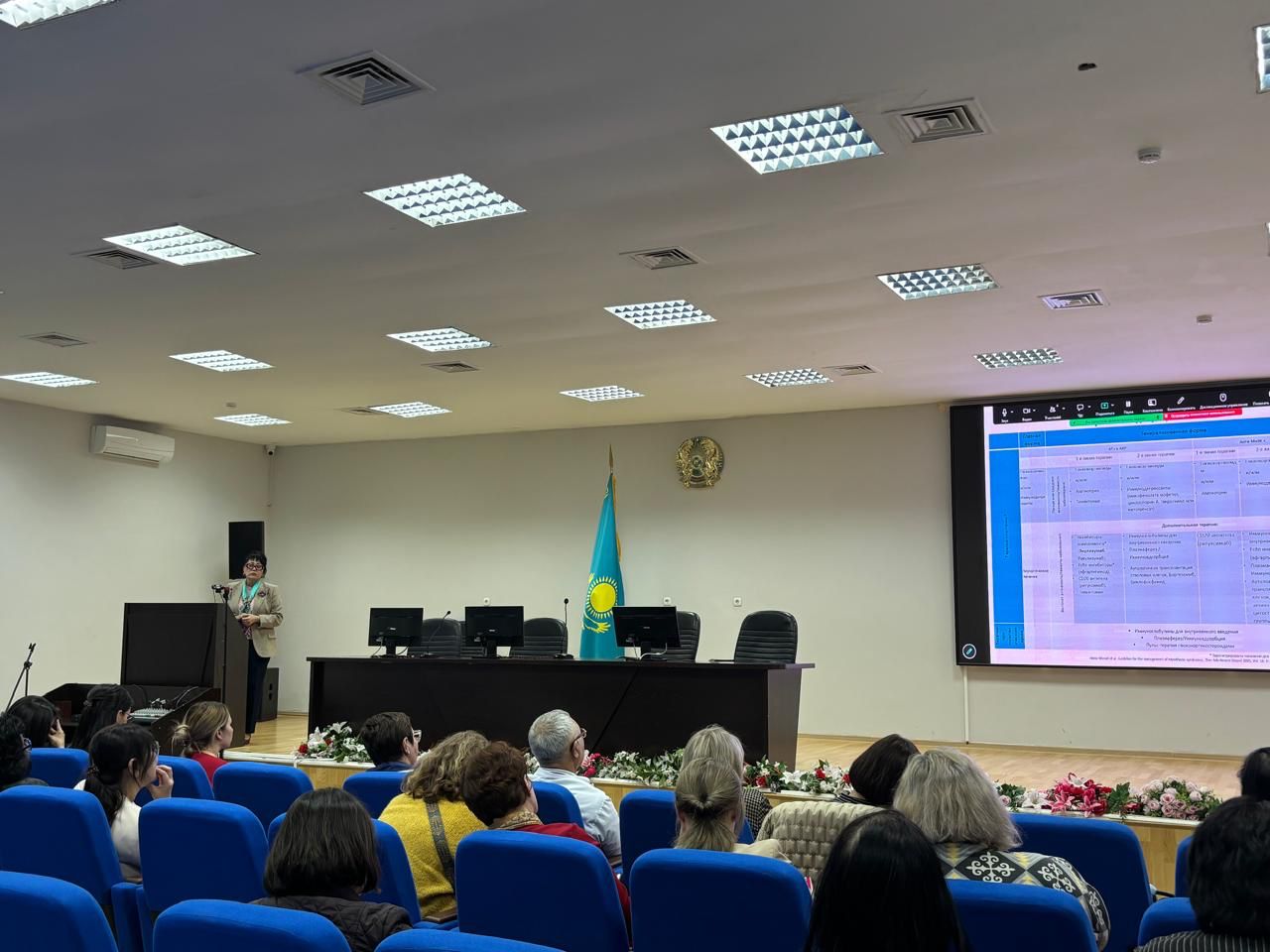
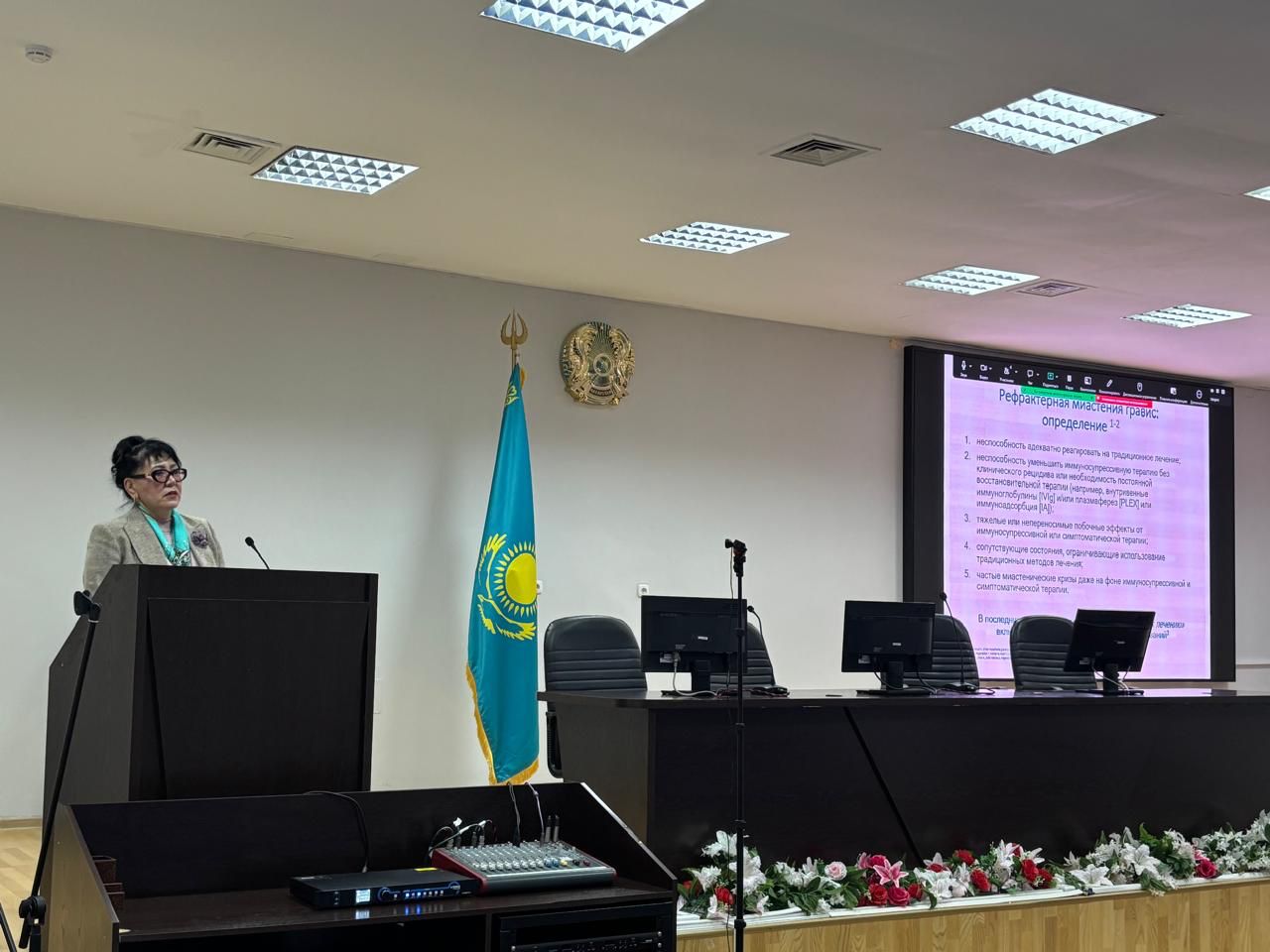
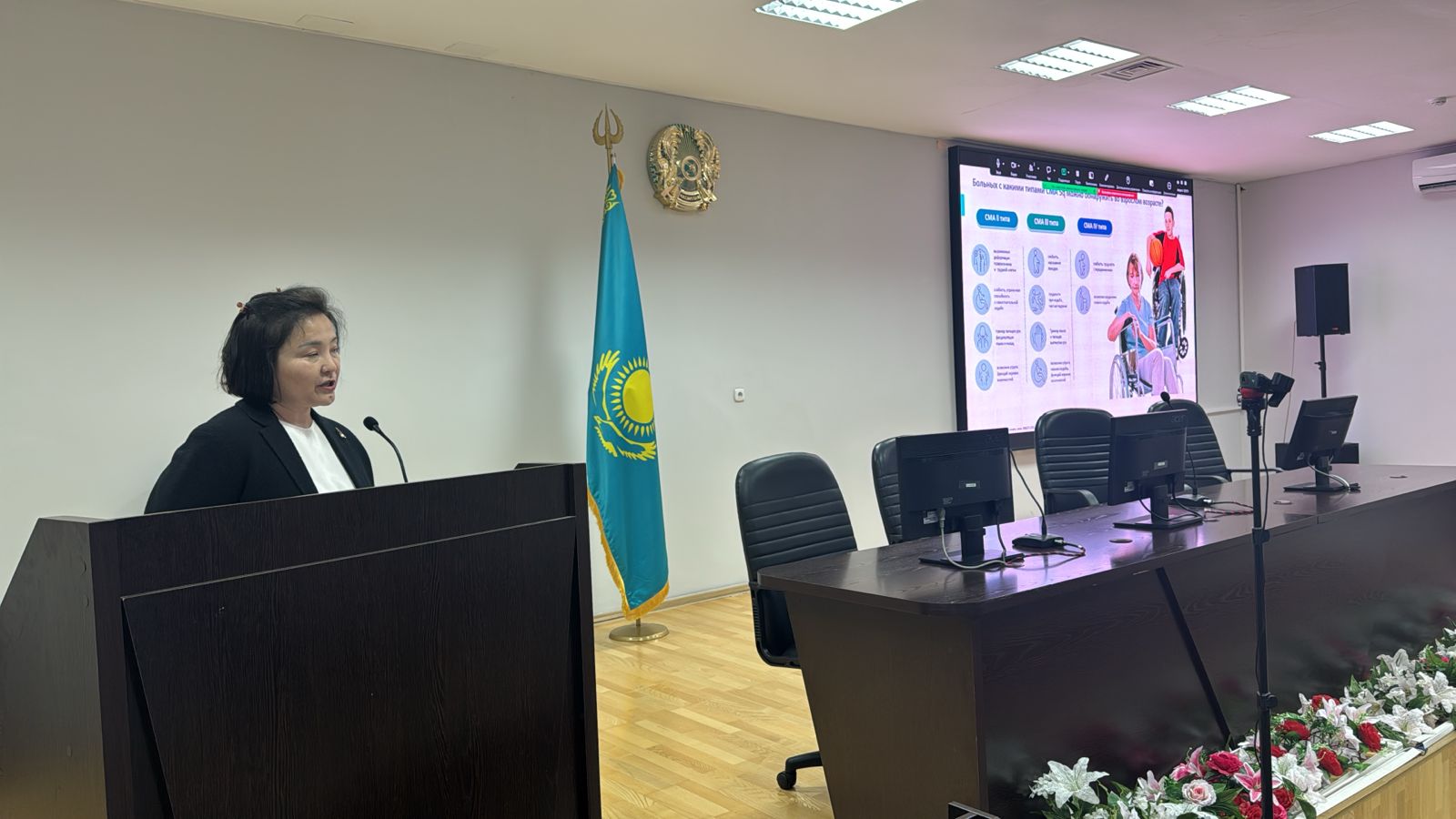
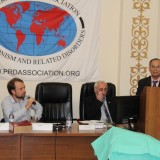
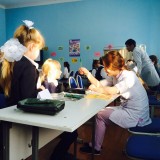
On May 14, 2026, the educational seminar “Modern Principles of Diagnosis and Treatment of Certain Orphan Diseases in Neurology” took place at the Emergency Hospital of Semey.
The event was organized by:
- the Department of Nervous Diseases of Asfendiyarov Kazakh National Medical University,
- the Association of Neurologists of the Republic of Kazakhstan,
- the Institute of Continuing Professional Education of Asfendiyarov Kazakh National Medical University,
- and the Healthcare Department of the Abai Region.
The seminar coordinator was the chief freelance neurologist of the regional healthcare department, Rozagaliyeva R.F.
The aim of the seminar was to improve the qualifications of practicing physicians, implement modern international protocols, and enhance the patient referral system for individuals with rare (orphan) diseases in the region.
Key Topics and Speakers
The seminar program covered the most pressing issues in modern neurogenetics and neurology:
Spinal Muscular Atrophy (SMA):
Professor of the Department of Nervous Diseases, Mukhambetova G.A., presented a report on revolutionary advances in SMA therapy. The expert emphasized that with the emergence of pathogenetic treatment, this severe disease is no longer considered a life sentence for patients.
Practical Tools:
A practical session was conducted on the use of specialized assessment scales. These scales are critically important for monitoring the condition of patients with SMA and evaluating the effectiveness of ongoing therapy.
Myasthenia Gravis:
Head of the Department of Nervous Diseases, Turuspekova S.T., provided a detailed overview of modern diagnostic algorithms and new approaches to the treatment of myasthenia gravis, with special attention given to the clinical course and treatment of the juvenile form of the disease in children.
The Role of Primary Healthcare:
Professor Mukhambetova G.A. also addressed issues related to the long-term follow-up of orphan disease patients at the primary healthcare level and presented clear referral algorithms to ensure timely access to high-tech medical care.
Outcomes and Results
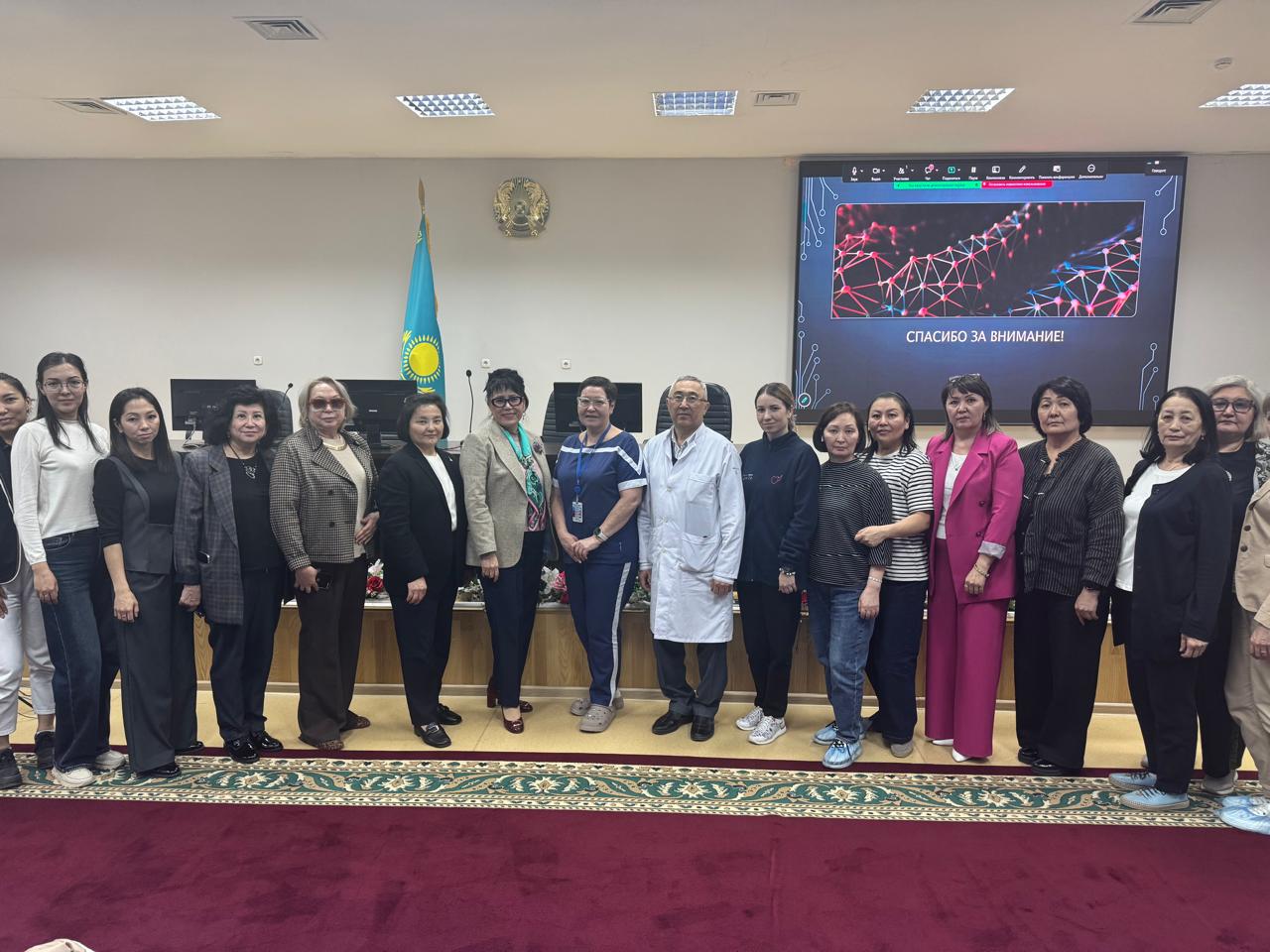
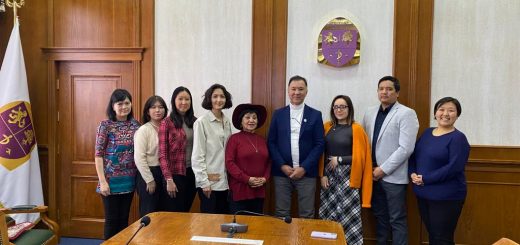
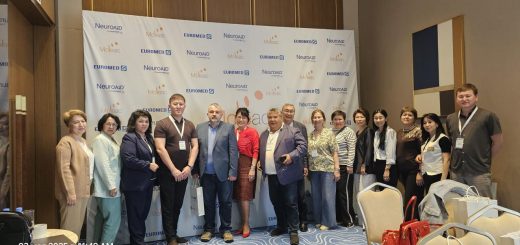
As a result of the seminar, 26 practicing specialists from the region successfully completed the training. All participants received official certificates of non-formal education issued by the Institute of Continuing Professional Education of Asfendiyarov Kazakh National Medical University, confirming the acquisition of new clinical competencies.
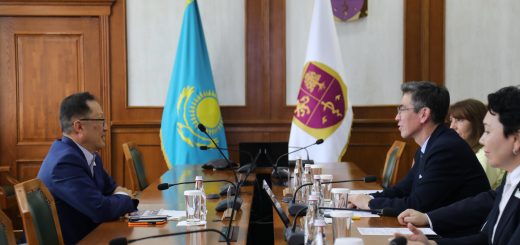
The seminar concluded with an open discussion session. Participants had the opportunity to ask questions to leading профильные specialists of Kazakhstan, discuss complex clinical cases from practice, and coordinate cooperation between regional hospitals and профильные academic departments.
Such educational initiatives enable the rapid implementation of advances in medical science into regional healthcare practice, making innovative medical care accessible to every patient.