Beyond Neurology: Adult Hypophosphatasia as an Interdisciplinary Challenge for Modern Medicine
The Department of Nervous Diseases at S.D. Asfendiyarov Kazakh National Medical University (KazNMU), with the support of City Clinical Hospital No. 1 in Almaty, continues its systematic efforts to enhance physicians’ professional competencies and improve neurological care for the adult population of the Republic of Kazakhstan.
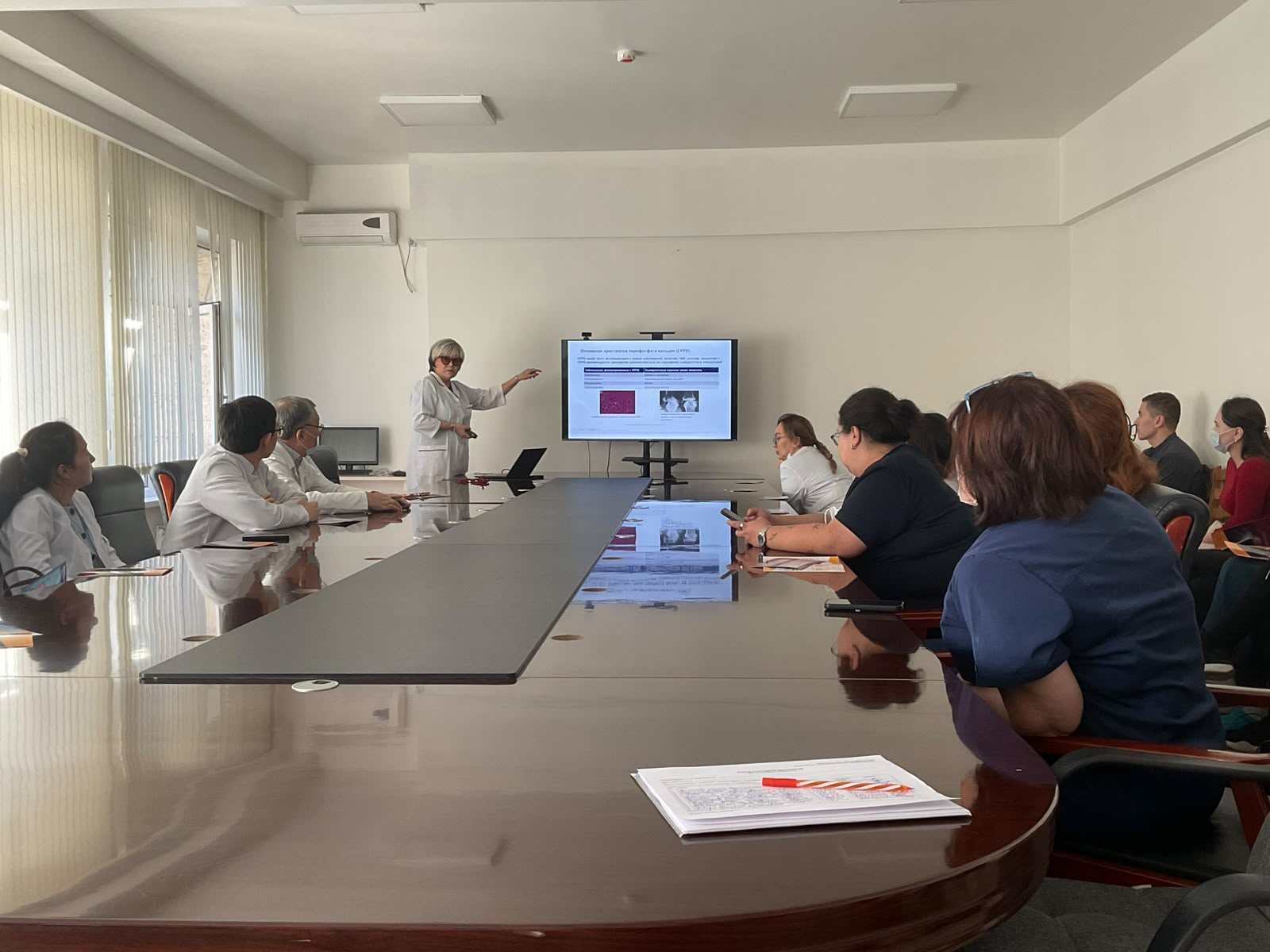
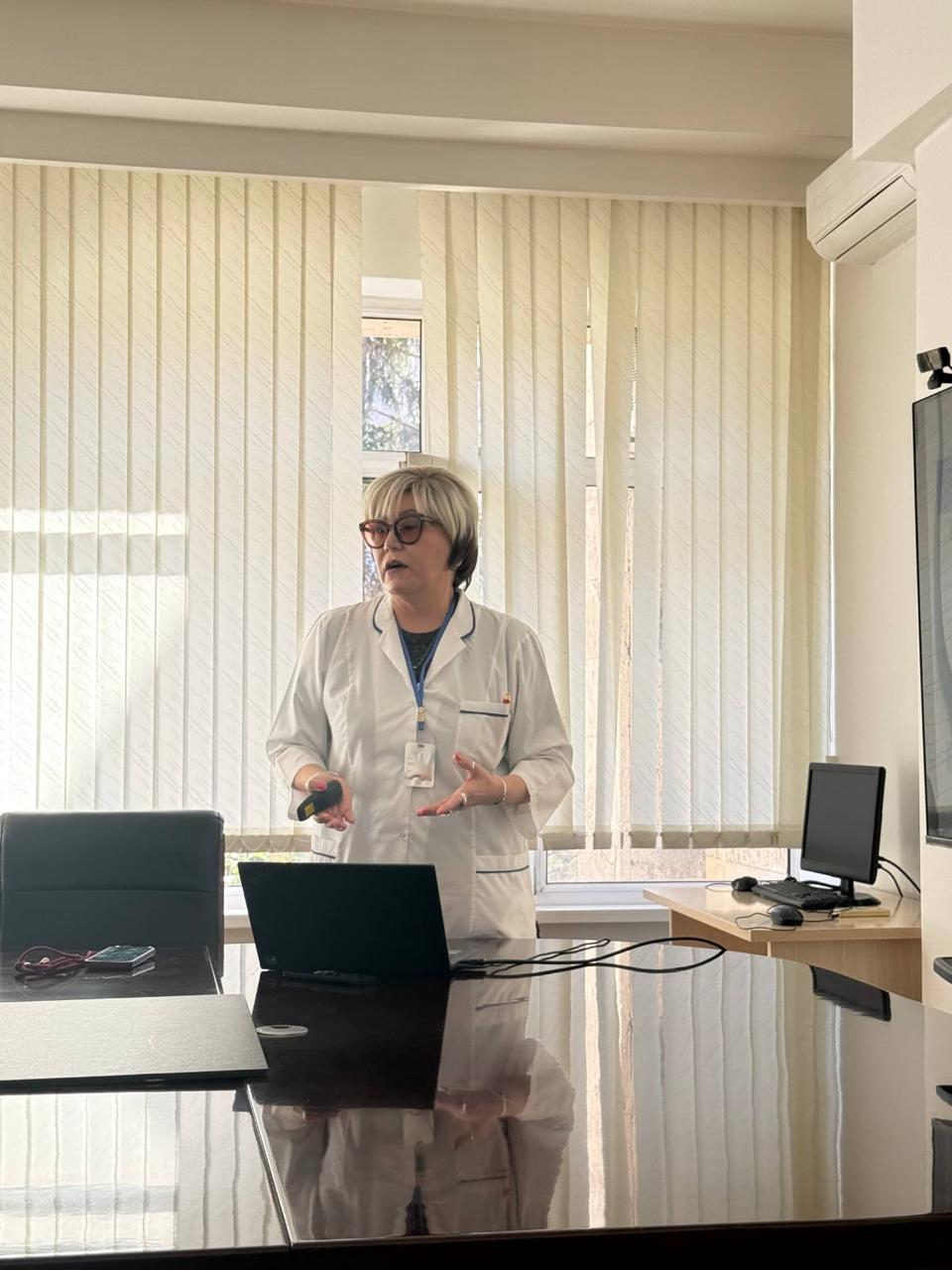
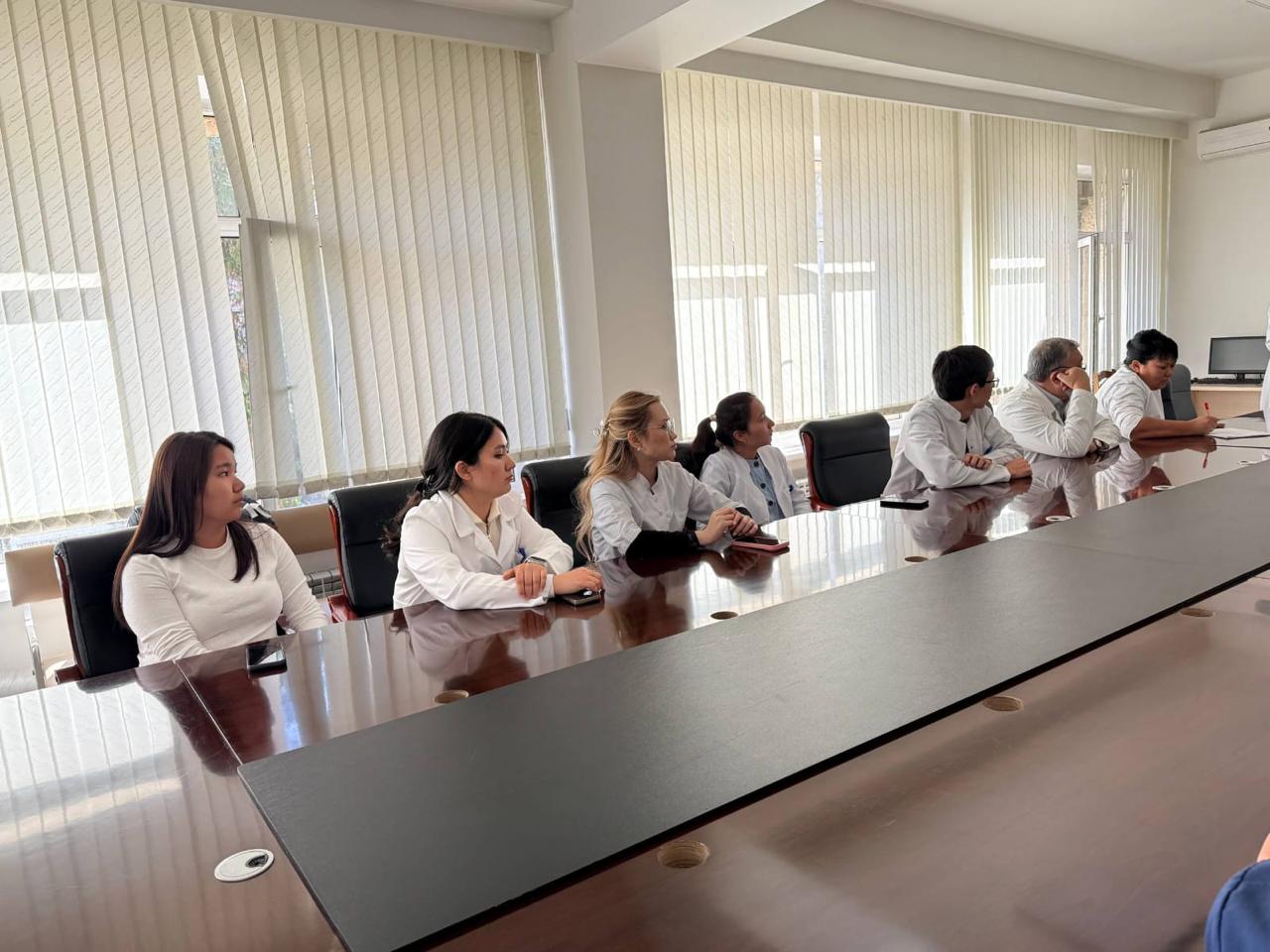
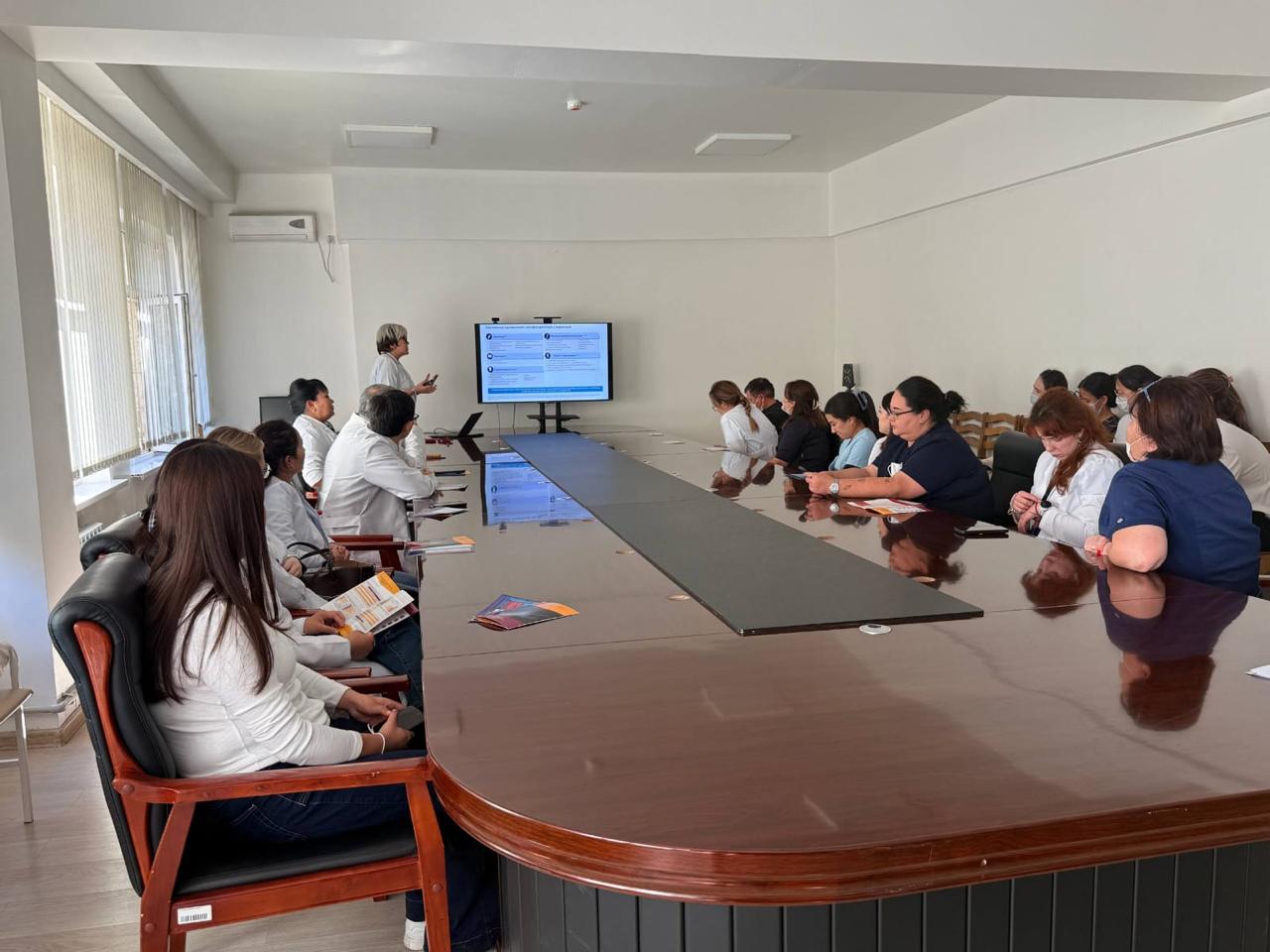
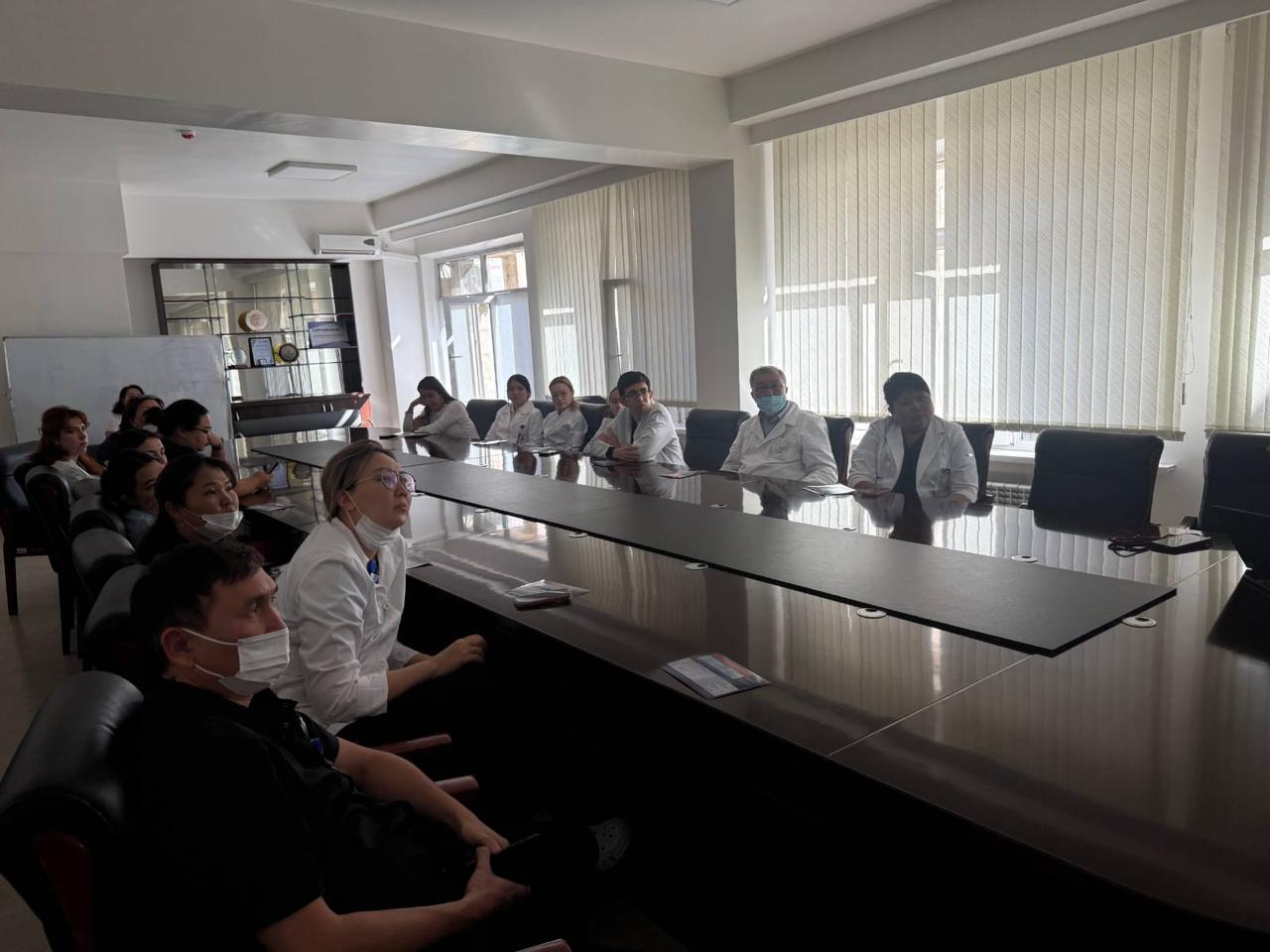
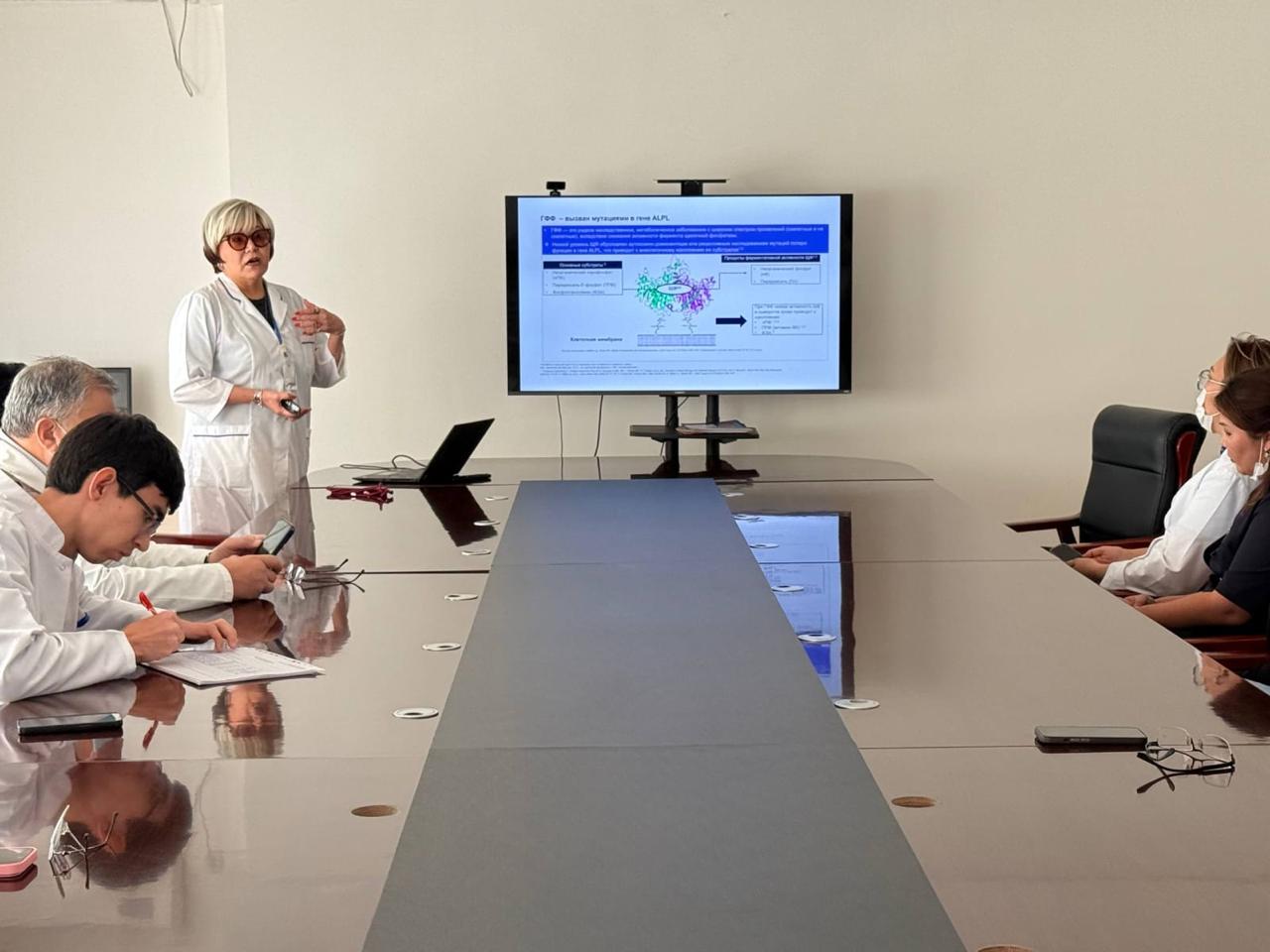
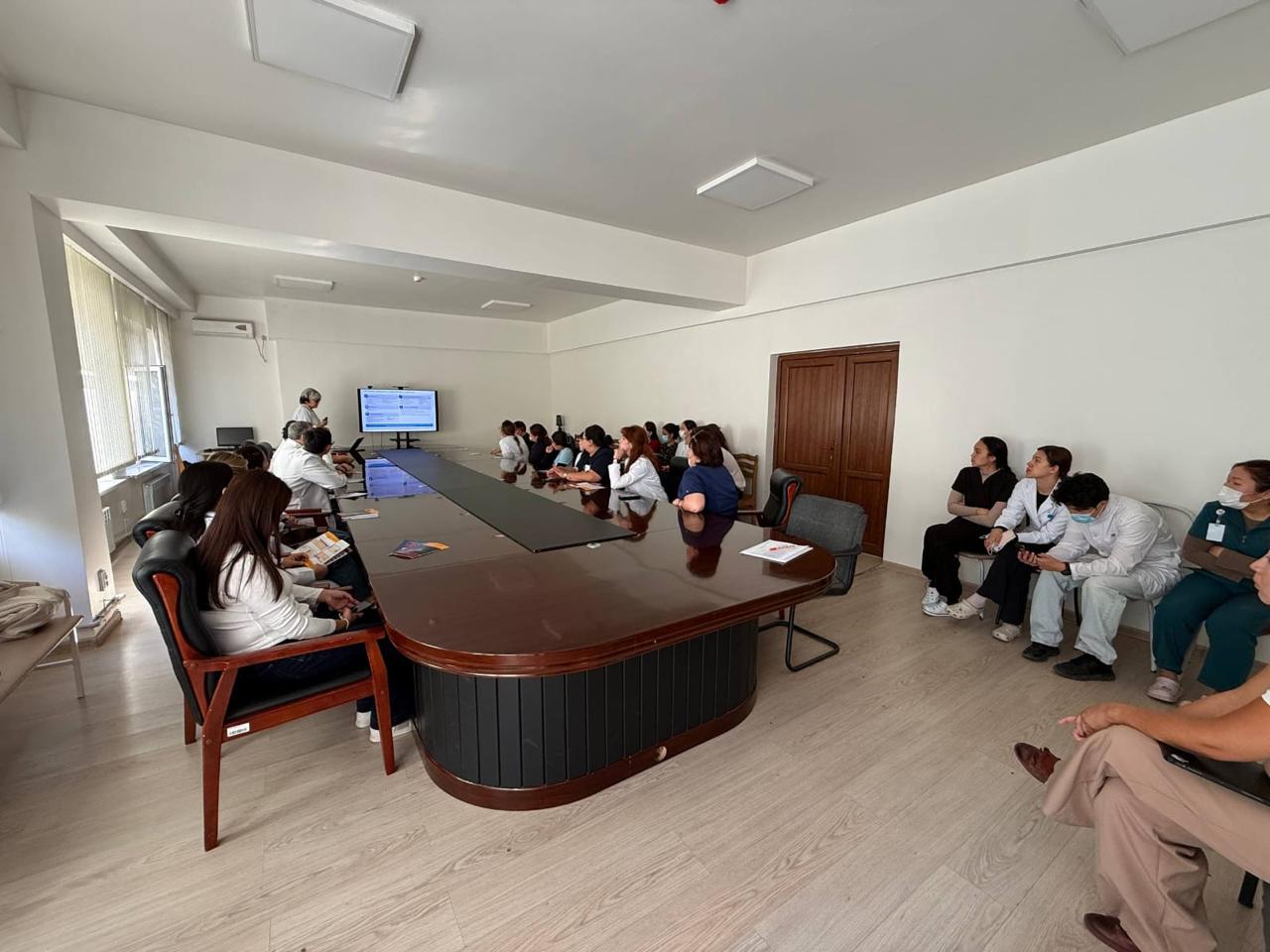
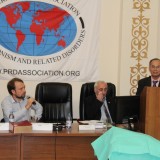
On October 16, 2026, an educational roundtable entitled “Adult Hypophosphatasia: From Clinical Manifestations to Diagnosis” was held at City Clinical Hospital No. 1 in Almaty for hospital physicians and medical residents. The event was led by Saule Tleubergenovna Turuspekova, Head of the Department of Nervous Diseases at S.D. Asfendiyarov Kazakh National Medical University and Chief Freelance Neurologist of the Ministry of Healthcare of the Republic of Kazakhstan.
The roundtable was held as part of the implementation of the Roadmap for Improving Neurological Care for the Adult Population of the Republic of Kazakhstan for 2025–2027 (No. 03324, dated January 23, 2025). The event aimed to strengthen physicians’ diagnostic awareness, develop clinical reasoning skills, and promote the adoption of modern approaches to identifying rare diseases.
Hypophosphatasia is a rare inherited metabolic disorder that can affect not only bones and teeth but also cause muscle weakness, chronic pain, fatigue, and functional limitations. The wide range of clinical manifestations, including neurological complaints and systemic abnormalities, often complicates timely diagnosis and necessitates an interdisciplinary approach.
During the meeting, participants discussed the key clinical features of the disease, the significance of persistently low alkaline phosphatase activity, and the principles of differential diagnosis. Particular attention was paid to recognizing atypical combinations of symptoms and ensuring timely referral of patients for specialized diagnostic evaluation.
The practical value of the roundtable lies in its potential to improve the diagnostic skills of physicians and medical residents, broaden the scope of clinical investigation, and enhance healthcare professionals’ readiness to identify rare disorders. Effective diagnosis relies on close collaboration among neurologists, endocrinologists, rheumatologists, trauma and orthopedic specialists, and other healthcare professionals.
The Department of Nervous Diseases at S.D. Asfendiyarov Kazakh National Medical University continues to advance educational initiatives that bring together scientific expertise and the practical needs of the healthcare system. Timely recognition of rare diseases is an important step toward establishing an accurate diagnosis, selecting an evidence-based management strategy, and improving patients’ quality of life.