Rector of KazNMU Marat Shoranov Takes Part in WHO International Seminar on the Future of Primary Health Care
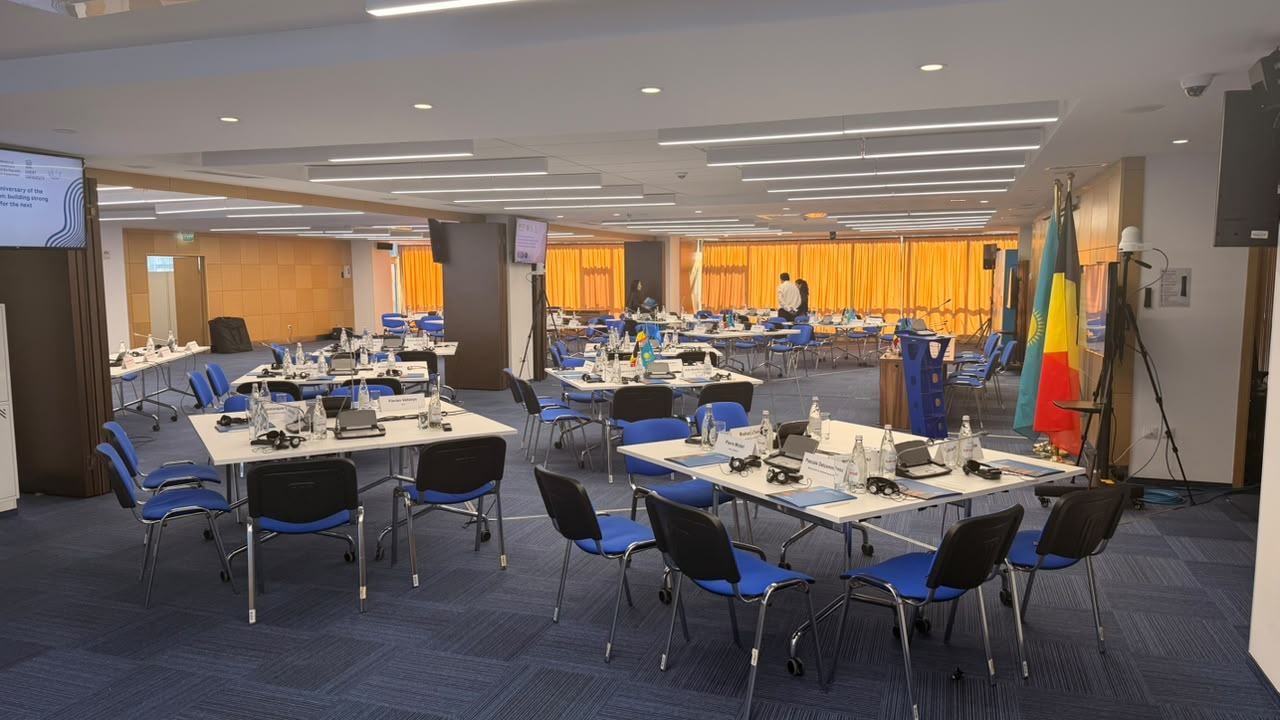
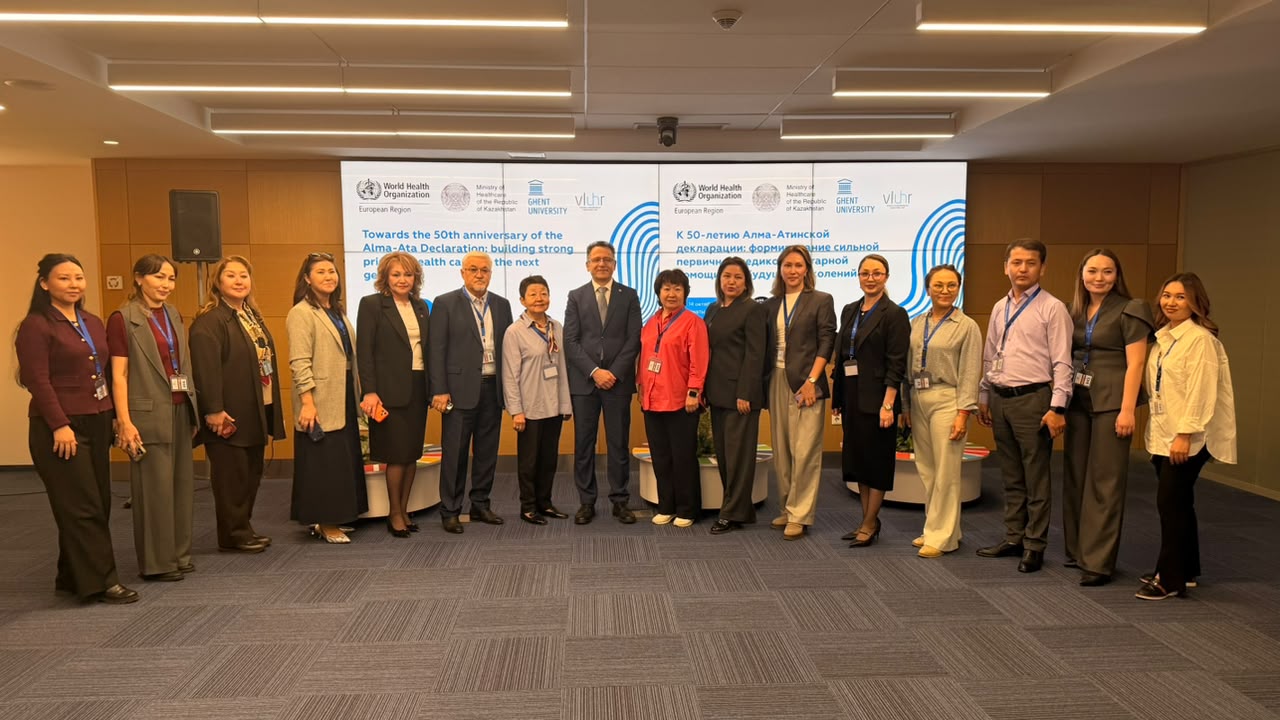
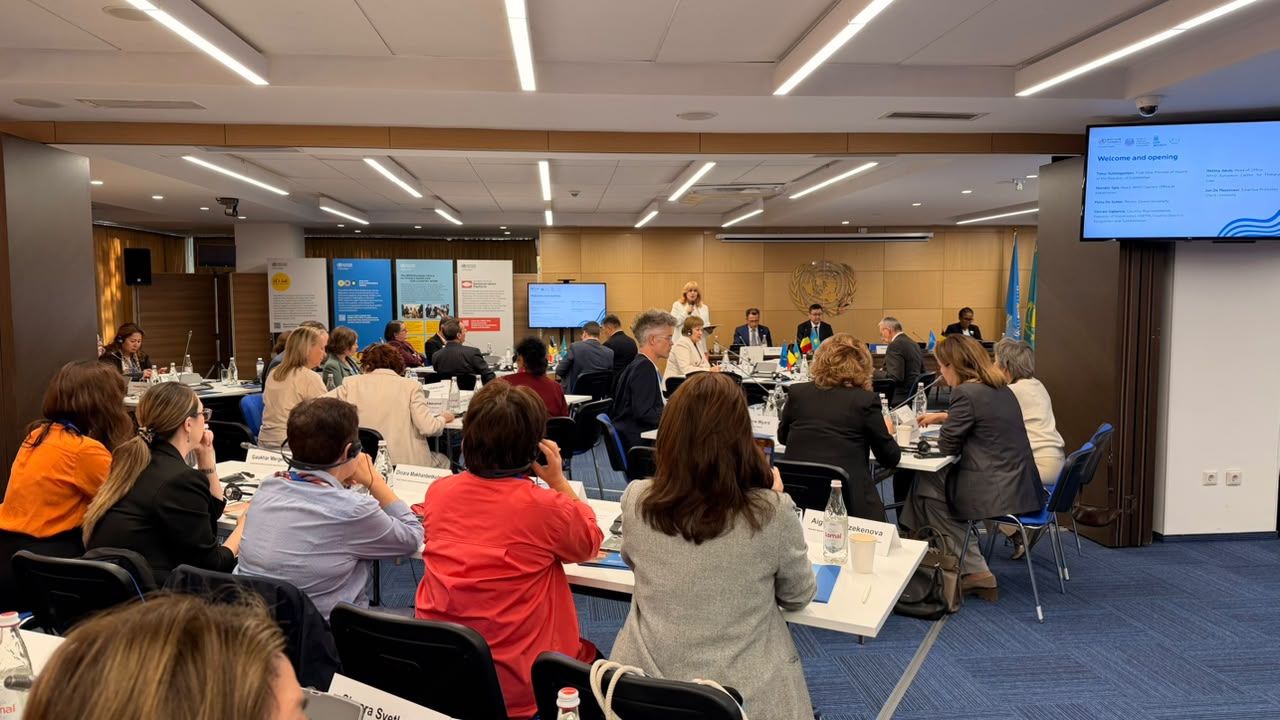
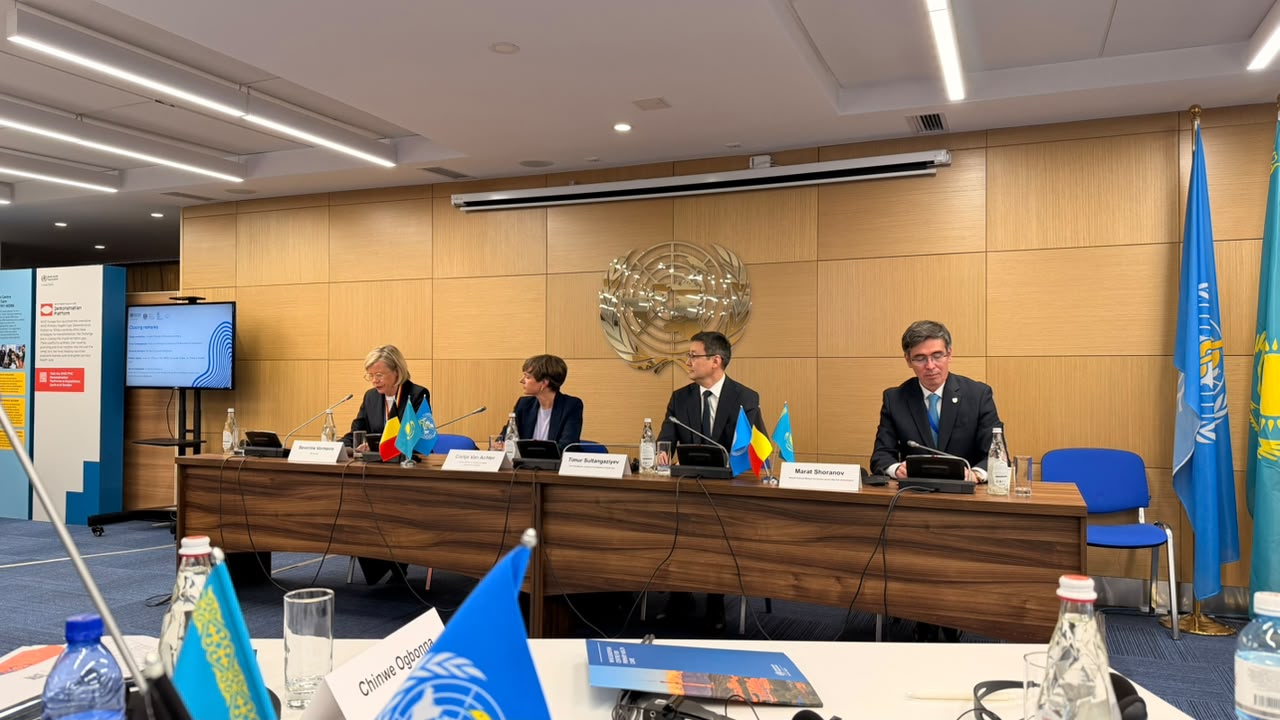
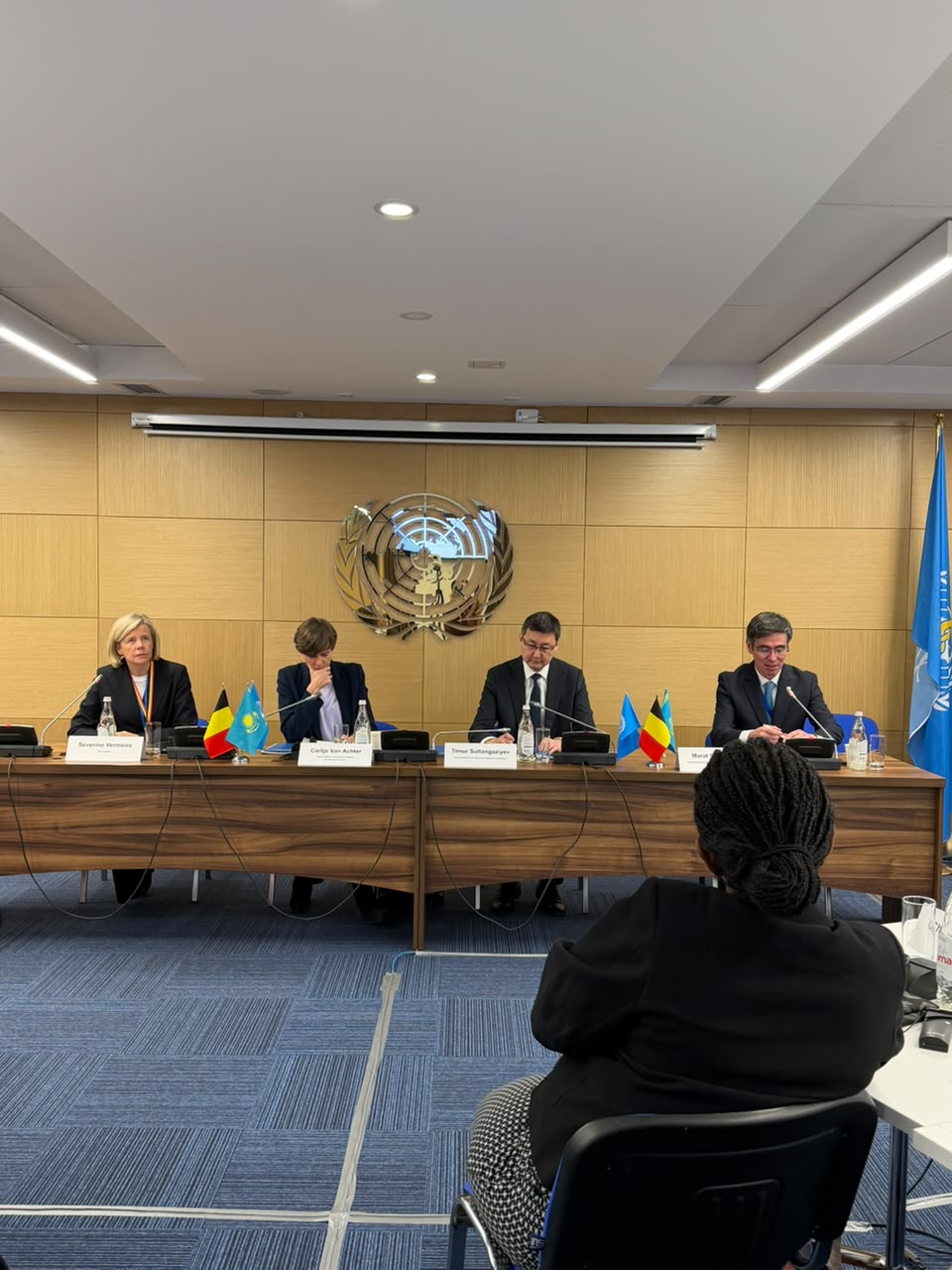
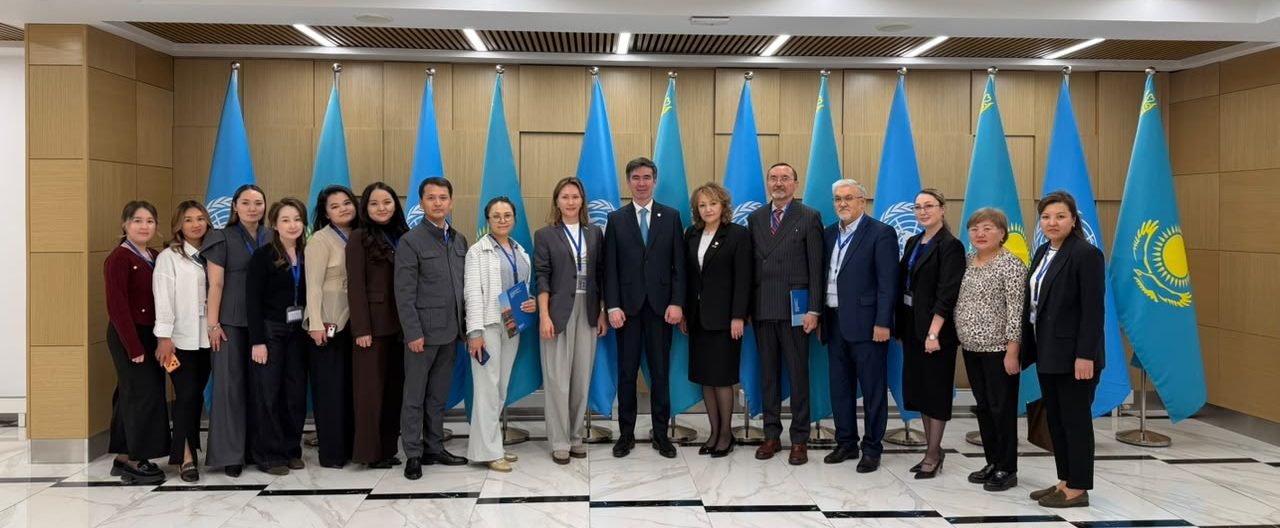
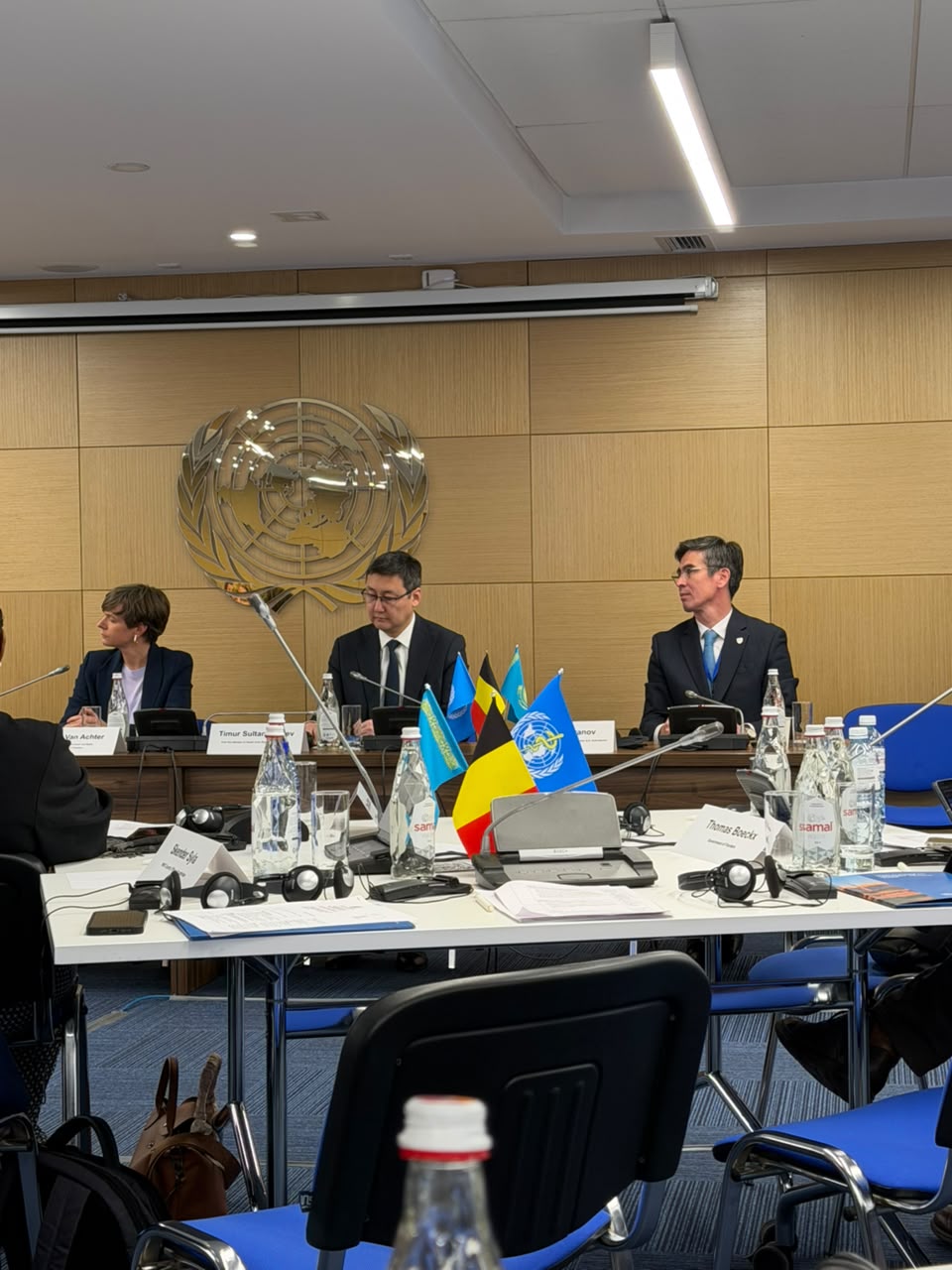
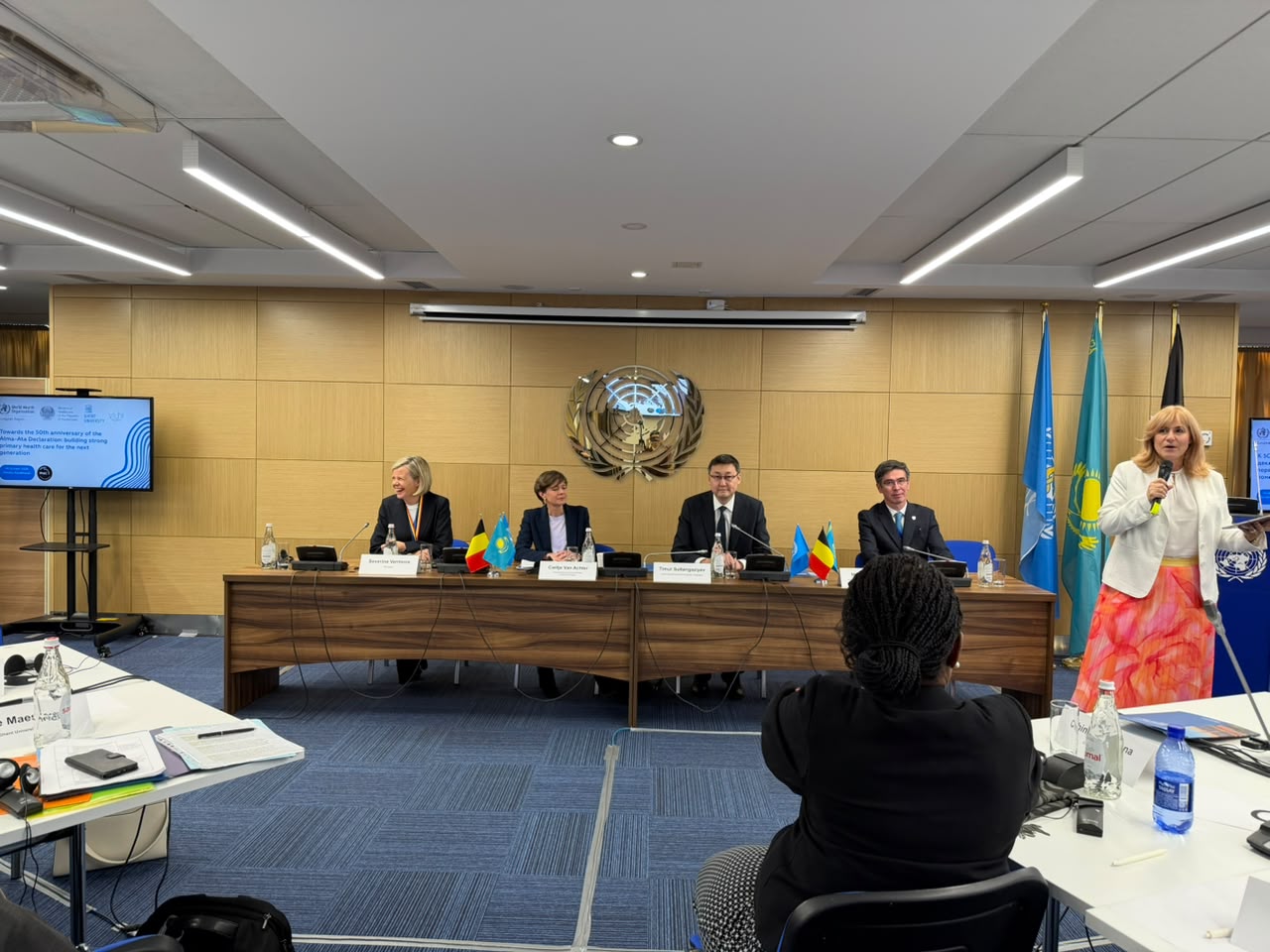
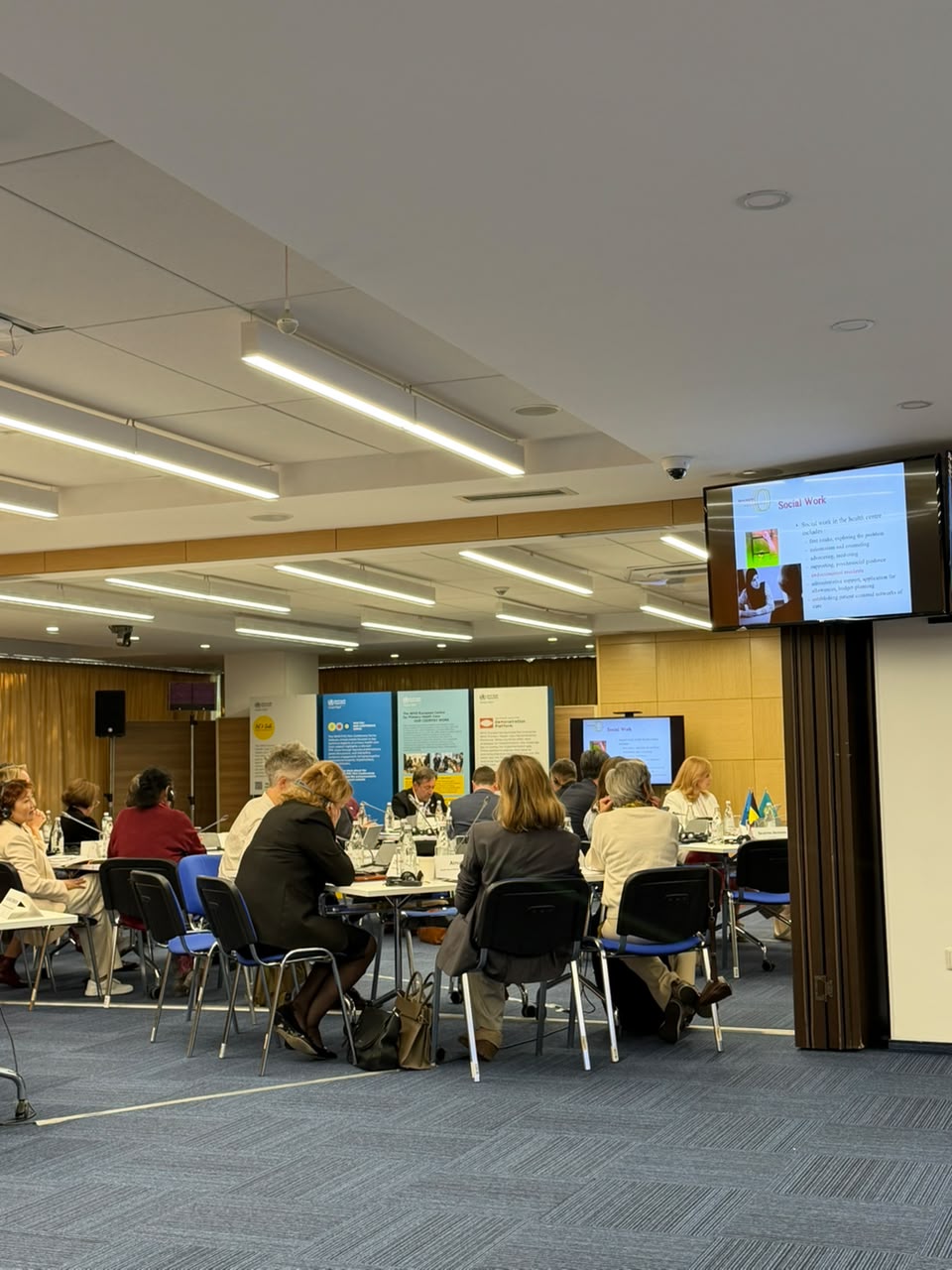
ALMATY, 14 October 2026 – An international seminar marking the upcoming 50th anniversary of the Alma-Ata Declaration brought together representatives from Kazakhstan, Belgium, the World Health Organization (WHO) and leading medical universities to discuss the future of primary health care.
The event, titled “Towards the 50th Anniversary of the Alma-Ata Declaration: Building Strong Primary Health Care for Future Generations”, focused on strengthening health systems and preparing a new generation of medical professionals.
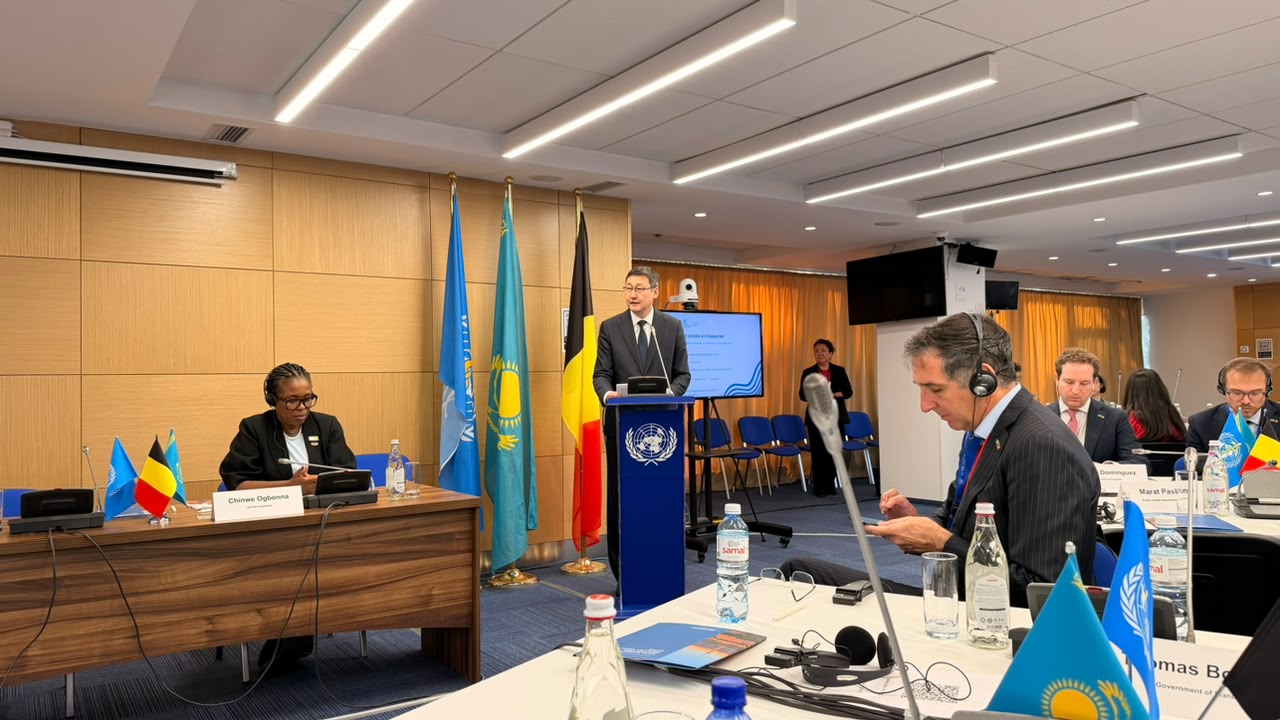
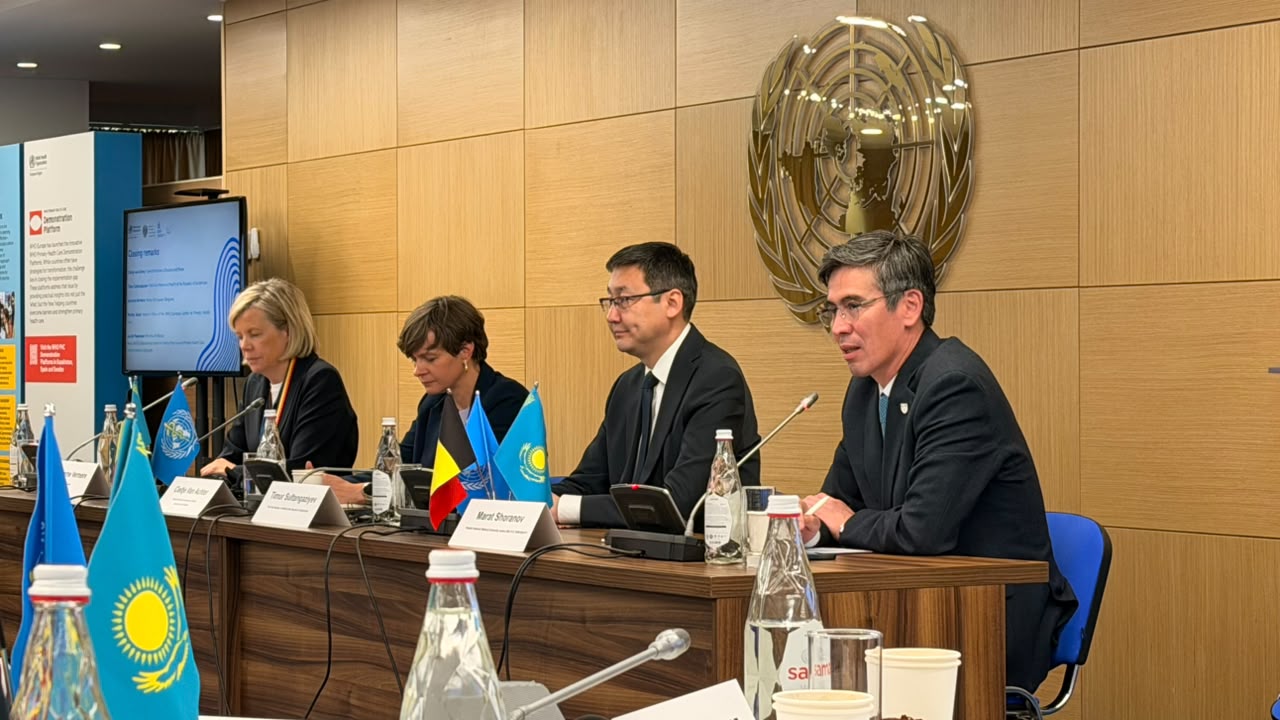
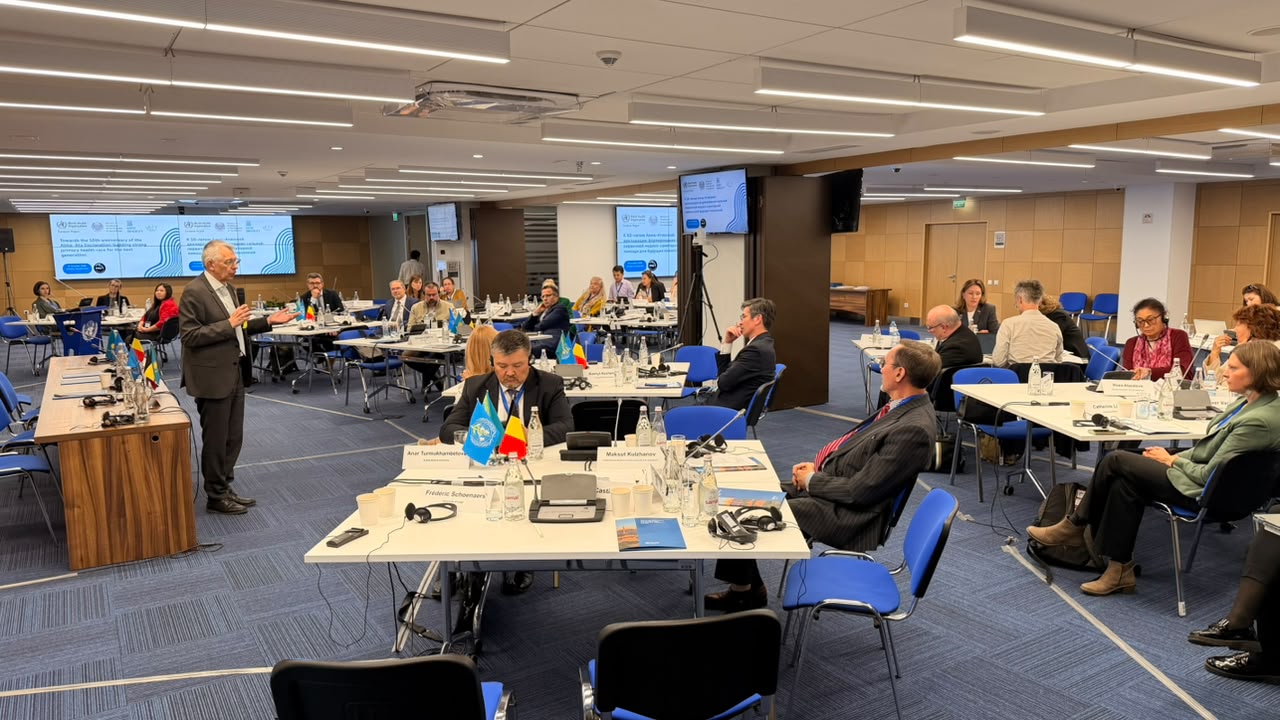
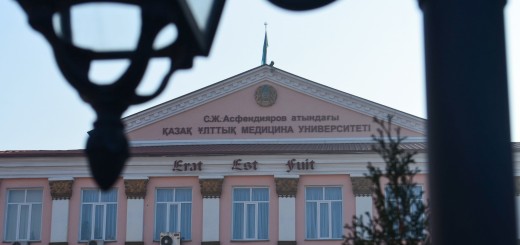
Marat Shoranov, Rector of Asfendiyarov Kazakh National Medical University (KazNMU), took part in a session dedicated to training the next generation of family doctors and primary health care professionals.
Addressing participants, Professor Shoranov raised a fundamental question facing medical universities worldwide: what kind of doctors should be trained today to meet the health care challenges of tomorrow?
A central theme of his remarks was the need to bridge the gap between medical education and clinical practice.
He highlighted Kazakhstan’s introduction of a revised national standard for medical education this academic year, placing greater emphasis on practical experience and clinical training.
According to the rector, the changes are expected to improve graduates’ professional readiness and strengthen the primary health care workforce, particularly in remote and rural areas of Kazakhstan, where access to qualified medical services remains a major challenge.
The training of future family doctors was also a key focus of the discussions.
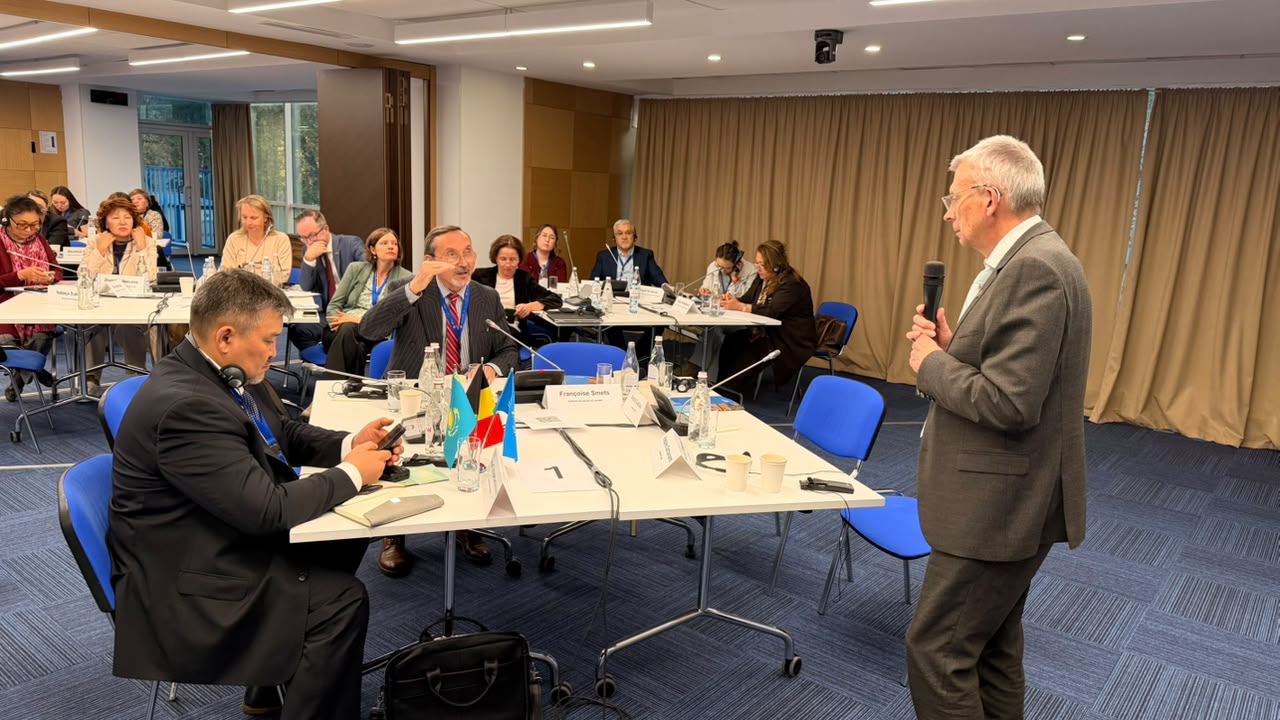
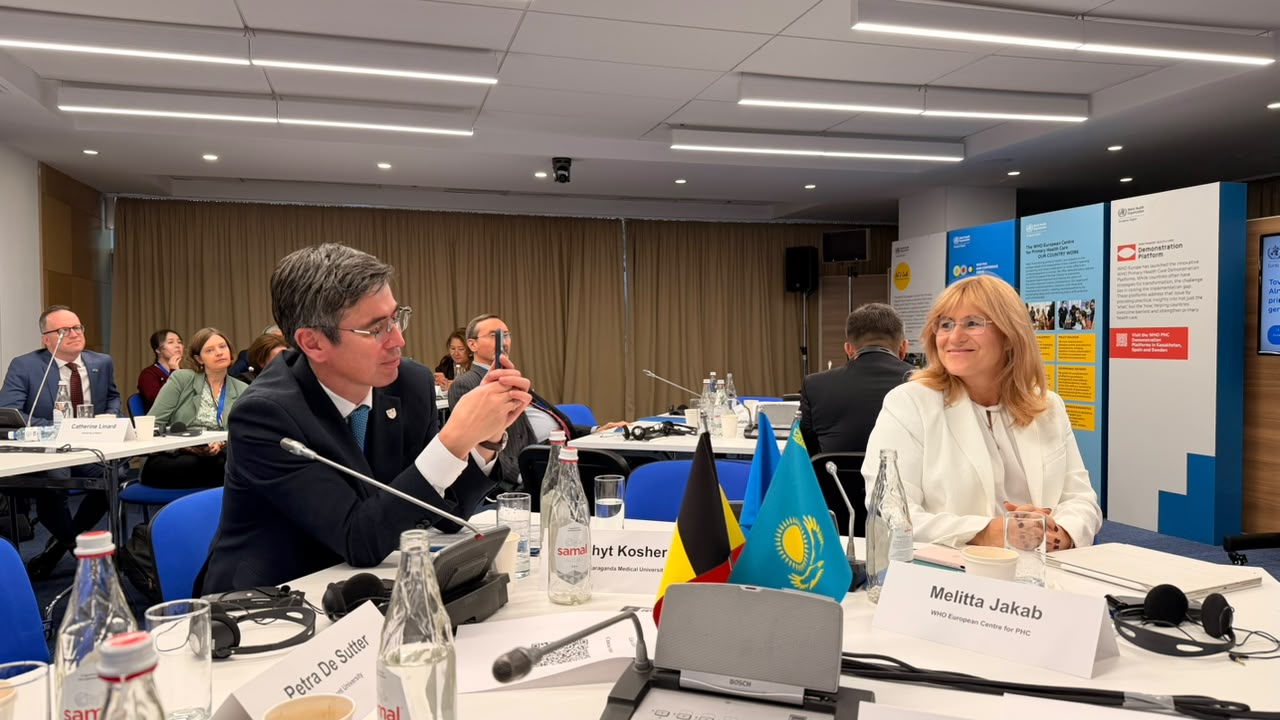
Participants explored opportunities for closer cooperation between medical universities in Kazakhstan and Belgium, including improvements to medical curricula, the development of interprofessional education and the wider adoption of practice-based teaching methods.
The seminar identified several priorities for future collaboration, including sharing expertise in family medicine training, strengthening partnerships between universities and expanding hands-on clinical education to better respond to the evolving needs of primary health care.
The meeting formed part of continuing international discussions on the principles of the landmark 1978 Alma-Ata Declaration, which established primary health care as a cornerstone of global health policy and set out the ambition of achieving “Health for All”.