AD/PD™ 2026: Advances in Science and Therapy
The 20th International Conference on Alzheimer’s and Parkinson’s Diseases and Related Neurological Disorders
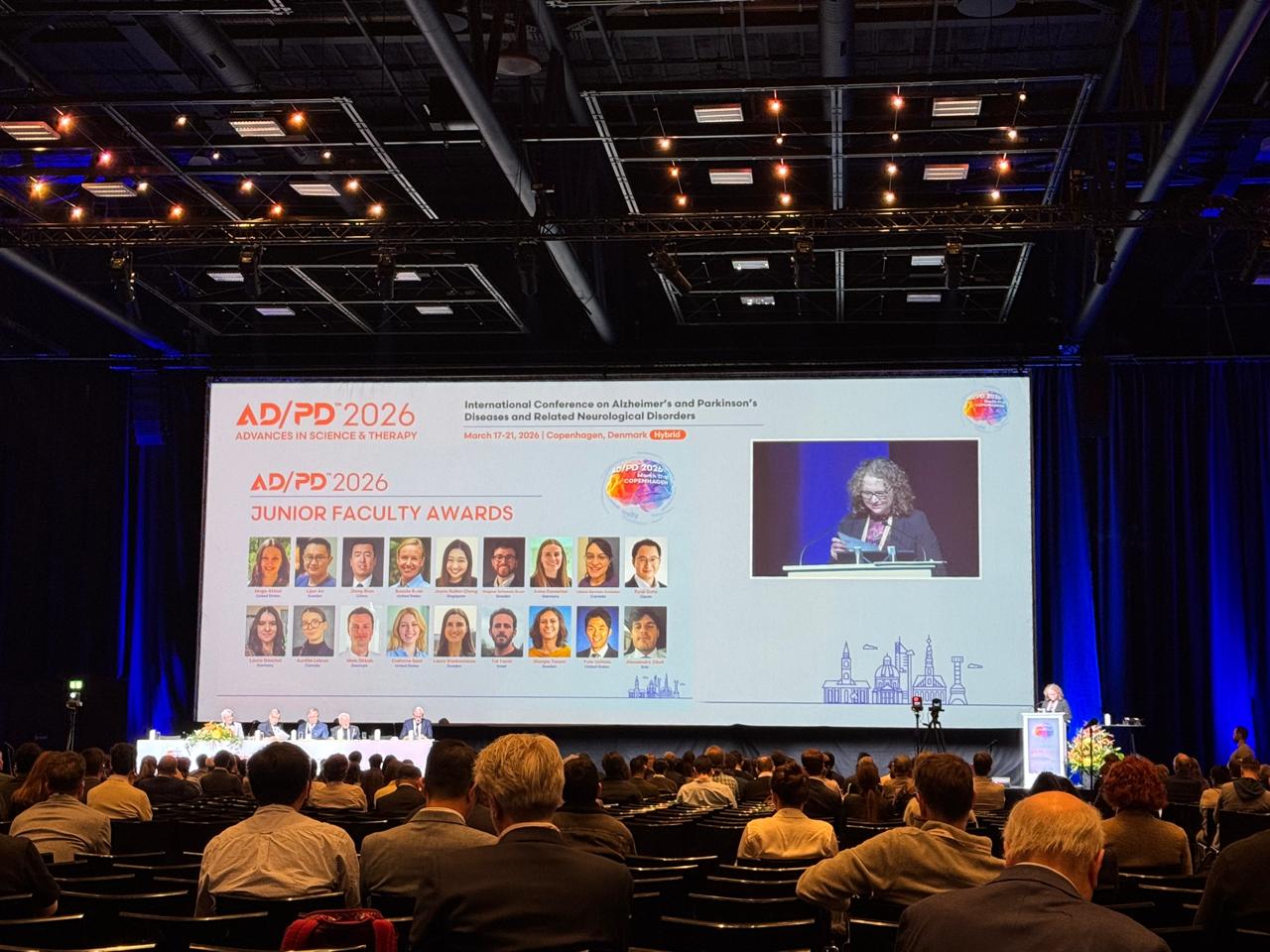
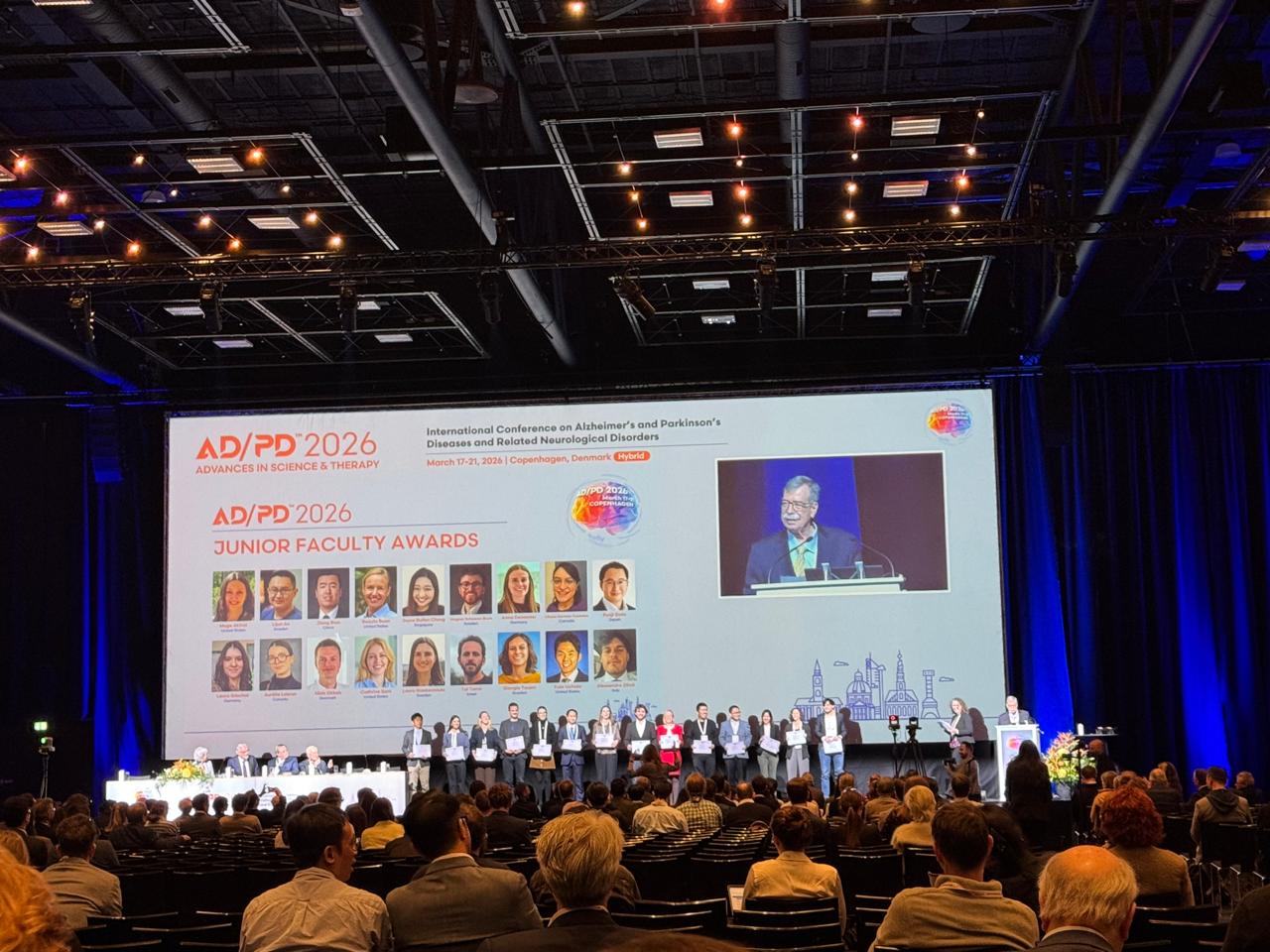
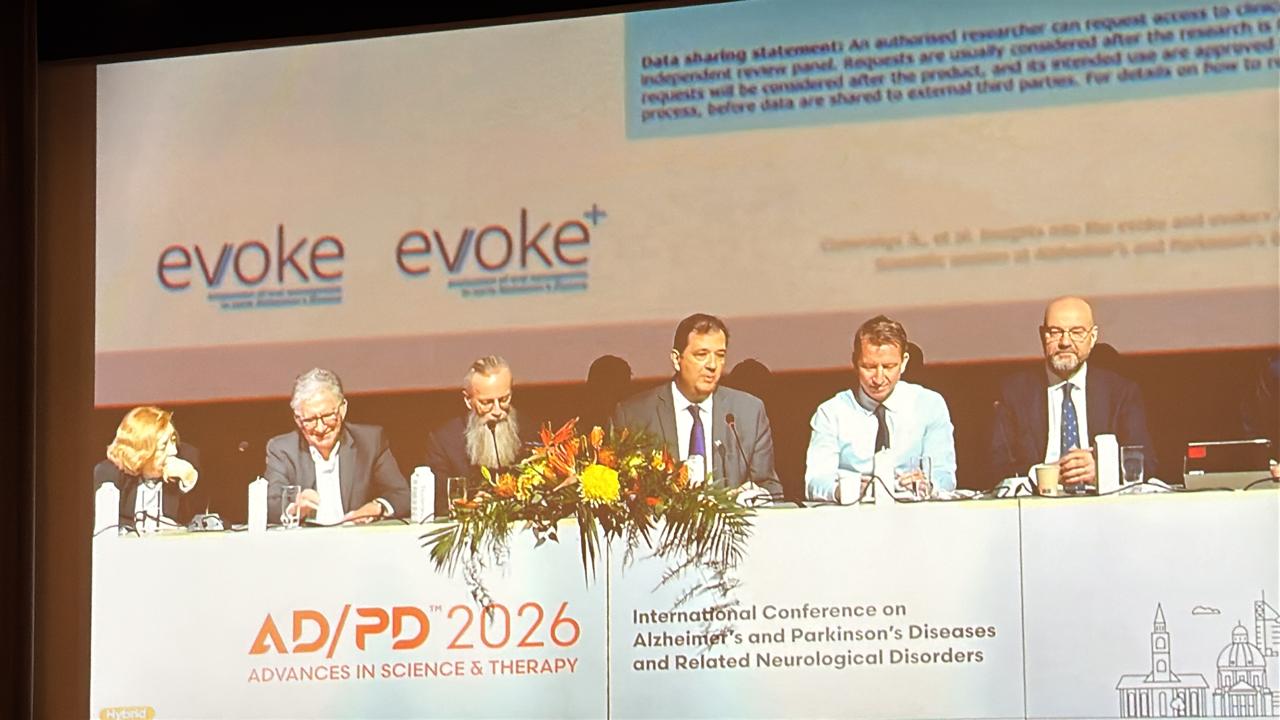
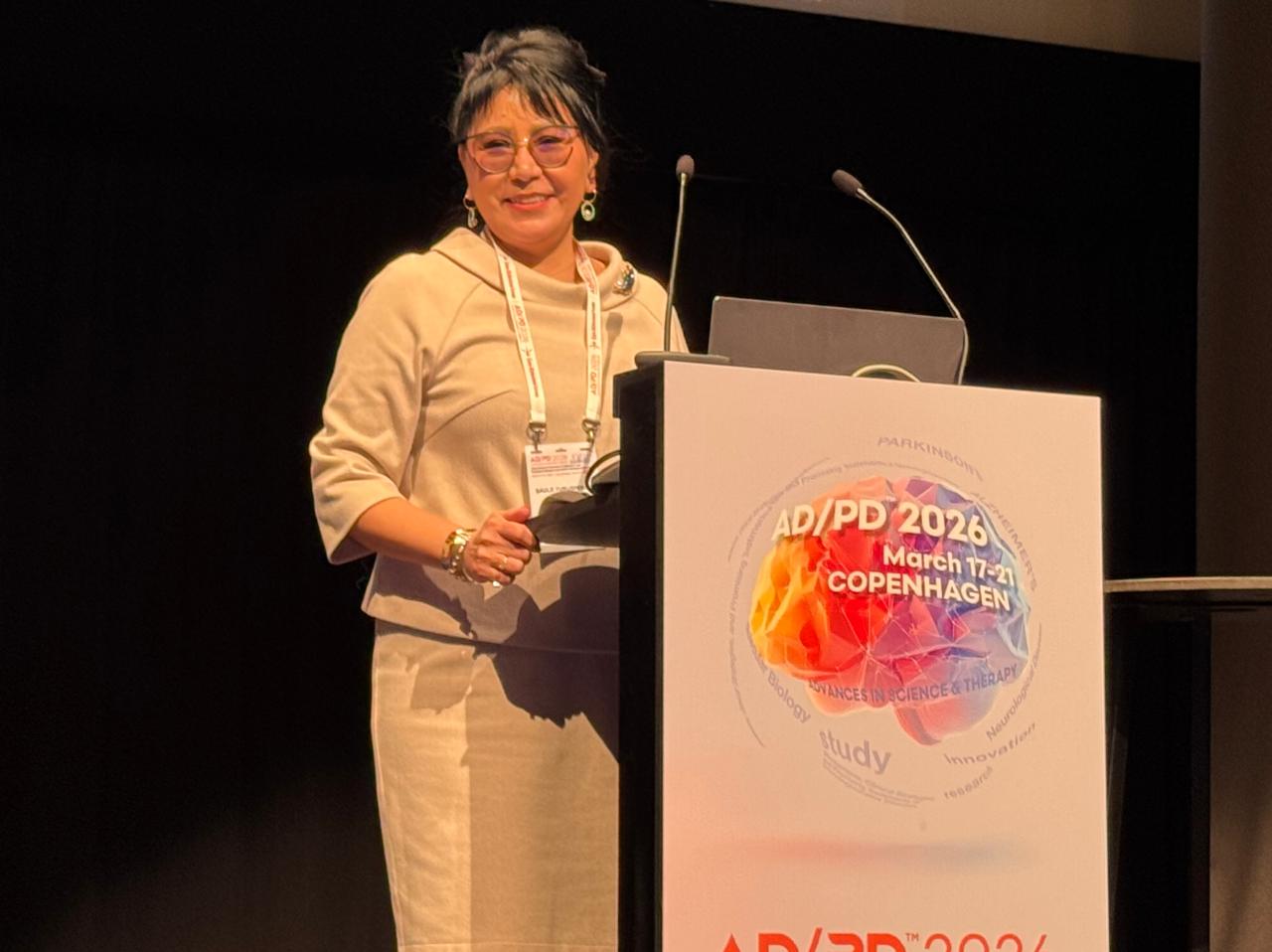
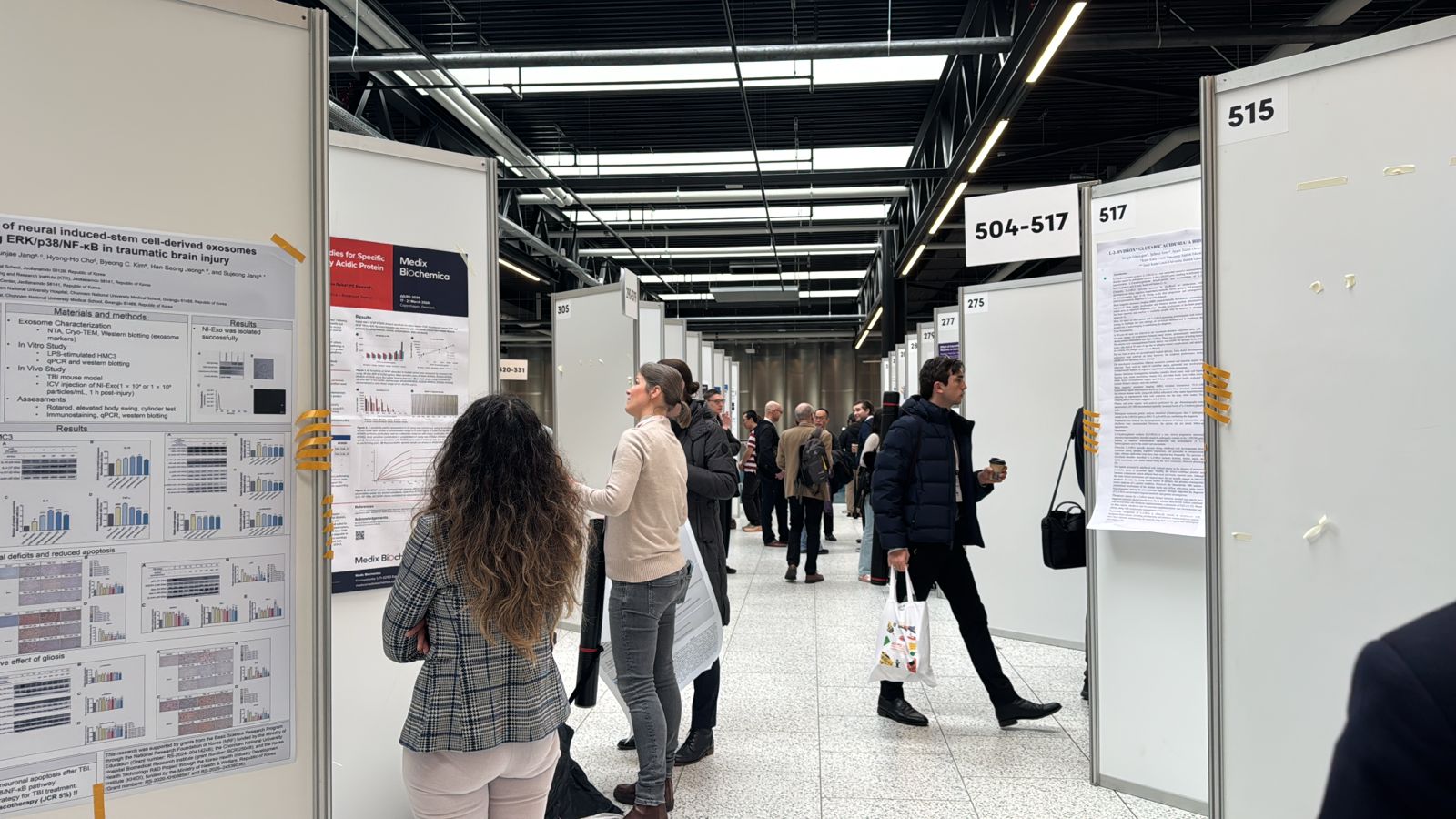
The 20th International AD/PD™ 2026 Conference on Alzheimer’s and Parkinson’s Diseases took place in Copenhagen on March 17–21, 2026, bringing together more than 5,000 experts to discuss breakthrough treatments, early diagnosis, and mechanisms of neurodegeneration. Key topics included new therapeutic strategies, clinical trial results, and a personalized approach.
The main focuses of AD/PD 2026 were the presentation of next-generation therapies, data on promising treatment methods for Parkinson’s and Alzheimer’s diseases, a focus on disease pathogenesis mechanisms and etiology, and an emphasis on biomarkers for early detection.
Special attention within the anniversary program was given to the development of an innovative ecosystem and support for startups. At specialized sessions and pitch platforms, young companies presented cutting-edge solutions in digital diagnostics, biomarkers, artificial intelligence, and personalized therapy.
As part of the AD/PD™ 2026 conference, the results of a Phase III clinical trial were presented, in which therapy design and patient monitoring were carried out using AI-based systems biology modeling: Artificial Intelligence and Metabolic Therapy: Results of a Phase III Trial of a Next-Generation Drug for Alzheimer’s Disease.
The Role of Artificial Intelligence in the Study:
Personalized selection (Precision Medicine): AI algorithms analyzed the metabolic profiles of thousands of patients, identifying a group with the most pronounced neuronal “energy deficit,” which showed the greatest response to therapy.
Outcome prediction: The use of digital twins made it possible to predict the dynamics of cognitive changes during treatment with combined metabolic activators (CMA) with up to 92% accuracy.
Composition optimization: AI confirmed the synergy of four components (L-serine, nicotinamide riboside, NAC, and L-carnitine) aimed at suppressing neuroinflammation and restoring mitochondria.
Key clinical data:
Cognitive reserve: In patients selected using AI, a 35% slowing of Alzheimer’s disease progression was recorded on the ADAS-Cog scale.
Metabolic response: Big Data analysis confirmed systemic improvement in metabolism, which directly correlates with the preservation of gray matter volume (according to MRI data).
Safety: Real-time AI monitoring did not reveal hidden side effects, confirming the drug’s high safety profile.
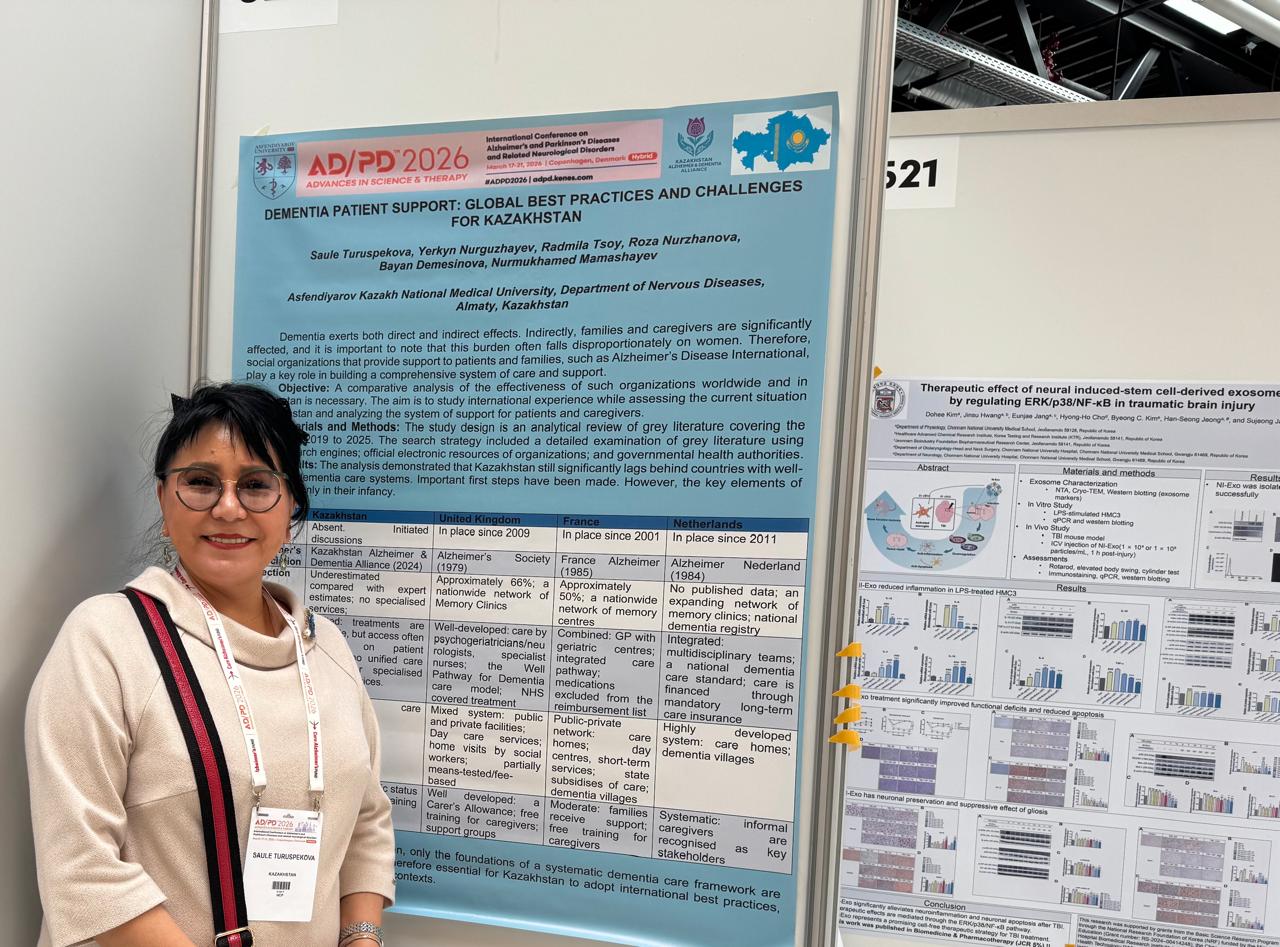
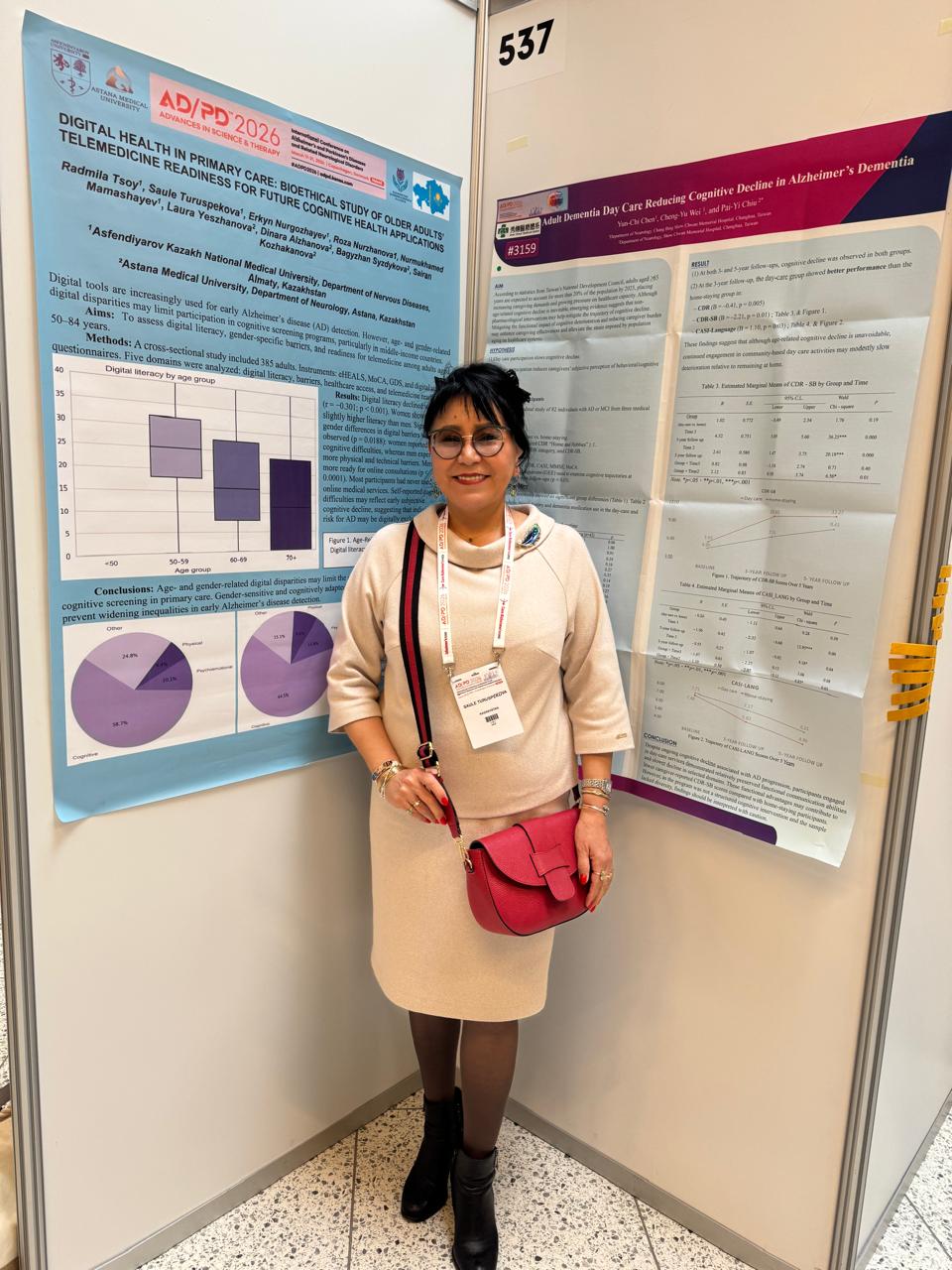
Asfendiyarov Kazakh National Medical University was represented by the Department of Nervous Diseases, headed by the Chair, Chief Neurologist of the Ministry of Health of the Republic of Kazakhstan, S.T. Turuspekova, with two presentations:
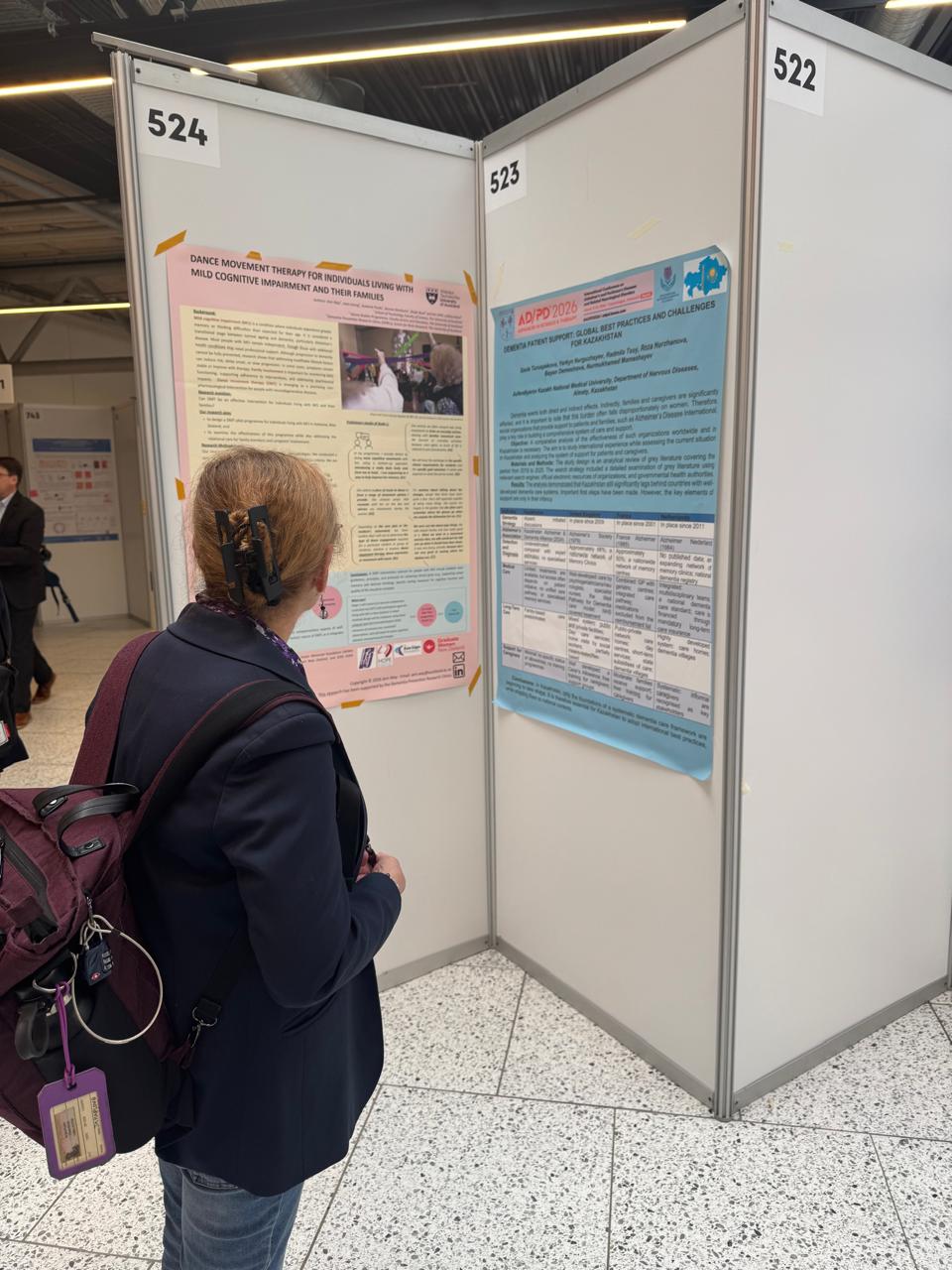
- «DEMENTIA PATIENT SUPPORT: GLOBAL BEST PRACTICES AND CHALLENGES FOR KAZAKHSTAN»,
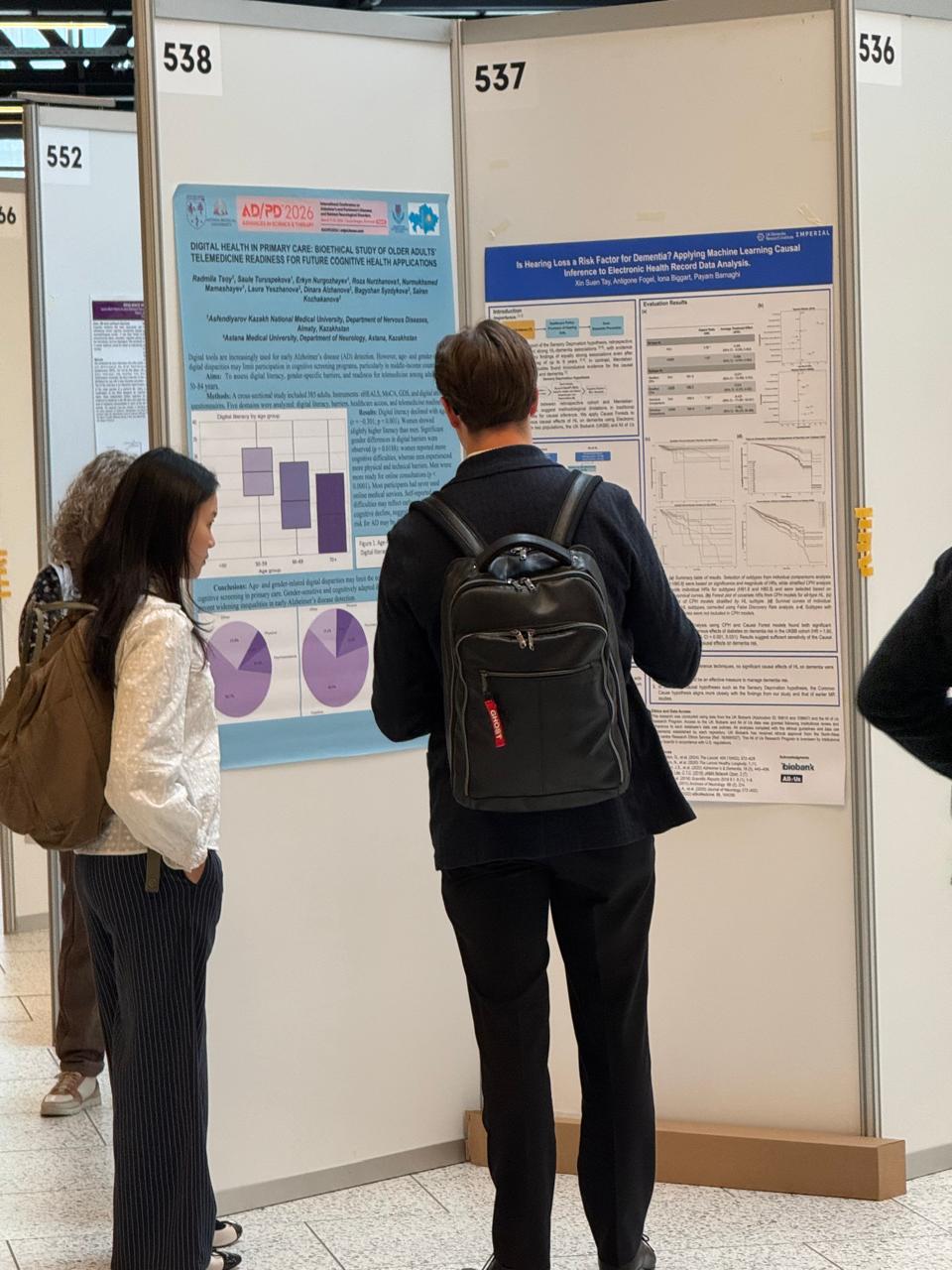
- «DIGITAL HEALTH IN PRIMARY CARE: BIOETHICAL STUDY OF OLDER ADULTS’ TELEMEDICINE READINESS FOR FUTURE COGNITIVE HEALTH APPLICATIONS».
The presentations were the result of the coordinated work of the Department of Nervous Diseases team: Professor E.S. Nurguzhaev, Associate Professors R.B. Nurzhanova and R.T. Tsoi, Assistant Professor B.K. Demessinova, Assistant N.K. Mamasheev, as well as colleagues from Astana Medical University: Head of the Department of Neurology L.E. Eszhanova, Associate Professor D.S. Alzhanova, Assistant S.T. Kozhakanova, Head of the Autoimmune Center, Chief Neurologist of the Astana Public Health Department B.R. Syzdykova.
Neurologists from Kazakhstan presented the results of a comparative analysis of the effectiveness of organizations supporting patients with dementia and their relatives worldwide and in Kazakhstan, as well as an assessment of digital literacy, gender barriers, and readiness for telemedicine among adults aged 50–84.
The delegation of our country was also represented by colleagues from the Department of Internal Medicine of the “University Medical Center” in Astana — Professor L.B. Kuanova and resident U. Bekbolat, who demonstrated the results of their research on cognitive impairment in amyotrophic lateral sclerosis and a conceptual model for the transition from pediatric to adult care for patients with neurofibromatosis type 1.
The conference confirmed its status as the leading global platform for the exchange of research results in the field of neurodegenerative diseases.