Continuity, Innovation, Practice: Academic Mobility as a Driver of Medical Education
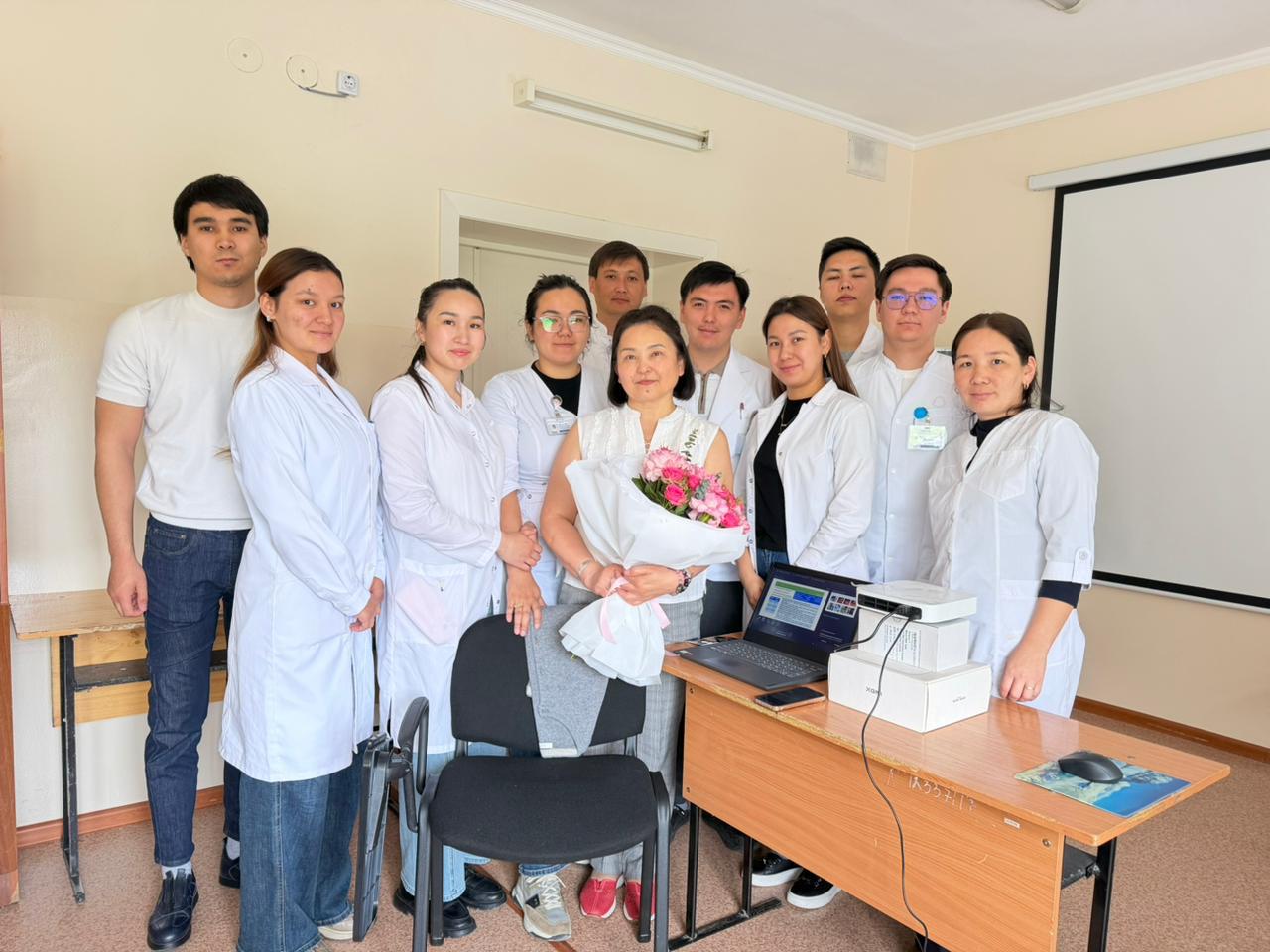
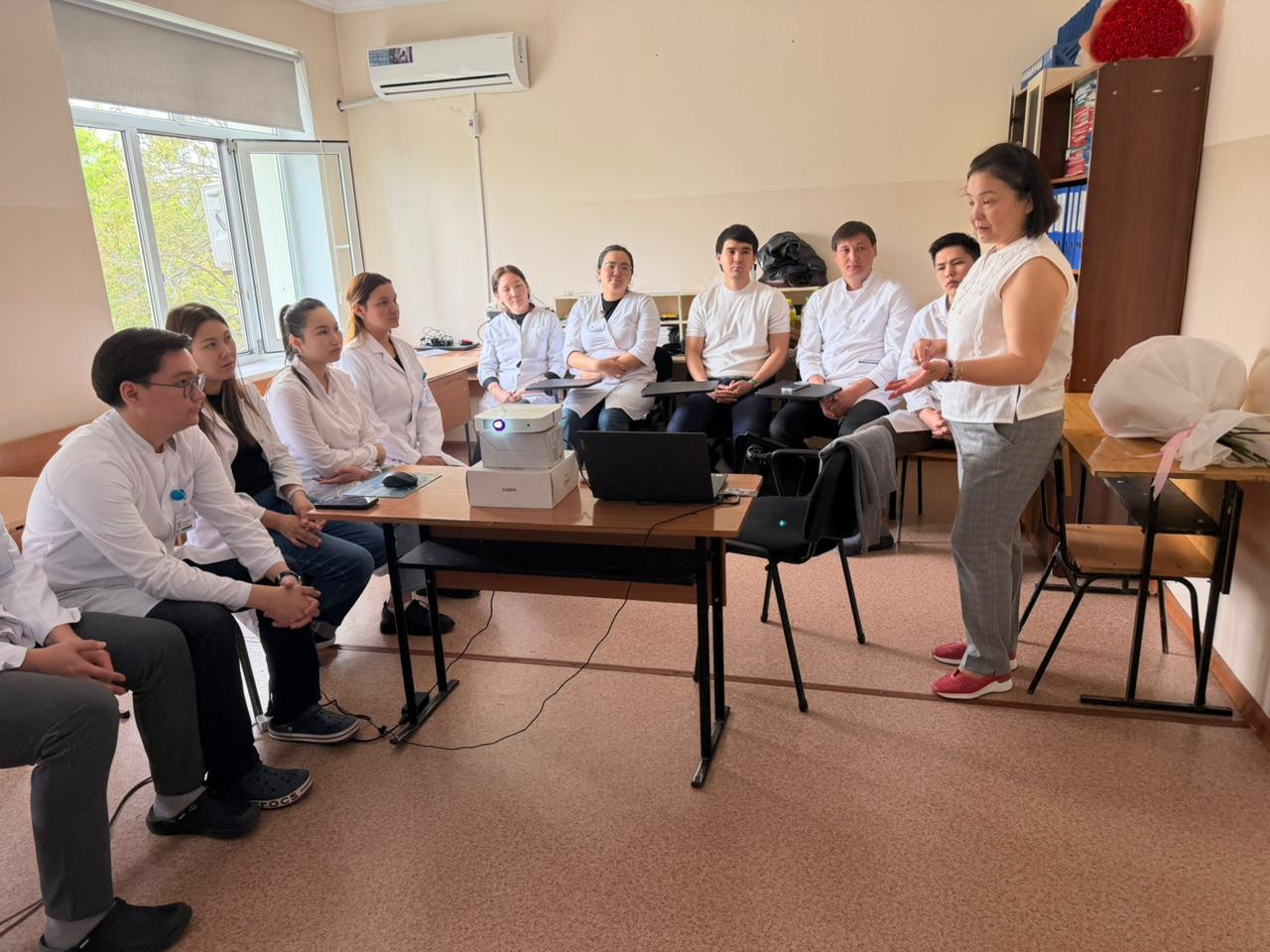
Within the framework of the “Academic Mobility of Faculty” program, in the period from April 13 to April 18, 2026, a visit of a faculty member of KazNMU, Professor of the Department of Nervous Diseases, Gulnar Amerzaevna Mukhambetova, took place at the South Kazakhstan Medical Academy.
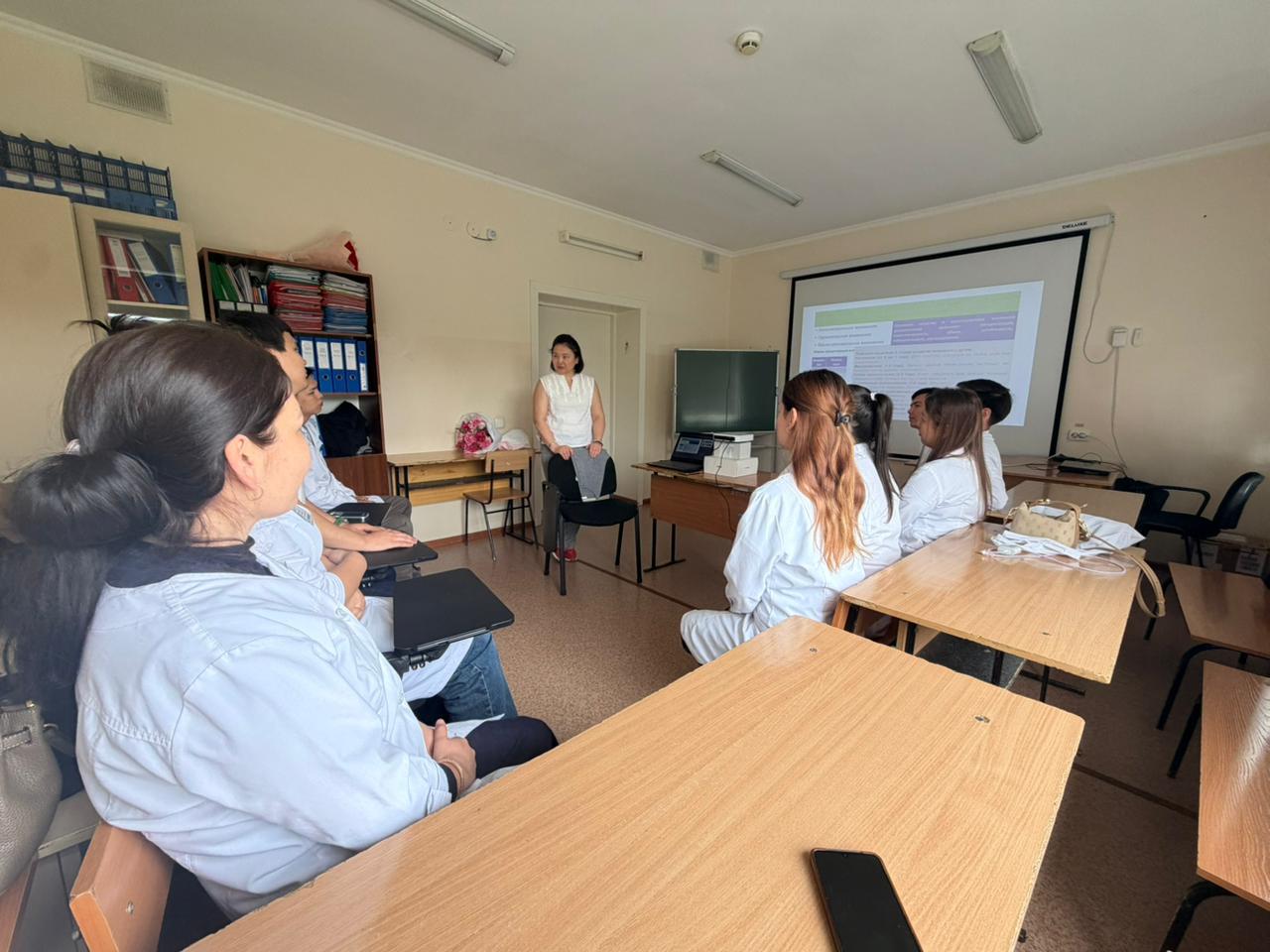
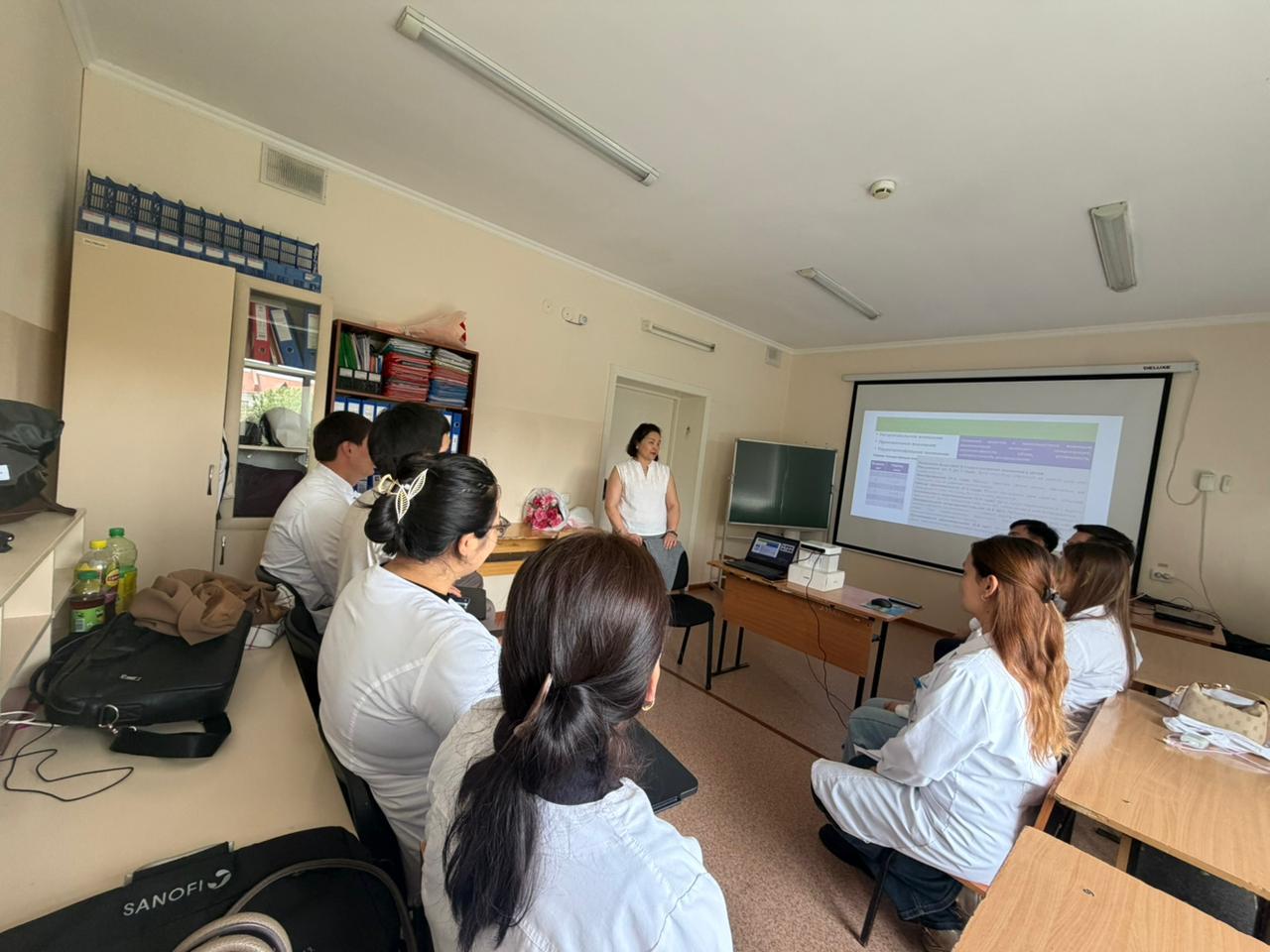
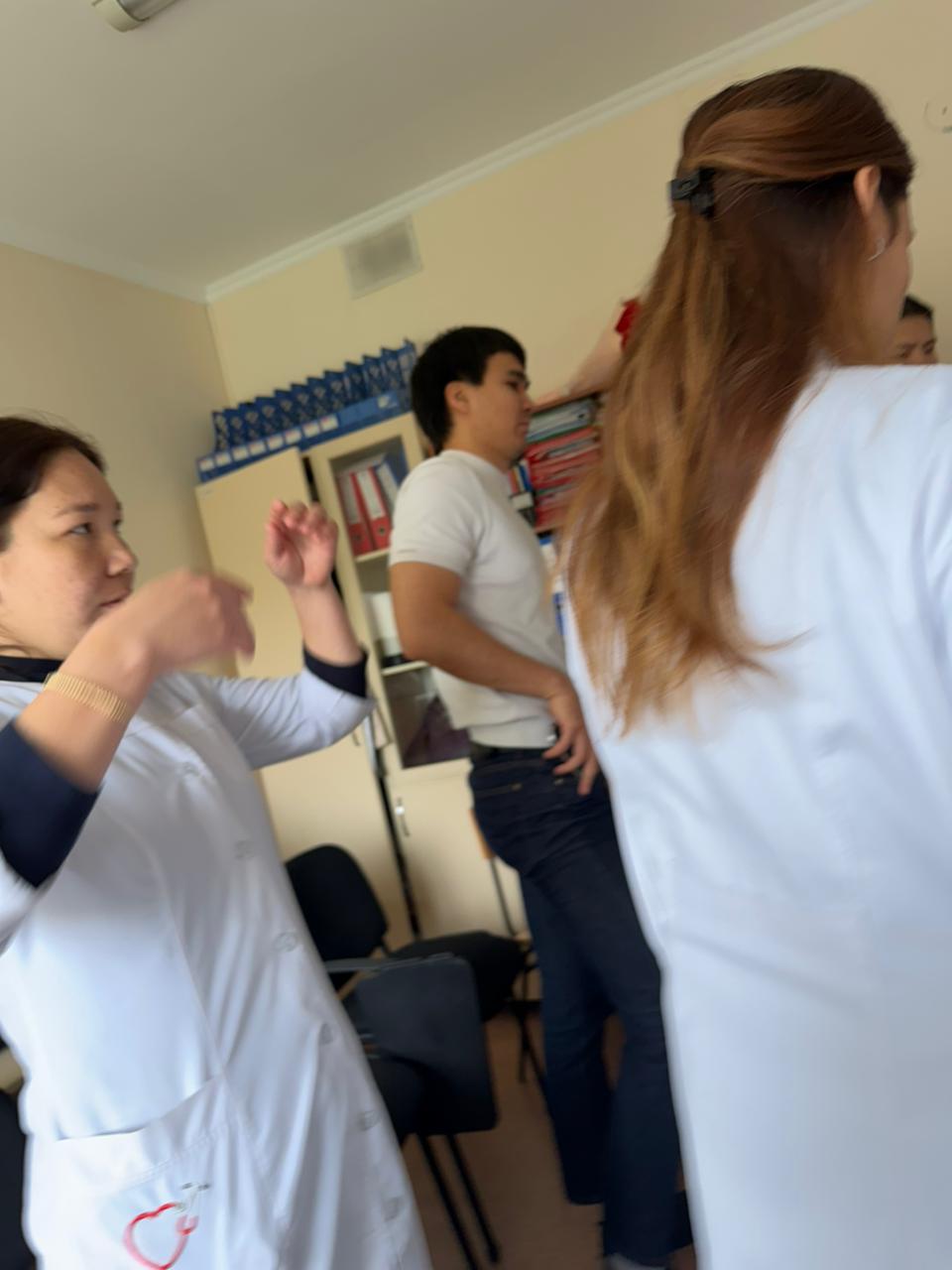
The educational activities were held at the Department of Neurology, Psychiatry, Rehabilitation and Neurosurgery, headed by Professor Zharkinbekova N.A., and were oriented toward residents in the specialty “Outpatient Neurology (Adult)”. The visit became a significant stage in strengthening cooperation between the Department of Nervous Diseases of S.D. Asfendiyarov KazNMU and the specialized department of SKMA, aimed at developing a unified educational and scientific-clinical space. The program included a cycle of lectures, clinical case discussions, and practice-oriented sessions aimed at deepening professional competencies and introducing modern approaches to the diagnosis and treatment of neurological diseases.
During the visit, current issues of vascular diseases of the spinal cord were covered in detail, including modern methods of diagnosis, prevention, and treatment of chronic spinal circulation disorders, as well as aspects of medical and social expertise. Special attention was given to the diagnosis and management of patients with ischemic and hemorrhagic stroke, which is of key importance in conditions of high prevalence of cerebrovascular pathology. Separate sessions were devoted to purulent focal lesions of the brain and its membranes, as well as neurological complications of infective endocarditis. Modern approaches to the management of patients with diseases of the extrapyramidal system were also considered, including primary and secondary dystonia, as well as chorea.
Considerable interest among the participants was generated by the topics of diagnosis and treatment of tunnel lesions of the peripheral nervous system, with an emphasis on clinical and expert aspects. Within the cycle, issues of diagnosis, therapy, and medical and social expertise in idiopathic generalized and focal forms of epilepsy were also discussed.
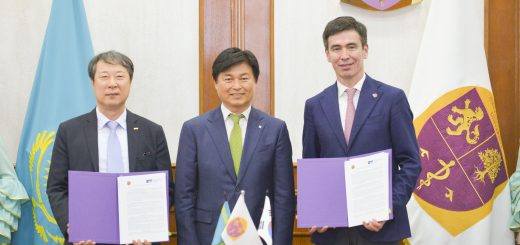
The conduct of this educational visit contributed to the exchange of experience between leading specialists, improvement of the level of resident training, and strengthening of interuniversity cooperation. The implementation of the academic mobility program confirms the importance of integrating educational and clinical practices in the development of modern neurology and improving the quality of medical care provided to the population.