Digital Transformation of the Sanitary and Epidemiological Service Discussed at KazNMU
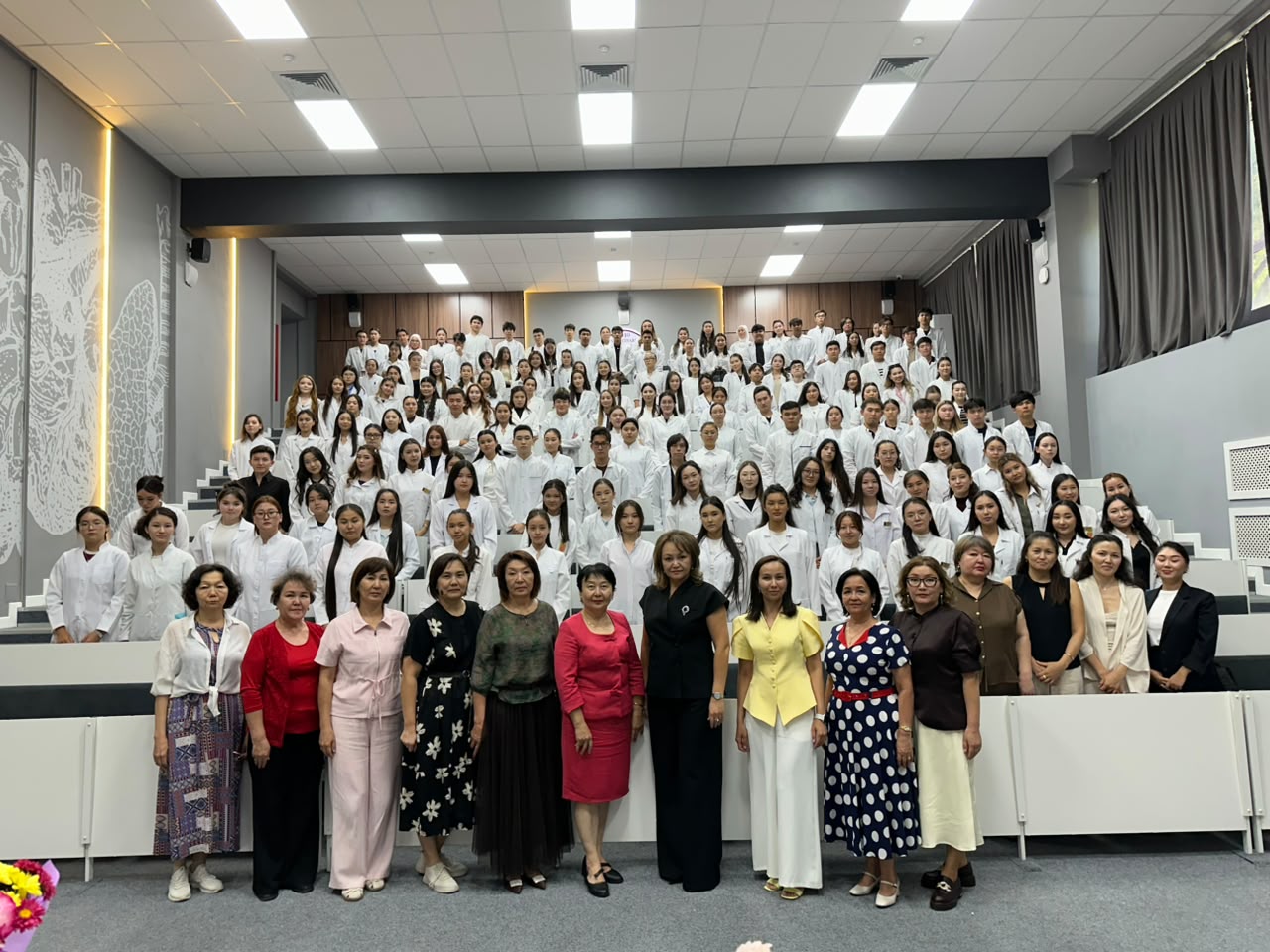
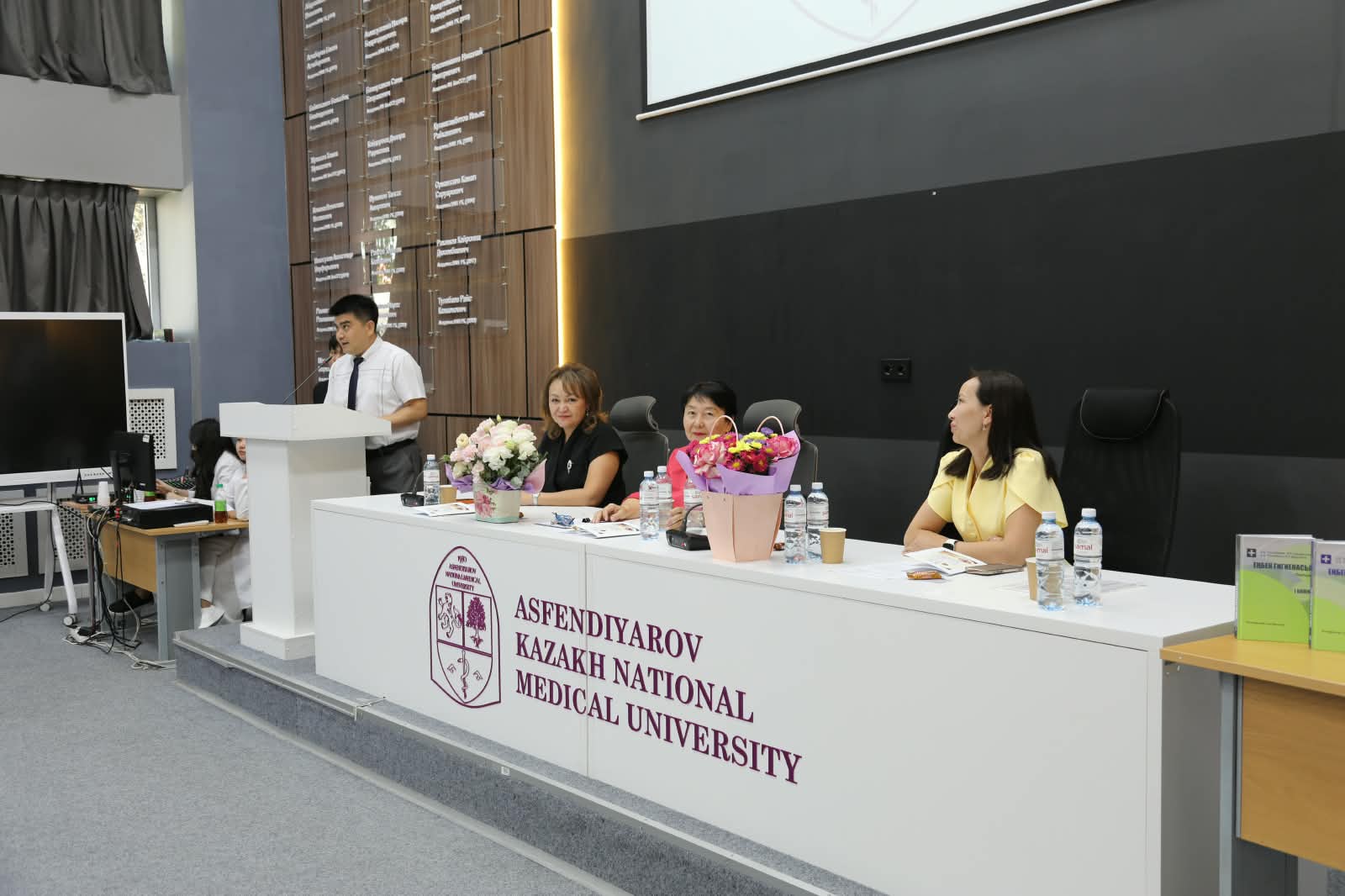
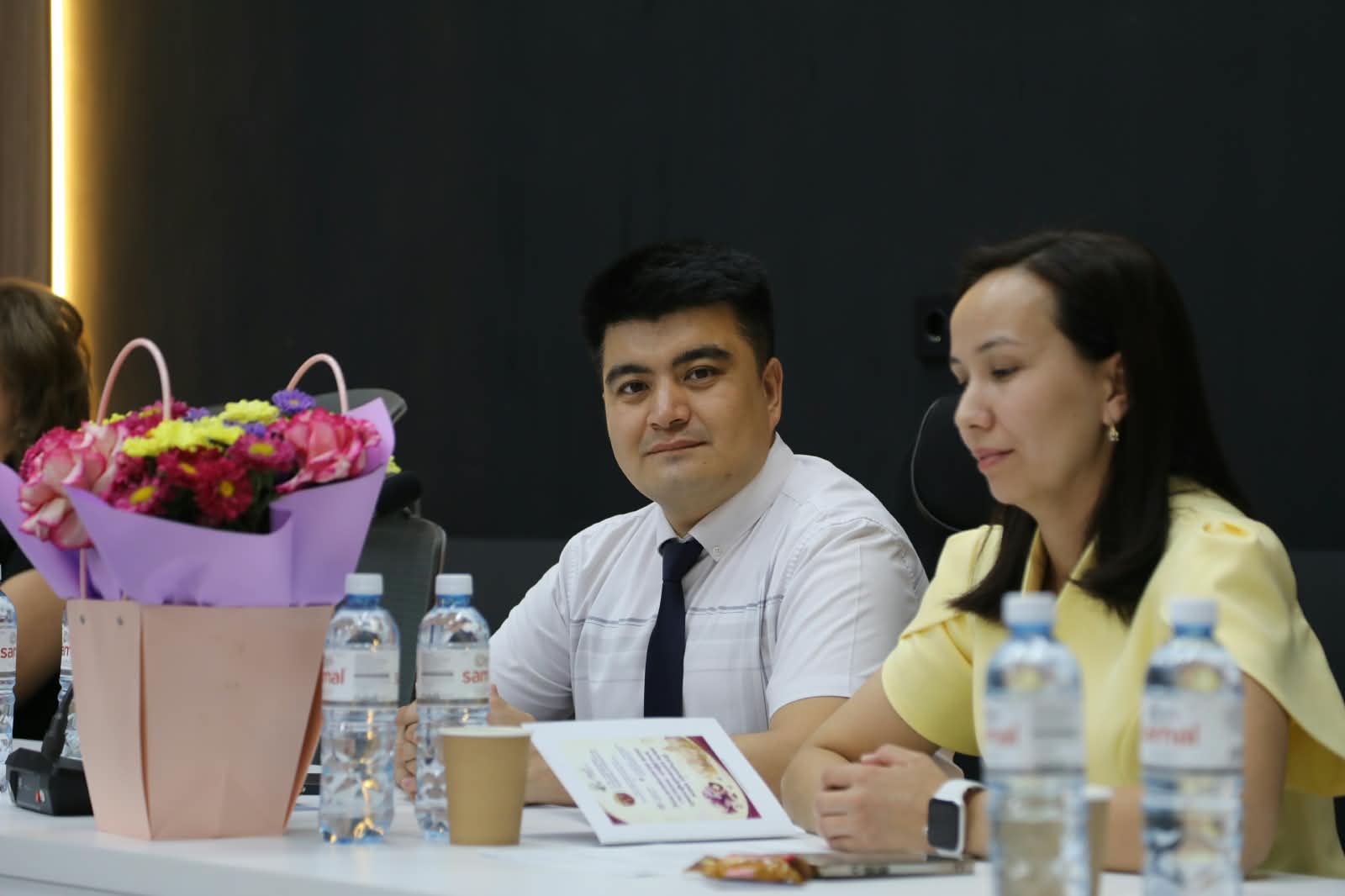
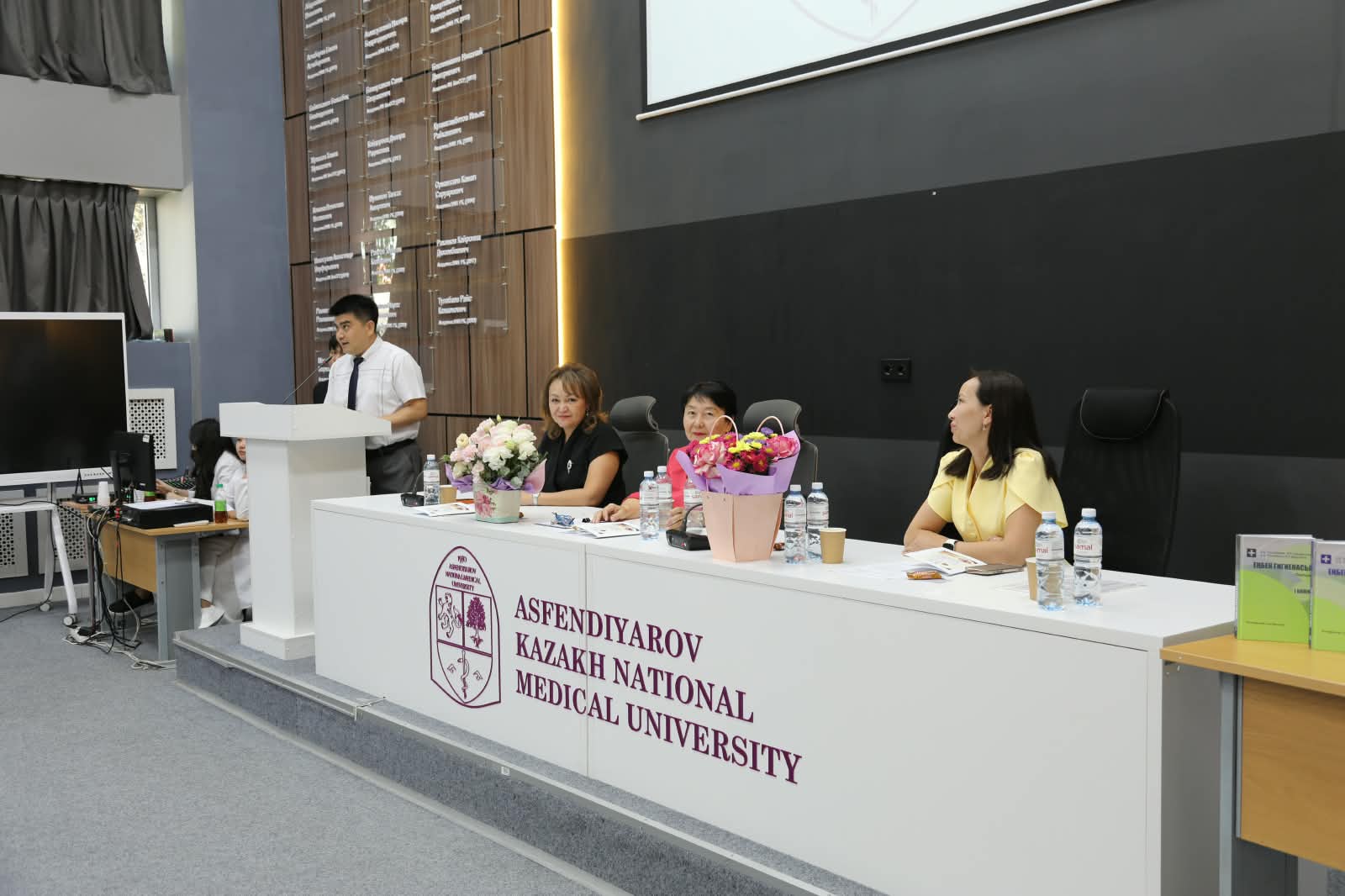
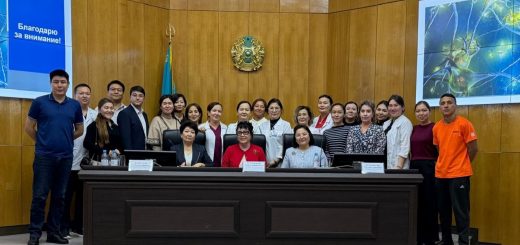
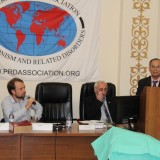
On September 15, 2026, the H. Dosmukhamedov School of Public Health at Asfendiyarov Kazakh National Medical University hosted an event entitled “Epidemiology and Hygiene: Digital Transformation and New Solutions,” dedicated to Sanitary and Epidemiological Service Workers’ Day in the Republic of Kazakhstan.
The event aimed to highlight the role of the sanitary and epidemiological service in protecting public health, present the history of its establishment and current areas of development, and discuss modern solutions in epidemiological surveillance, hygiene, digitalization, and artificial intelligence.
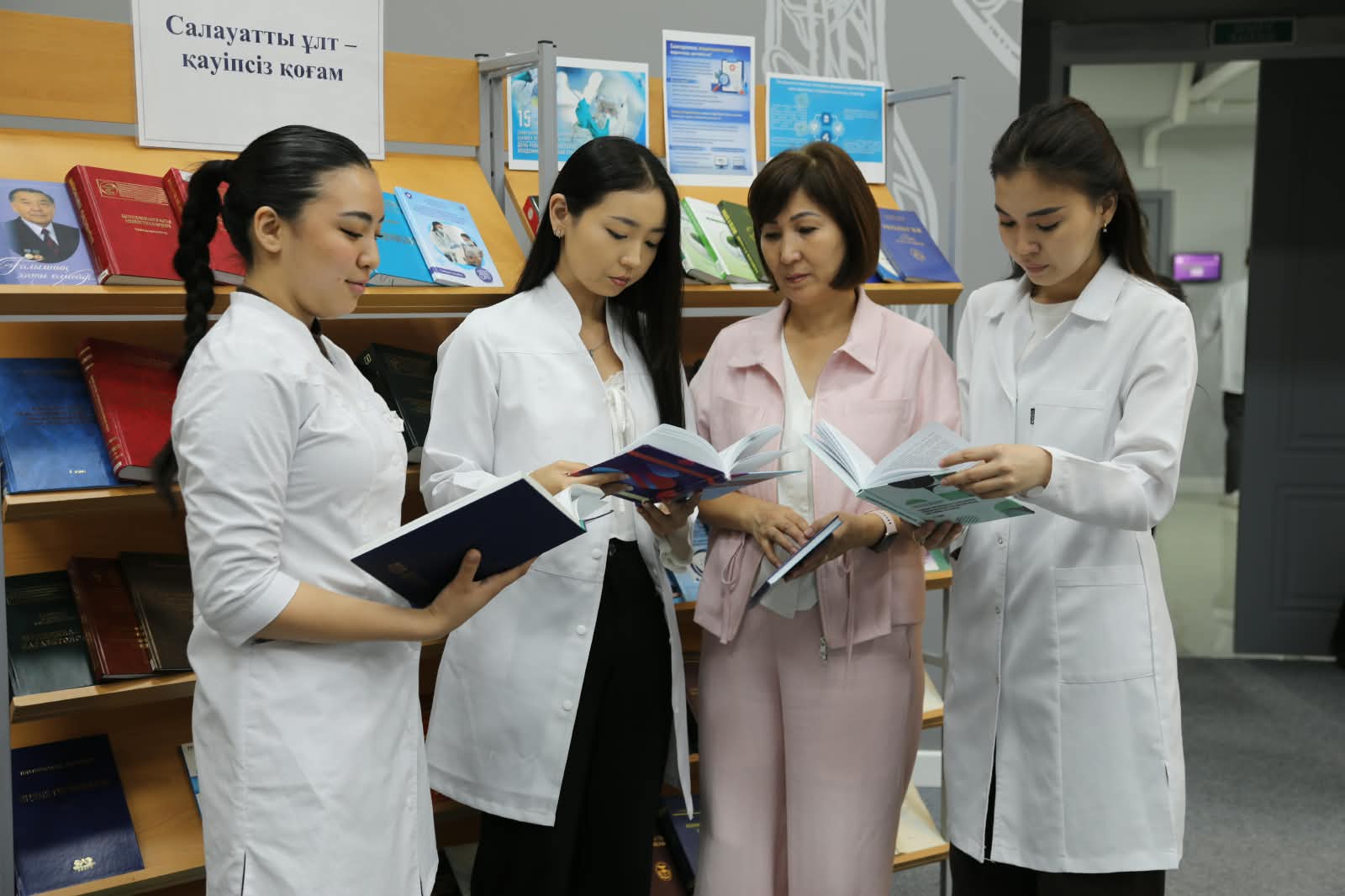
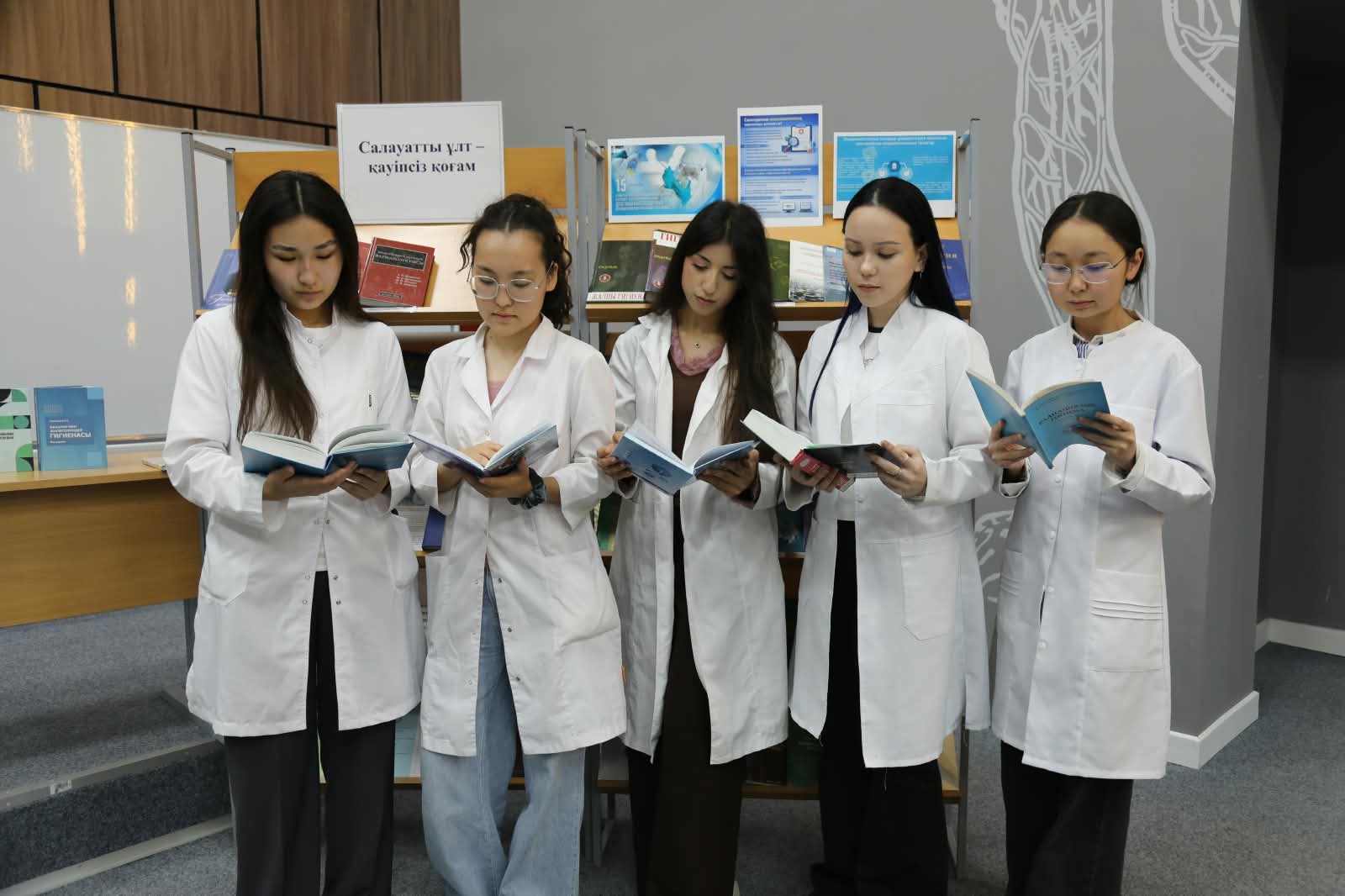
The event was linked to the principles of Abai’s “Complete Human” concept: “Bright Mind, Warm Heart, and Strong Will.” The staff of the Scientific Library organized the thematic book exhibition “Healthy Nation – Safe Society.” The exhibition was presented by Saltanat Akhmedullayevna Eleukenova, Head of the Information and Methodological Department of the Scientific Library; N.S. Omarova, Chief Librarian; and K.A. Gisanova, Librarian.
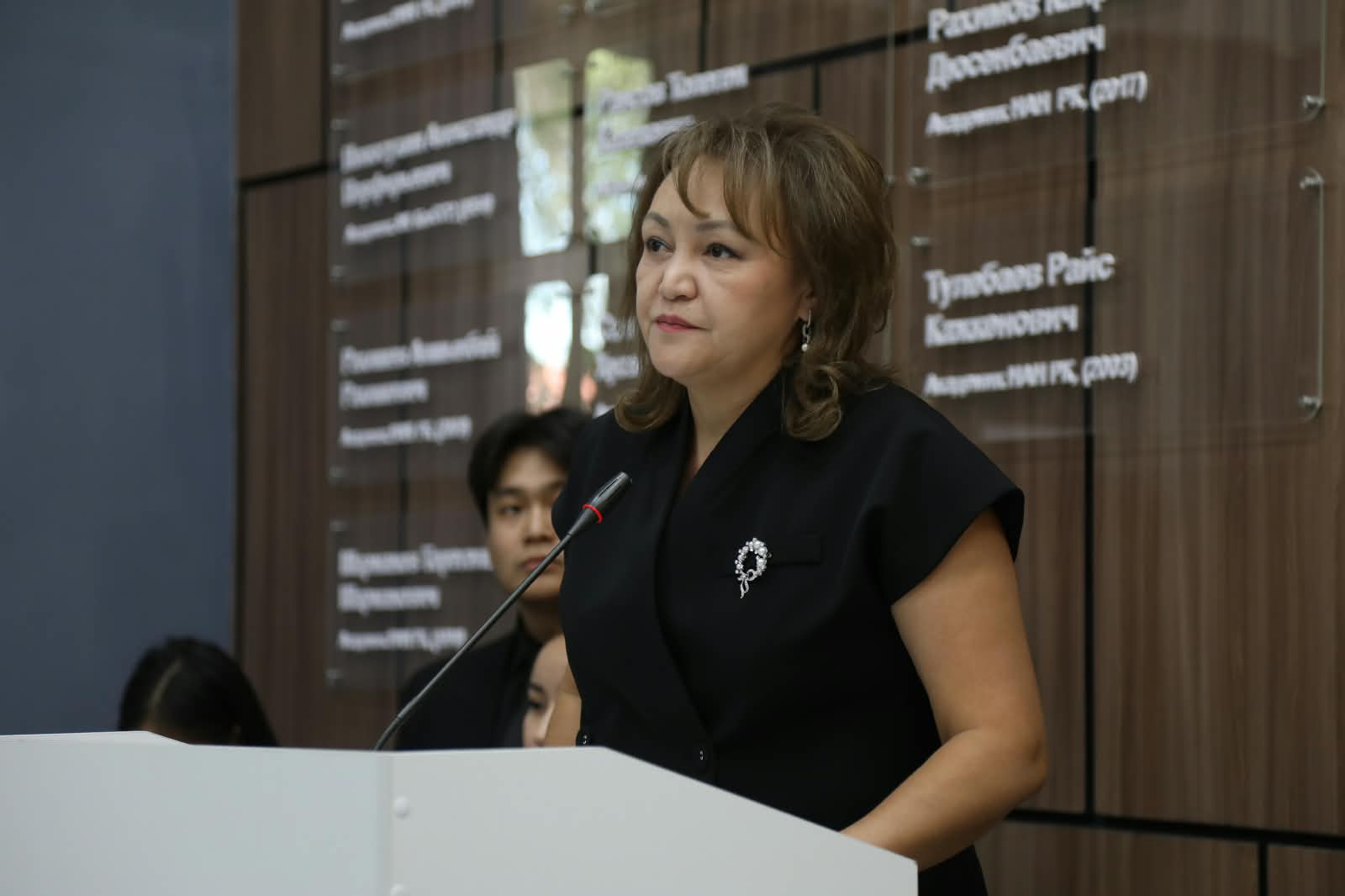
The event was opened by Zhanat Assetovna Kozhekenova, Candidate of Medical Sciences and Dean of the H. Dosmukhamedov School of Public Health. She emphasized the responsibility of sanitary and epidemiological service professionals in ensuring public safety and encouraged future specialists to continually improve their professional knowledge and master modern technologies.
A video entitled “History of the Sanitary and Epidemiological Service,” prepared by fourth-year students of Group 23-002 of the Public Health educational program, was shown. The video presented the stages in the development of Kazakhstan’s sanitary and epidemiological service, its major achievements, and its contribution to protecting public health.
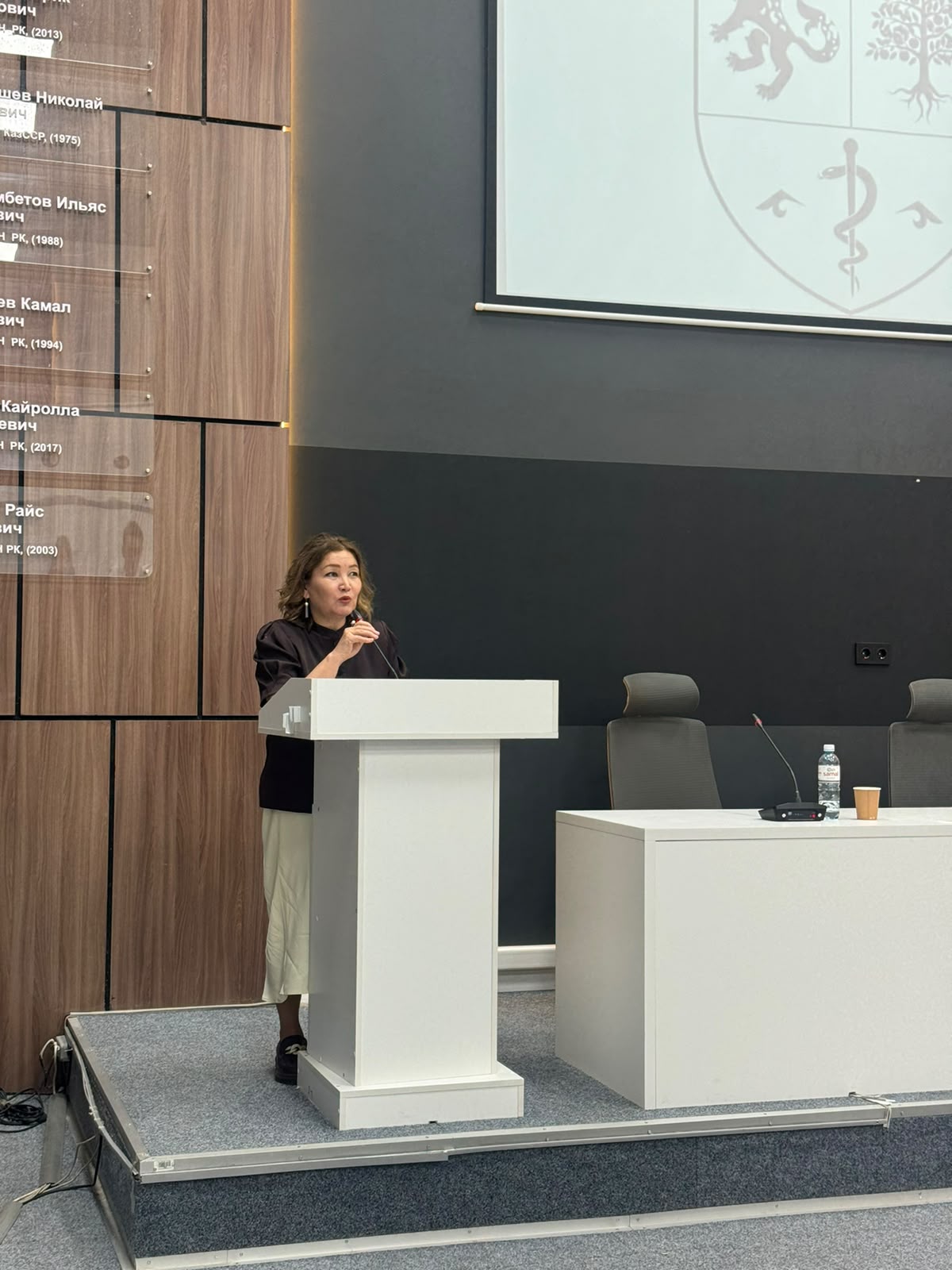
The keynote presentation was delivered by Aigul Mukhankyzy Kuatbayeva, Director of the Branch of the Scientific and Practical Center for Sanitary and Epidemiological Expertise and Monitoring of the National Center for Public Health under the Ministry of Health of the Republic of Kazakhstan, Candidate of Medical Sciences, physician of the highest qualification category, and Associate Professor.
Her presentation, entitled “The Sanitary and Epidemiological Service of the Republic of Kazakhstan: History, Current Areas of Activity, and New Public Health Protection Tasks,” covered the history of the service, its current structure, and its main responsibilities. The presentation addressed sanitary and epidemiological monitoring, laboratory diagnostics, state control, infection prevention, biological safety, and antimicrobial resistance.
Particular attention was paid to the digitalization of epidemiological surveillance, the rapid analysis of data using artificial intelligence, risk assessment, and the early detection of epidemiological threats. Aigul Mukhankyzy shared her professional experience and provided valuable guidance to students on the importance of the sanitary and epidemiological service and the responsibilities of future professionals.
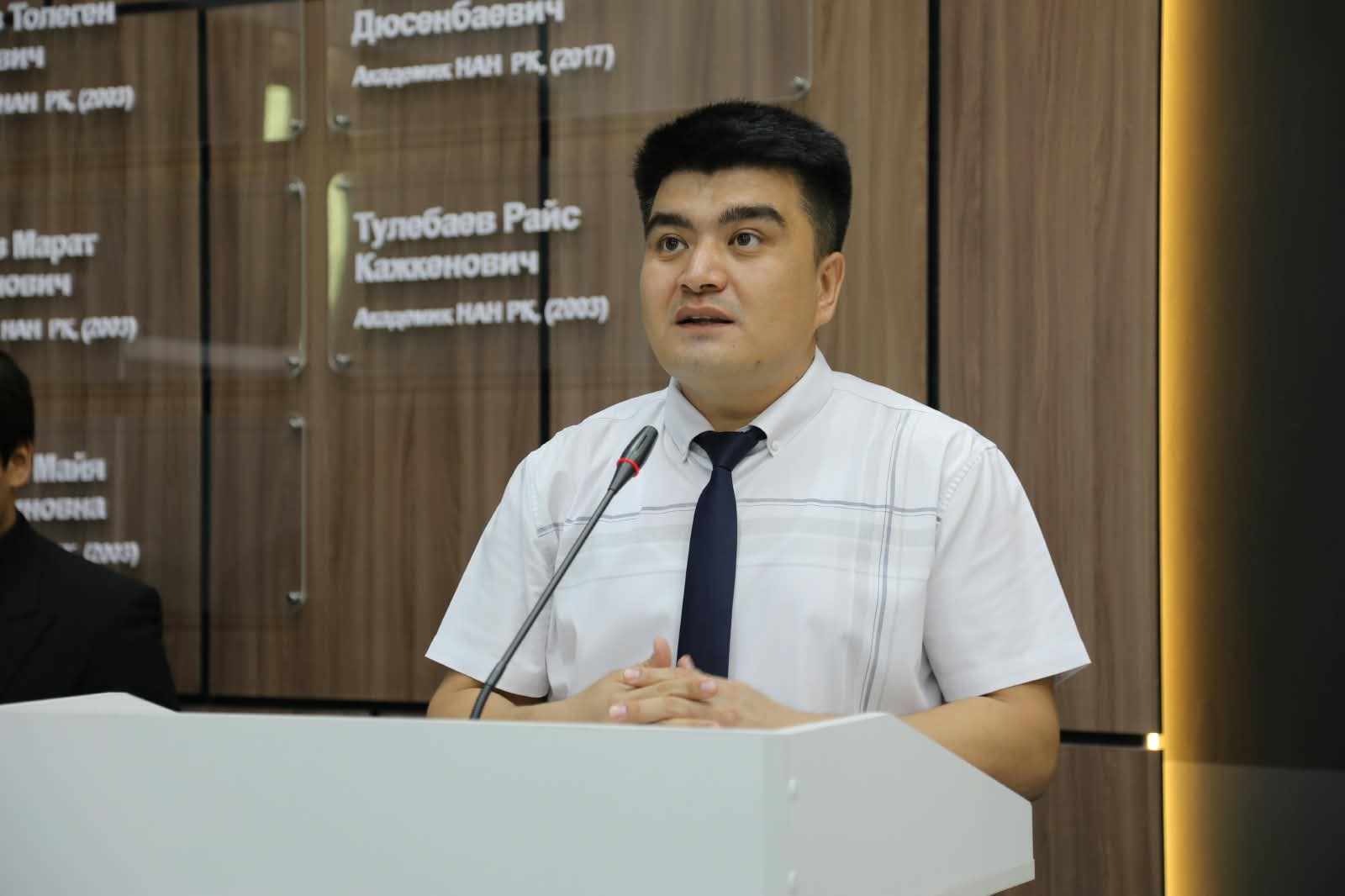
Sherzat Rozmetuly Shermet, Head of the Department for Student Development and Support, spoke on the topic “From Student to Professional: Education, Values, and Social Responsibility.” He connected Abai’s “Complete Human” concept with the professional development of future specialists: “Bright Mind” refers to mastering scientific knowledge and digital technologies; “Warm Heart” means adopting a responsible attitude toward individual and public health; and “Strong Will” represents perseverance, high professionalism, and civic responsibility. The event emphasized that a modern sanitary and epidemiological service requires educated professionals who possess technological competencies and recognize their responsibility to society.
Aktolkyn Nurzhanovna Sultankulova, Freelance Epidemiologist for Maternity Services at the Almaty City Public Health Department, addressed epidemiological safety in healthcare organizations, maternal and child health protection, and infection prevention.
Akbota Sakenkyzy Tolegenova, PhD at Nazarbayev University, delivered a presentation entitled “AI-Powered Outbreak Prediction: From Epidemiological Surveillance to Early Warning.” She introduced opportunities for using artificial intelligence to predict infectious disease outbreaks, analyze epidemiological data, and develop early warning systems.
Under the academic supervision of A.K. Tekmanova, Candidate of Medical Sciences and Associate Professor, a master’s student of the Medical and Preventive Care educational program presented a report entitled “Modern Aspects of Digitalizing the Sanitary and Epidemiological Control Service.” The presentation covered the automation of sanitary and epidemiological data collection and analysis, the use of digital platforms, and improvements in the timeliness of management decisions.
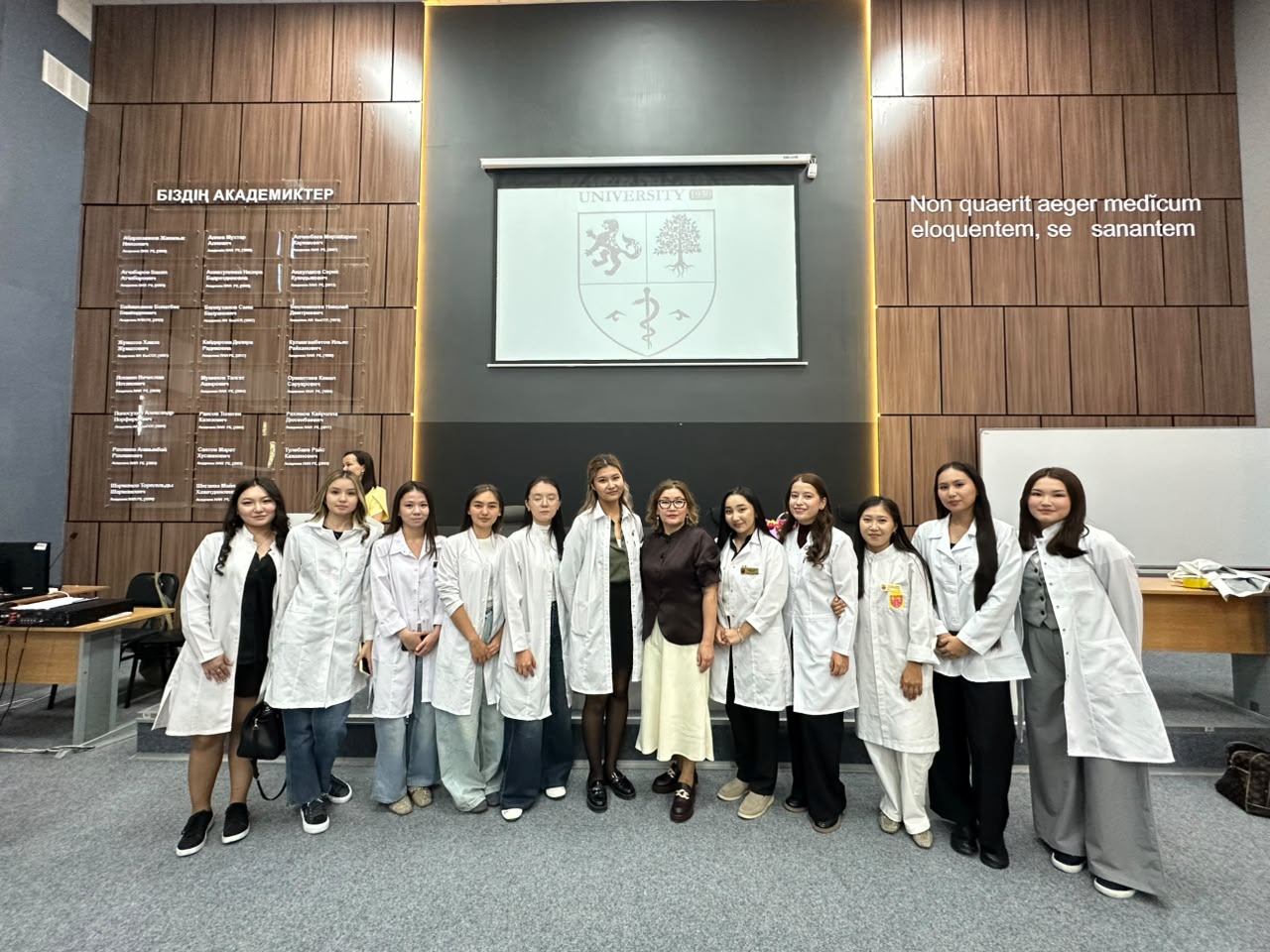
Students also actively participated in the event. Fourth-year students of the Medical and Preventive Care educational program presented a creative performance entitled “A Day in the Life of a Sanitary and Epidemiological Service Specialist.” The performance portrayed the specialist’s daily activities, professional duties, and responsibility to society.
Fourth-year students of Group OZ23-003 — Bakhytkerey Alen, Bukirova Dana, and Srazhina Eliza — presented “Current Global Epidemiological Situation,” providing an overview of the current epidemiological situation worldwide. Students of Group QD23-001 delivered a presentation entitled “The Epidemiological Situation in Kazakhstan: Dangerous Infectious Diseases,” discussing infectious threats relevant to the country and measures for their prevention.
Fifth-year Public Health students Akbope Taizhan and Enlik Kenes presented “From Sanitary Control to Modern Approaches to Prevention and Public Health Promotion: The Evolution of Hygiene in Kazakhstan.” They highlighted the stages in the development of hygiene as a science and its importance in the modern public health system.
As part of the cultural program, Asylai Alimbay, a fourth-year student of the Medical and Preventive Care educational program, performed a traditional Kazakh küy.
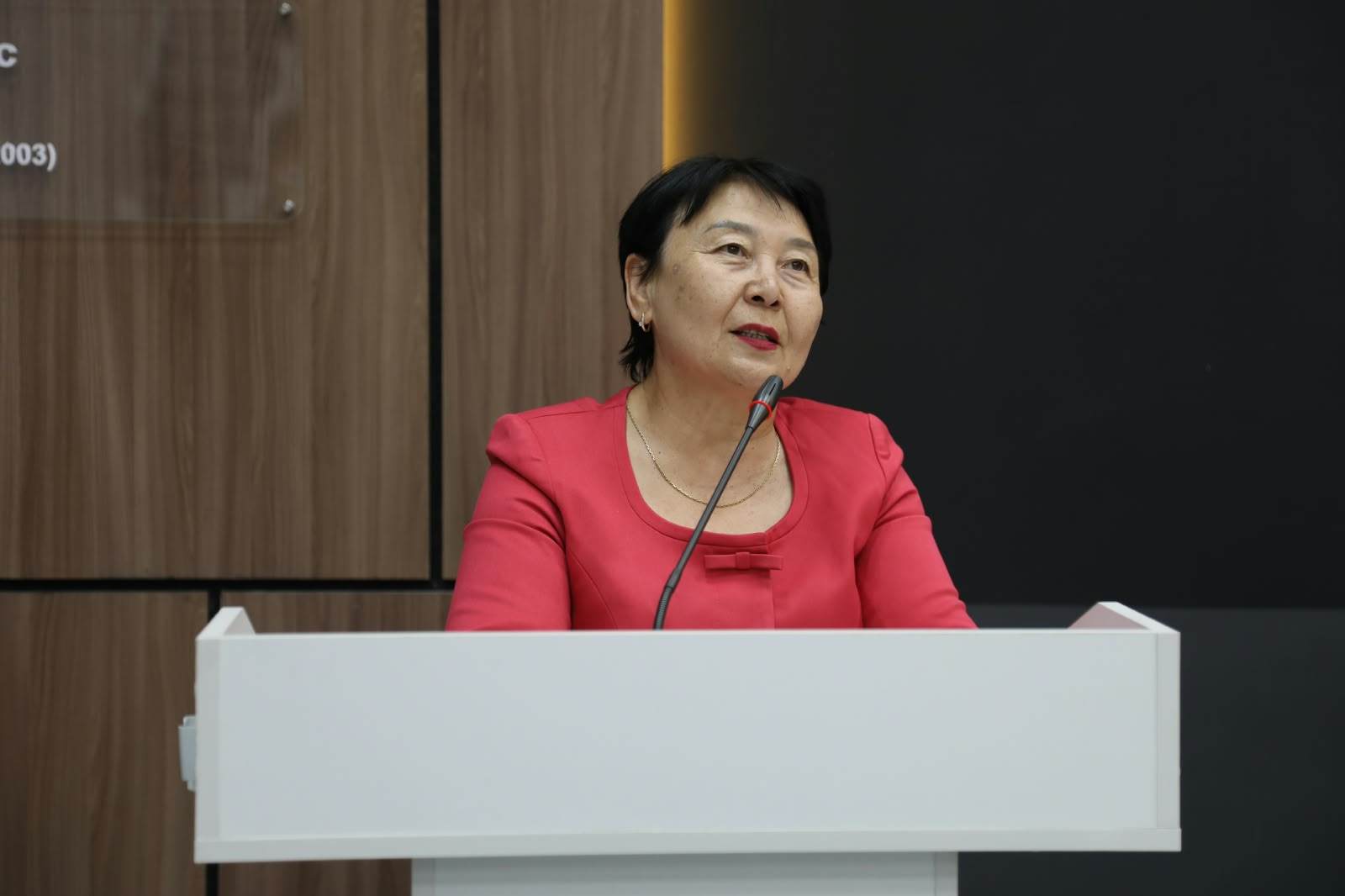
Associate Professor Lyaylya Zholdasovna Alekesheva congratulated sanitary and epidemiological service professionals on their professional holiday and highly commended their contribution to ensuring the sanitary and epidemiological well-being of the population.
The closing remarks were delivered by Zhanat Bekmukhanbetovna Beisenbinova, Senior Curator of the H. Dosmukhamedov School of Public Health. She thanked the guests, speakers, faculty members, and students and emphasized that the development of the sanitary and epidemiological service is directly connected with professional continuity, scientific knowledge, digital technologies, and the responsibility of future specialists.
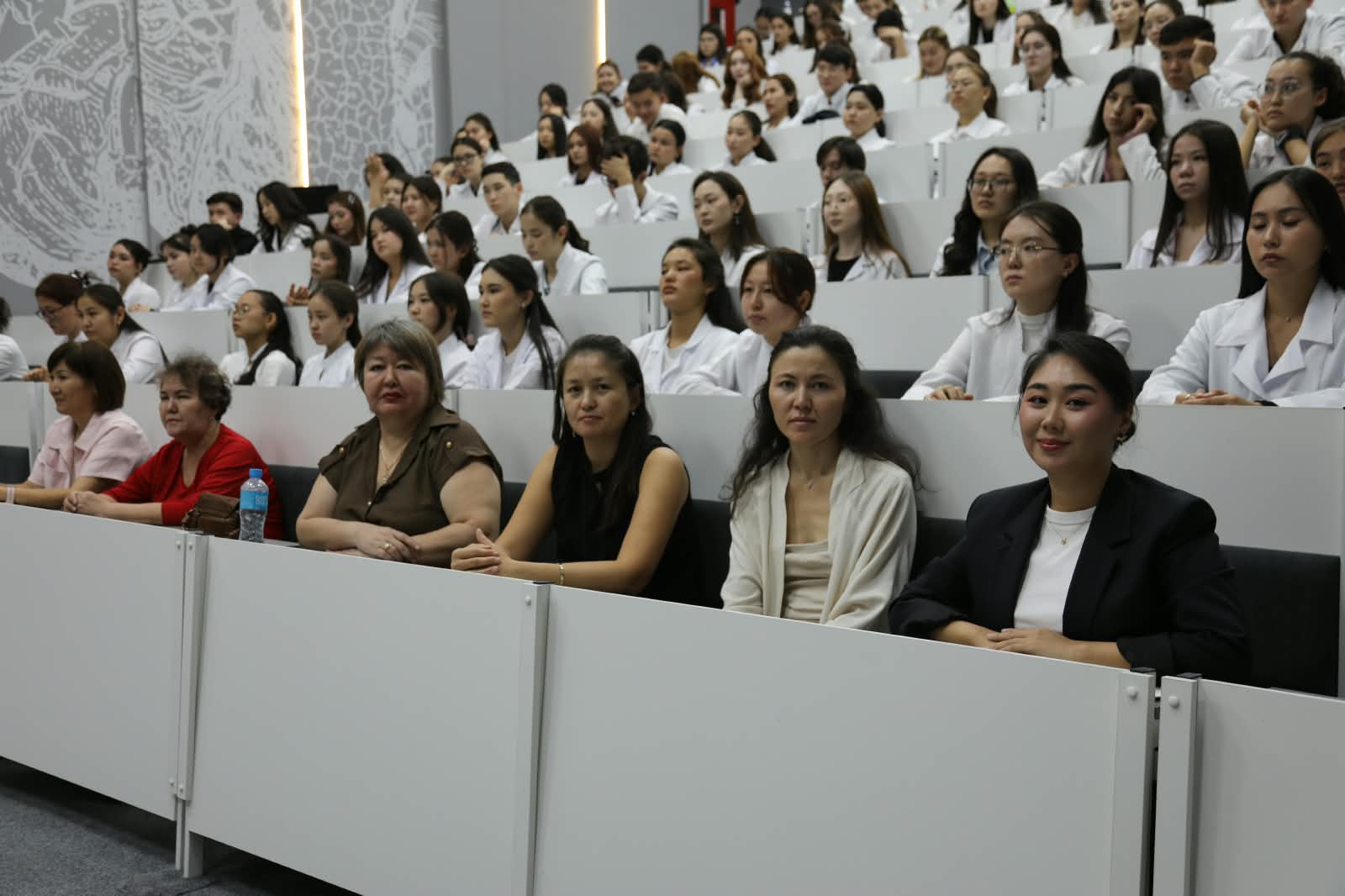
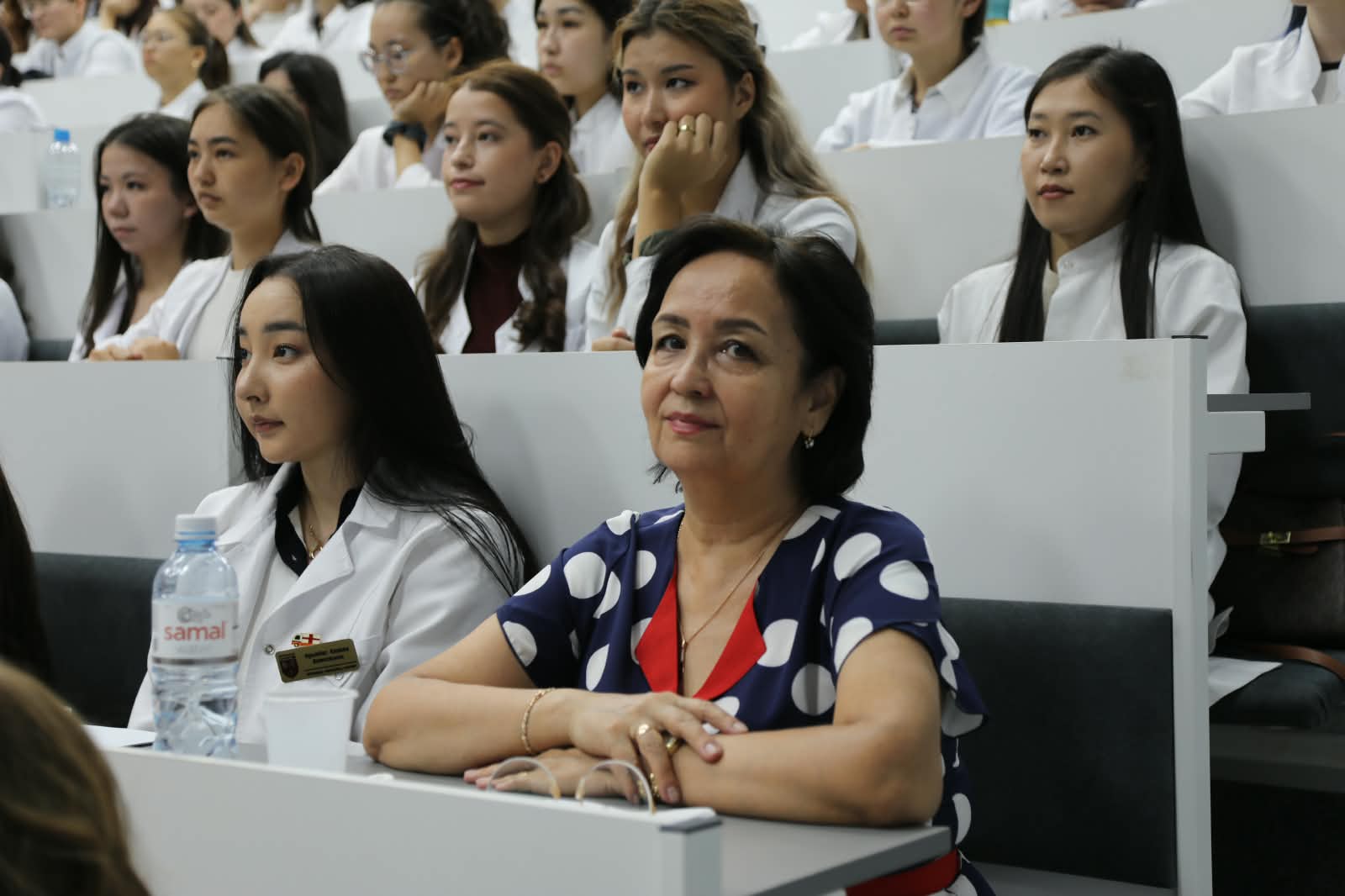
As a result of the event, students expanded their knowledge of the history of the sanitary and epidemiological service, its current responsibilities, and its future development. The meeting facilitated professional knowledge exchange, enhanced students’ research and creative engagement, and contributed to a deeper understanding of digital transformation opportunities in epidemiology and hygiene.
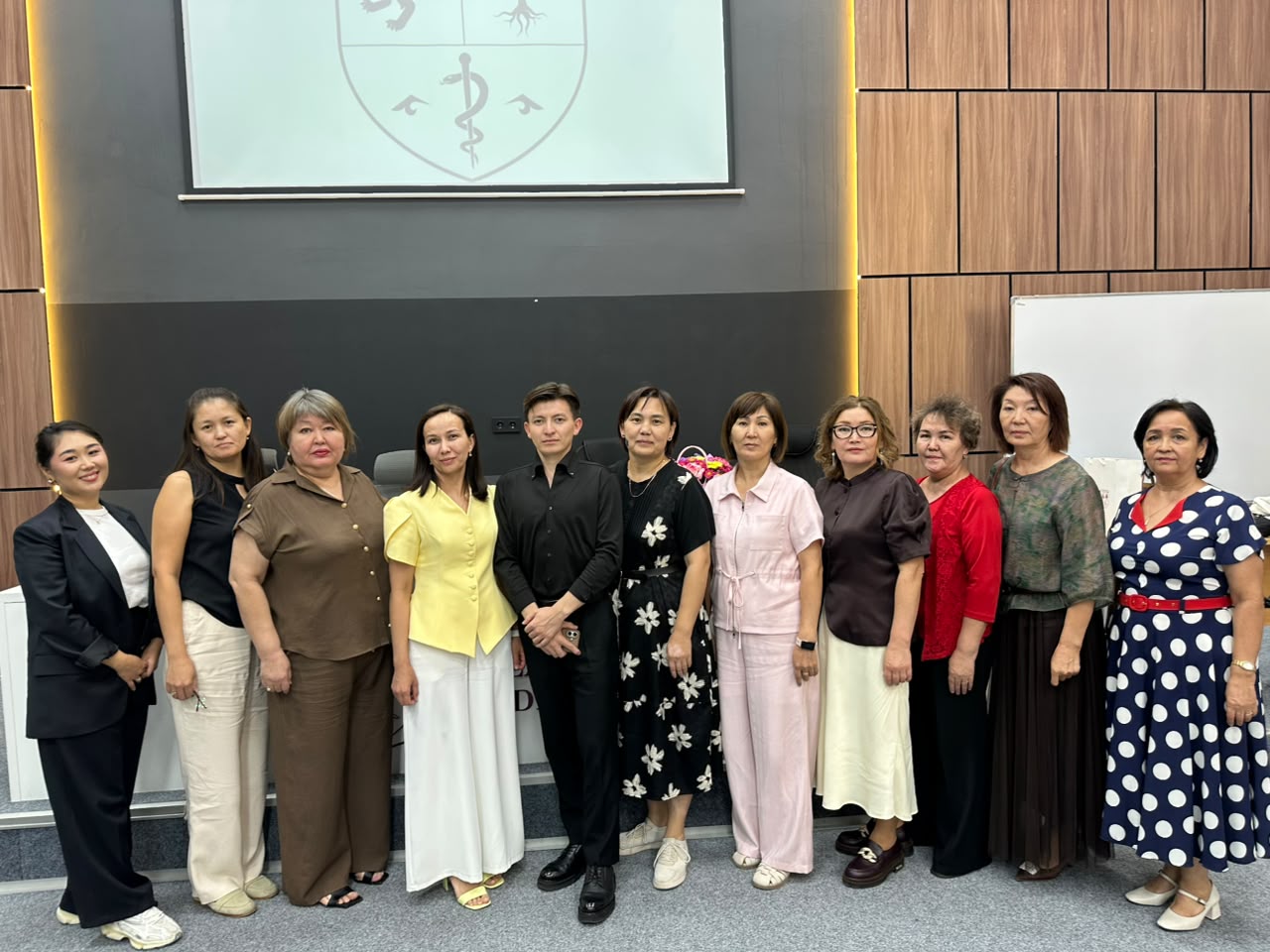
The event was organized by the Department of Epidemiology with the Course of HIV Infection and Infection Control, the faculty of the Department of Public Health, and fourth-year students. The moderators were Senior Curator Z.B. Beisenbinova and Academic Advisor E.I. Kusainova. L.Zh. Alekesheva, L.Zh. Temirbayeva, A.K. Tekmanova, G.S. Maksutova, and A.Zh. Kusainova contributed to the organization of the event.