Professor Plinio Cirillo presented modern approaches in cardiology and digital medicine at KazNMU
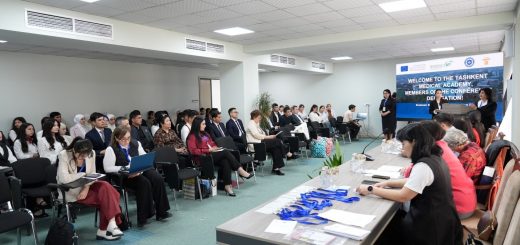
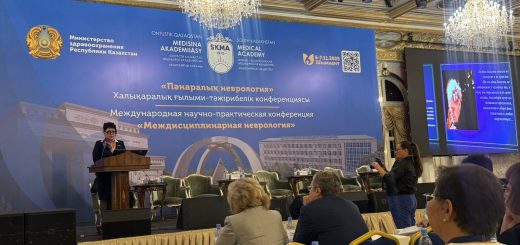
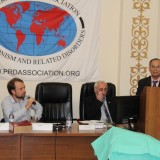
At Asfendiyarov Kazakh National Medical University, the visit of invited professor from Italy — Plinio Cirillo — continues successfully. The third day of the visit was devoted to pressing issues of modern cardiology, cardiovascular prevention, and the implementation of innovative technologies into clinical practice. octors from city medical institutions, faculty members of the Department of Internal Medicine, residents, young specialists, and KazNMU trainees attended the lectures. The audience showed particular interest in the impact of environmental factors and digital technologies on the cardiovascular system. During the lecture, Professor Cirillo presented modern data from the European Society of Cardiology (ESC) regarding the impact of active smoking, passive smoking, and electronic cigarettes on the development of atherosclerosis, endothelial dysfunction, thrombosis, arterial hypertension, coronary artery disease, and chronic heart failure. Special attention was paid to the toxic effects of nicotine-containing products, inflammatory mechanisms of vascular injury, and the growing cardiovascular risks among young people. The lecture focused on modern opportunities of artificial intelligence in cardiology, including ECG and echocardiography analysis, prediction of cardiovascular complications, personalized treatment approaches, and the future of digital medicine.
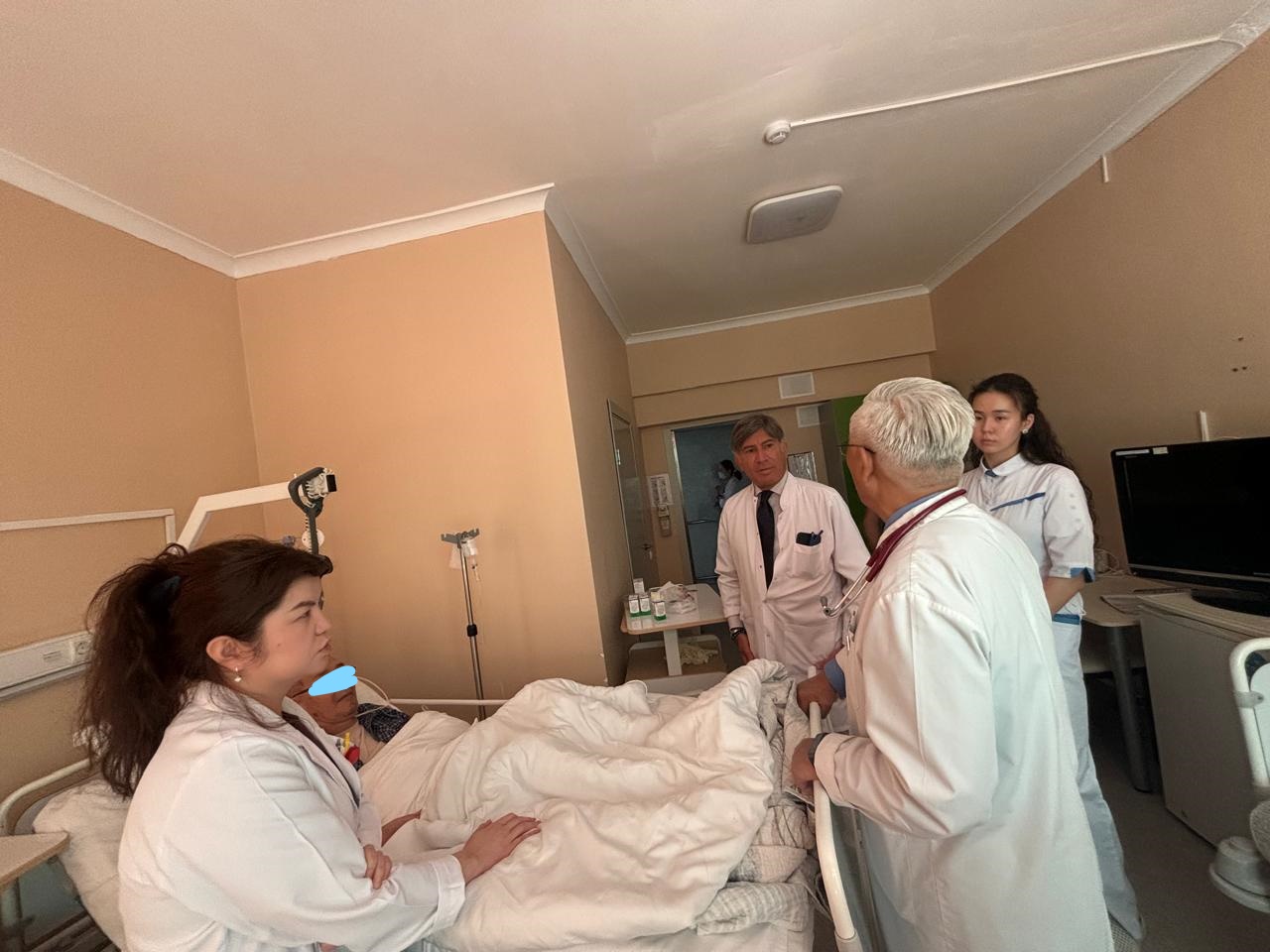
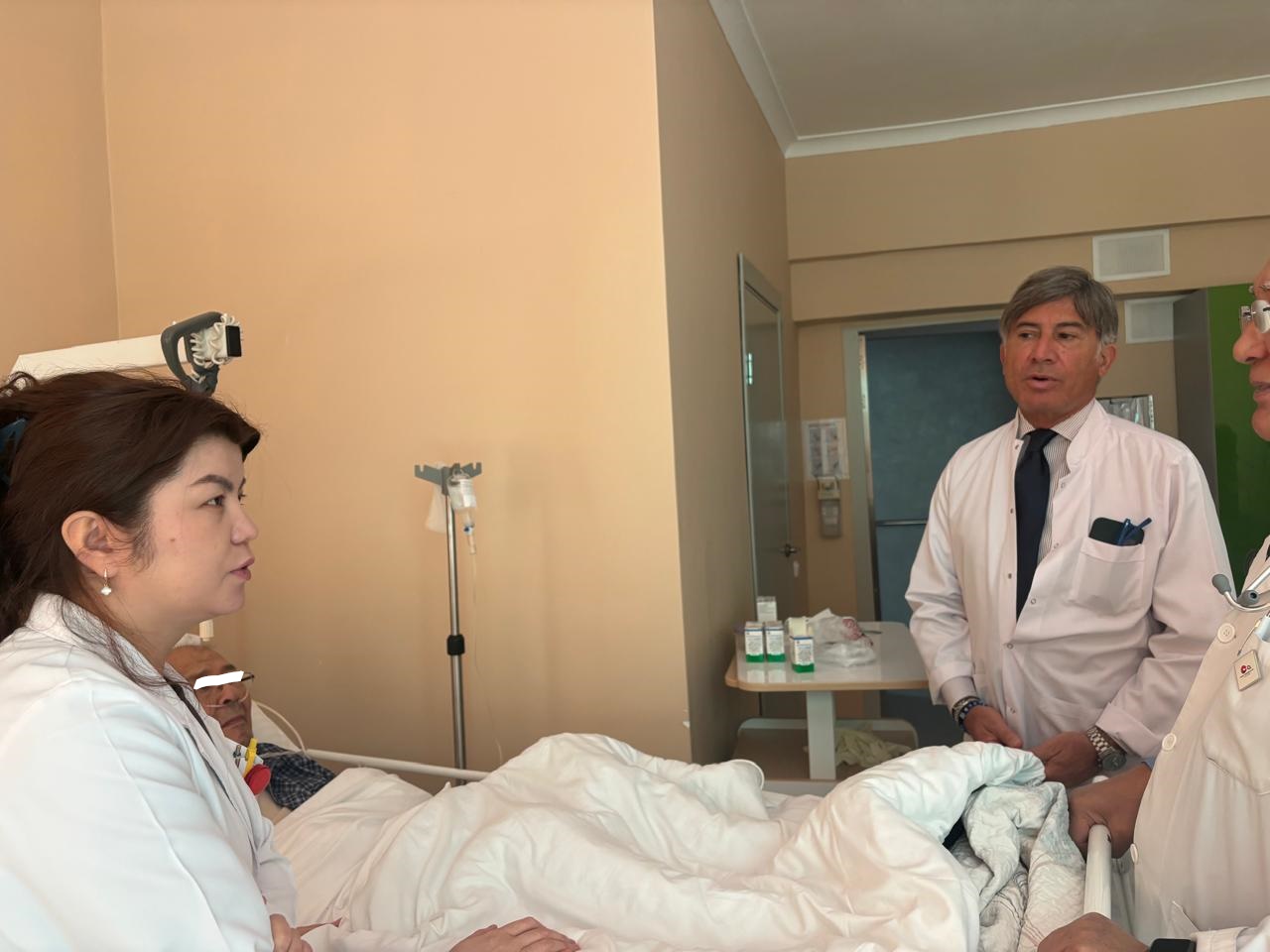
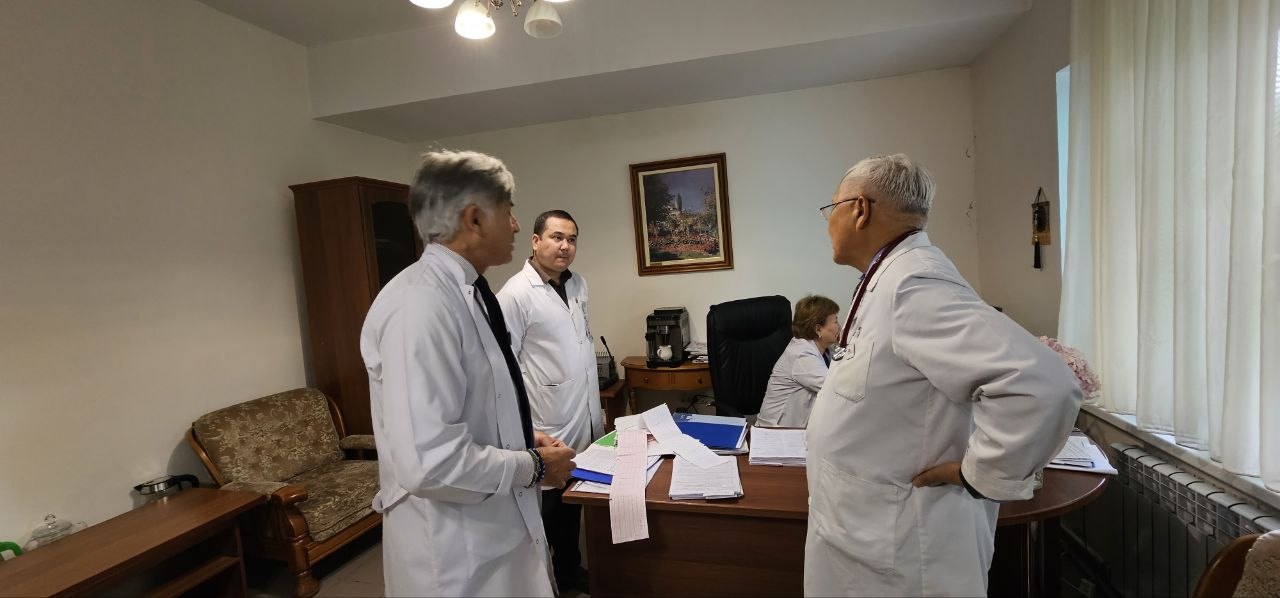
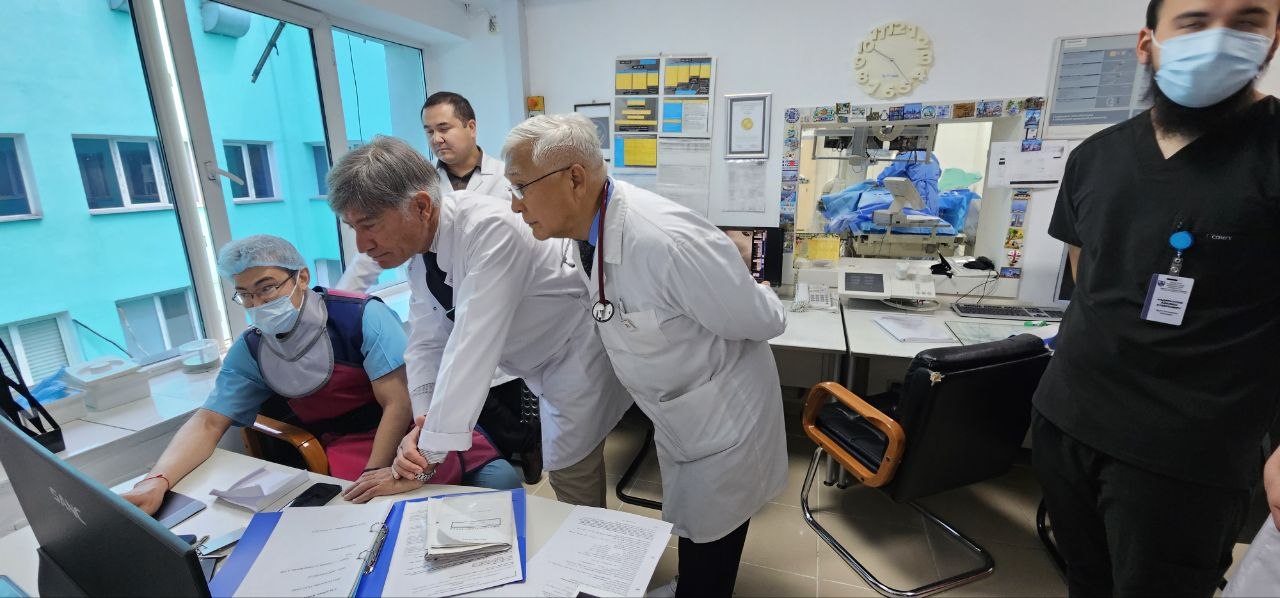
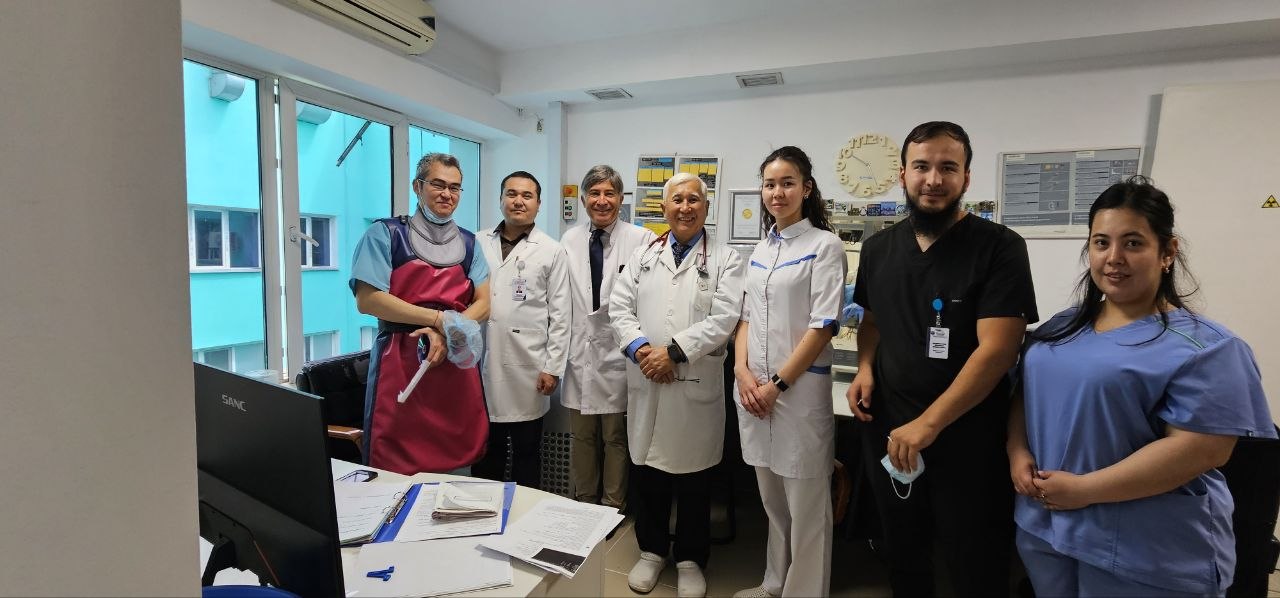
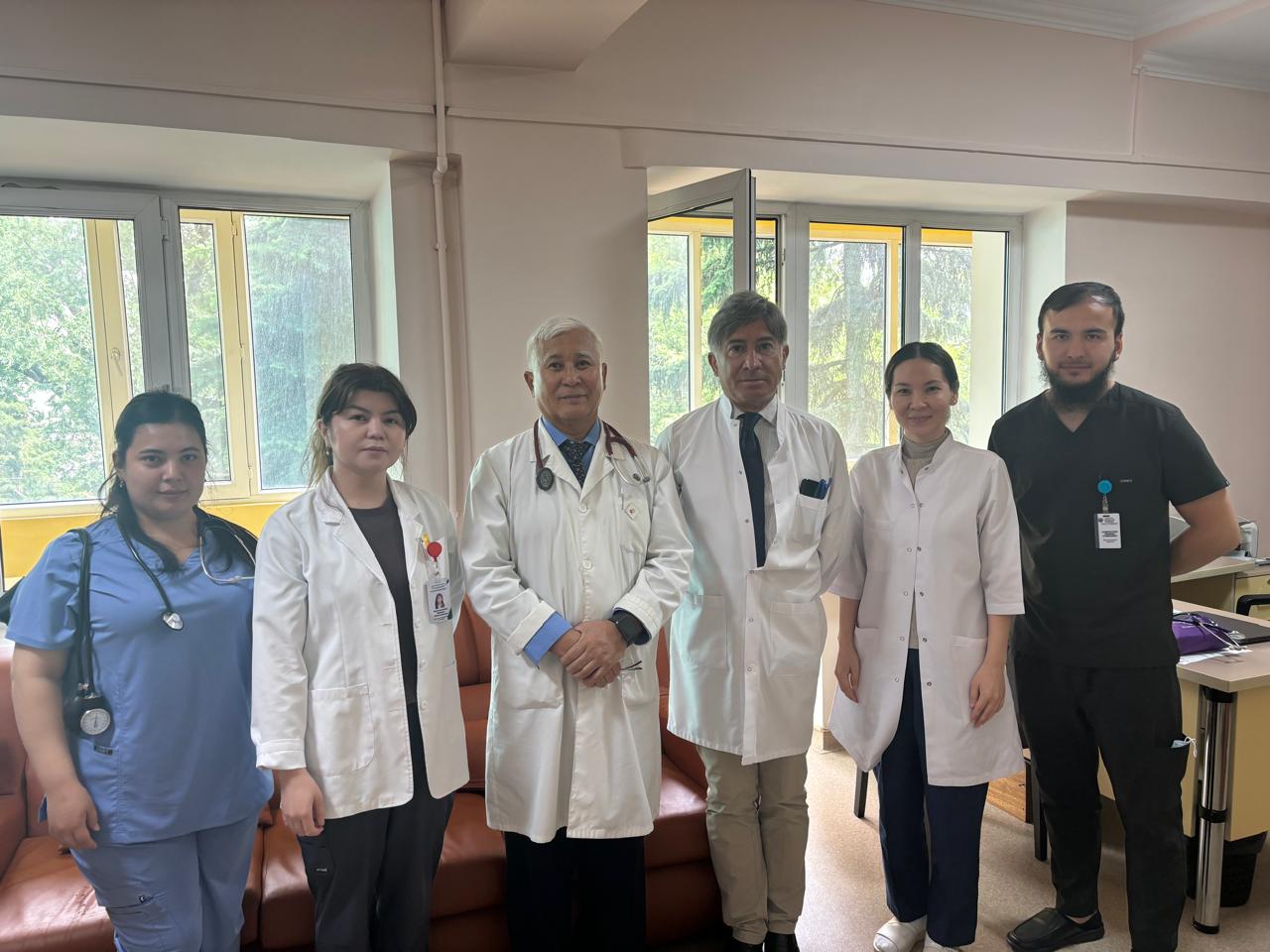
Professor Cirillo emphasized that artificial intelligence technologies are becoming one of the key directions in the development of modern cardiology, improving early diagnosis, risk stratification, and the quality of medical care. The lectures attracted great interest from the audience and were accompanied by active discussions on contemporary ESC recommendations, practical clinical applications, and future perspectives of cardiology in the era of digital technologies. As part of his visit to Asfendiyarov Kazakh National Medical University, Professor Plinio Cirillo also conducted consultations for critically ill comorbid patients receiving inpatient treatment at the National Hospital of the Medical Center of the Presidential Affairs Administration of the Republic of Kazakhstan. The clinical case discussions were attended by hospital physicians, faculty members of the Department of Internal Medicine, residents, and young specialists. During the multidisciplinary discussions, complex diagnostic cases, contemporary approaches to cardiovascular risk stratification, management of patients with multiple comorbidities, and principles of personalized therapy were reviewed. Special attention was paid to modern diagnostic capabilities, interpretation of instrumental and laboratory findings, and the selection of optimal treatment strategies in accordance with the latest clinical recommendations of the European Society of Cardiology (ESC). The consultations and clinical discussions were conducted in an atmosphere of active professional dialogue and became an important platform for international exchange of clinical experience, enhancement of physicians’ professional competencies, and improvement of the quality of medical care for patients with severe comorbid conditions.