Early Diagnosis and Support for People with Dementia Discussed in Almaty
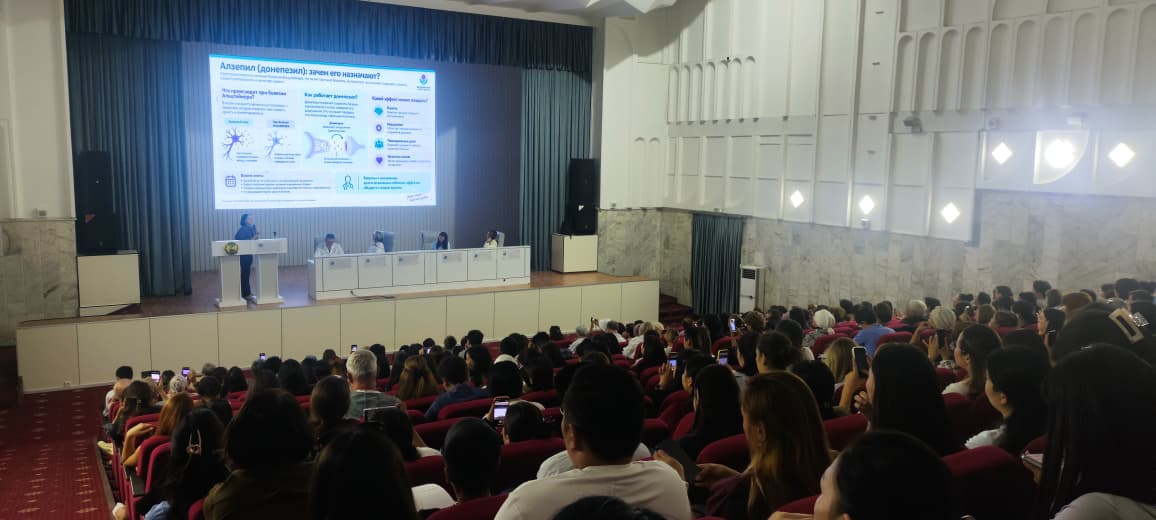
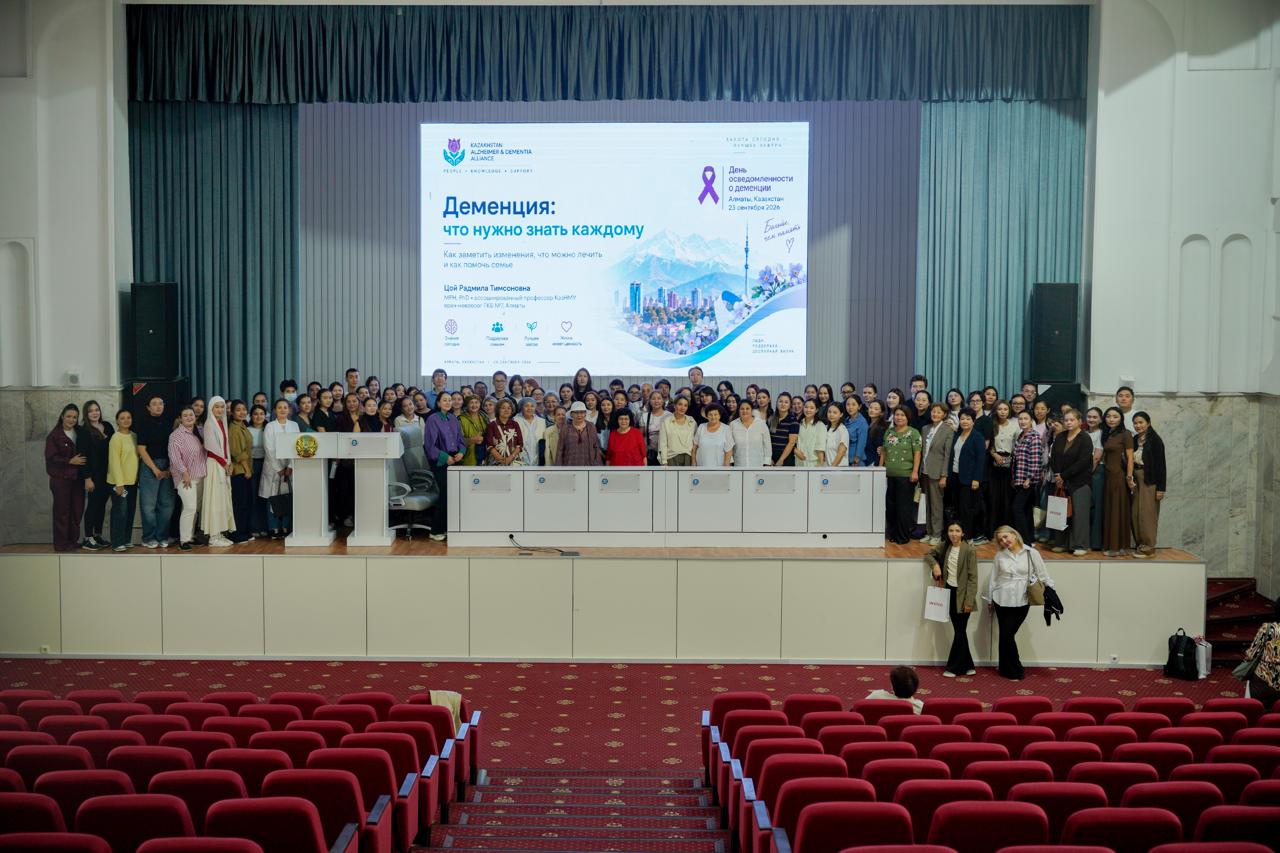
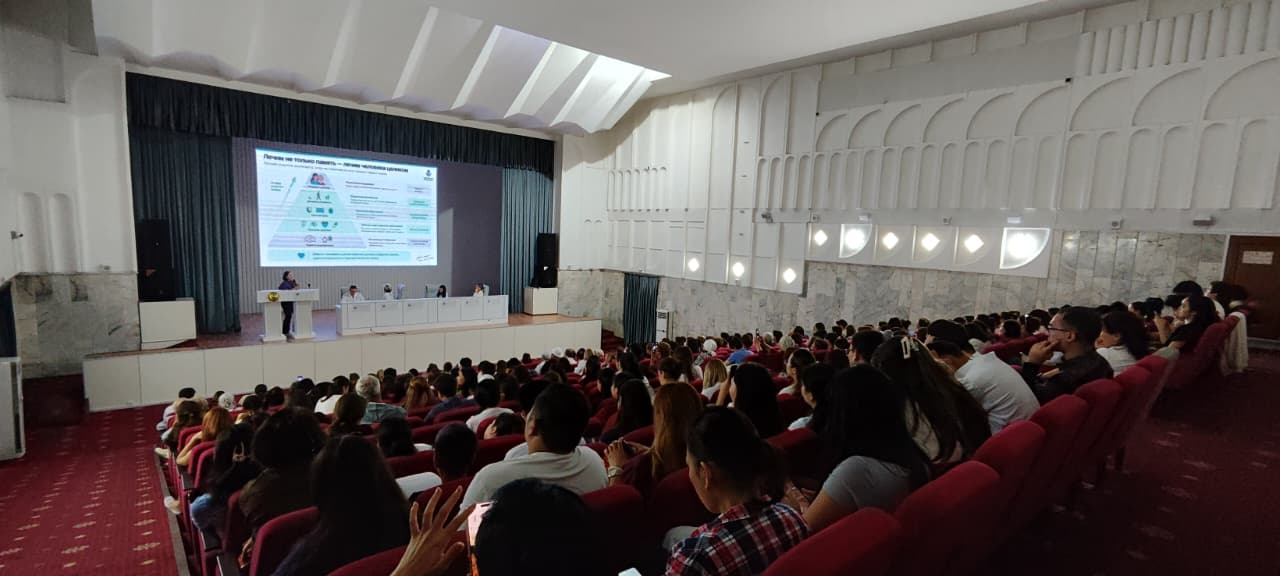
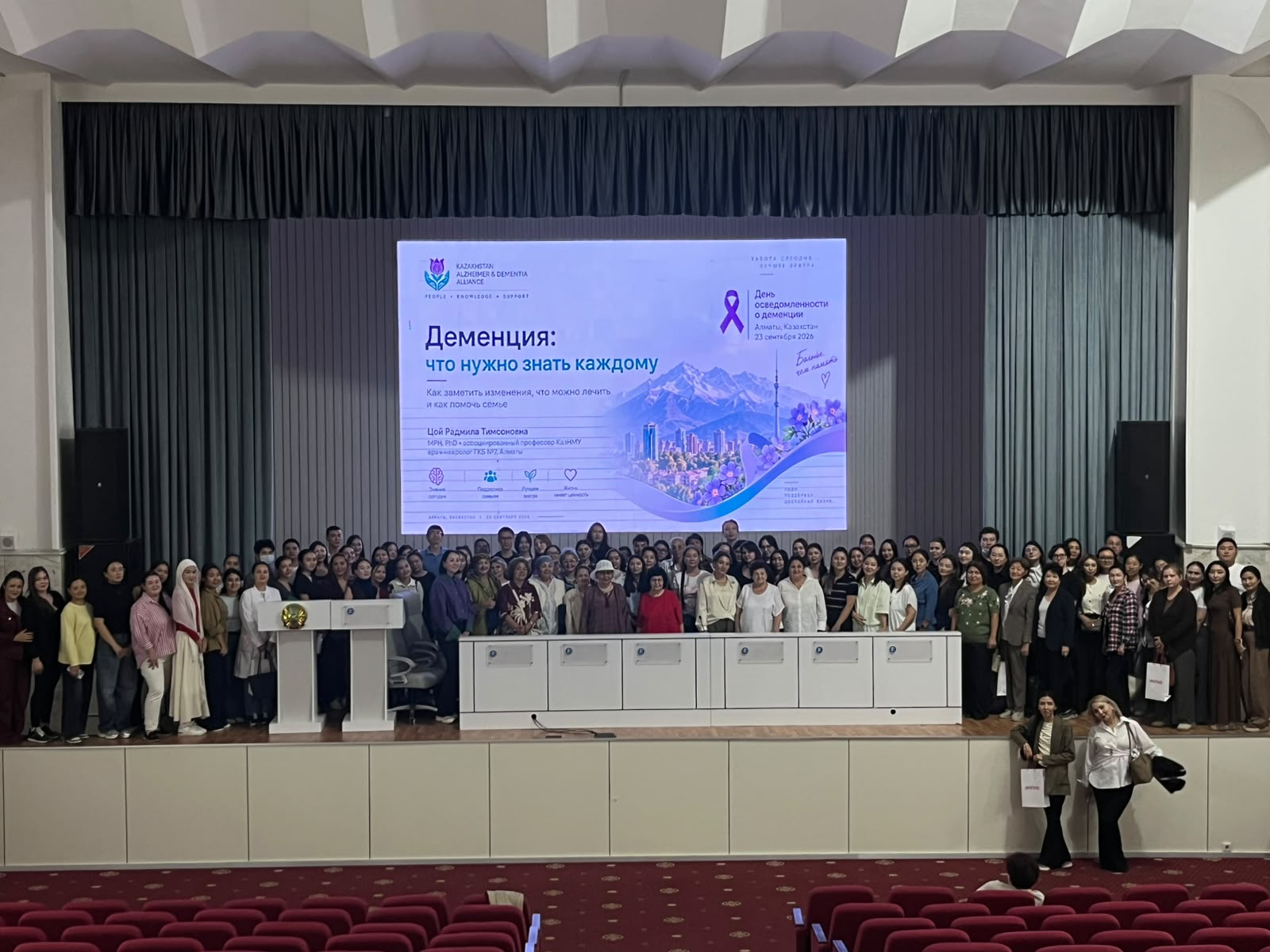
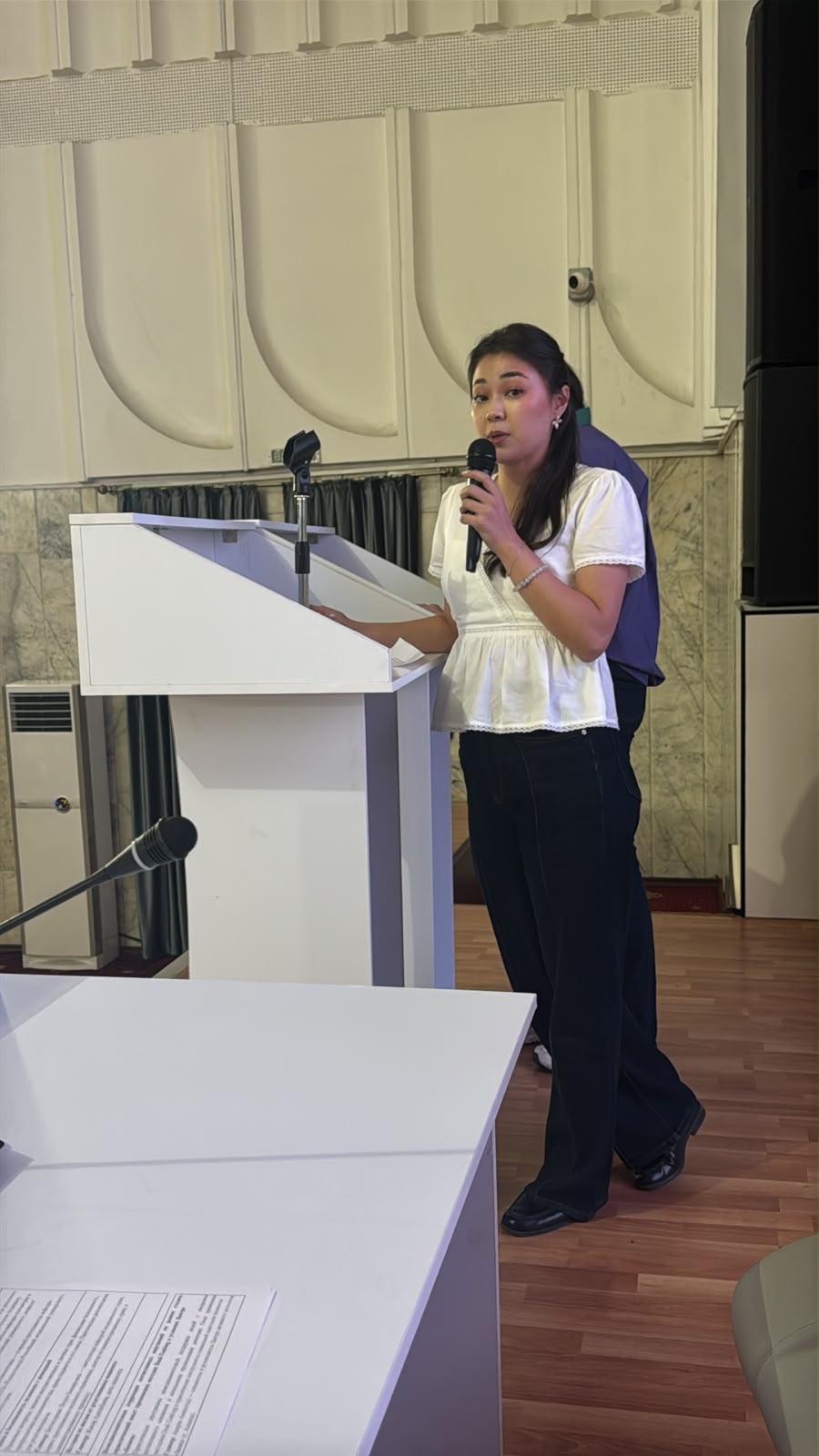
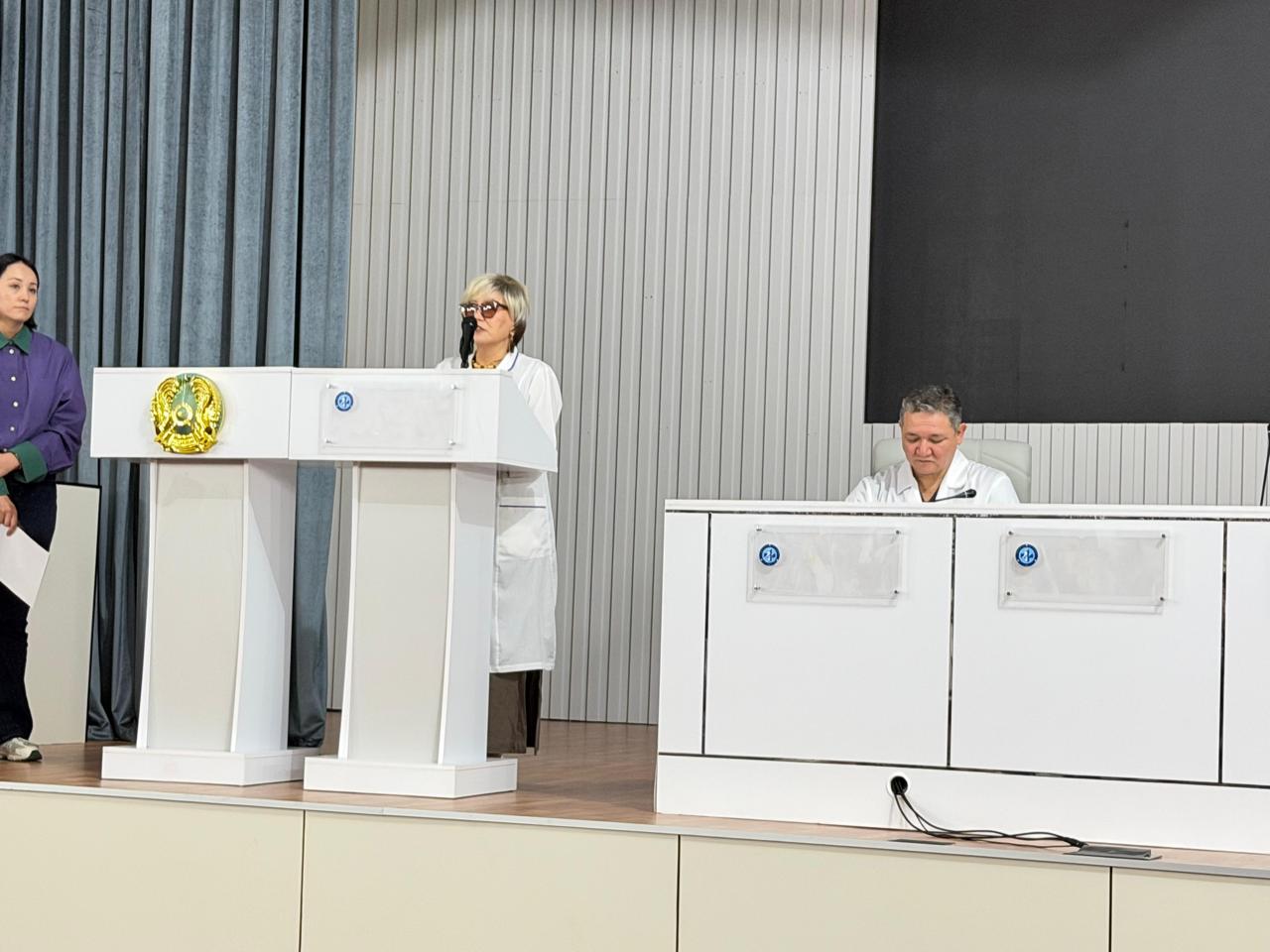
On September 23, 2026, an interdisciplinary educational and awareness-raising event was held at City Clinical Hospital No. 1 in Almaty as part of the Alzheimer’s disease and dementia awareness month.
The meeting brought together neurologists, psychiatrists, psychologists, social workers, lawyers, rehabilitation specialists, linguists, representatives of primary health care, the academic community, public organizations, and relatives of people living with dementia.
The event was organized by the Department of Nervous Diseases of S.D. Asfendiyarov Kazakh National Medical University with the support of City Clinical Hospital No. 1, City Clinical Hospital No. 7, the Kazakhstan Alliance for Alzheimer’s Disease and Dementia (KA&DA), the Association of Neurologists of the Republic of Kazakhstan, and the Almaty City Department of Public Health.
From Early Detection to Comprehensive Care
The event was opened by Sultan Zhanbyrbayev, Master of Medical Sciences, Deputy Director for Medical Affairs at City Clinical Hospital No. 1 in Almaty.
Welcoming remarks were delivered by Saule Turuspekova, Doctor of Medical Sciences, Head of the Department of Nervous Diseases at S.D. Asfendiyarov Kazakh National Medical University, Chief Freelance Neurologist of the Ministry of Health of the Republic of Kazakhstan, and Chris Lynch, Acting CEO and Director of Policy, Research, Communications & Publications, Alzheimer’s Disease International (ADI).
As part of the scientific and educational program, specialists discussed early signs of cognitive impairment, the diagnosis and treatment of dementia, behavioral and psychological symptoms, patient pathways, family support, and modern approaches to care.
Nurmukhamed Mamashayev, Assistant Professor at the Department of Nervous Diseases of S.D. Asfendiyarov Kazakh National Medical University and neurologist at City Clinical Hospital No. 7, presented on the early detection of dementia and the first signs of cognitive impairment.
Elmira Atantaeva, Candidate of Medical Sciences, Professor at the Department of Nervous Diseases of S.D. Asfendiyarov Kazakh National Medical University, spoke about behavioral and psychological symptoms of dementia, including anxiety, apathy, sleep disturbances, and psychotic symptoms.
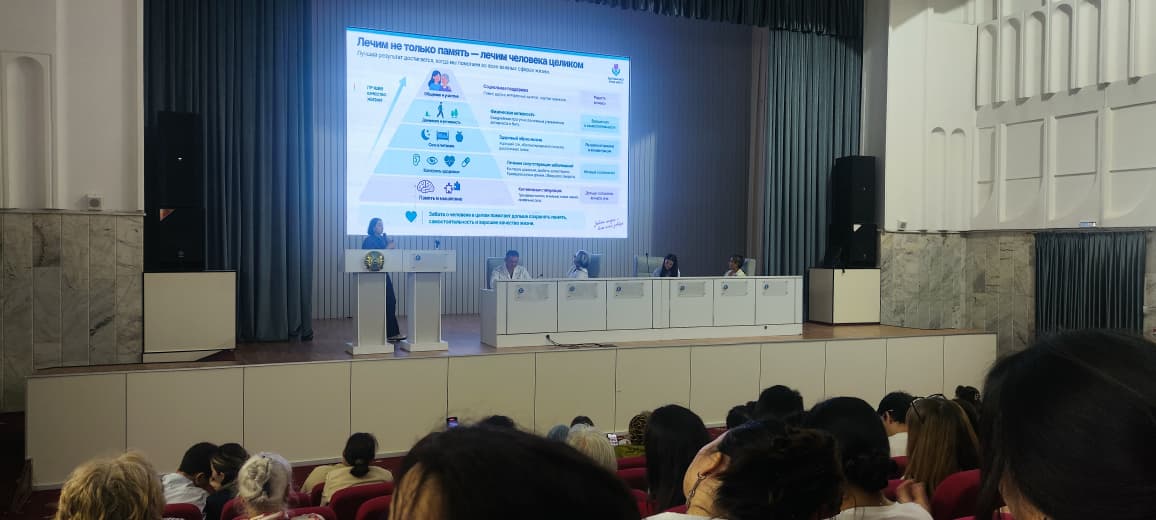
Radmila Tsoy, MPH, PhD, Associate Professor at the Department of Nervous Diseases of S.D. Asfendiyarov Kazakh National Medical University, neurologist at City Clinical Hospital No. 7, and representative of KA&DA, presented modern approaches to the treatment and organization of care for people with dementia, including non-pharmacological interventions and family support.
Language and Culture in Diagnosis
Particular attention was paid to adapting neuropsychological tools to the linguistic and cultural environment of Kazakhstan.
Madina Abaeva, Candidate of Philological Sciences, Head of the Psycholinguistics Department at the A. Baitursynuly Institute of Linguistics, and Aliya Nazarova, Master of Humanities, Research Fellow at the Department of Psycholinguistics, presented issues related to the linguistic adaptation of international neuropsychological tests into the Kazakh language.
Psychiatric, Social, and Legal Support
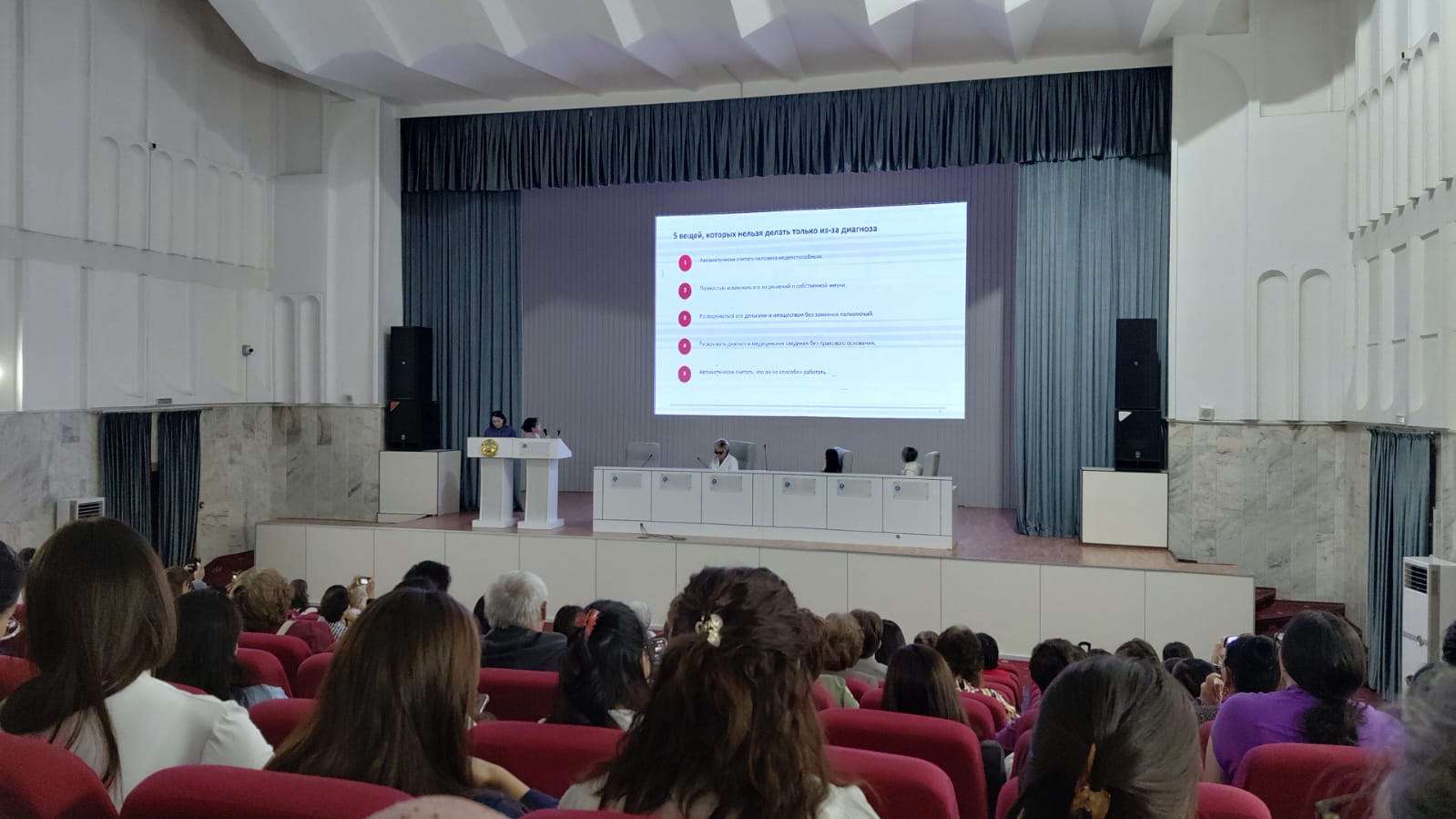
Lyudmila Bespalova, Candidate of Medical Sciences, Associate Professor at the Department of Psychiatry and Narcology named after G.I. Zaltsman at S.D. Asfendiyarov Kazakh National Medical University, spoke about the role of psychiatrists in managing patients with dementia, issues of legal capacity, and protecting patients’ rights.
Marzhan Assanova, neurologist of the highest category at City Polyclinic No. 5, presented the patient pathway for people with dementia in Kazakhstan — from initial consultation and diagnosis to treatment, rehabilitation, and social support.
Aliya Smagulova and Galiya Kadrzhanova, Senior Lecturers at the Department of Psychiatry and Narcology of the Kazakhstan-Russian Medical University discussed questions of psychological support for relatives and caregivers.
Lidiya Bogatyreva, Head of the Department of Medical Law at S.D. Asfendiyarov Kazakh National Medical University, lawyer in the Claims and Litigation Department, Doctor of Administrative Law and Administrative Procedure, presented the legal aspects of protecting the personal and property rights of people with dementia, financial security, and fraud prevention.
Non-Pharmacological Methods and Digital Technologies
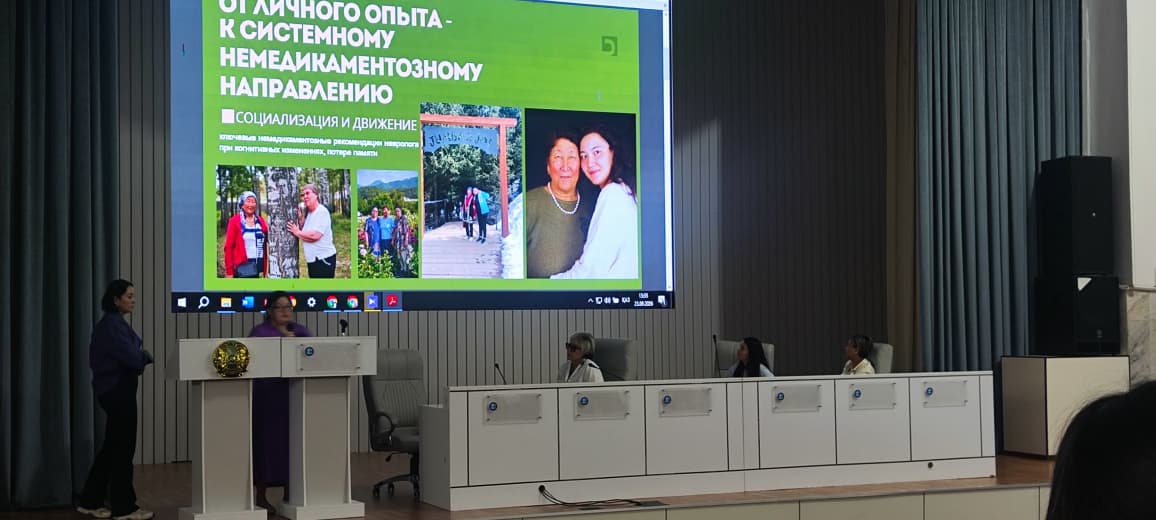
Practical experience in applying Dual-Tasking for cognitive impairment, as well as opportunities for social adaptation and maintaining activity, was presented by Akerke Amangeldy , founder and head of the Jasaru Active Longevity Center.
Dinara Nurlankyzy, second-year resident at the Department of Nervous Diseases of S.D. Asfendiyarov Kazakh National Medical University and representative of the innovative RubaroMusicTech project, spoke about the prospects of digitalization in dementia care, telemedicine, cognitive monitoring, and artificial intelligence.
International Cooperation
An important part of the event was the participation of Alzheimer’s Disease International (ADI). Chris Lynch’s presentation highlighted the importance of international professional cooperation in the areas of early detection, prevention, and comprehensive support for people living with dementia and their families.
“Dementia: What Can We Change in Kazakhstan?”
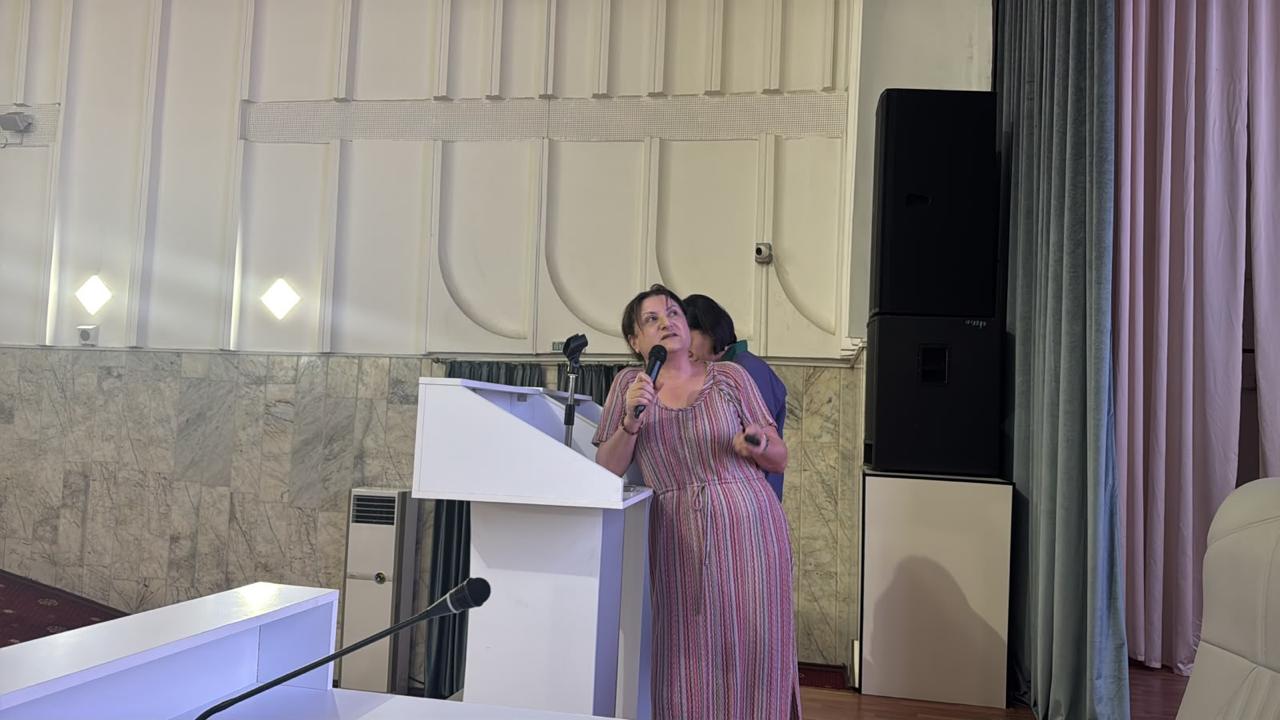
The central part of the program was the panel discussion “Dementia: What Can We Change in Kazakhstan?” Participants discussed the development of early detection of cognitive impairment, patient pathways, access to medical and social care, support for families and caregivers, as well as the need to further develop an interdisciplinary model of care.
At the conclusion of the event, KA&DA presented “5 Proposals for Developing Support for People with Dementia in Kazakhstan,” focusing on early detection, patient pathways, medical and social care, family support, and the development of a comprehensive dementia care system.
“Dementia affects not only the patient. It affects the entire family and requires the involvement of doctors, psychologists, social workers, lawyers, rehabilitation specialists, and society as a whole. Our task is to ensure that people and their families are not left alone with the disease,” noted Radmila Tsoy, Associate Professor at S.D. Asfendiyarov Kazakh National Medical University, neurologist, and representative of KA&DA.
The event provided a platform for professional dialogue and for bringing together the efforts of specialists from different fields. Participants emphasized the need to further develop early detection of cognitive impairment, a clear patient pathway, accessible medical and social care, and systematic support for families.
The Department of Nervous Diseases of S.D. Asfendiyarov Kazakh National Medical University, together with its partners and KA&DA, will continue its work to raise awareness of Alzheimer’s disease and other forms of dementia, support families, and develop a modern system of care for people with dementia in Kazakhstan.