International Masterclass in Istanbul: Modern Approaches to the Diagnosis and Treatment of Parkinson’s Disease
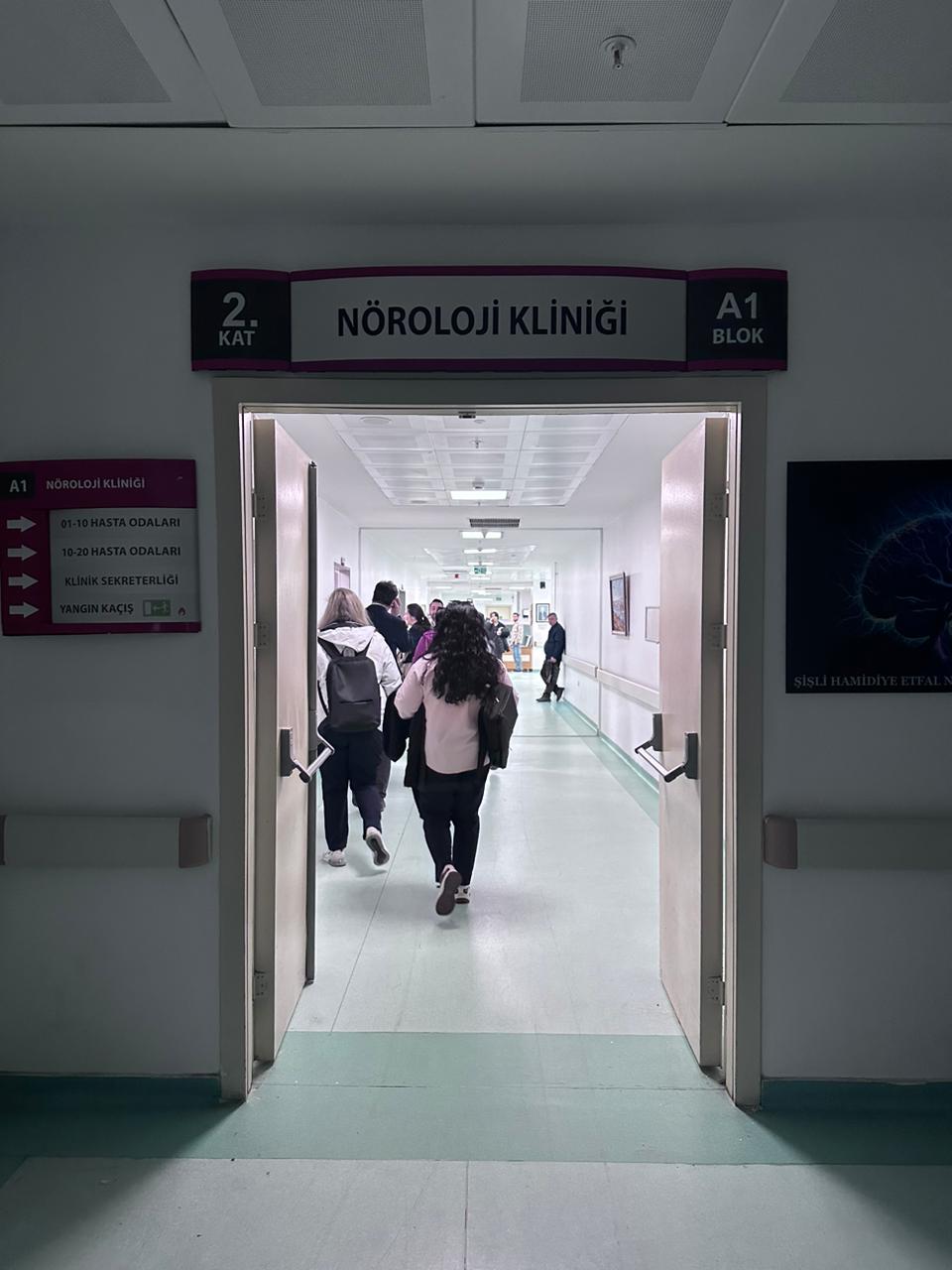
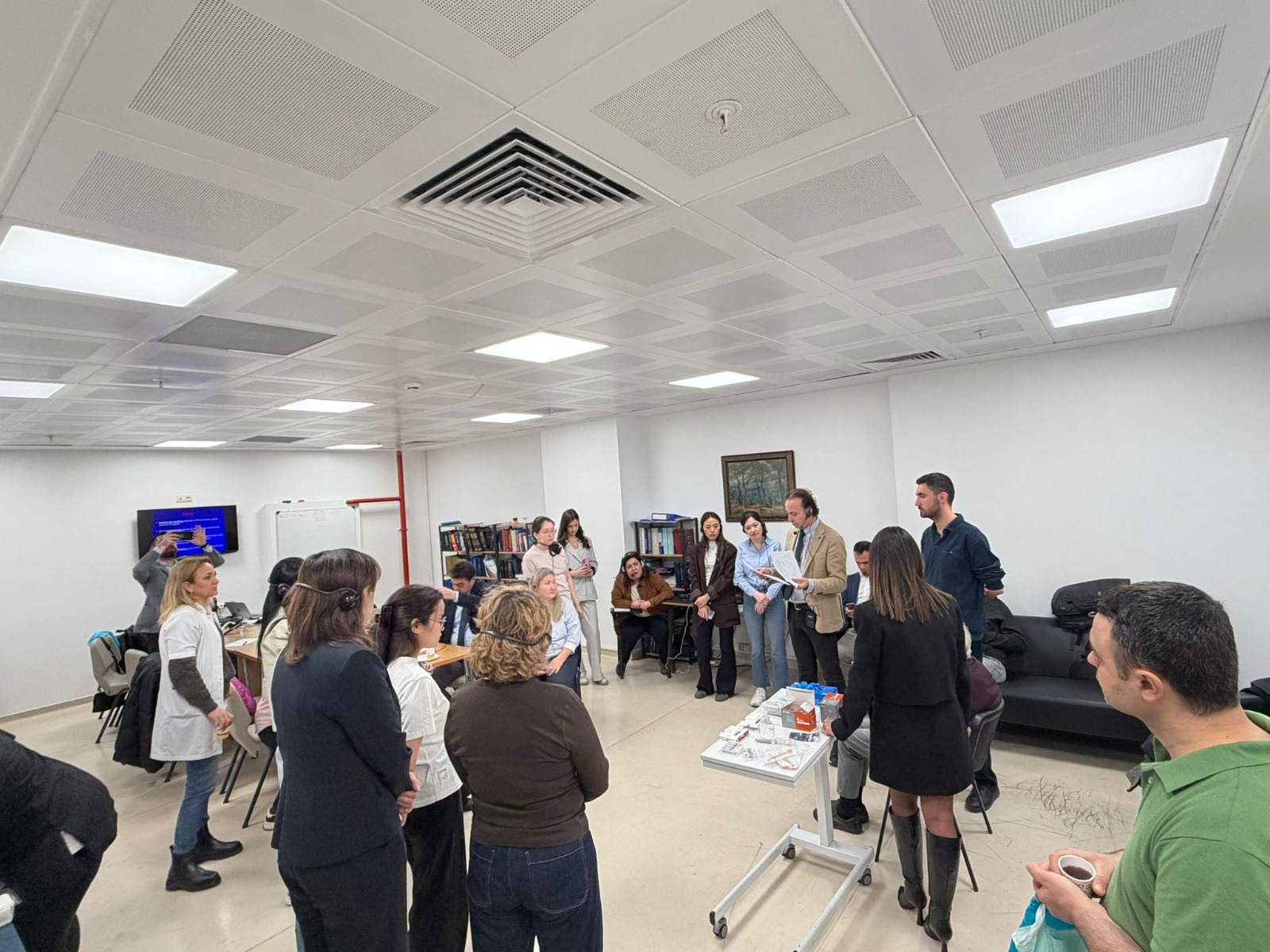
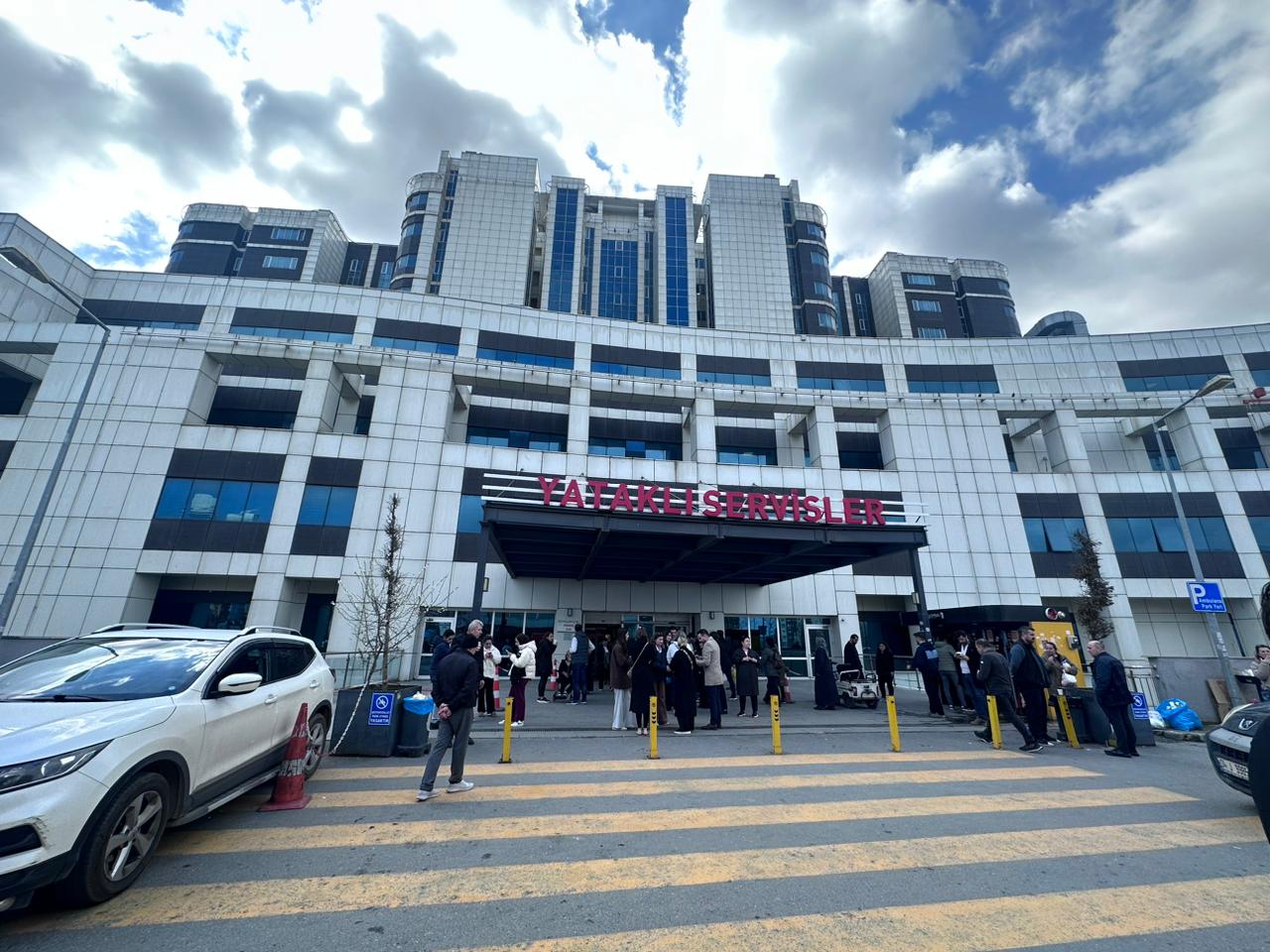
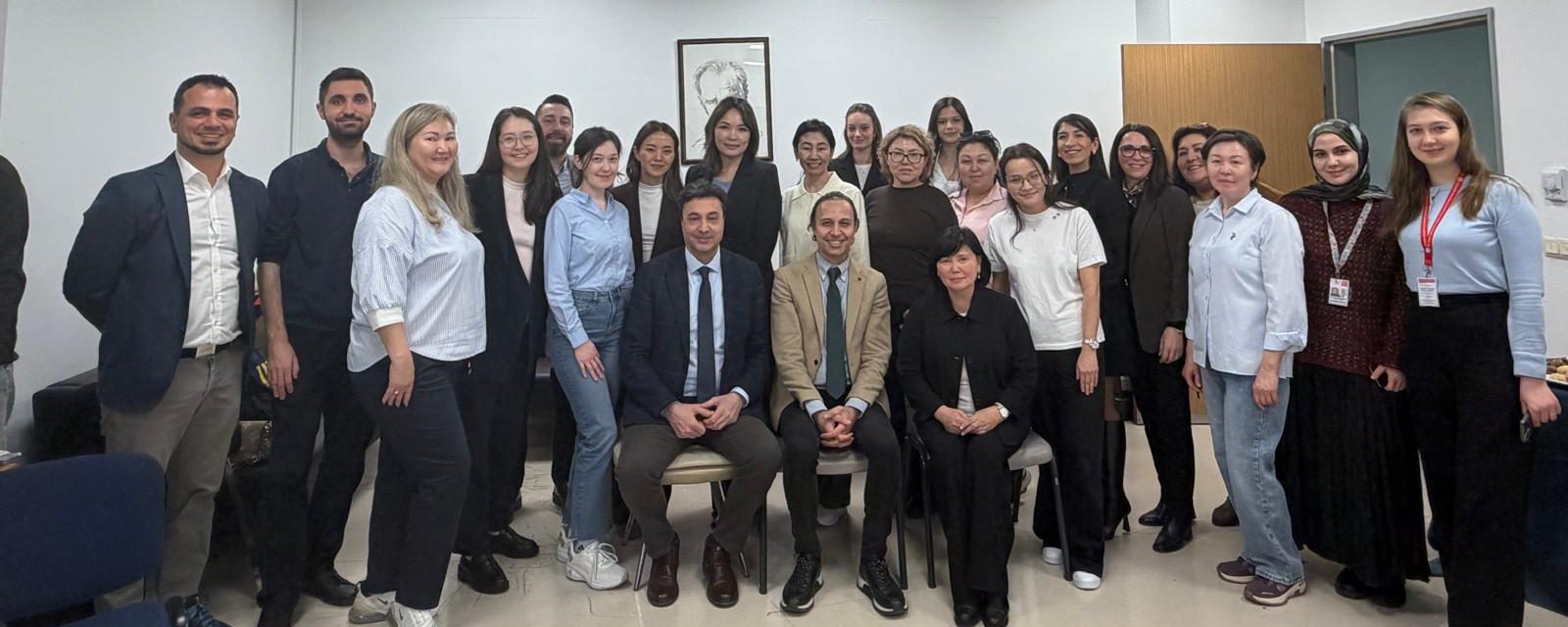
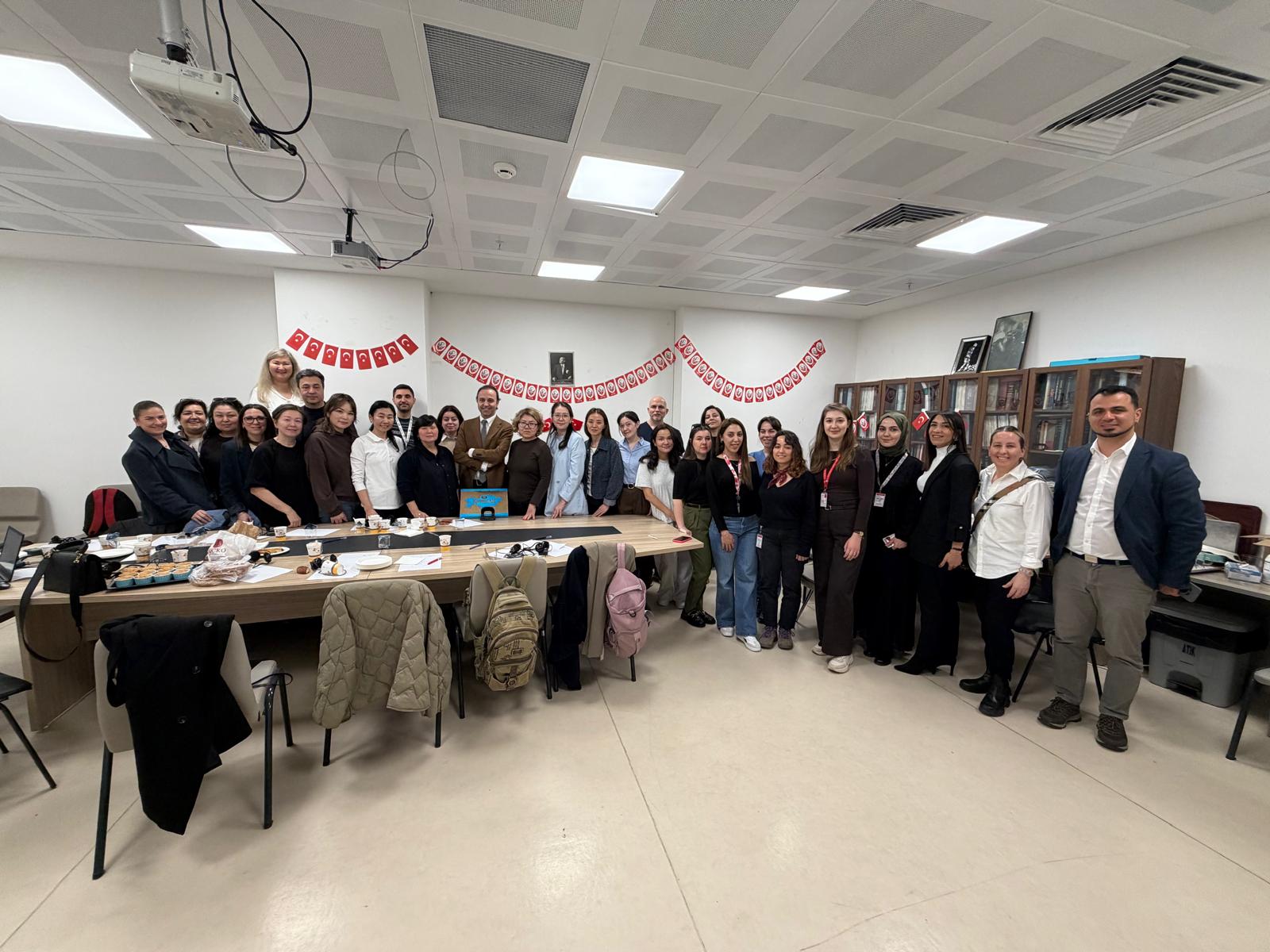
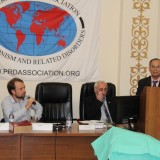
On March 26–27, 2026, a significant international educational event took place in Istanbul (Turkey) at the Sisli Hamidiye Etfal Training and Research Hospital — the masterclass “Diagnosis and Treatment of Parkinson’s Disease”, bringing together cutting-edge knowledge, clinical expertise, and the future of neurology.
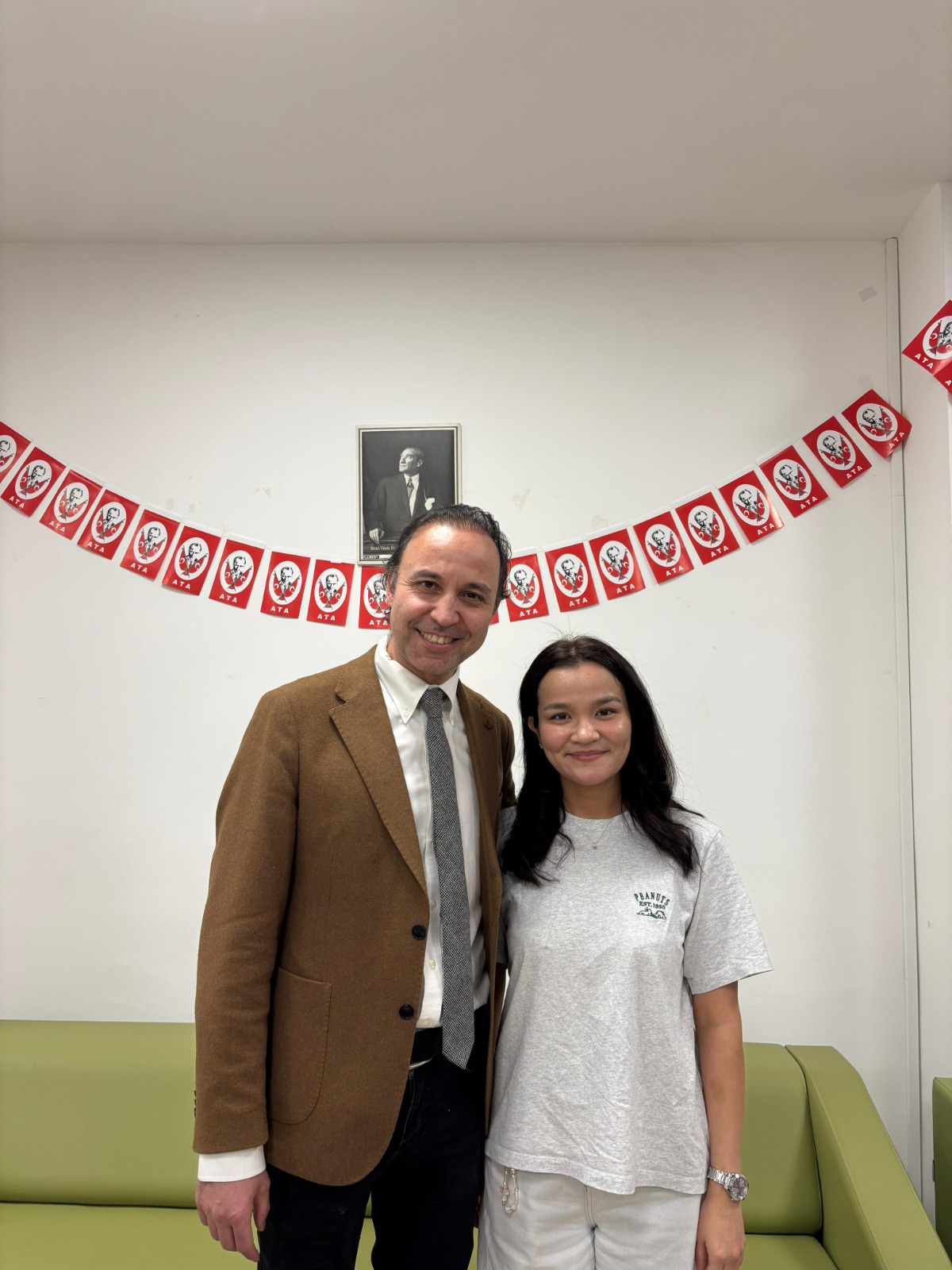
The training was led by Professor Gençer Genç, a recognized expert in movement disorders who sets modern standards in the diagnosis and treatment of Parkinson’s disease.
The Department of Nervous Diseases of Asfendiyarov Kazakh National Medical University honorably represented the national medical school on the international stage. The participation of M.Zh. Kemelbekova, lecturer of the department and neurologist at the university clinic of internal diseases, contributed to strengthening academic ties and integration into the global medical community.
Two days as a window into the medicine of the future:
Non-invasive treatment methods
The first day opened new horizons in pharmacological therapy, including innovative approaches using apomorphine. The multidisciplinary format demonstrated how the synergy of specialists from different fields shapes a personalized treatment strategy for patients — already today.
Invasive technologies
The second day focused on technologies that until recently seemed like the medicine of the future — deep brain stimulation. Participants not only studied patient selection criteria but also immersed themselves in the clinical reasoning that determines the success of high-tech care.
Participation in this masterclass is not just professional development. It is a step toward shaping a new clinical culture where science, technology, and teamwork unite for the main goal — improving patients’ quality of life.
The knowledge and experience gained open new perspectives for the development of neurological services, the implementation of advanced treatment methods, and the strengthening of international cooperation.
The future of neurology is being created today — and the specialists of the Department of Nervous Diseases of Asfendiyarov KazNMU are part of it.