Kazakh Delegation Participates in the International Scientific Symposium “Medical History Meets Modern Treatment Concepts in Stroke” in Berlin
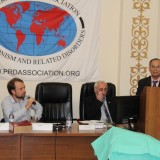
In mid-September, one of Europe’s largest and most renowned medical institutions, Charité – Universitätsmedizin Berlin, hosted the international scientific symposium “Medical History Meets Modern Treatment Concepts in Stroke,” bringing together leading experts and scientific delegations from around the world.
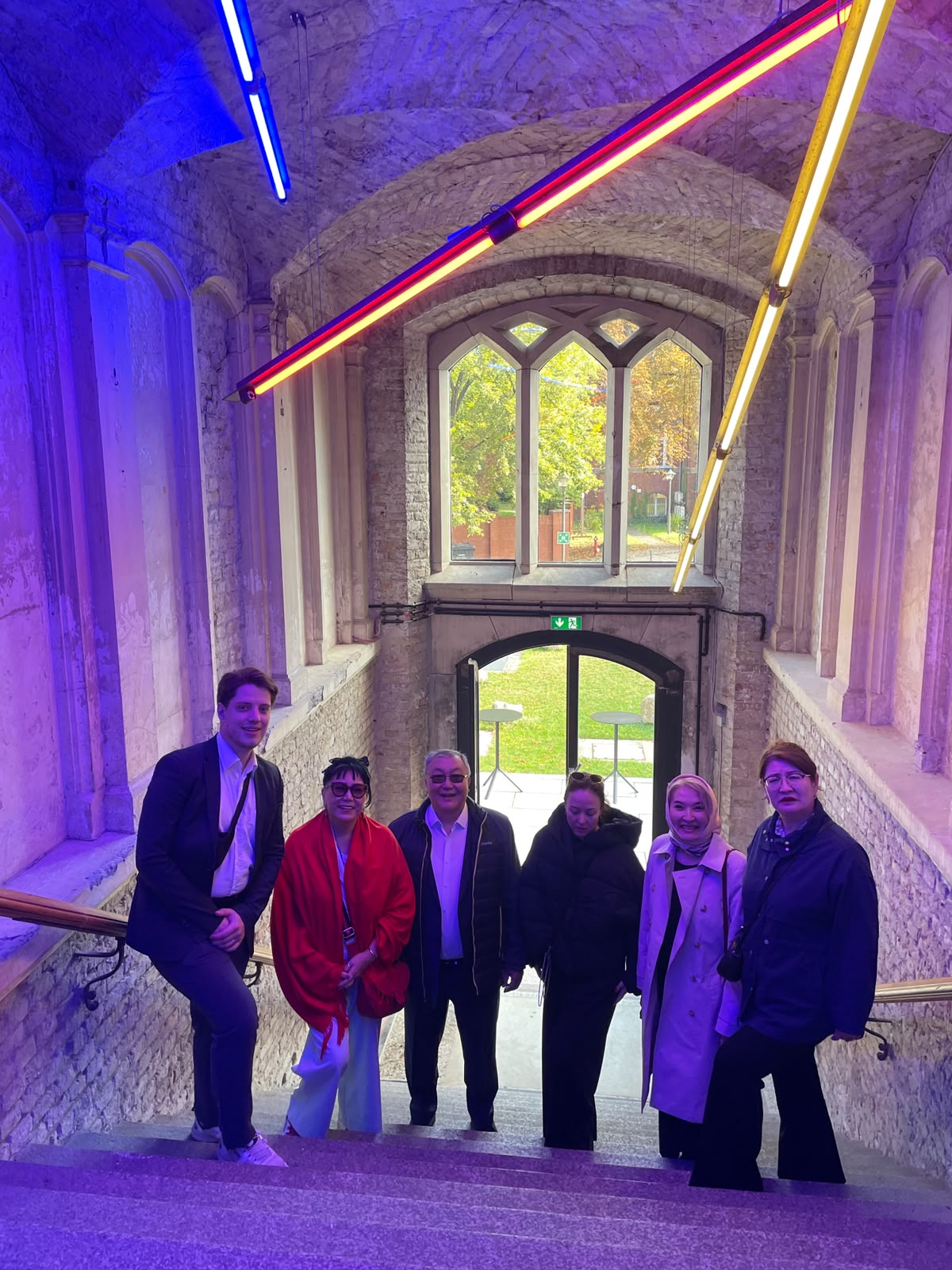
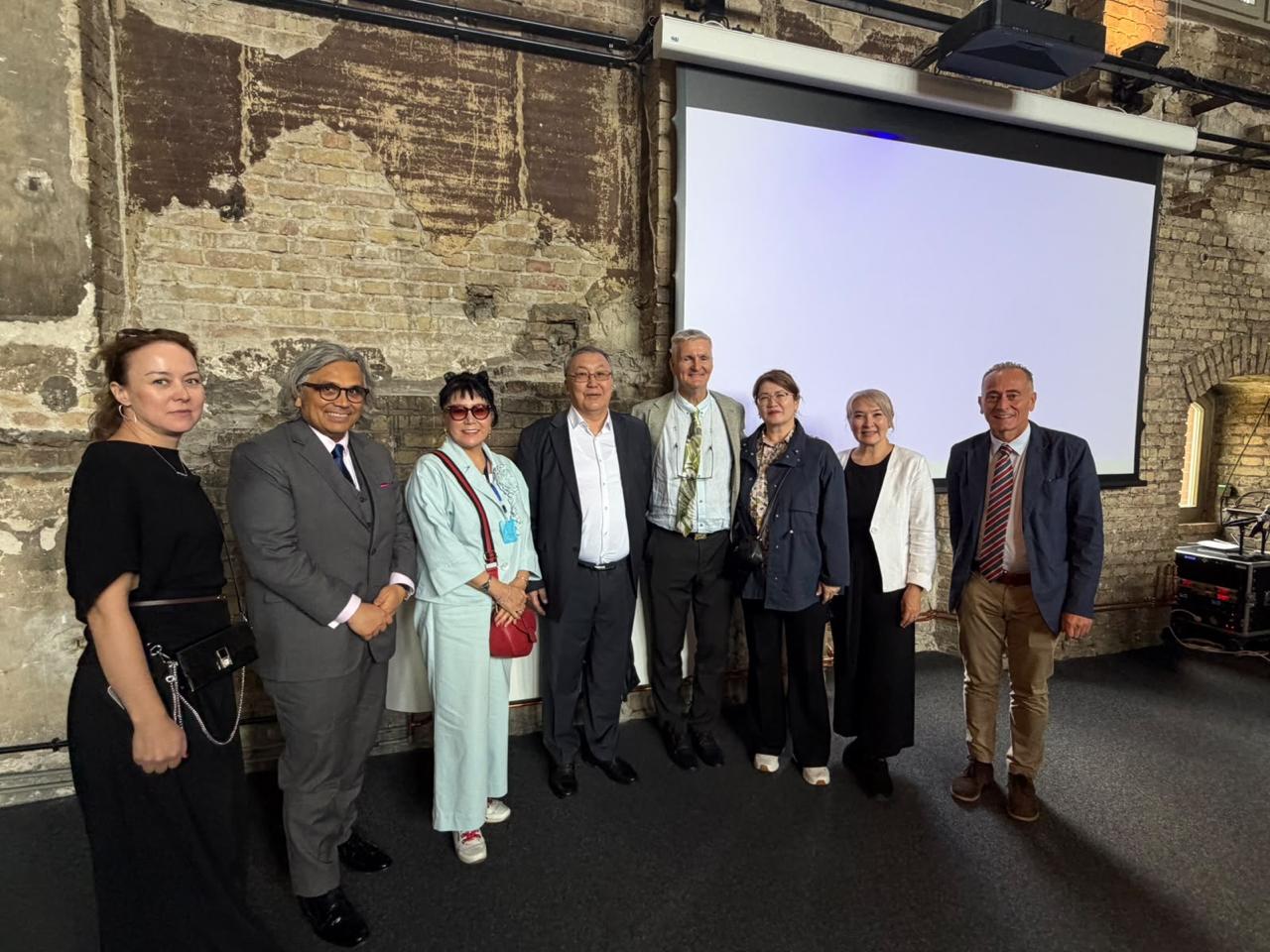
Kazakhstan was represented by a delegation of distinguished neurologists, including Professor Yerkyn S. Nurguzhayev, President of the Association of Neurologists of the Republic of Kazakhstan, and Professor Saule T. Turuspekova, Head of the Department of Nervous Diseases at Asfendiyarov Kazakh National Medical University (KazNMU); Professor Laura Y. Yeszhanova, Head of the Department of Neurology at Astana Medical University; and A.S. Kudaybergenova representing the Kazakh-Russian Medical University (KRMU).
The symposium brought together specialists and delegations from Germany, Italy, Poland, Austria, Ukraine, Vietnam, Egypt, Uzbekistan, Azerbaijan, Turkmenistan, Thailand, the Philippines, and Kazakhstan. Such broad international participation highlighted the global nature of the meeting and its importance as a platform for scientific exchange and professional collaboration in the field of stroke.
Charité: A Landmark in the History of Neurology
Holding the symposium at Charité gave the event particular historical and professional significance.
Charité has long been recognized as one of the most influential centers in the development of clinical neurology worldwide. During the nineteenth and twentieth centuries, the institution played a pivotal role in shaping neurological science, advancing clinical diagnostic methods, and developing concepts that significantly influenced the evolution of modern medicine.
The history of Charité is closely associated with many outstanding representatives of the neurological school whose work became part of the foundation of modern medicine. Among them were Moritz Heinrich Romberg, Carl Westphal, and Hermann Oppenheim, whose names remain familiar to neurologists worldwide through neurological signs, diseases, syndromes, and anatomical structures bearing their names.
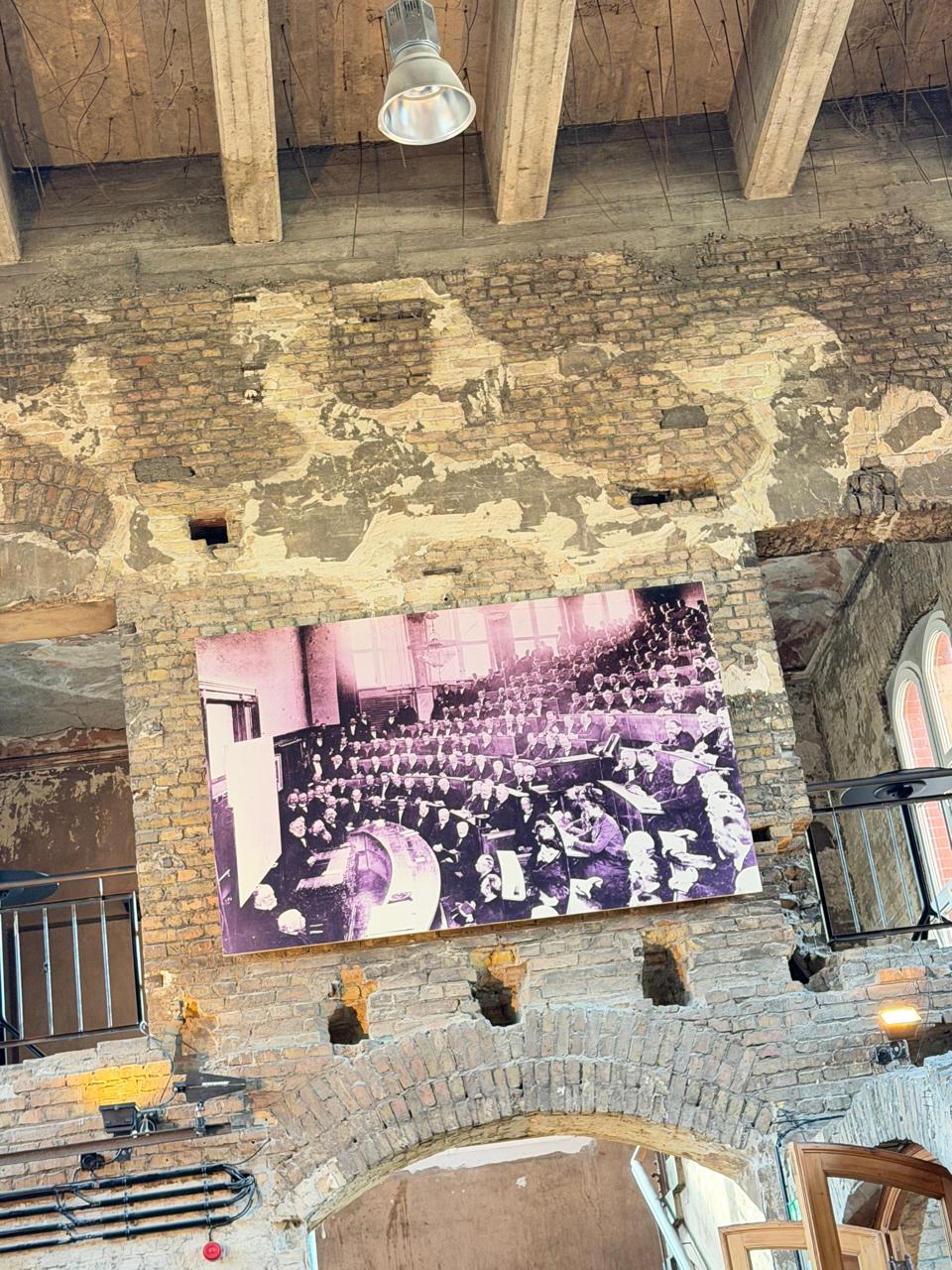
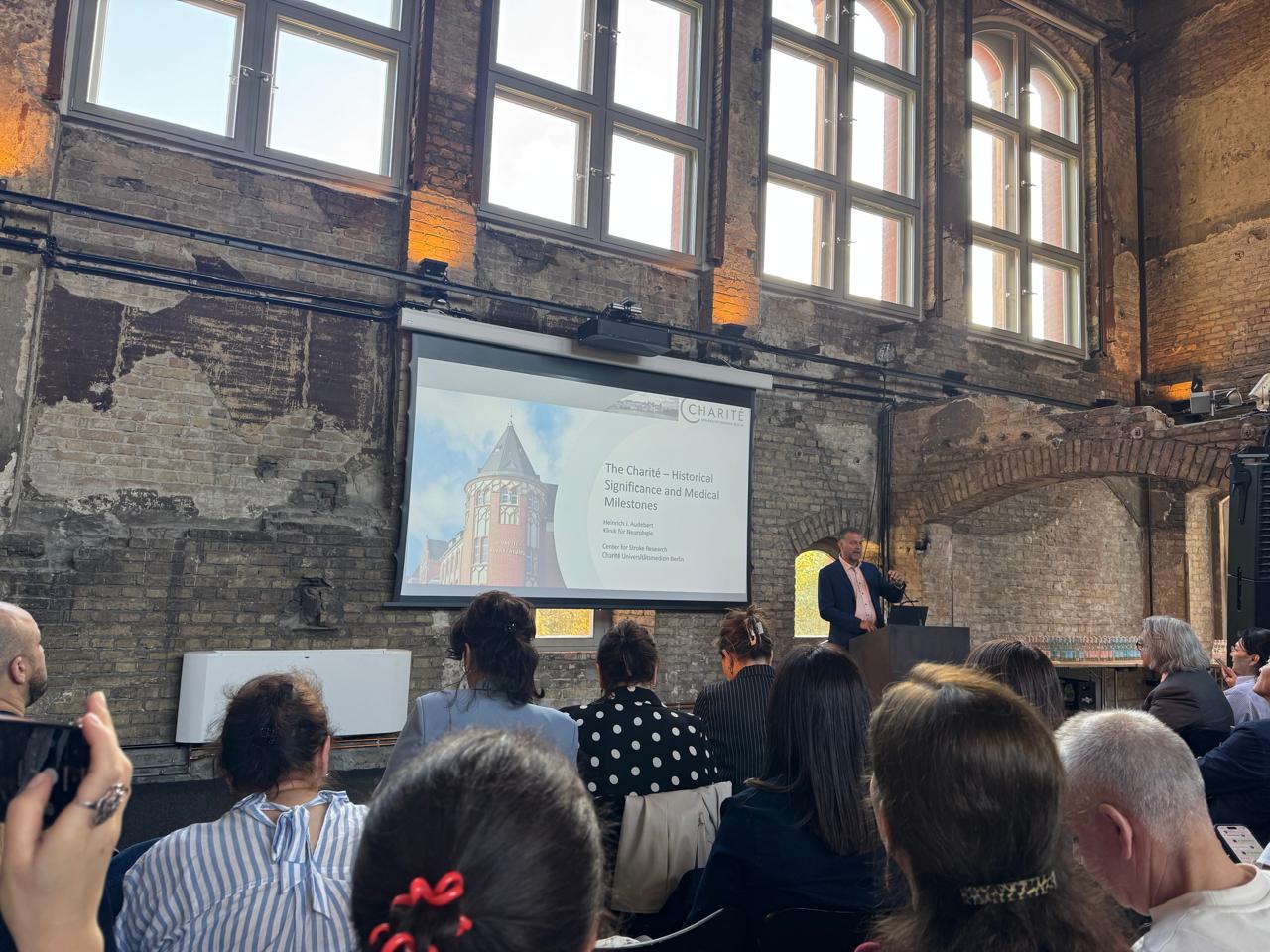
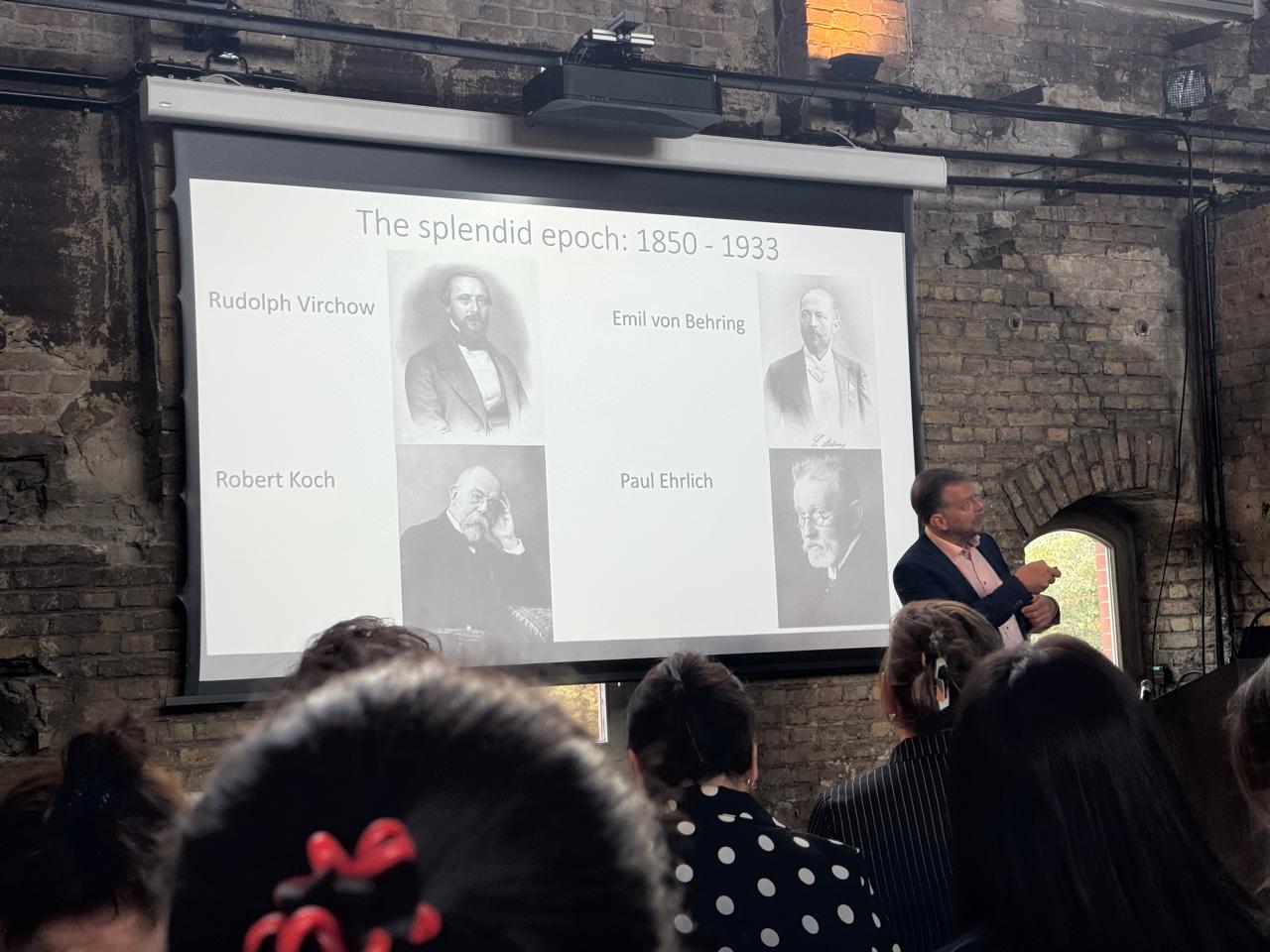
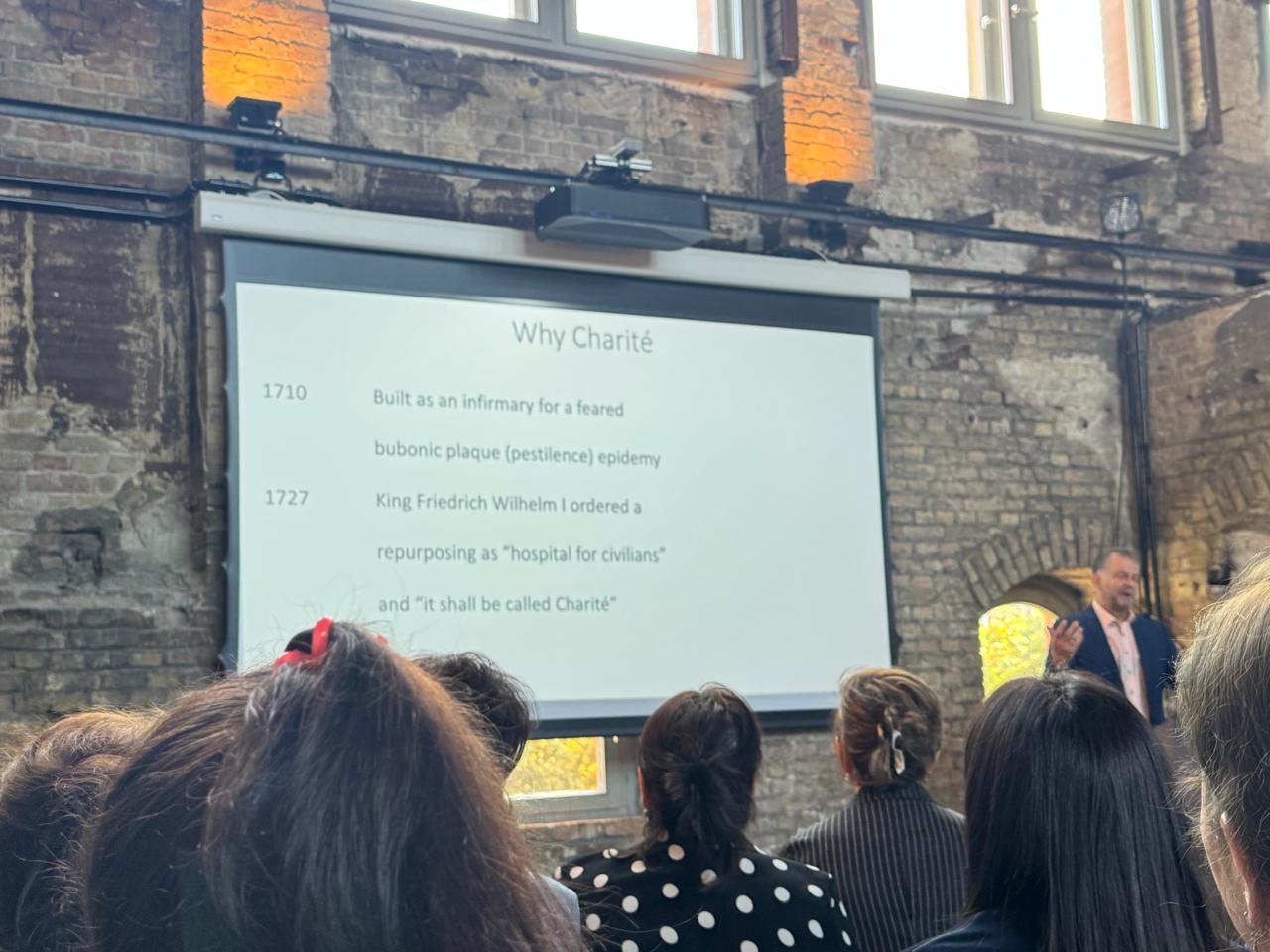
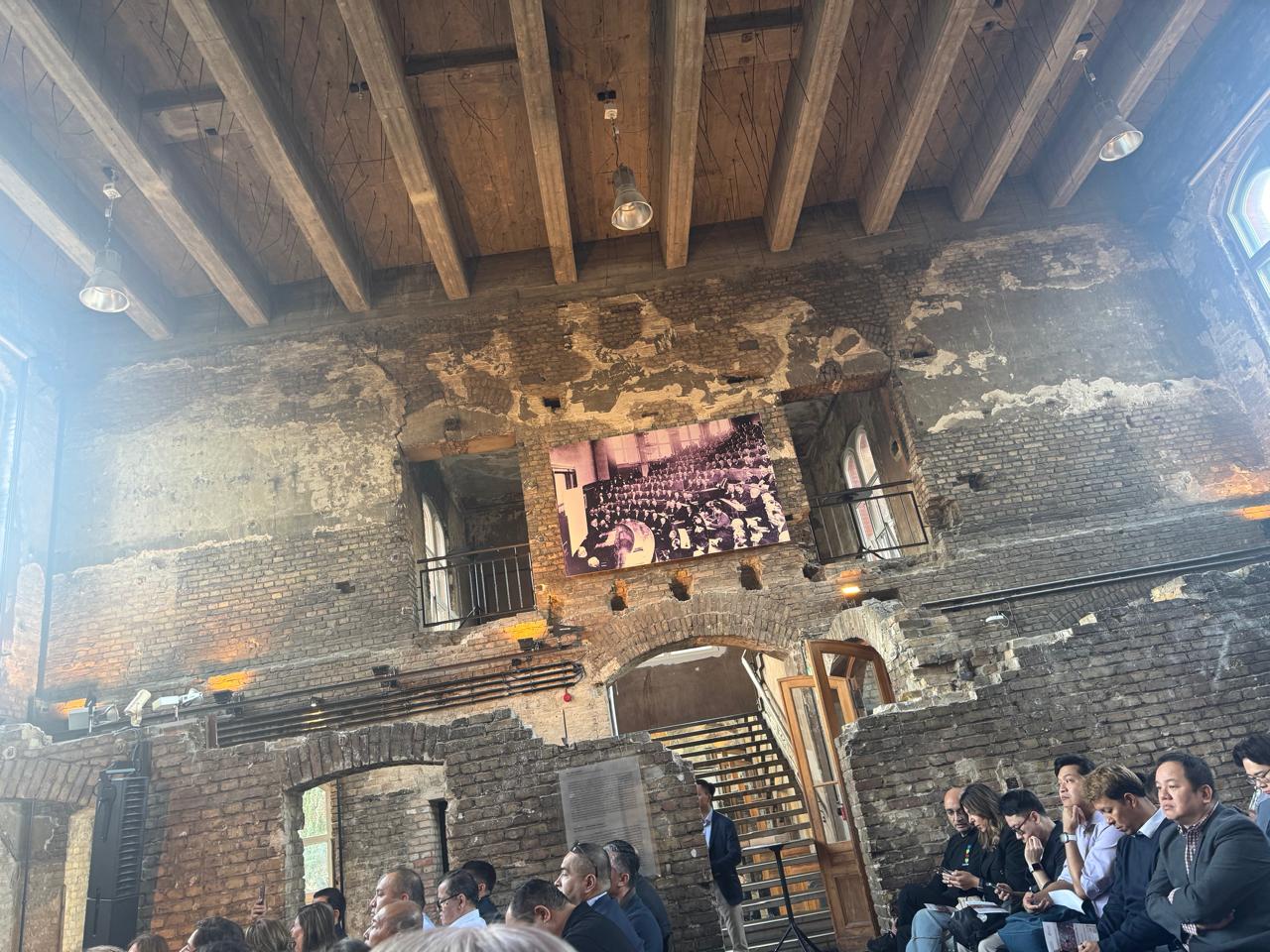
A particularly symbolic moment of the symposium was a lecture delivered in the historic Hörsaalruine lecture hall of Charité. Over the years, this auditorium hosted lectures by some of Europe’s most prominent medical scientists, including Rudolf Virchow, often referred to as the “father of modern pathology” and one of the most influential professors in the history of the institution. The history of Charité, its contribution to medical progress, and its scientific traditions were presented by Heinrich Audebert (Germany).
The symposium therefore offered participants a unique opportunity not only to discuss the latest advances in stroke medicine but also to experience firsthand the environment in which the foundations of modern clinical neurology were established.
From History to the Technologies of the Future
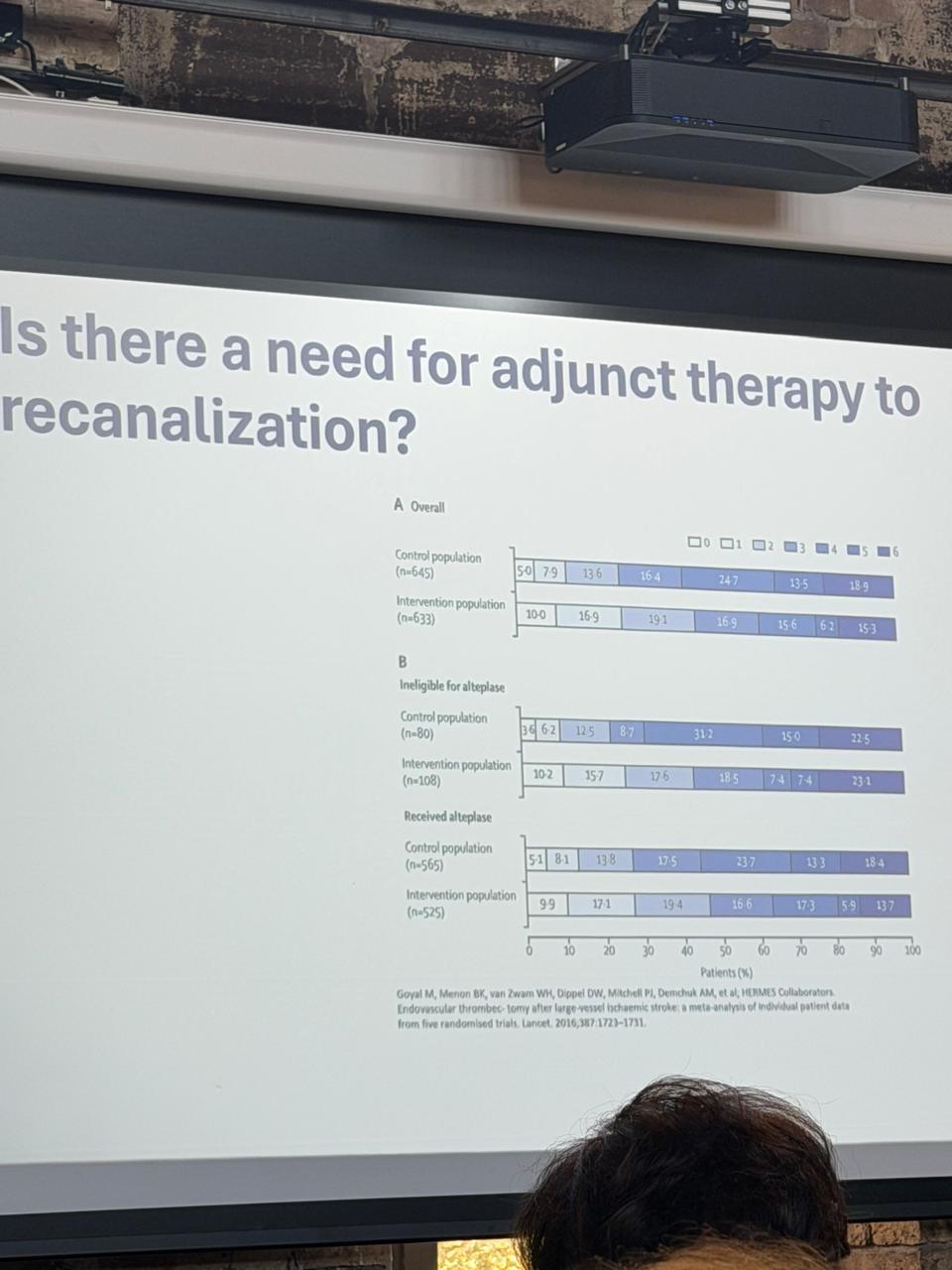
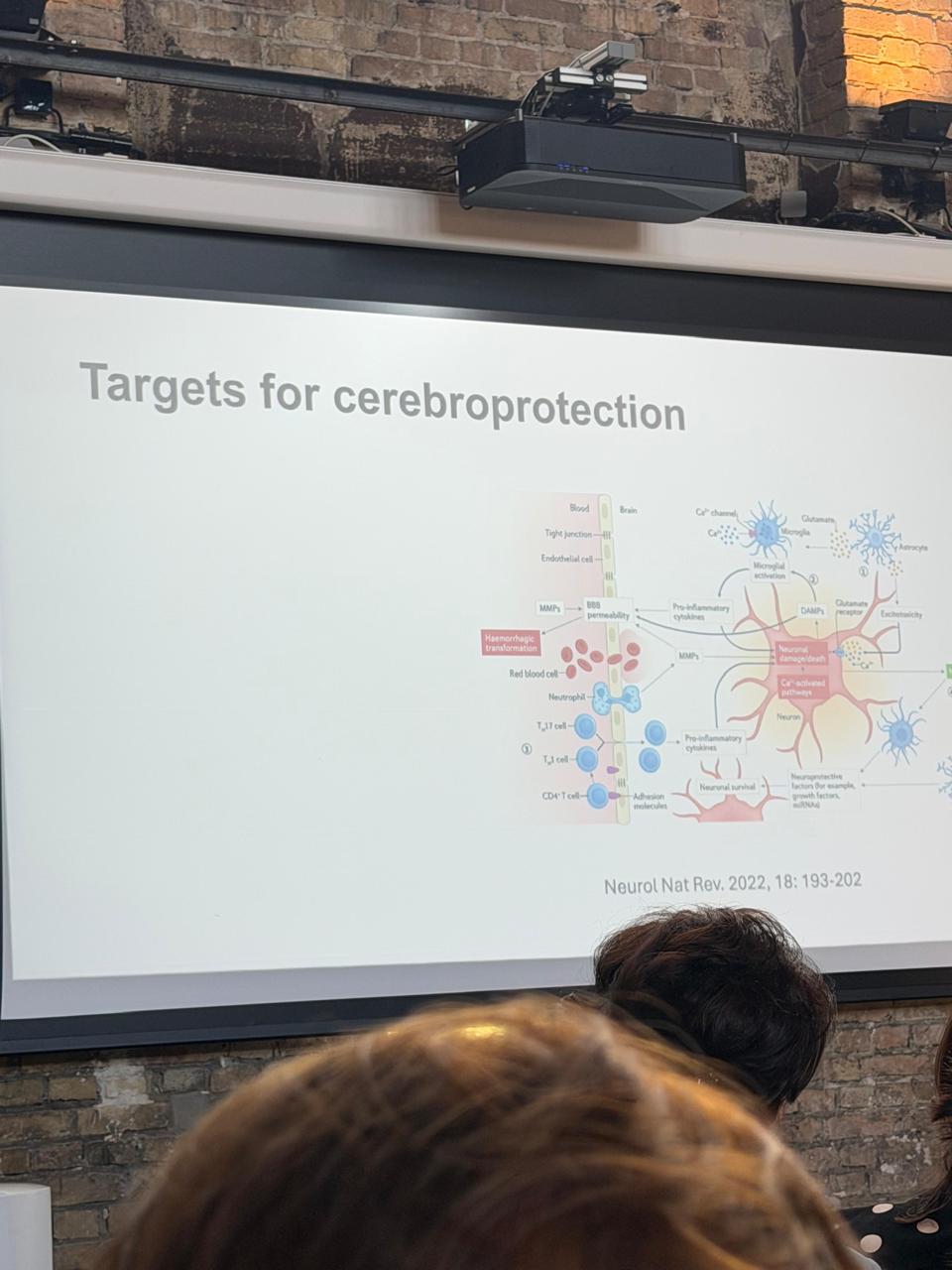
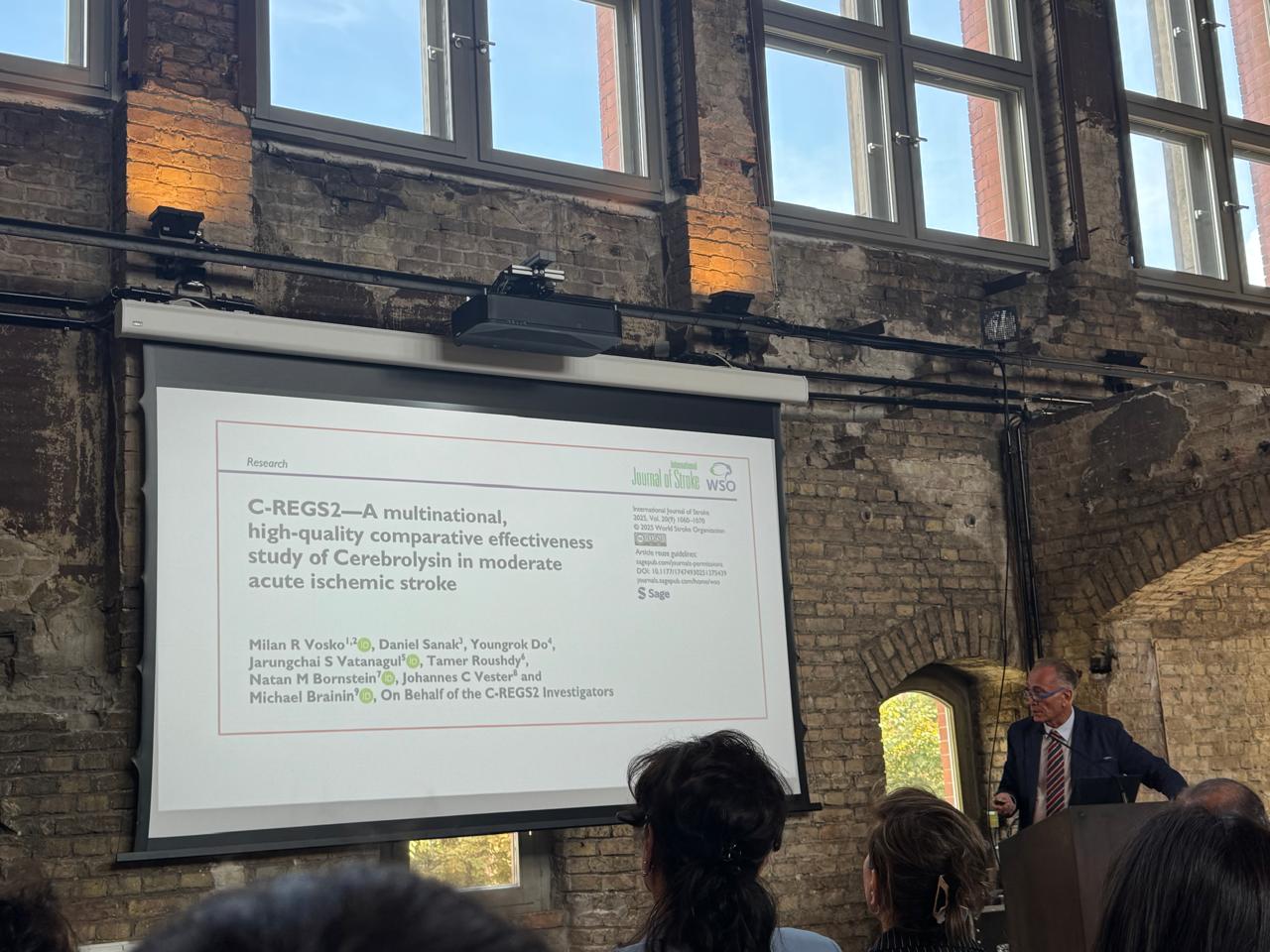
The scientific program focused on contemporary approaches to stroke treatment and current strategies in neuroprotection.
Adam Kobayashi (Poland) and Leonardo Pantoni (Italy) presented new scientific data on modern approaches and future perspectives in cerebral protection in stroke.
The discussions successfully integrated historical experience with modern scientific concepts, allowing participants to trace the evolution of stroke medicine—from foundational clinical observations and early neurological theories to contemporary international research and advanced therapeutic technologies.
Kazakhstan in the International Scientific Community
A key topic of the meeting was the discussion of future opportunities for international scientific collaboration involving Kazakhstani specialists.
In particular, participants explored the possibility of involving the Department of Nervous Diseases of Asfendiyarov KazNMU and the Department of Neurology of Astana Medical University in the international CereCAP research project, which already includes research centers from numerous countries worldwide.
Participation in such international scientific initiatives creates new opportunities for knowledge exchange, integration into global research networks, and the further development of evidence-based neurology in the Republic of Kazakhstan.
Dialogue between Generations and Medical Schools
An important part of the visit was a tour of the Museum of the Historic Charité Hospital, where members of the Kazakh delegation became acquainted with the institution’s unique medical heritage, the history of its scientific schools, and the contributions of outstanding physicians to the development of modern medicine.
Today, Charité continues to fulfill its historic mission as a place where medical tradition meets cutting-edge science and where the experience of previous generations serves as the foundation for new research and clinical innovations.
The participation of the Kazakh delegation in the symposium “Medical History Meets Modern Treatment Concepts in Stroke” represented an important milestone for Kazakhstani neurology, strengthening professional and scientific ties between Kazakhstan and leading experts and research centers across Europe and beyond.
The history of Charité and modern science came together in a single lecture hall, uniting medical heritage, international expertise, and contemporary approaches to stroke treatment.