Expert monitoring of the treatment of neuromuscular diseases conducted in Karaganda
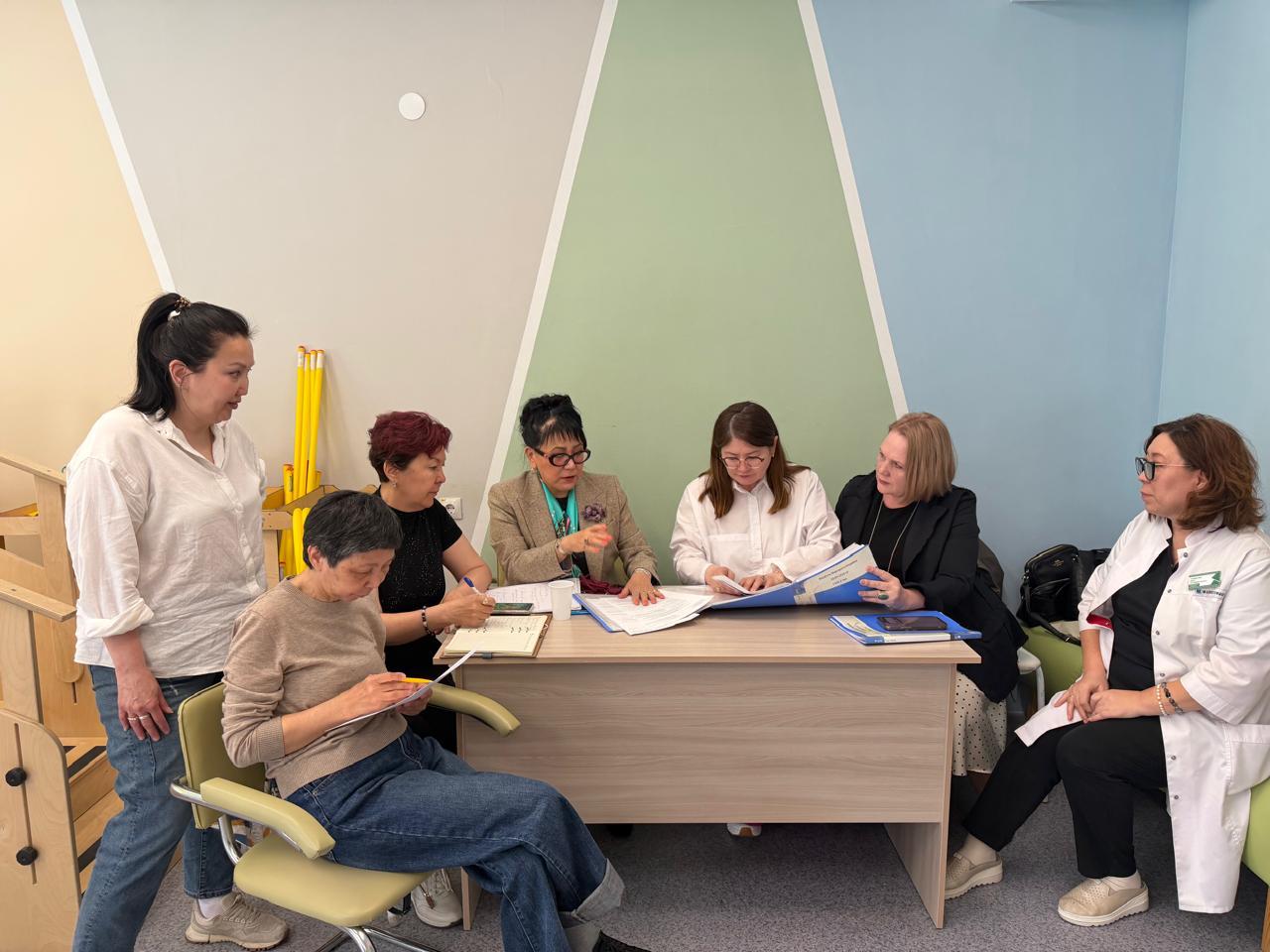
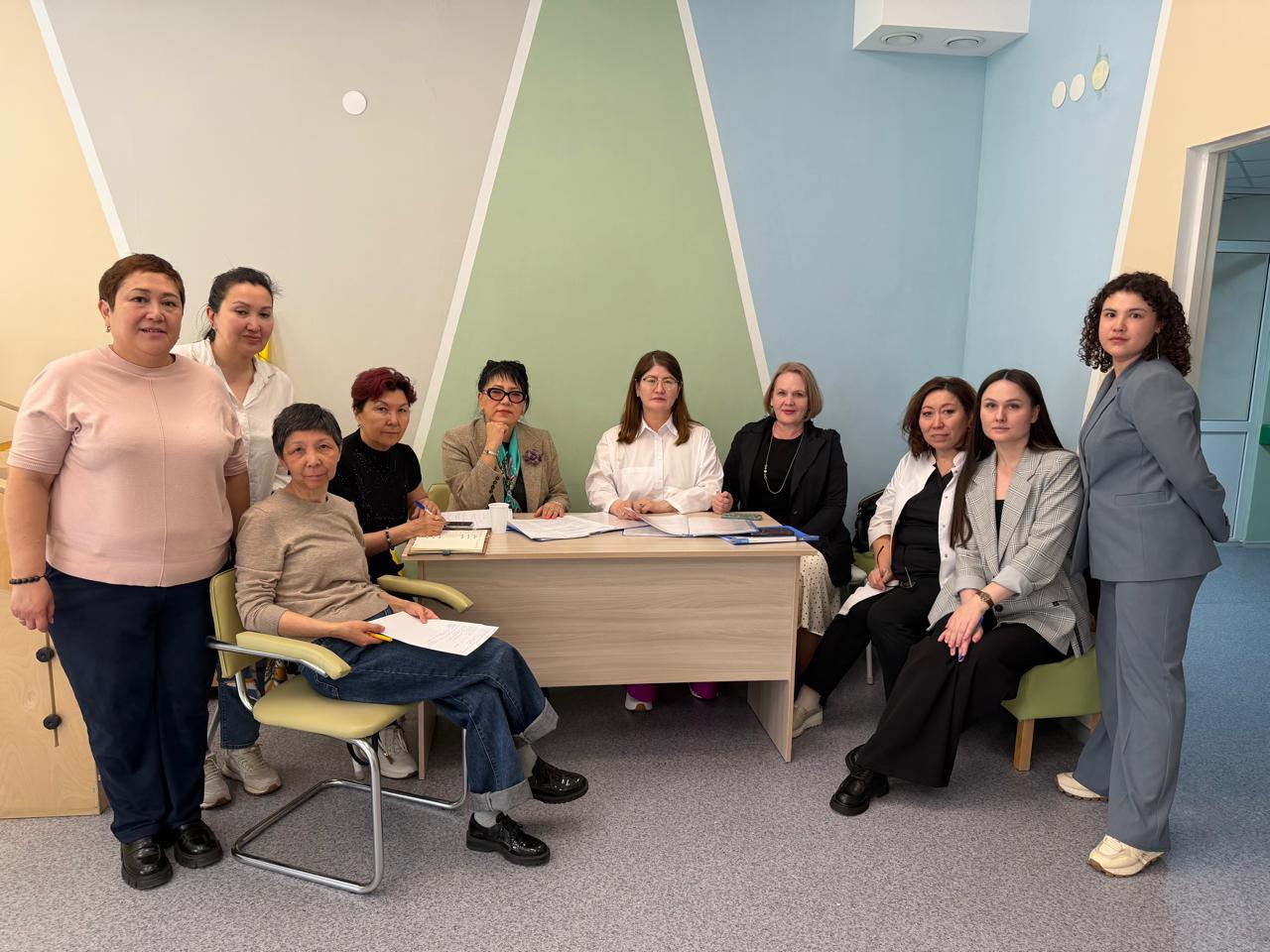
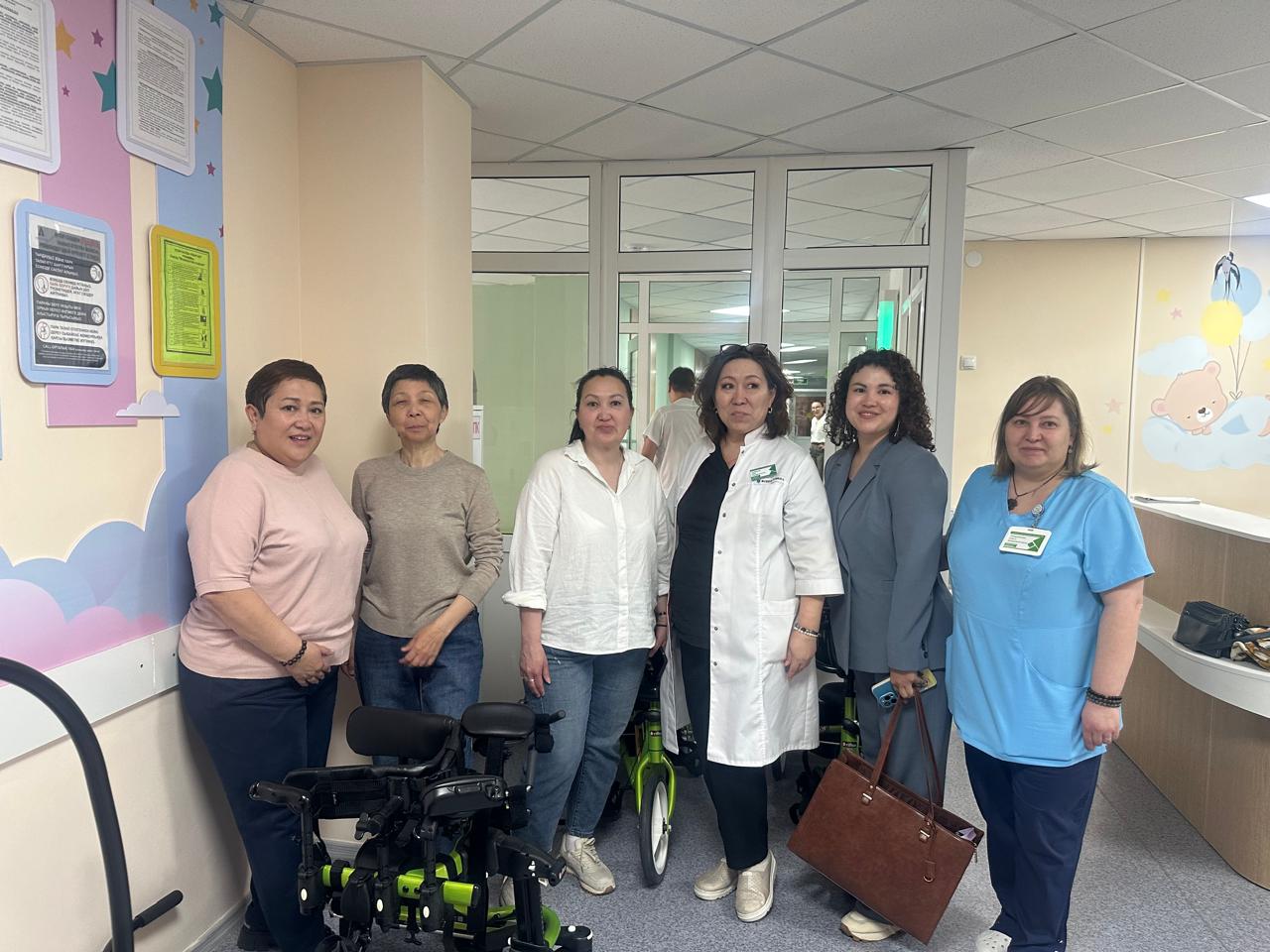
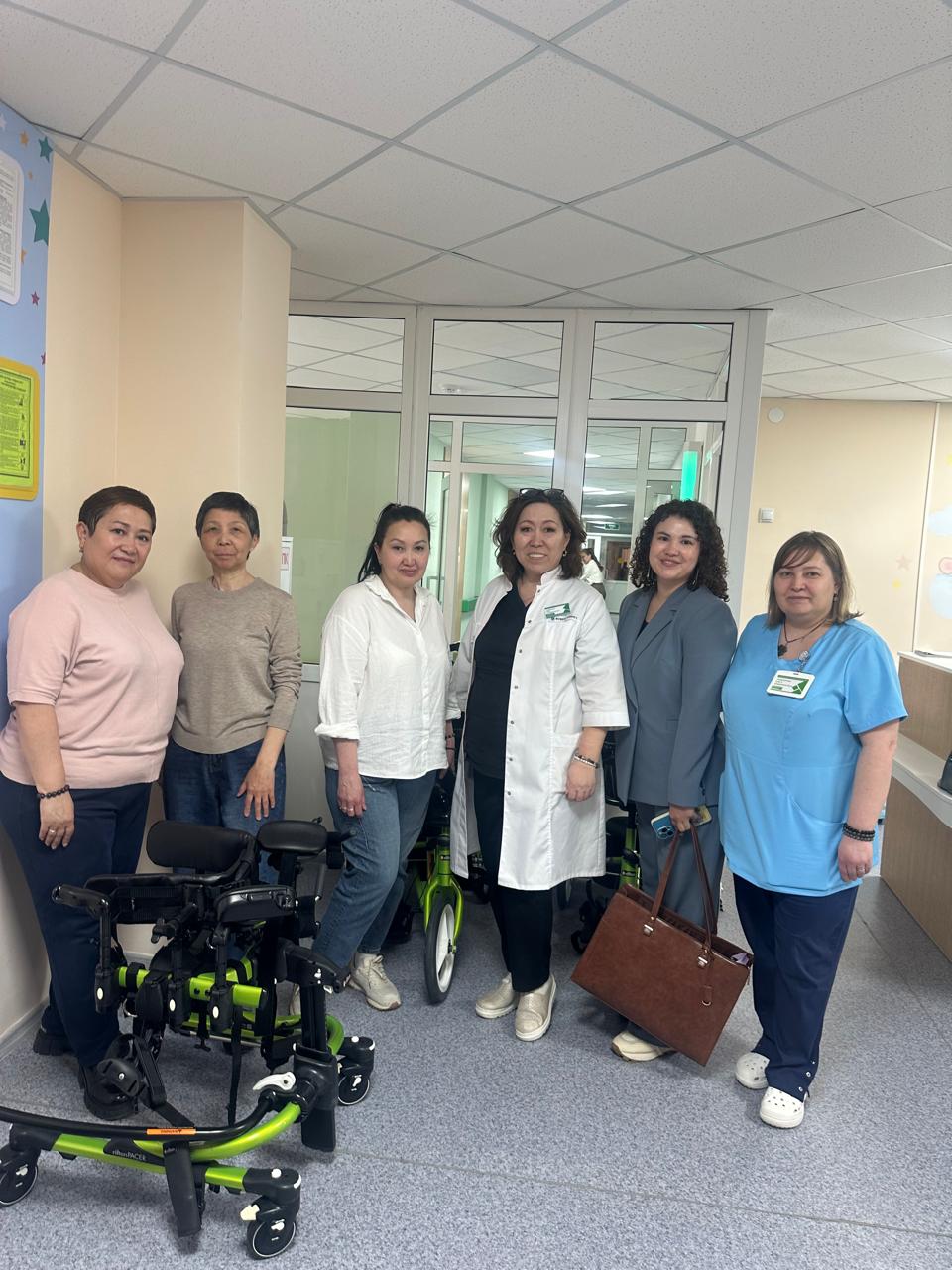
April 28–29, in Karaganda, on the basis of the Multidisciplinary Regional Children’s Hospital (83 Shakhterov Avenue) and the Regional Clinical Hospital (41/43 Yerubaeva Street), an expert group carried out work to monitor the effectiveness of treatment of patients with neuromuscular diseases (NMD).
The main goal of the event was a comprehensive assessment of the effectiveness of the use of medications in patients with NMD. The initiative is aimed at improving the quality of medical care, ensuring the clinical effectiveness of therapy, introducing a personalized approach to patient management, as well as identifying systemic problems in the organization of care.
KazNMU named after S. D. Asfendiyarov was represented by the Deputy Chair of the working group, Doctor of Medical Sciences, Head of the Department of Nervous Diseases, Chief Freelance Adult Neurologist of the Ministry of Health of the Republic of Kazakhstan Turuspekova S.T.
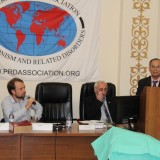
Leading specialists at the republican level took part in the work: Chief Expert of the Department of Medical Care for Socially Significant Diseases of the Ministry of Health of the Republic of Kazakhstan Tumabekova Zh.A.; Professor of the Department of Pediatric Anesthesiology, Intensive Care and Emergency Care of NJSC “Astana Medical University”, Chief Freelance Specialist in Pediatric Palliative Care of the Ministry of Health of the Republic of Kazakhstan Maltabarova N.A.; Deputy Chairman of the Board for Medical Affairs of JSC “National Center for Children’s Rehabilitation”, Chief Freelance Pediatric Rehabilitation Specialist of the Ministry of Health of the Republic of Kazakhstan Altynbekova A.T.; Head of the Department of Neurology of NJSC “Astana Medical University” Eszhanova L.E.; Head of the Center for Autoimmune Diseases of the Nervous System and Multiple Sclerosis of the Regional Clinical Hospital of the Karaganda Region, Coordinator for Orphan Diseases of the Region Evstafyeva N.A.
Also participating were Ospanova L.T.—Deputy Head of the “Health Department of the Karaganda Region”, as well as Chief Freelance Pediatric Neurologist of the Health Department of the Karaganda Region Tlemisova D.S.
As part of the work, an individual review of each clinical case was carried out, taking into account comorbidities and other factors. The key principle of the work was objective monitoring based on international criteria, including genetic confirmation of the diagnosis, assessment of motor functions using the HFMSE, CHOP INTEND, and RULM scales, analysis of respiratory and nutritional status, evaluation of adherence to therapy, and the dynamics of patients’ conditions. Special attention was paid to the somatic status of patients, including the assessment of the endocrine, hepatobiliary, and cardiovascular systems, as well as issues of orthopedic support.
The Health Department of the Karaganda Region expresses gratitude to the members of the expert group for the work carried out. It was noted that this format of interaction made it possible to gain a deeper understanding of the current problems in providing care to patients with neuromuscular diseases, identify weaknesses in the organization of medical care, and outline ways for its further improvement.
The work carried out will improve the effectiveness of therapy for patients with neuromuscular diseases and will contribute to the further development of the system of specialized medical care in the region.