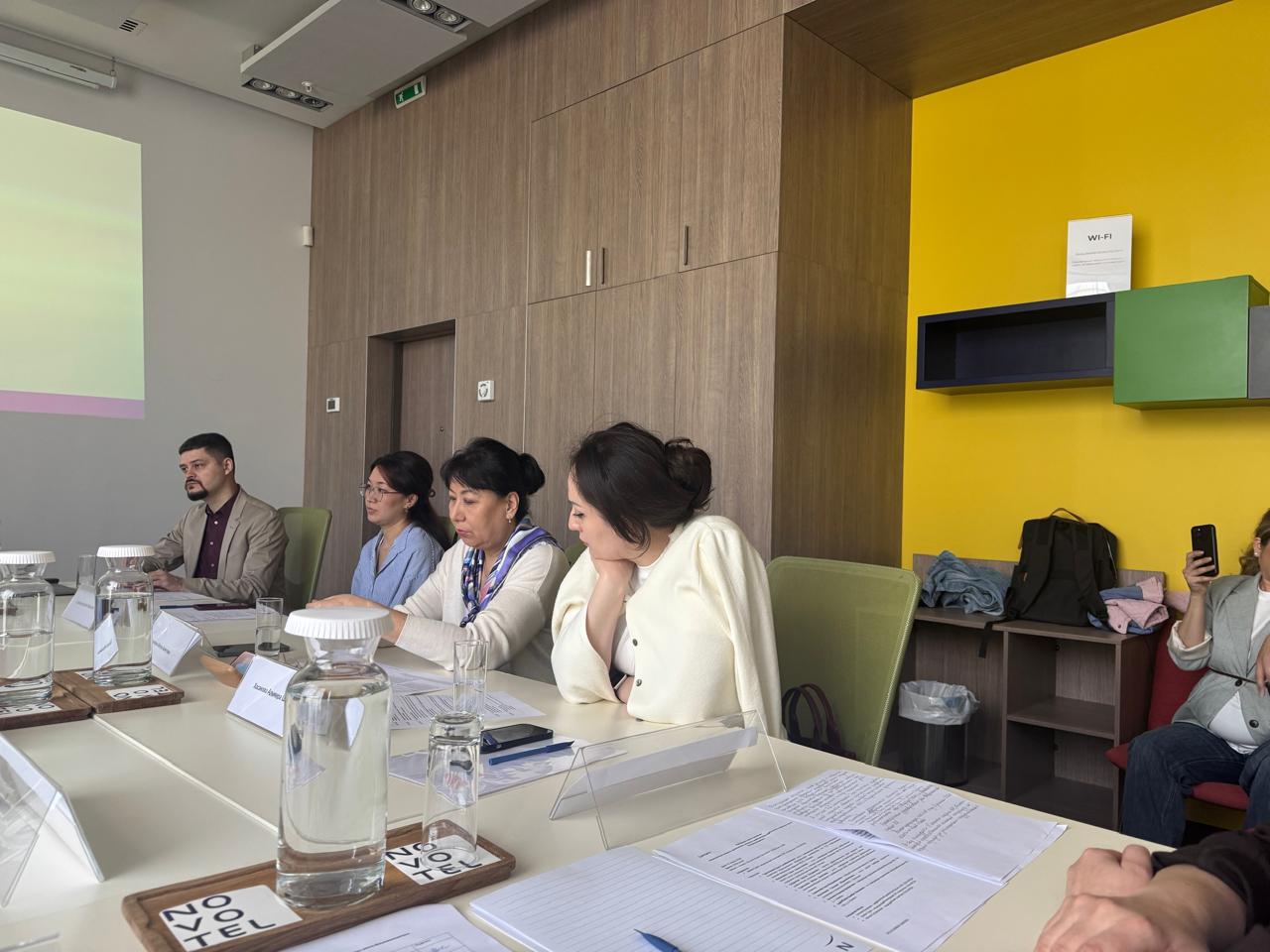
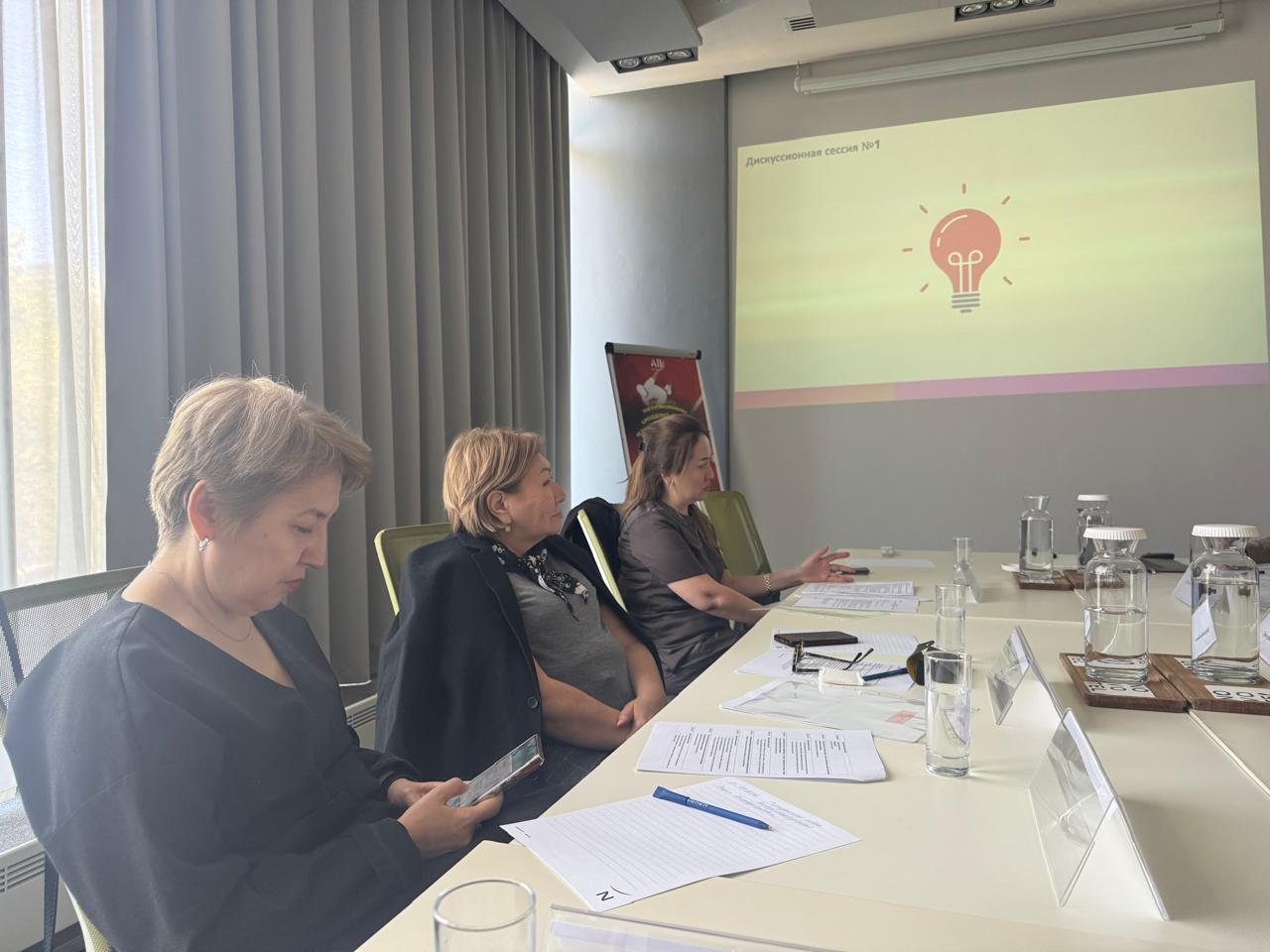
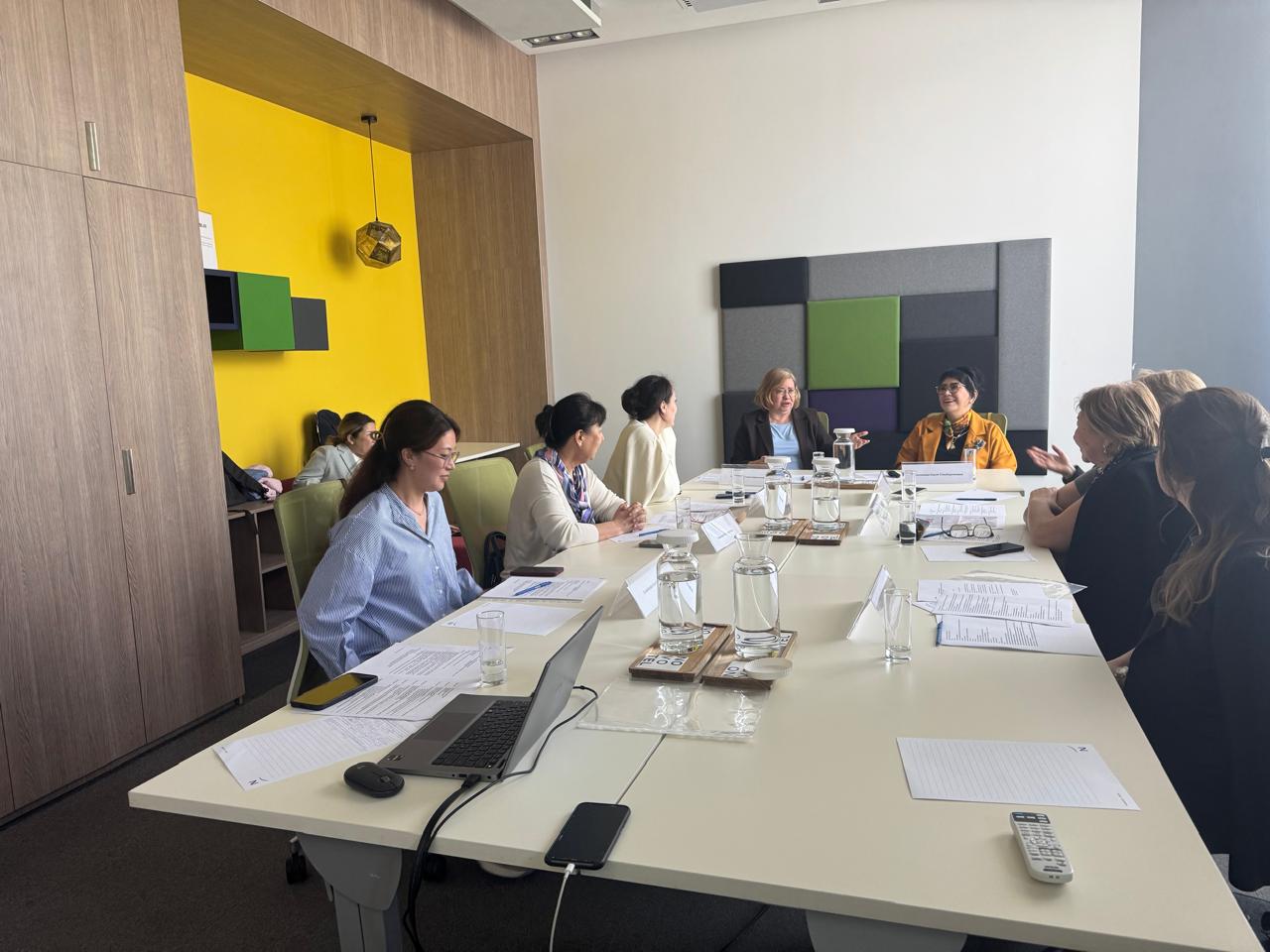
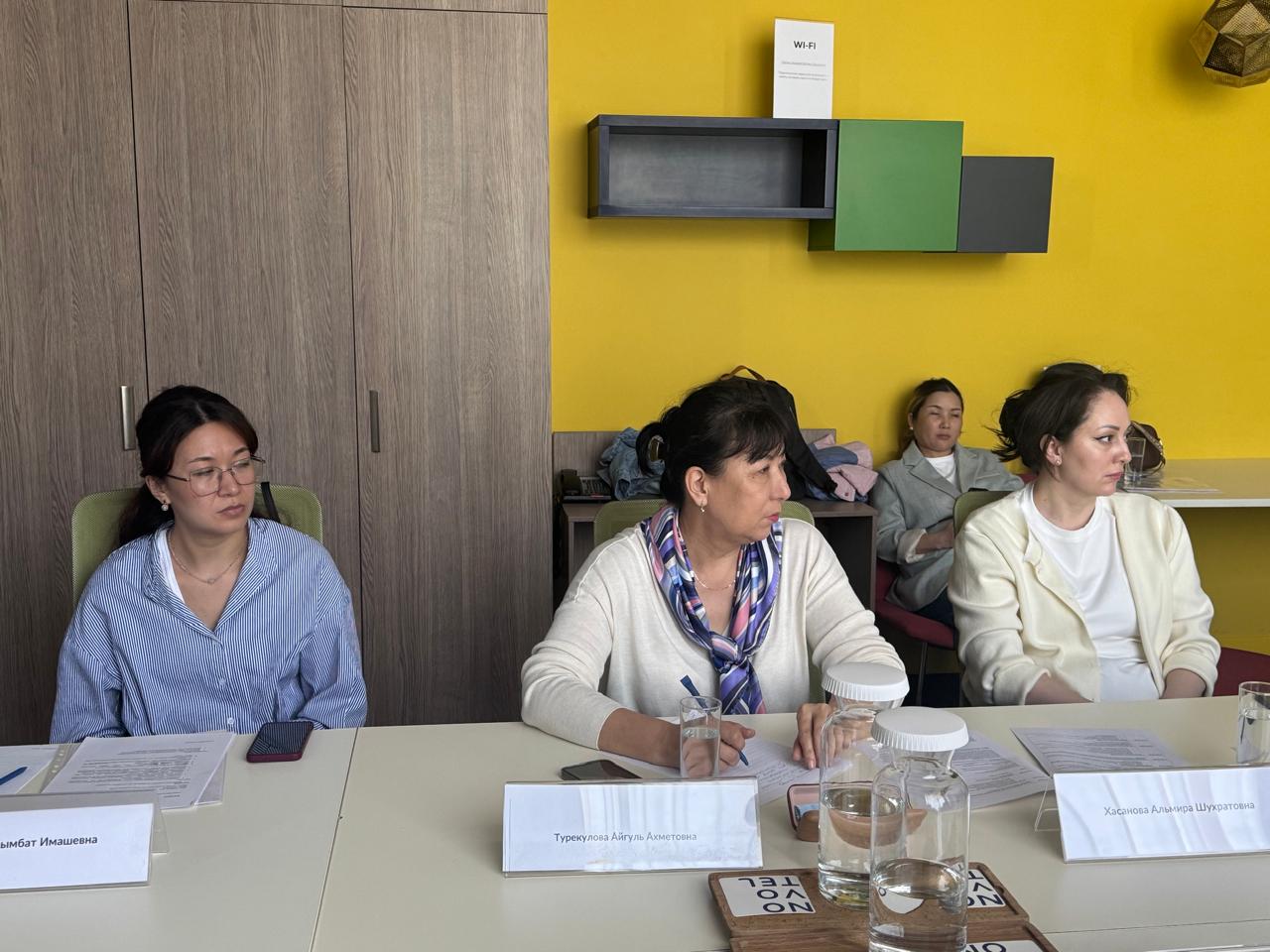
Experts Discussed Modern Approaches to the Diagnosis, Treatment, and Rehabilitation of Spasticity in Adults
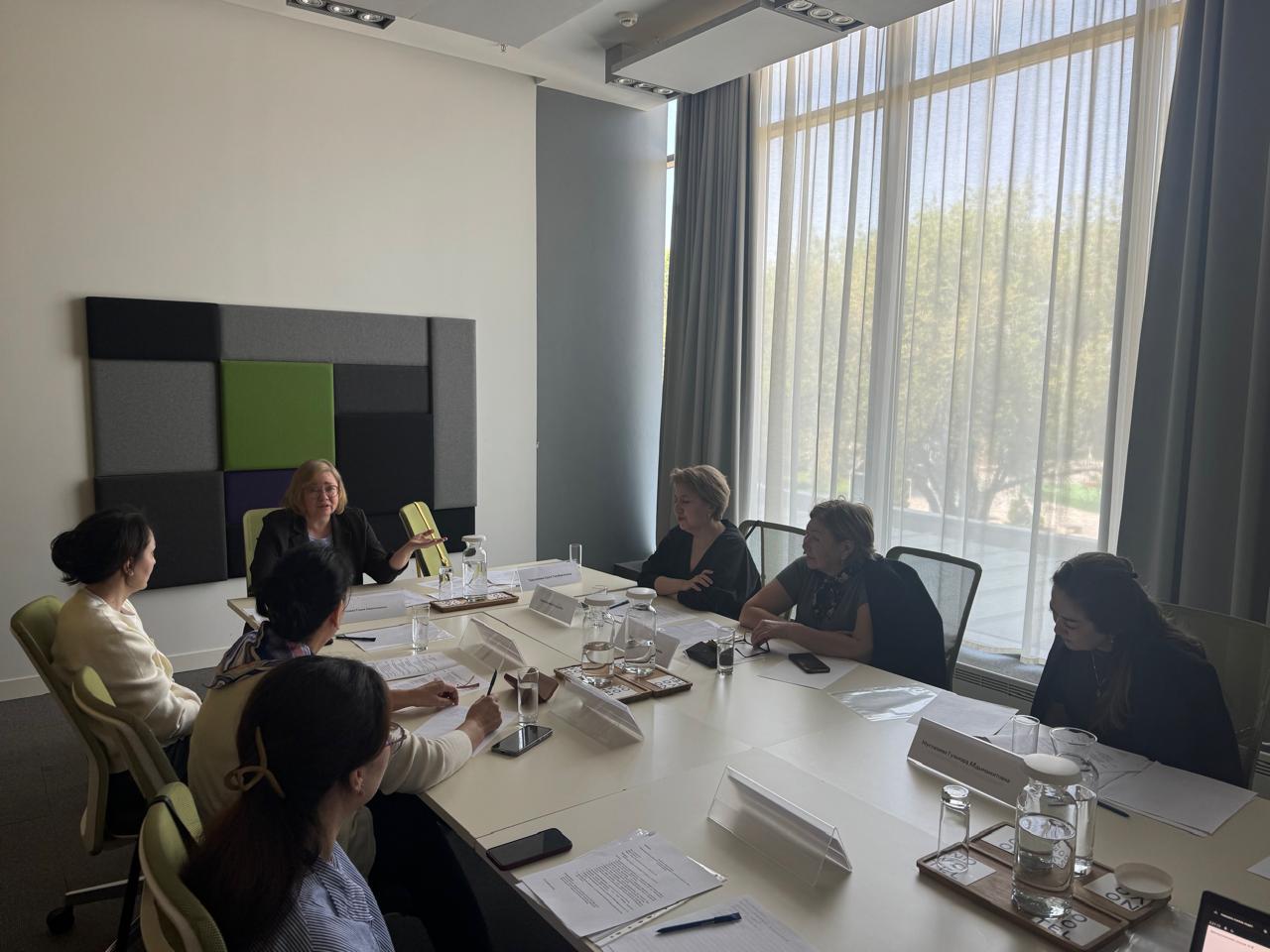
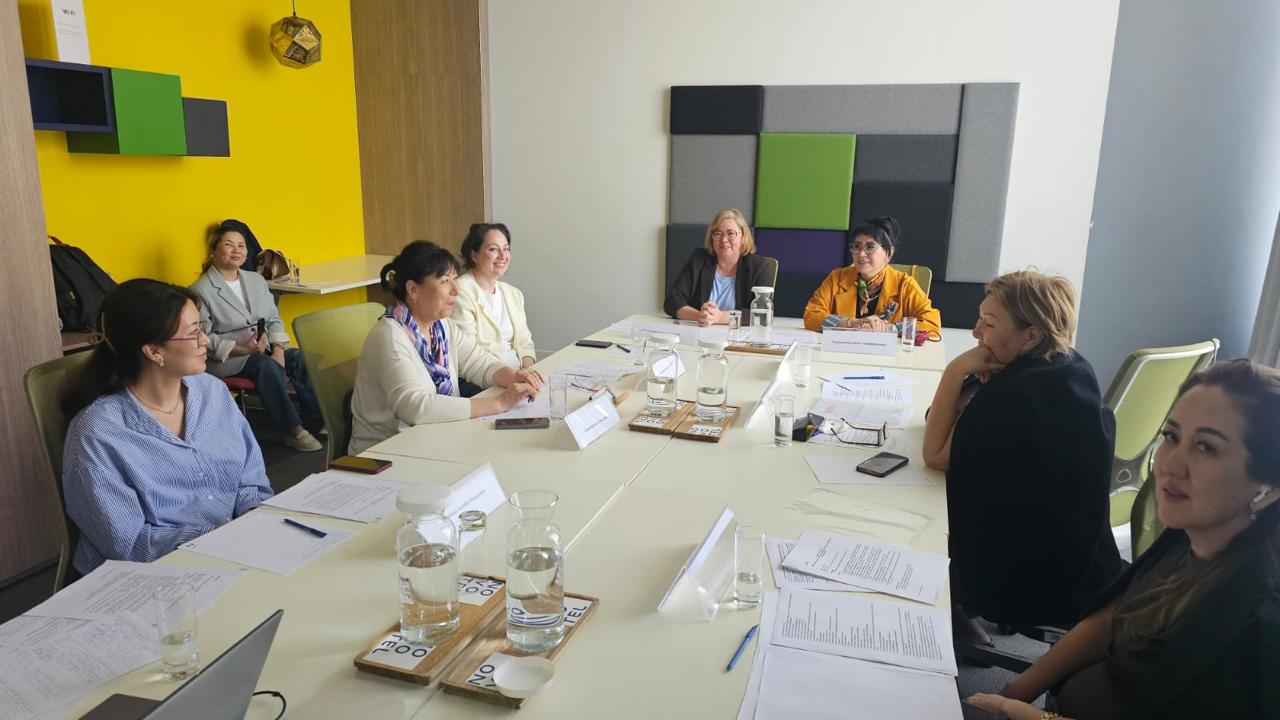
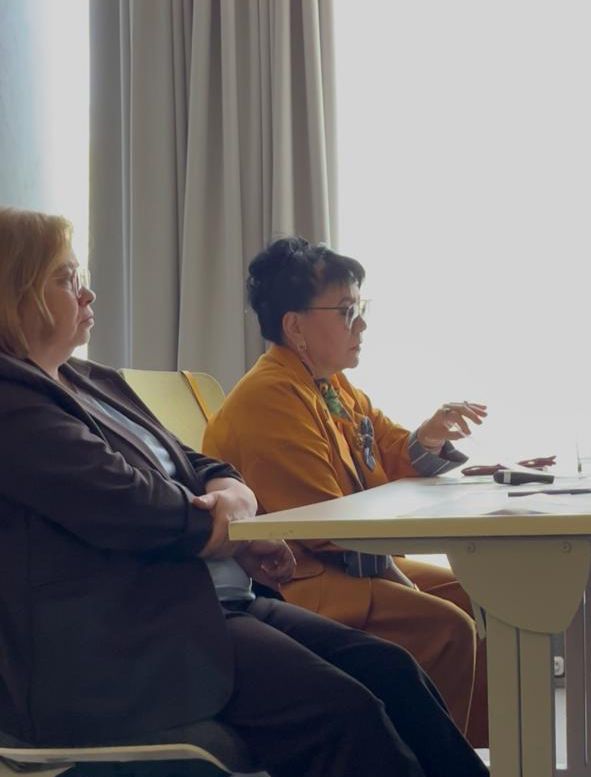
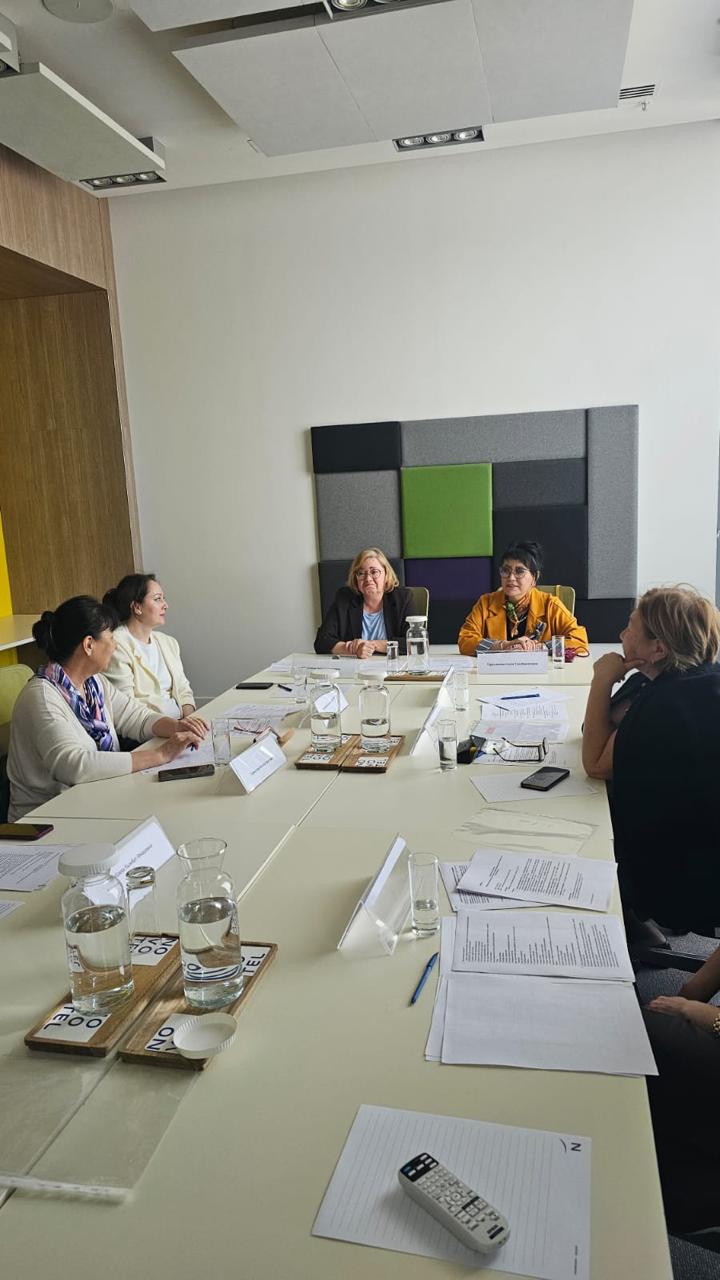
On April 25, 2026, in Almaty, an Expert Council was held on the topic:
“Unresolved Issues in the Diagnosis, Treatment, and Rehabilitation of Spasticity in Adults: The Role of Botulinum Therapy.” The event brought together leading specialists in neurology and medical rehabilitation of the Republic of Kazakhstan to discuss current issues in the management of patients with spasticity, including post-stroke conditions, as well as the role of botulinum therapy in modern clinical practice.
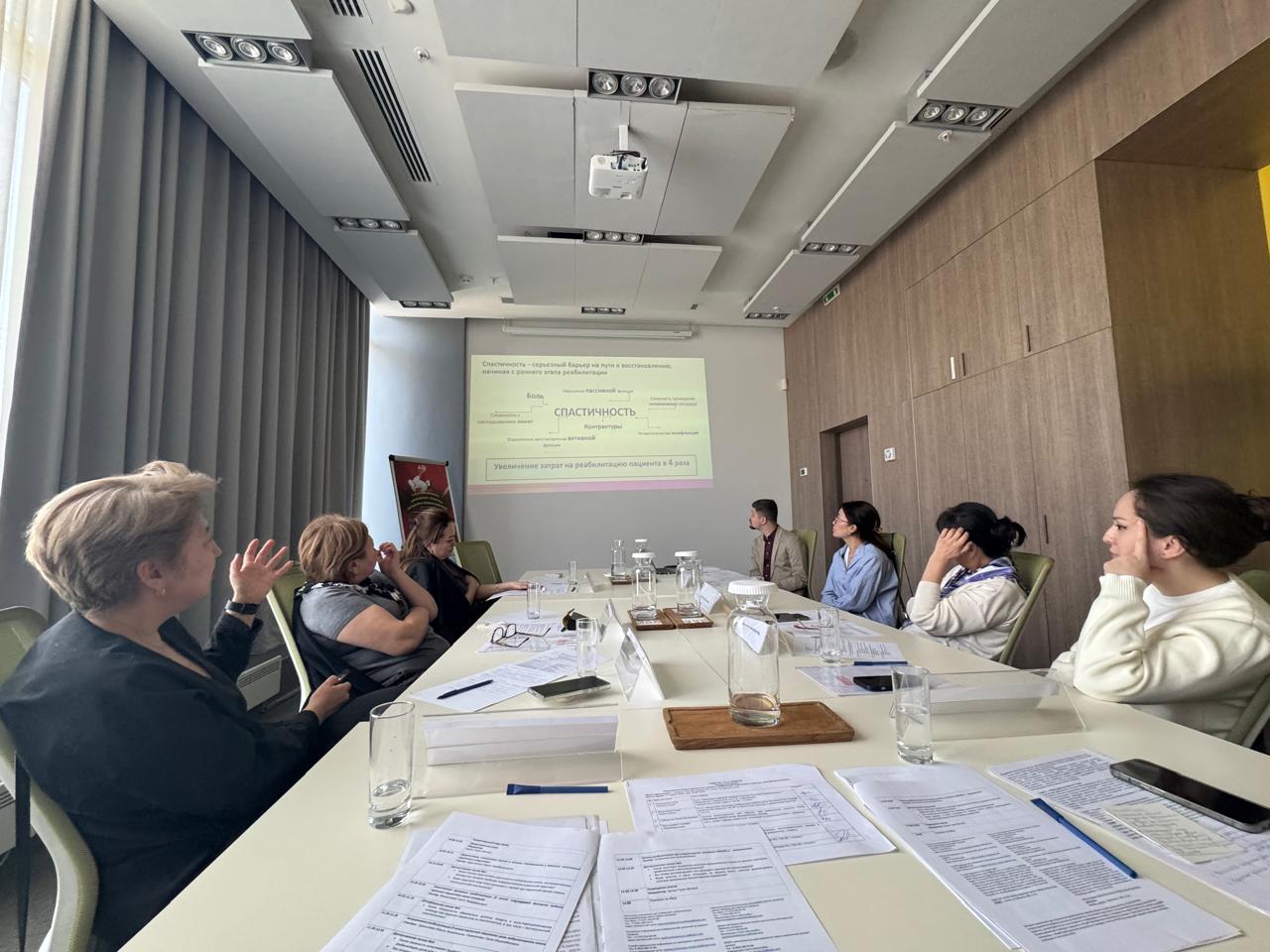
Opening the scientific program, Turuspekova Saule Tleubergenovna, Doctor of Medical Sciences, Head of the Department of Nervous Diseases at Asfendiyarov Kazakh National Medical University, Chief Freelance Neurologist of the Ministry of Health of the Republic of Kazakhstan, delivered a presentation dedicated to standardized approaches to the diagnosis, clinical assessment, and treatment of spasticity in adults. During the discussion, experts emphasized the need for wider use of validated clinical scales and improving the accuracy of the initial assessment of post-stroke spasticity.
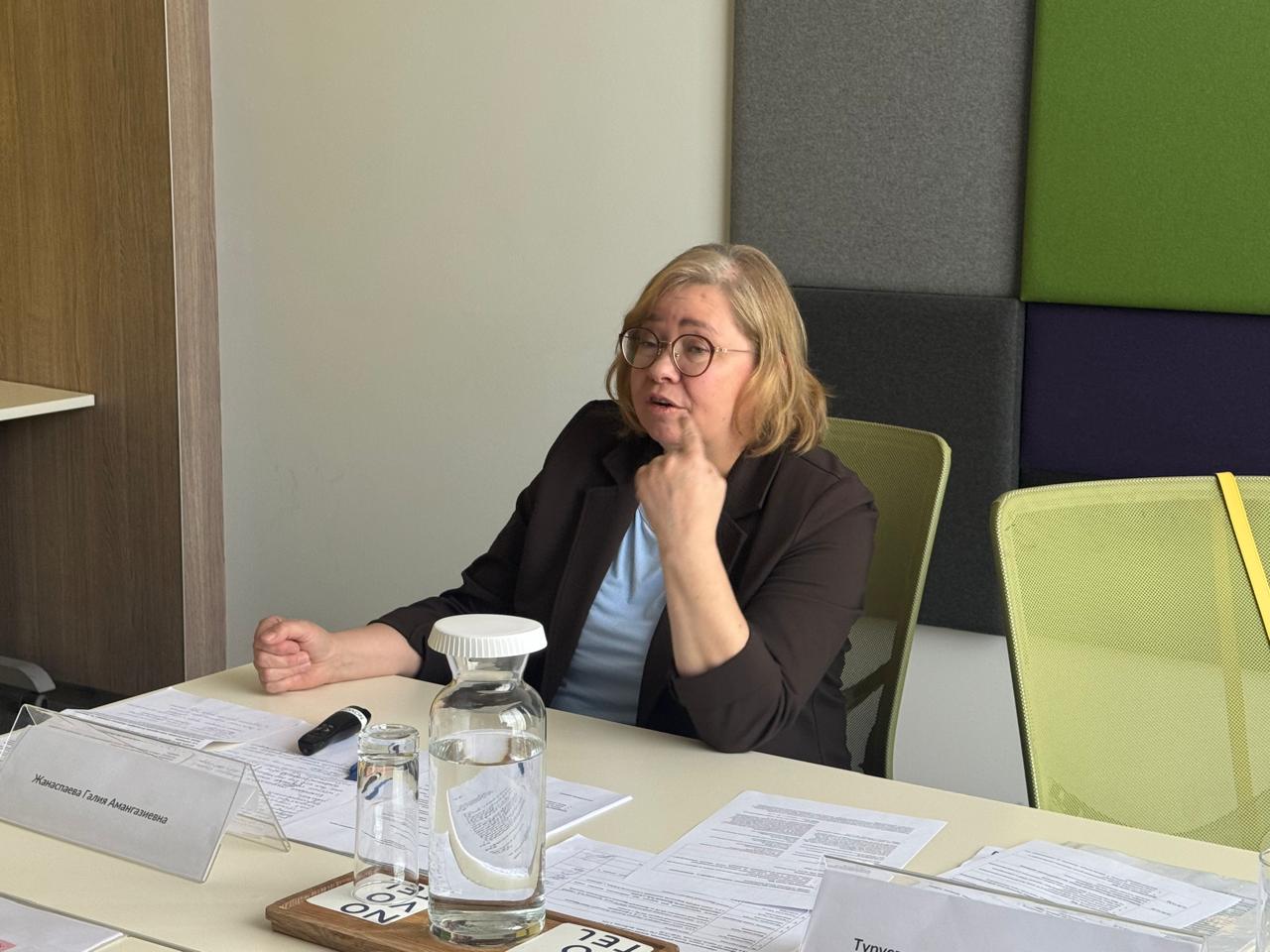
Galiya Amangazievna Zhanaspayeva, Candidate of Medical Sciences, Head of the Rehabilitation Department at the National Scientific Center of Traumatology and Orthopedics named after Academician N.D. Batpenov (Astana), Chief Freelance Specialist of the Ministry of Health of the Republic of Kazakhstan in Physical Medicine and Rehabilitation for adults, highlighted modern principles of the second stage of post-stroke rehabilitation, focusing on the key role of a multidisciplinary approach.
Issues of continuous rehabilitation and the importance of the outpatient stage were presented by Aigul Akhmetovna Turekulova, Doctor of Medical Sciences, Head of the Department of Physiotherapy, Restorative Treatment and Rehabilitation at the Central City Clinical Hospital of Almaty, Chief Freelance Rehabilitation Specialist of Almaty, and Saule Myrzabekovna Sarzhanova, Chief Freelance Neurologist of Almaty. The experts discussed barriers faced by patients and their families in organizing long-term rehabilitation, as well as the need to strengthen continuity between inpatient care and primary healthcare.
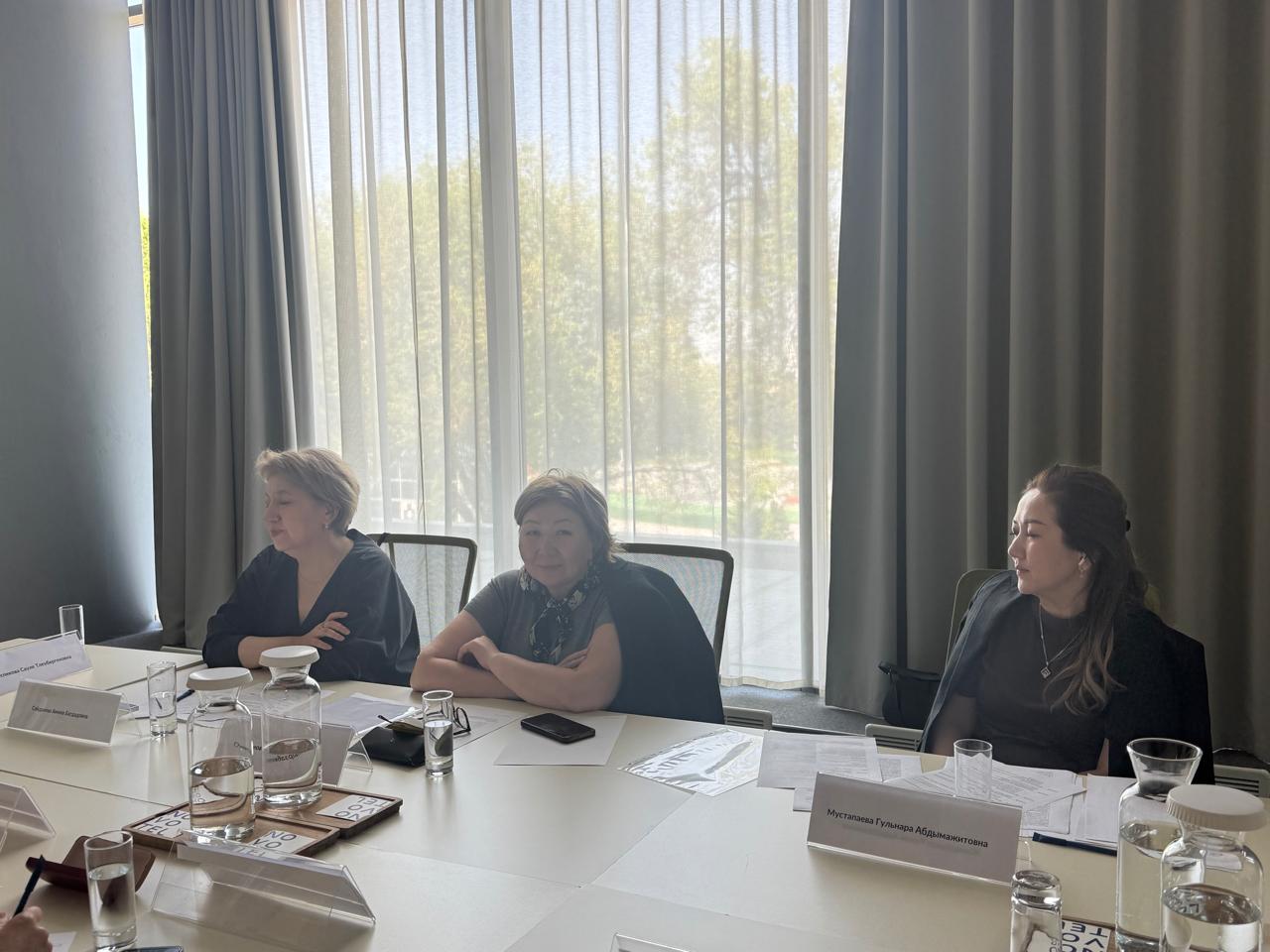
Regional aspects of care delivery were addressed in the presentations by Gulnara Abdymazhitovna Mustapayeva, Candidate of Medical Sciences, Associate Professor at the South Kazakhstan Medical Academy (Shymkent), and Almira Shukhratovna Khasanova, Head of Neurorehabilitation Department No. 2. The speakers outlined key challenges in patient routing and limitations in access to specialized rehabilitation and botulinum therapy in the regions.
Special attention to early rehabilitation was given by Amina Bagdadovna Seidanova, Master of Public Health, neurologist, rehabilitation physician, and assistant at the Education Department of the National Scientific Center of Traumatology and Orthopedics named after Academician N.D. Batpenov (Astana). The discussion covered categories of patients who benefit most from early initiation of comprehensive therapy, including botulinum therapy.
Within five discussion sessions, participants addressed a wide range of topics, including:
- selection of the most informative methods for diagnosing spasticity;
- challenges in the initial assessment of patients;
- formation of an effective multidisciplinary team;
- organization of continuous and outpatient rehabilitation;
- patient routing and accessibility of modern treatment methods in the regions;
- the role of early therapy initiation and patient and family education.
Following the meeting, the experts highlighted the need for further improvement of clinical protocols, development of a continuous rehabilitation system, and strengthening of interdisciplinary collaboration and educational initiatives.