In Kazakhstan, an expert group has begun work to monitor the effectiveness of treatment for neuromuscular diseases
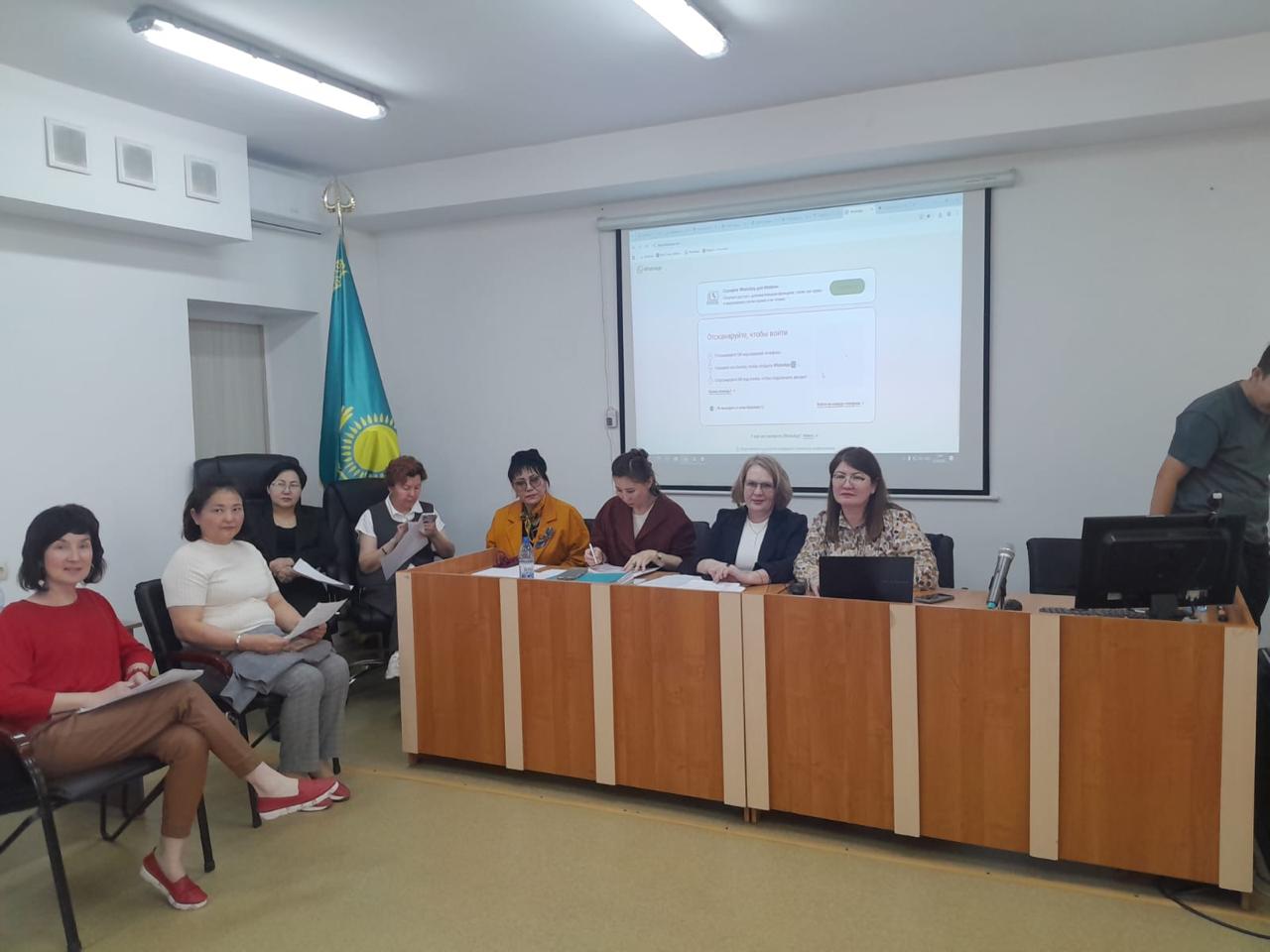
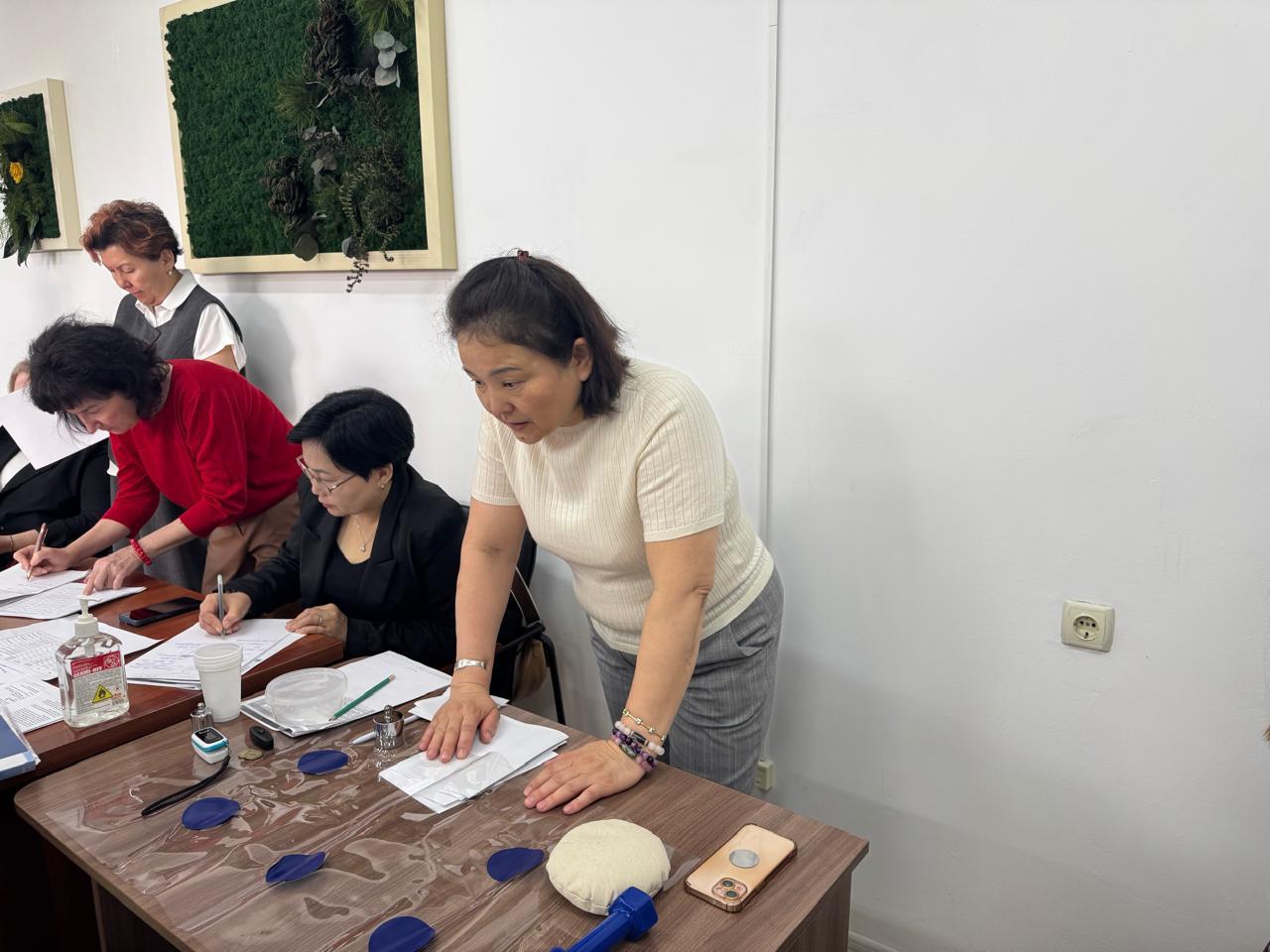
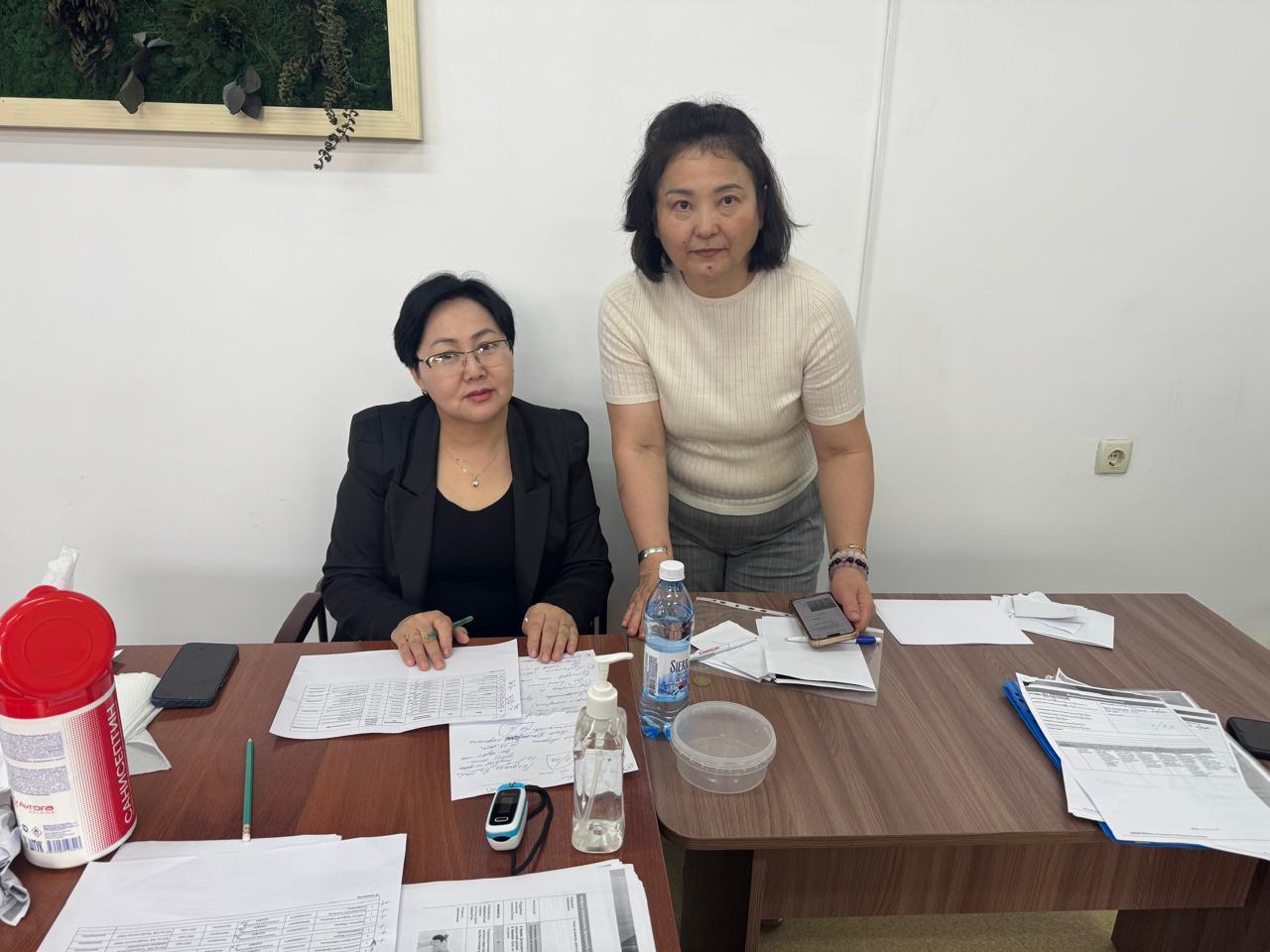
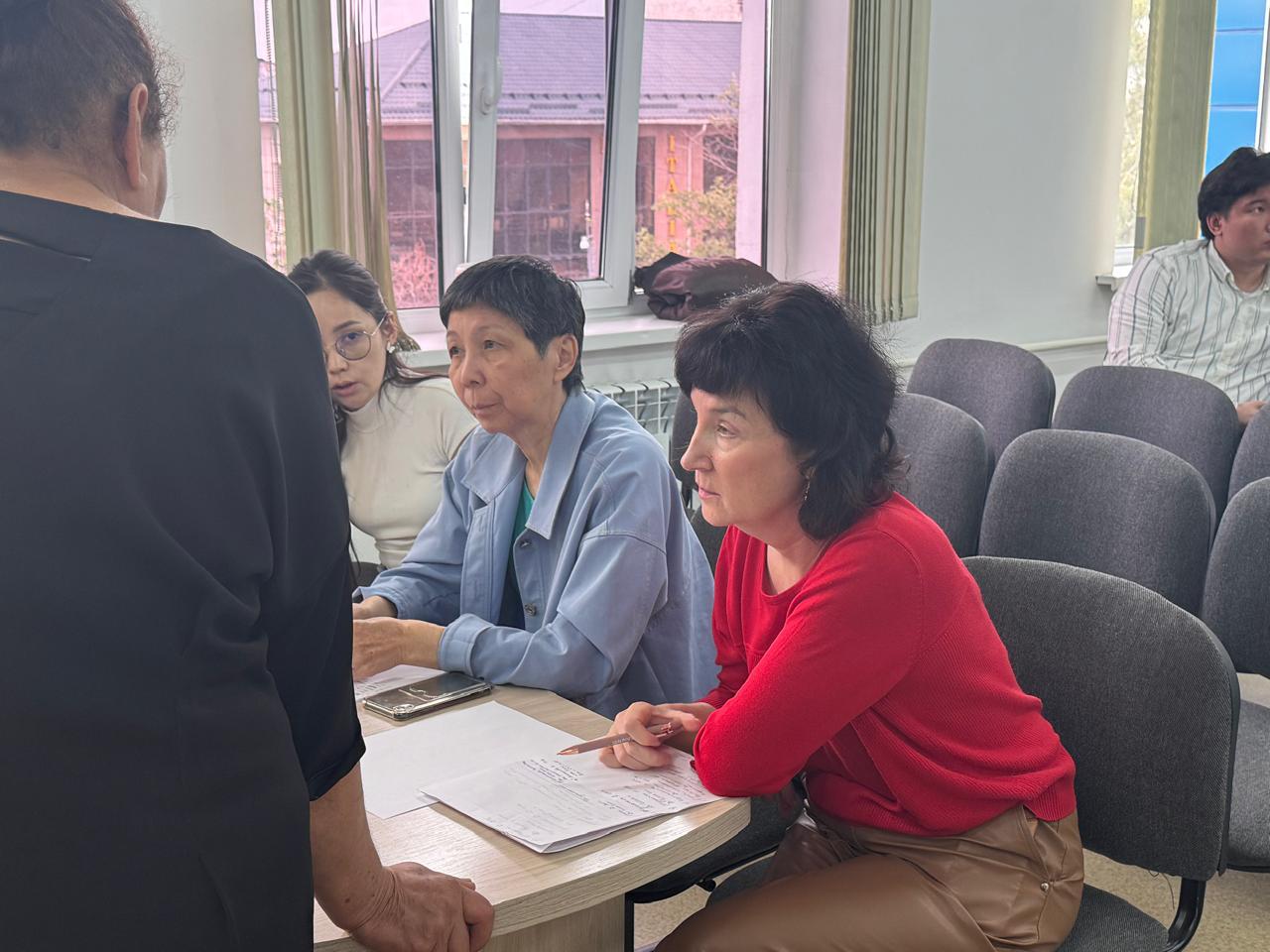
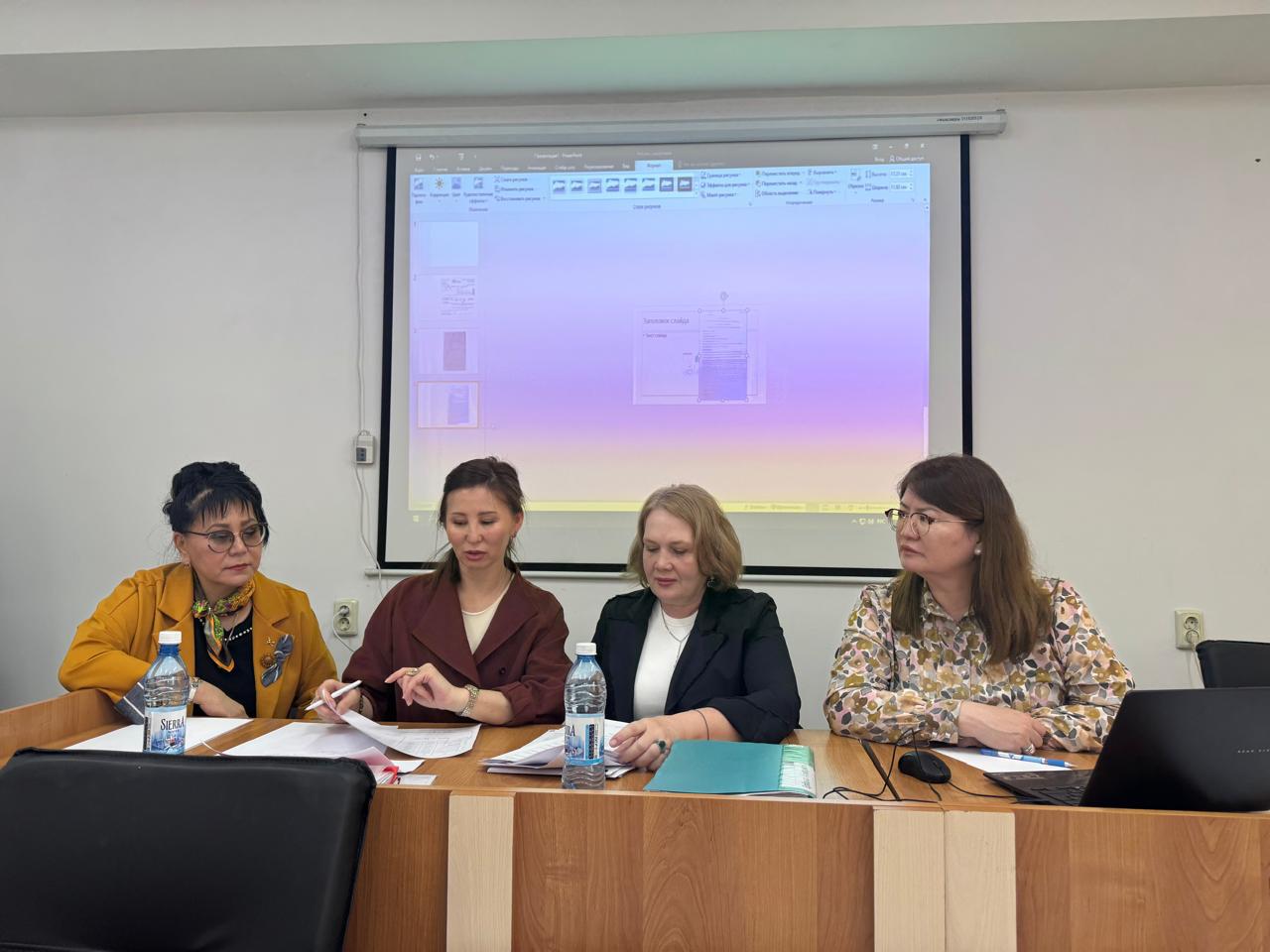
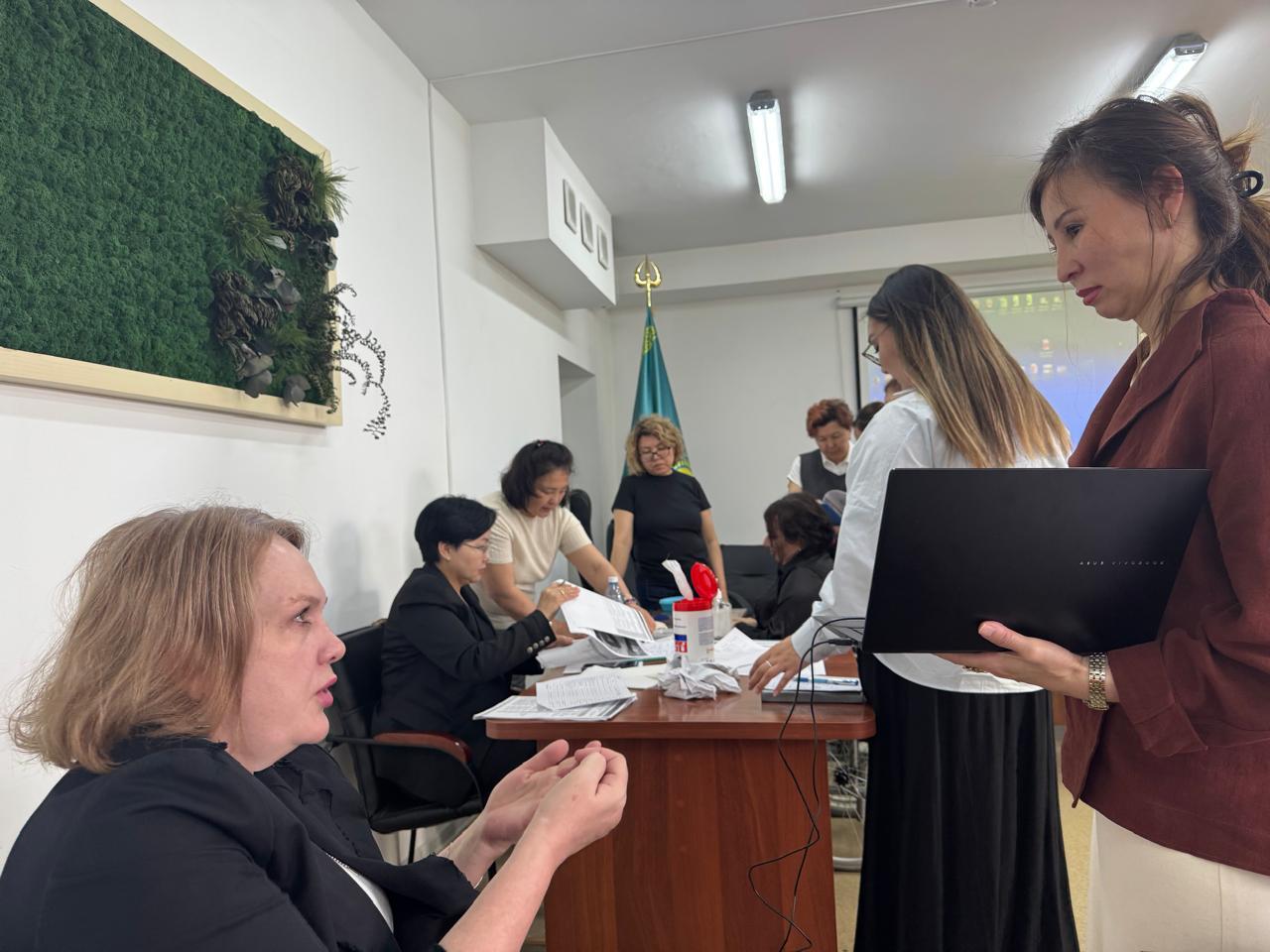
Currently, in the Republic of Kazakhstan, an expert group is operating to monitor the effectiveness of treatment of patients with neuromuscular diseases (NMD). In the regions of the country, a comprehensive assessment of the effectiveness of the use of medications in patients with NMD is being carried out. The initiative is aimed at improving the quality of medical care, ensuring the clinical effectiveness of therapy, as well as introducing a personalized approach to patient management and identifying systemic problems in the organization of care.
The working group is headed by the Deputy Director of the Department for Maternal and Child Health of the Ministry of Health of the Republic of Kazakhstan, Beisen M.B. Its members include leading national specialists in the fields of neurology, medical genetics, rehabilitation medicine, and palliative care, among others.
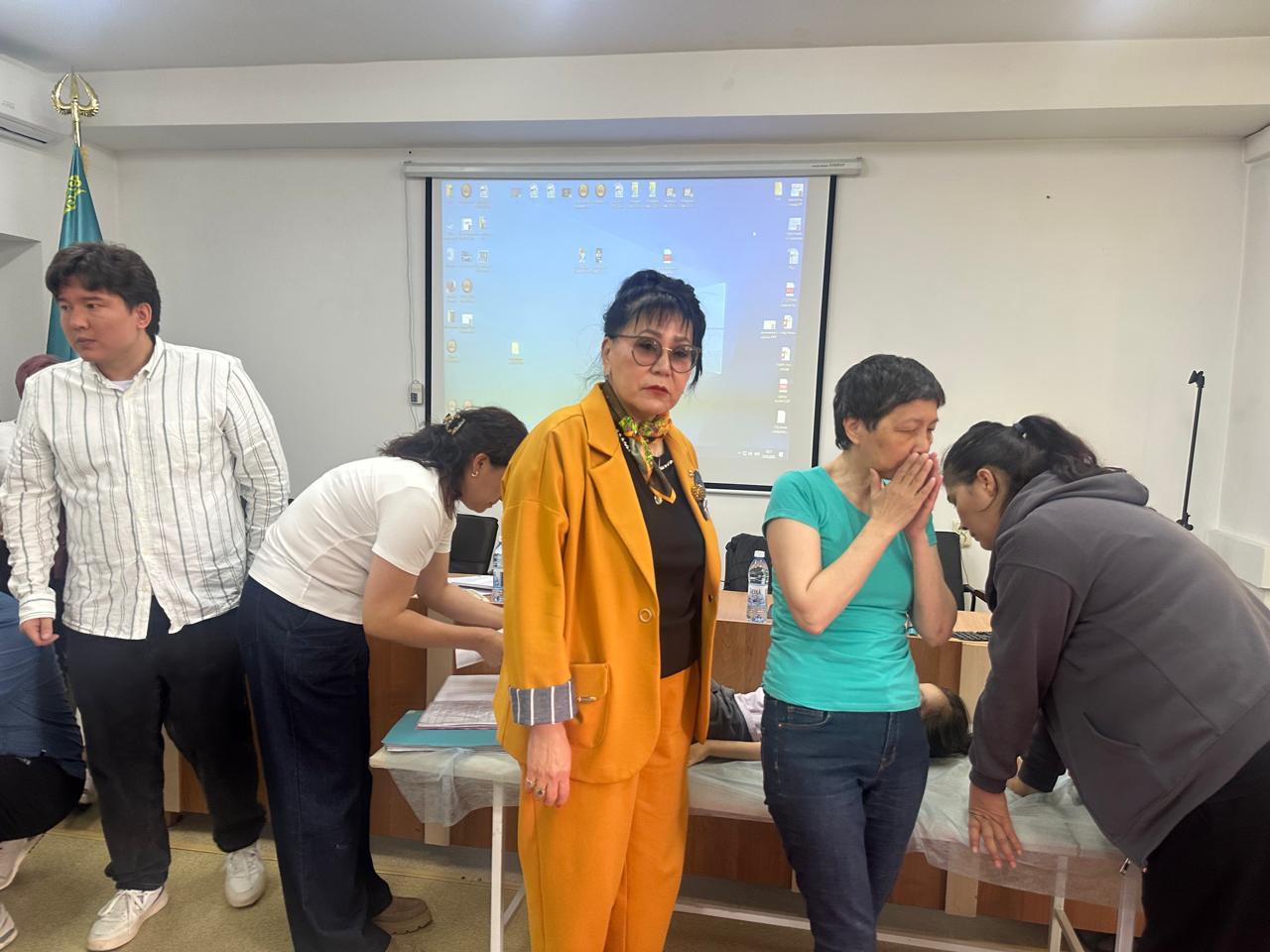
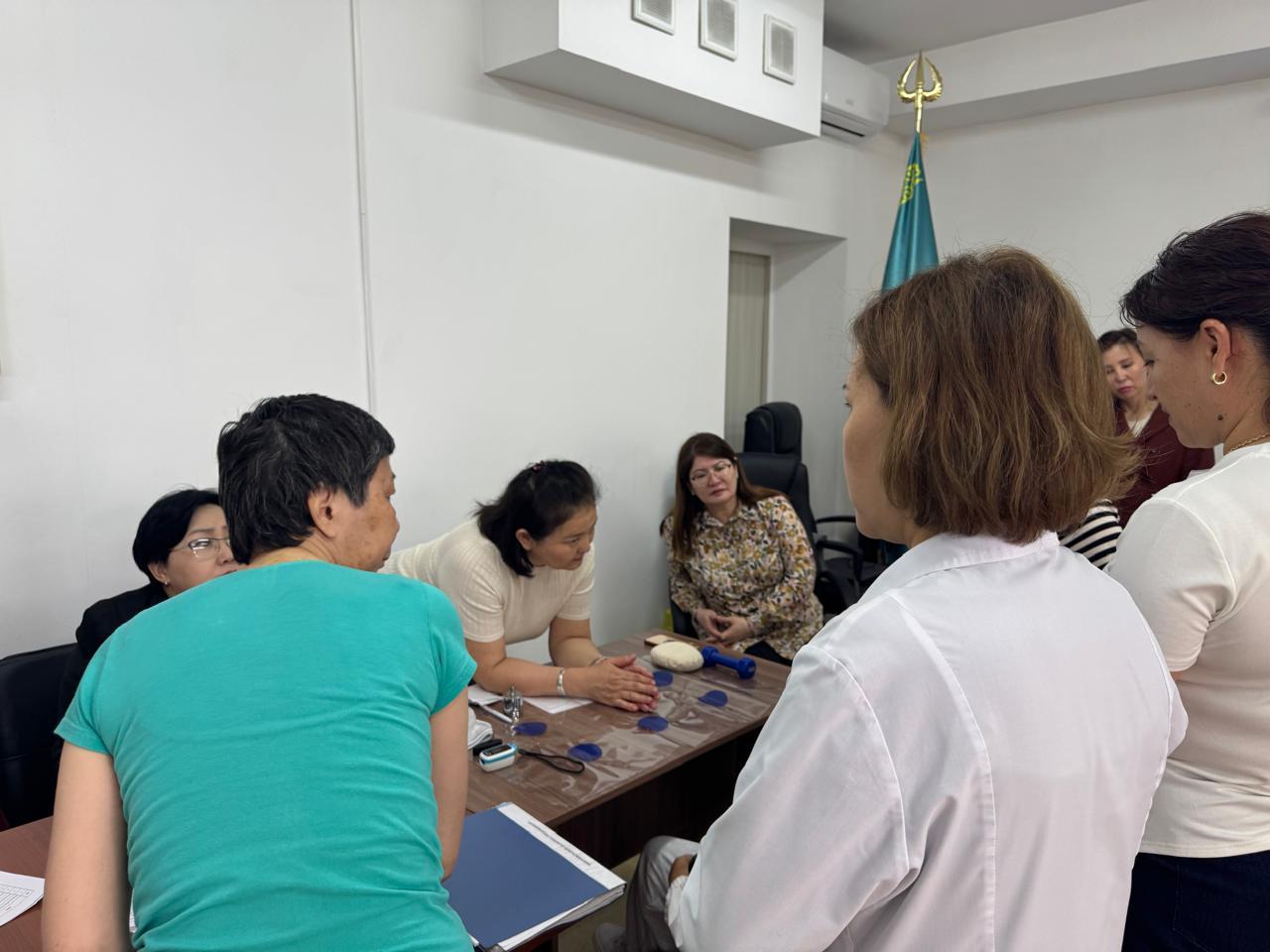
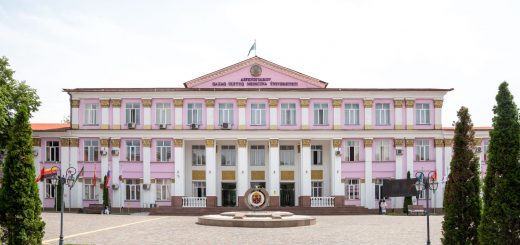
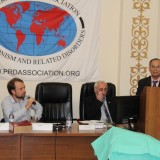
KazNMU named after S.D. Asfendiyarov is represented by staff of the Department of Nervous Diseases: Head of the Department, Chief Neurologist of the Ministry of Health of the Republic of Kazakhstan Turuspekova S.T., Professor, Coordinator for Orphan Diseases of the Public Health Department of Almaty Mukhametova G.A. Among the experts are: Chief Expert of the Department of Medical Care for Socially Significant Diseases of the Ministry of Health of the Republic of Kazakhstan Tumabekova Zh.A., Head of the Department of Neurology of NJSC “Medical University Astana” Eszhanova L.E., Associate Professor of the Department of Neurology of NJSC “Medical University Astana” Daribaev Zh.R., Head of Department No. 5 “Balbulak” of JSC “National Center for Children’s Rehabilitation” Kenzhebekova M.O., Professor of the Department of Pediatric Anesthesiology, Intensive Care and Emergency Medicine of NJSC “Medical University Astana”, Chief Freelance Specialist in Pediatric Palliative Care of the Ministry of Health of the Republic of Kazakhstan Maltabarova N.A., Head of the Center for Coordination of Orphan Diseases, Pediatric Gastroenterologist of JSC “Scientific Center of Pediatrics and Pediatric Surgery” Nazarova A.Z., Head of the Center for Autoimmune Diseases of the Nervous System and Multiple Sclerosis of the “Regional Clinical Hospital of Karaganda Region”, Coordinator for Orphan Diseases of the Karaganda Region Evstafyeva N.A., Head of the Laboratory of Personalized Genomic Diagnostics of the Hospital of the Medical Center of the Presidential Affairs Administration of the Republic of Kazakhstan, Chief Freelance Geneticist of the Ministry of Health of the Republic of Kazakhstan Abildinova G.Zh., Deputy Chairman of the Board for Medical Affairs of JSC “National Center for Children’s Rehabilitation”, Chief Freelance Rehabilitation Specialist (Pediatric) of the Ministry of Health of the Republic of Kazakhstan Altynbekova A.T., Head of the Psychoneurological Department No. 2 “Kadam” of JSC “National Center for Children’s Rehabilitation” Satpayeva A.K., Head of the Department of Physical Medicine and Rehabilitation of JSC “National Center for Children’s Rehabilitation” Iskulova A.E. Experts conduct consultations with an individual review of each clinical case, taking into account comorbidities and other factors. The key principle of work is objective monitoring based on international criteria, including genetic confirmation of the diagnosis, assessment of motor functions using the HFMSE, CHOP INTEND, and RULM scales, analysis of respiratory and nutritional status, as well as evaluation of therapy adherence and patient condition dynamics.
Based on the results of field examinations, a number of systemic problems reducing the effectiveness of treatment have been identified. Among them are a formal approach to the work of multidisciplinary teams, insufficient regularity of observation by specialized specialists (gastroenterologists, endocrinologists, dentists, dietitians), weak nutritional support, a deficit of medical-genetic support, and the absence of standardized dynamic monitoring. Late diagnosis of comorbid conditions is also noted, including nutritional disorders, gastrointestinal pathologies, and orthopedic deformities, as well as insufficiency of continuous rehabilitation and palliative support and drug provision.
“Drug therapy is only part of successful patient management. Without comprehensive medical-genetic support, adequate respiratory, nutritional, and palliative care, as well as systematic rehabilitation, the effectiveness of treatment is significantly reduced. Our task is to establish unified monitoring standards that correspond to the best international practices,” note the members of the working group.
The working group emphasizes that, in accordance with WHO recommendations, palliative care should be provided in parallel with the main treatment, complementing it, and cannot be considered a basis for limiting therapy. Medical rehabilitation is a mandatory and continuous component of the management of patients with NMD.
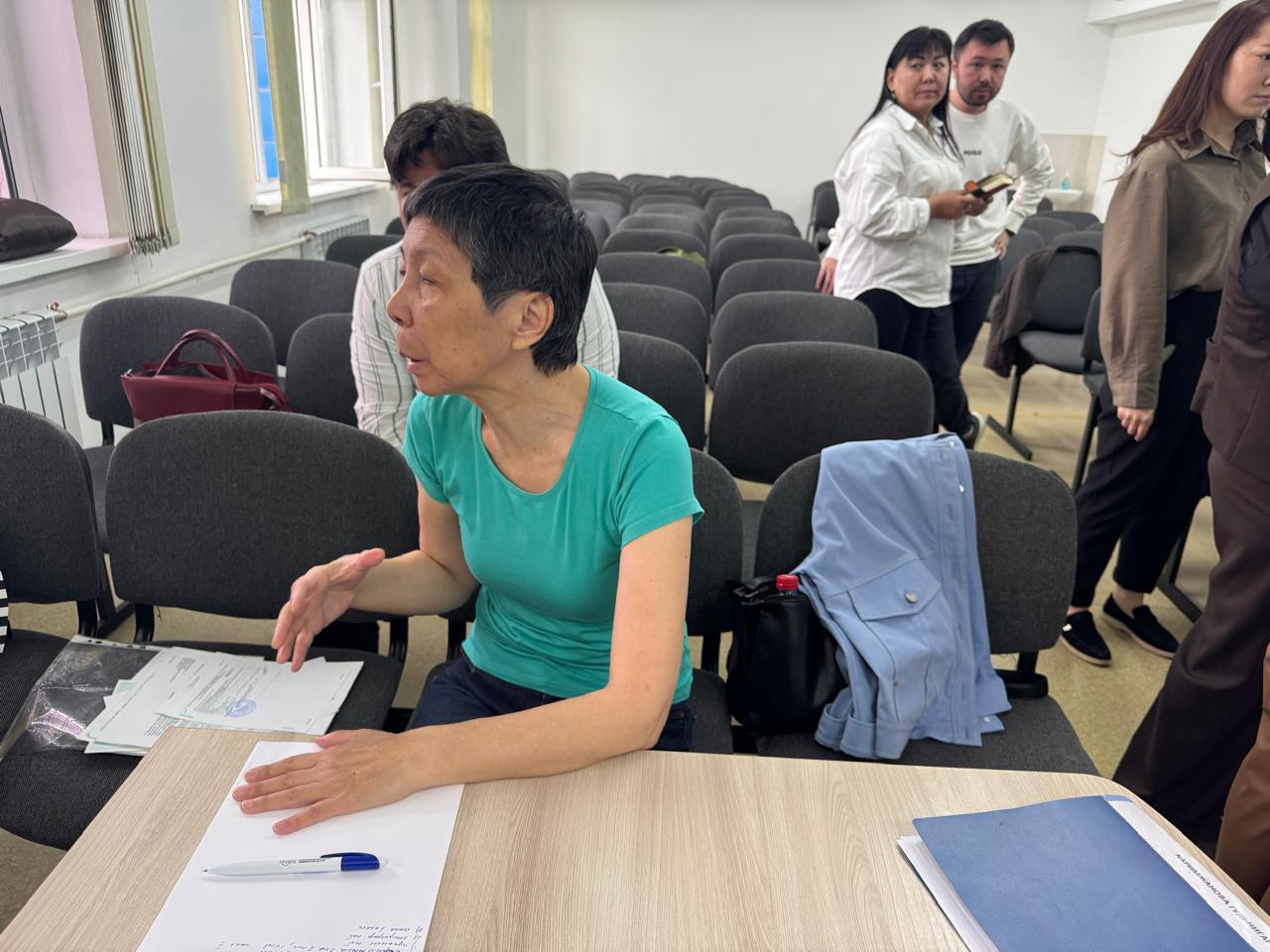
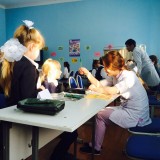
The format of field commissions allows not only for in-depth auditing of patient conditions but also for the exchange of experience with regional specialists, forming a unified system for providing high-tech medical care to patients with neuromuscular diseases throughout the country.
Based on the results of the work, targeted recommendations will be prepared for regional health departments aimed at standardizing monitoring, developing the medical-genetic service, and strengthening rehabilitation and palliative care.
The implementation of these measures will ensure that patients with neuromuscular diseases in all regions of the Republic of Kazakhstan have equal access to modern, effective, and safe medical care based on international standards and the principles of continuity, succession, and a personalized approach.